Kyoto costume time is better when it’s close to the action. This one pairs a maiko, samurai, or kimono rental right by the Kiyomizu-dera area with a matcha tea ceremony at a nearby parlor, so you get photos without spending your whole afternoon commuting.
I like that it’s built for real trip flow: you’re dressed, you drink matcha, and then you can keep exploring the neighborhood. I also like the small-group feel (max 6 participants) and the fact it works for families up to four people (ages 5 and up). One thing to keep in mind: the schedule is strict, and if you’re late to the kimono slot or the matcha ceremony, you may have to join partway through or miss it.
In This Review
- Key things to know before you go
- Why Kiyomizu-dera’s neighborhood is ideal for costume + tea
- Choosing maiko, samurai, or kimono: what you’re really paying for
- The timing puzzle: how your costume slot maps to matcha
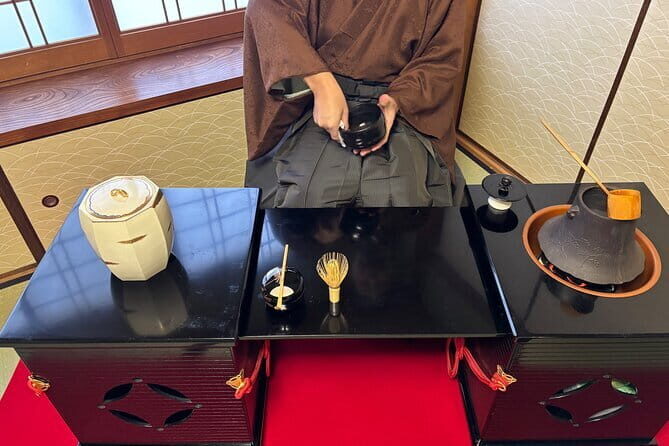
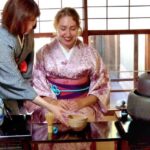
- Inside Akebonotei: what the matcha ceremony actually feels like
- Costume time until 5pm: turning photos into a real walking plan
- Price and value: does $77 per person make sense?
- What can go wrong (and how to reduce the odds)
- Who this Kyoto maiko/samurai/kimono with tea is best for
- Should you book this experience?
- FAQ
- Where is the meeting point?
- How long does the experience take?
- What’s included in the price?
- Can I experience maiko, samurai, or kimono?
- Is hair styling included?
- Who can participate?
Key things to know before you go
- Maiko, samurai, or kimono options let you pick the vibe you want without extra planning
- Kiyomizu-dera area location means less transit and more time for sights like Gion and Yasaka Shrine nearby
- A short matcha ceremony with sweets keeps it kid-friendlier than a long, formal-only experience
- Strict timing matters because you have two linked sessions (costume then tea)
- Kimono rental can run until 5pm if you’re using the rental option
- Limited to families of up to four with a max small group size, so it won’t be an endless crowd (but it can still feel busy)
Why Kiyomizu-dera’s neighborhood is ideal for costume + tea
The biggest practical win here is where it all happens. Your studio setup is a short walk from Kiyomizu-dera—about a 3-minute walk to the temple area. That matters in Kyoto. The city looks small on a map, but hills, streets, and crowds can eat time fast. When your “photo outfit” and “tea moment” start right in the same zone, you lose less of your day to transit.
This location also helps you get more than one experience out of the same costumed hours. The area around Kiyomizu-dera and Gion is packed with classic Kyoto scenery: traditional lanes, viewpoints, and quick stops where you can pause for photos or just people-watch. The tour area description even points to places like Yasaka Five-Story Pagoda, Yasaka Koshindo, Ninenzaka, Sannenzaka, Kodaiji Temple, and Yasaka Shrine—all reachable from the same general neighborhood.
Just be aware of the trade-off. This is popular Kyoto real estate. Even if the group is small, the surroundings are busy. If you dislike crowds, plan for smaller windows of time to roam—especially right after your tea slot ends.
A few more Kyoto tours and experiences worth a look
Choosing maiko, samurai, or kimono: what you’re really paying for
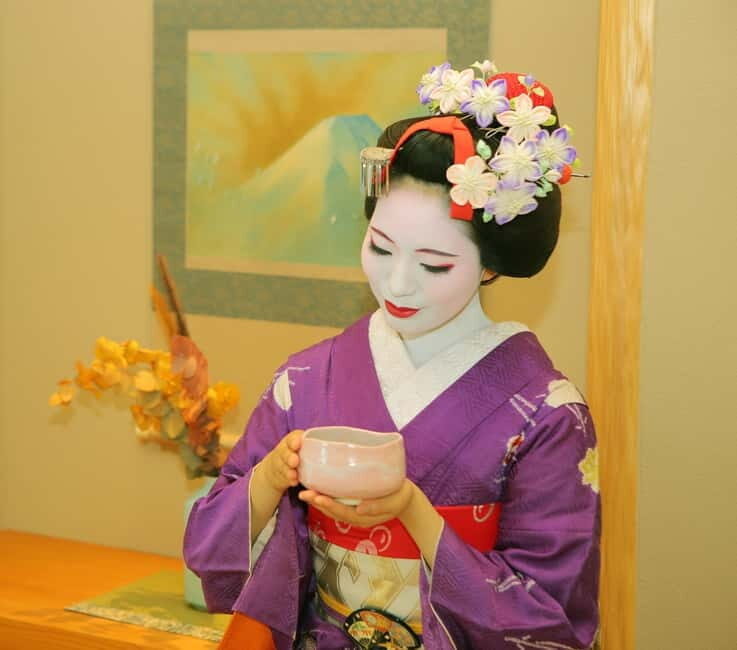
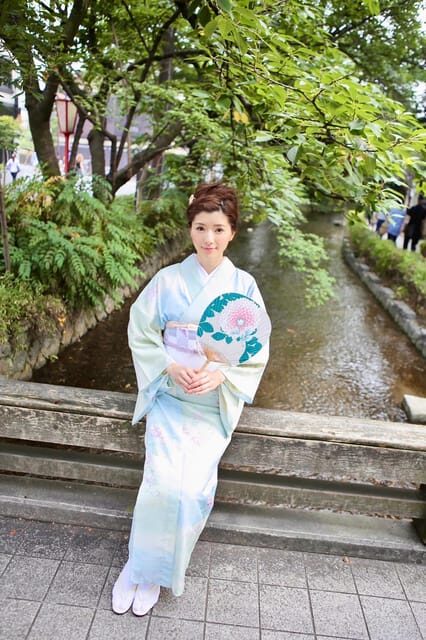
You don’t just “rent something.” You’re given a full costume experience plus a set tea ceremony, and that’s what you’re paying for. Included items are fairly complete for a costume package:
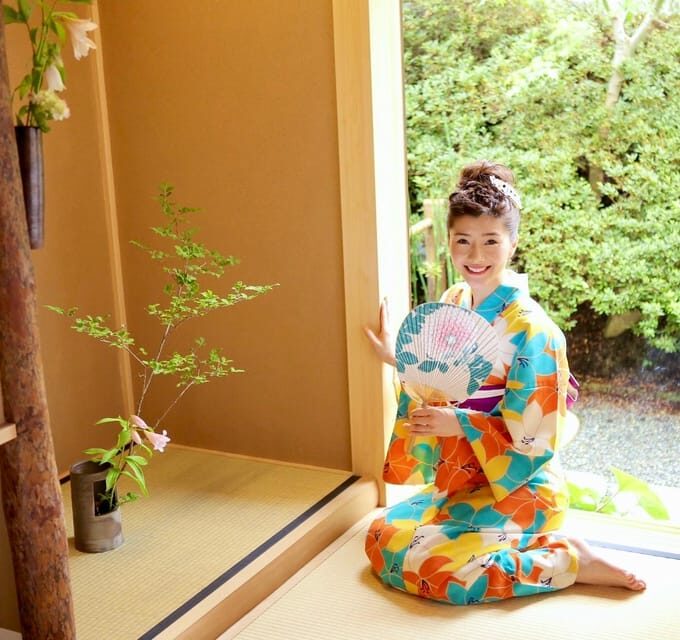
- kimono
- obi
- bag
- underwear
- sandals
- (seasonal) yukata plan from June 1 to September 15
So you’re not hunting rental pieces on your own, and you’re not piecing together basics you might forget (sandals and underlayers can be surprisingly easy to overlook when you think only about the outer garment).
You also have multiple styling themes:
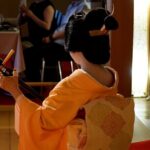
- Maiko transformation option
- Samurai style option
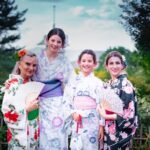
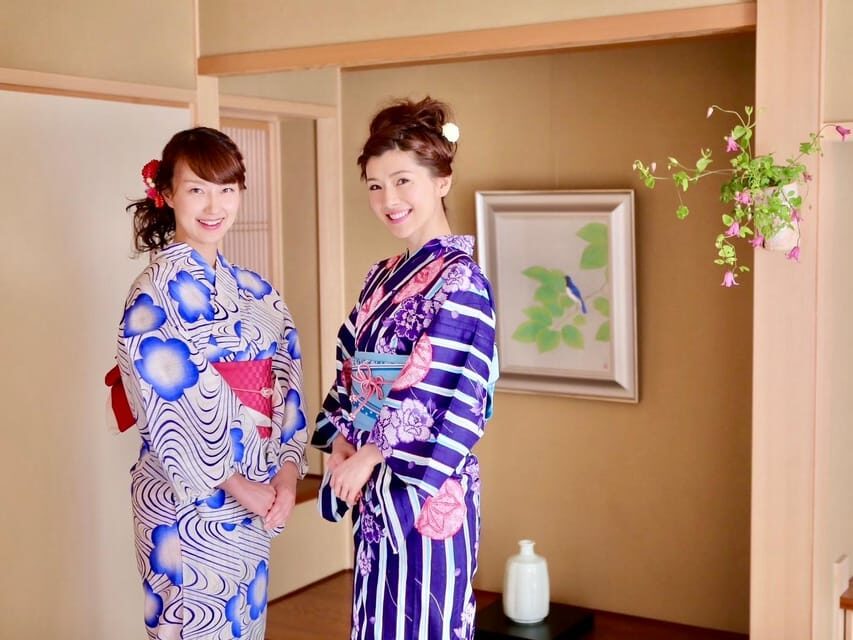
- Kimono option (including yukata seasonally)
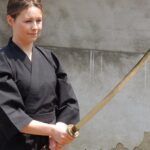
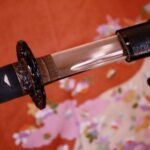
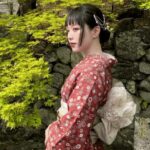
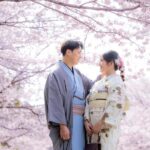
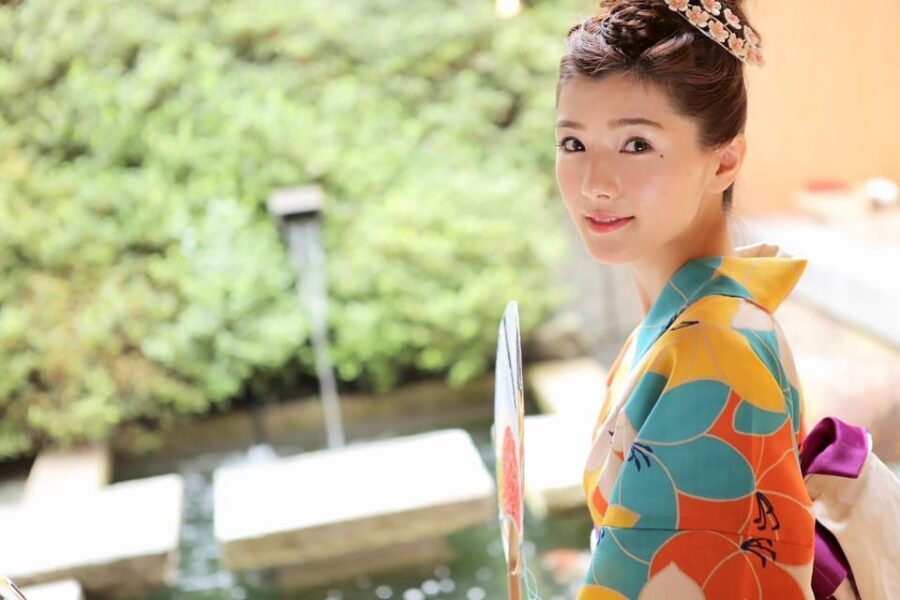
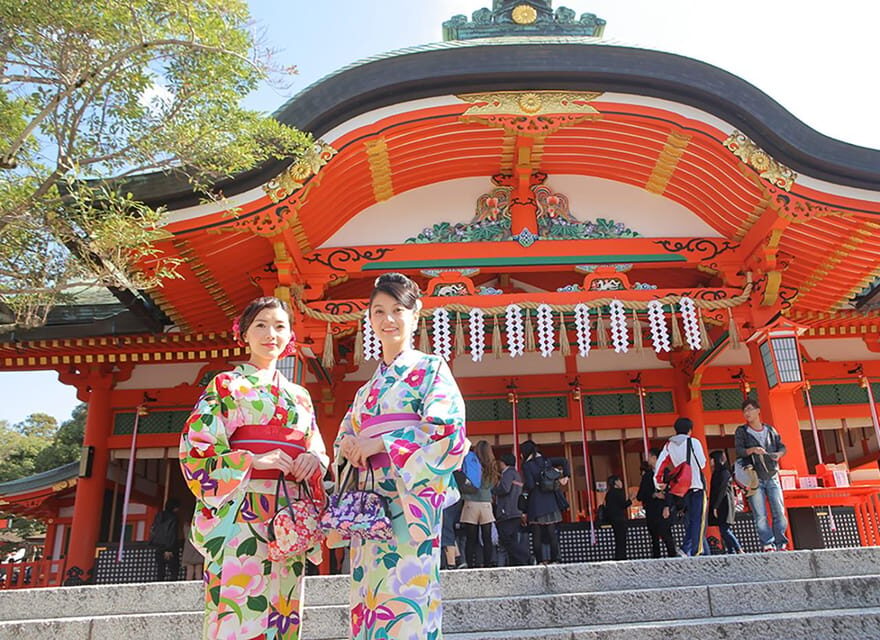
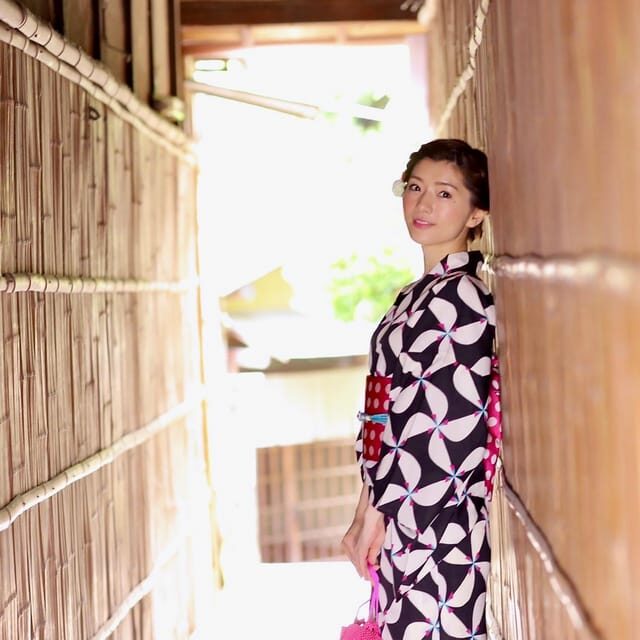
That variety is useful because Kyoto visitors want different things. Some people want the delicate maiko look for photos. Some want the dramatic, armor-inspired samurai vibe. Some just want the classic kimono experience without committing to a character transformation.
One more detail I think is worth flagging: hair styling is not included. There’s an optional hair styling offer mentioned as an extra (1650 yen in the information you provided). If you want the full head-to-toe finish, build that extra cost into your day.
And a key limitation: this experience is limited to families of up to four people, and ages 5 and up are allowed. Children under 5 aren’t permitted, and pregnant women aren’t allowed. If you’re traveling with kids, this is at least structured to fit a family group size, not a loose, single-adult crowd.
The timing puzzle: how your costume slot maps to matcha
This experience is built on two linked sessions:
1) your kimono/character transformation time
2) your matcha tea ceremony time
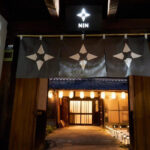
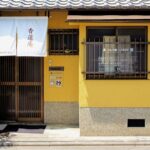
The ceremony is held at the tea parlor Akebonotei, which is a short walk away (also described as about a 3-minute walk). But the key is that your schedule doesn’t float. It’s set up so you can’t arrive whenever you want.
The start times look like this (examples given):
- Kimono 9:00 AM → Matcha 10:30 AM
- Kimono 10:00 AM → Matcha 11:30 AM
- Kimono 11:00 AM → Matcha 12:30 PM
- Kimono 12:00 PM → Matcha 1:30 PM
- Kimono 1:00 PM → Matcha 2:30 PM
- Kimono 2:00 PM → Matcha 3:30 PM
- Kimono 3:00 PM → Matcha 4:30 PM
You’re expected to be punctual for both parts. If you’re late for either the kimono or the matcha ceremony, you may be forced to join halfway through or may not be able to participate. That’s not just a “be nice” rule—it’s how the staff can keep the flow for everyone in the small group schedule.
My practical advice: arrive early for the kimono portion even if you’re in the right neighborhood. In Kyoto, it’s easy to underestimate the last few blocks, especially if you’re stopping for photos. Also remember you’ll be getting dressed and oriented, so “close enough” timing can turn into stressful timing.
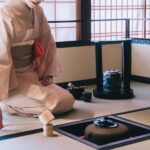
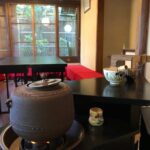
Inside Akebonotei: what the matcha ceremony actually feels like
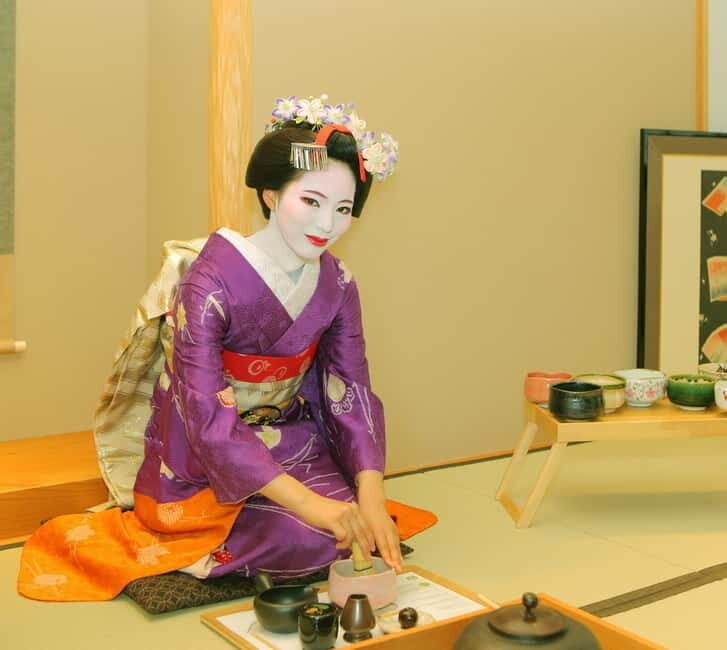
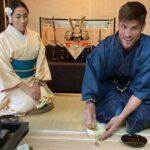
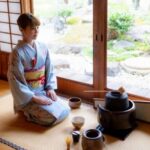
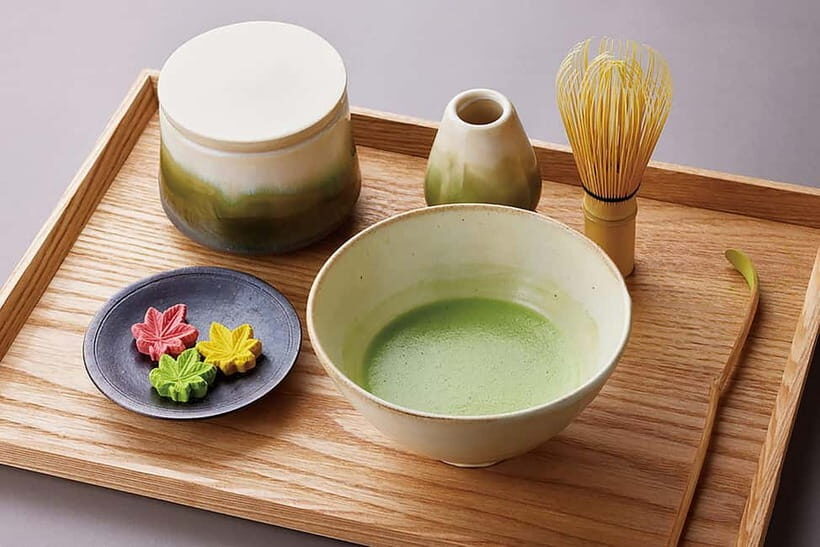
You’re getting a matcha tea ceremony experience with sweets included. The ceremony is described as a matcha tea experience, and it’s paired with the costume moment rather than being a standalone, all-day cultural program.
From the information you shared, the ceremony is relatively short. That can be a plus. Long, formal tea experiences can drag for kids and for anyone who’s also trying to sightsee in Kyoto. A shorter version tends to keep energy up and helps you move on without losing the rest of the day to waiting.
That said, there’s an important balance point. Some people come to Kyoto expecting something slow, intimate, and deeply traditional. This format is more of a practical “Kyoto highlight package,” where the ceremony is meaningful but not designed as a one-on-one, hour-by-hour immersion. If your goal is strict tea tradition over everything else, you might find the time feels limited.
Language-wise, the info says languages are available, and one of the experiences also notes staff English was very good. So if you’re nervous about basic questions—like how to handle the moment or what’s next—you’re likely to be able to follow along.
Also worth knowing: admission fees can apply for anyone who does not participate in the tea ceremony. In other words, if you’re booking for the package, plan to take the tea portion so you don’t get stuck with extra costs later.
Costume time until 5pm: turning photos into a real walking plan
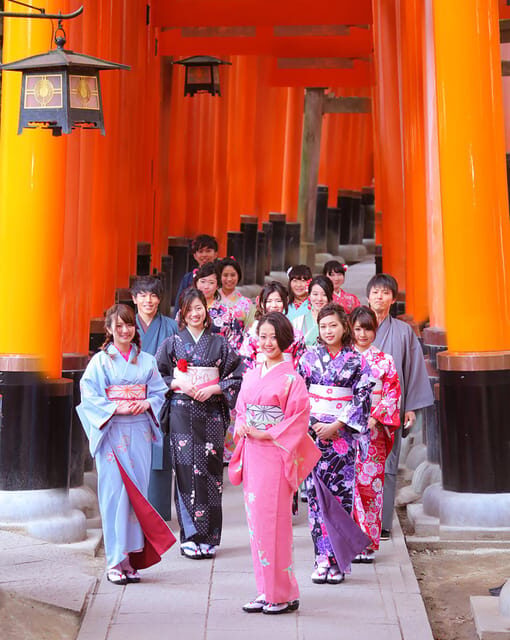
One perk that makes this more than a “sit and do photos” activity: if you rent the kimono, you can enjoy it until 5pm. That’s not a throwaway detail. It changes how you use your day.
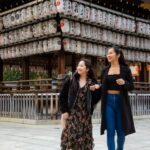
In practice, you can treat this like an outfit window that overlaps with the most photogenic hours around the Kiyomizu-dera and Gion corridor. Late afternoon often feels calmer than mid-morning, and the streets around Ninenzaka and Sannenzaka can look great as the light shifts.
The tour description lists a whole set of nearby sights—shrines, pagodas, and the classic old streets. Even if you don’t hit every stop, the structure lets you build your own path:
- start near the Kiyomizu-dera area
- walk toward traditional lanes like Ninenzaka and Sannenzaka
- work in photo breaks at landmarks such as Yasaka Shrine and the Five-Story Pagoda zone
- pop into a stylish café when your feet need a reset
A quick reality check: the area is popular, so don’t plan on total solitude. Also, keep in mind costumes can slow you down. Sandals and formal footwear aren’t great for long, steep detours. If you plan a lot of uphill walking, build in breaks.
A few more Kyoto tours and experiences worth a look
Price and value: does $77 per person make sense?
At about $77 per person, the value comes from what’s included. You’re not just buying a matcha cup. You’re getting:
- full kimono/obi/bag/sandals/underlayers
- matcha tea ceremony
- sweets
- and it’s tied to a specific time window near Kiyomizu-dera
If you rented a kimono separately and then booked tea elsewhere, you’d likely spend comparable money after adding separate fees and coordinating the timing. This package does the coordination work for you.
There are also trade-offs baked into the price. It’s designed for small groups (max 6) and for families up to four, so it’s not a totally solo, custom-only experience. Also, hair styling costs extra, so if you want a styled-up look beyond the base outfit, factor that in.
Finally, because the experience involves two linked appointments, punctuality has a direct impact on value. If you lose time by being late, the experience can feel more expensive than it should be.
What can go wrong (and how to reduce the odds)
I’ll be straight: parts of the “costume + tea” experience can feel a bit industrial when Kyoto is busy. Some people describe long waits, rushed pacing, and a strong tourist focus rather than a deep, quiet immersion.
You can’t control how busy the neighborhood is. But you can control how prepared you are:
- Arrive early and calm for the costume slot.
- Treat this as a highlight experience, not a full-day cultural study.
- Keep your expectations aligned with a short ceremony format.
If you hate lines, you may prefer a different style of Kyoto tea experience that’s more spread out in time. If your priority is photos plus an easy cultural stop, this works well because everything is close and organized around set start times.
Also note the restrictions. Children under 5 can’t participate, and pregnant women aren’t allowed. If any of your travel party falls into those categories, plan a different activity that everyone can enjoy together.
Who this Kyoto maiko/samurai/kimono with tea is best for
This one fits best when you want a memorable Kyoto “costume moment” without turning the day into logistics work.
It’s a good match for:
- couples doing a classic Kyoto photo-day near Kiyomizu-dera
- families up to four people who want everyone dressed and included in a short tea ceremony
- visitors who want maiko or samurai styling as a photo theme
- people who want a practical schedule with a clear plan for when to be where
It may not be ideal for:
- anyone expecting a slow, very traditional, quiet tea lesson as the main event
- travelers who get stressed by strict timing and time slots
- those who dislike busy tourist areas
Should you book this experience?
I’d book it if you want an efficient Kyoto highlight that covers costume + matcha tea with sweets, all within the Kiyomizu-dera/Gion neighborhood. The cost makes sense because the package bundles what many visitors otherwise piece together. And the family sizing (up to four) plus the short ceremony format makes it easier than doing separate activities.
I’d think twice if you’re sensitive to crowd energy or rushed pacing. This is a scheduled, organized experience, not a slow, private cultural lesson. If you choose it, your best strategy is simple: show up early, keep expectations realistic, and use the costume time (until 5pm) to turn the whole outing into a real walking plan rather than just waiting around.
FAQ
Where is the meeting point?
If you’re arriving by city bus, get off at the Kiyomizu-michi bus stop, then walk about 10 minutes to the shop.
How long does the experience take?
It runs about 150 minutes to 3 hours, depending on the start time you choose.
What’s included in the price?
You get the kimono (or related outfit), obi, bag, underwear, sandals, a matcha tea ceremony, sweets, and (for June 1 to September 15) a yukata plan.
Can I experience maiko, samurai, or kimono?
Yes. The experience is offered as maiko transformation, samurai style, or kimono rental.
Is hair styling included?
No, hair styling is not included.
Who can participate?
Children under 5 are not allowed, and pregnant women are not allowed. The experience is limited to families of up to four people (ages 5 and up).