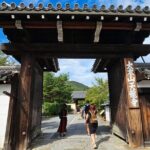
Two temples, two moods, one walk. This guided visit pairs the flashy Kinkaku-ji Golden Pavilion with the quieter Ninna-ji temple complex, both UNESCO sites, so you feel Kyoto’s spiritual range in a single morning or afternoon.
What makes it especially interesting is that you don’t just look at buildings. You get guided context about Buddhist temples and their role in power, prestige, and devotion, then you visit spaces tied to ritual life—plus time with a monk for chanting and questions.
One consideration: the Ninna-ji portion can shift due to temple circumstances, so a couple of exact moments may depend on what’s happening that day.
In This Review
- Key things I’d plan around
- Why the Kinkaku-ji + Ninna-ji contrast makes sense
- Meeting at Yamazaki-an and the flow between temples
- Kinkaku-ji Golden Pavilion: gold leaf, gates, and named stops you can picture
- Ninna-ji Temple: inside access with chanting, monk Q&A, and a sutra ritual
- The Imperial Residence end-stop: calm after the ceremony
- Price and value: is $48.86 worth it?
- Who should book this Kyoto temple experience
- Booking timing and what that means for your day
- Should you book this Kinkaku-ji and Ninna-ji tour?
- FAQ
- How long is the Kyoto Kinkaku-ji and Ninnaji guided tour?
- Does the tour include admission tickets?
- Is the ticket delivered digitally?
- How large is the group?
- Where does the tour start and end?
- What special experience happens at Ninna-ji Temple?
- Will I meet a monk during the tour?
- Can the Ninna-ji part of the itinerary change?
Key things I’d plan around
- A tight 3-hour format: you see two UNESCO temples without losing your whole day to buses and lines
- Monk-led chanting and Q&A: not just sightseeing, but a window into practice
- Small group (max 7): easier pacing, more direct questions, less waiting around
- Kinkaku-ji “golden” highlights: you’ll move through the named temple areas, not only the main view
- Sutra Hall ritual objects: you get hands-on meaning through the rotating sutra shelf
- A photo moment and Imperial Residence stop: the tour ends in a calmer, more elegant setting than most quick temple runs
Why the Kinkaku-ji + Ninna-ji contrast makes sense
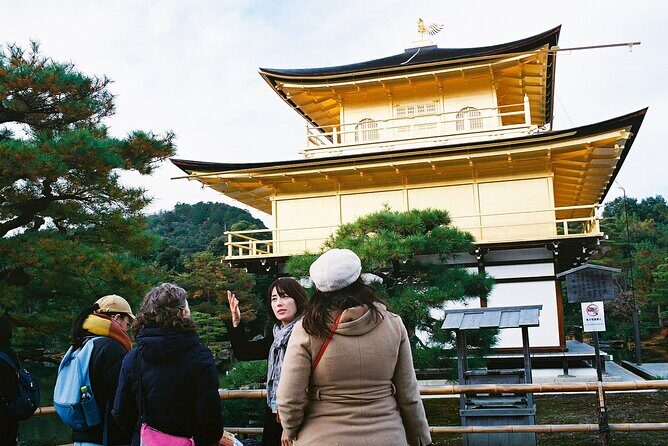
Kyoto temple tours can blur together if all you do is chase photogenic rooftops. This one is different because it intentionally bounces between two styles of sacred space: the gleaming, prestige-heavy look of Kinkaku-ji and the more restrained imperial heritage atmosphere of Ninna-ji.
You’ll also get a clearer sense of what Buddhist temples have meant over time—power and status for some patrons, devotion and study for others. That context matters. It turns gold leaf and gates from “pretty stuff” into symbols with stories you can actually remember.
And yes, the Golden Pavilion is as jaw-dropping as you hope. But the second half is the one that often lands hardest because Ninna-ji includes ritual-focused access and real interaction with a monk.
A few more Kyoto tours and experiences worth a look

Meeting at Yamazaki-an and the flow between temples
The tour starts at Yamazaki-an, 25 Kinugasa Babachō, Kita Ward, Kyoto. It ends at Ninna-ji Temple, 33 Omuroōuchi, Ukyo Ward, Kyoto, so you finish where you’ll want to be for the rest of your Kyoto day.
It’s near public transportation, which helps if you’re staying in the city and don’t want to fight with timing. Also, the group size maxes out at 7, so your day doesn’t feel like a conga line.
One more practical detail: admission is included at both temple stops, and you’ll use a mobile ticket. That removes a chunk of friction, because you’re not figuring out ticket counters while the schedule is moving.
Kinkaku-ji Golden Pavilion: gold leaf, gates, and named stops you can picture
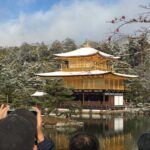
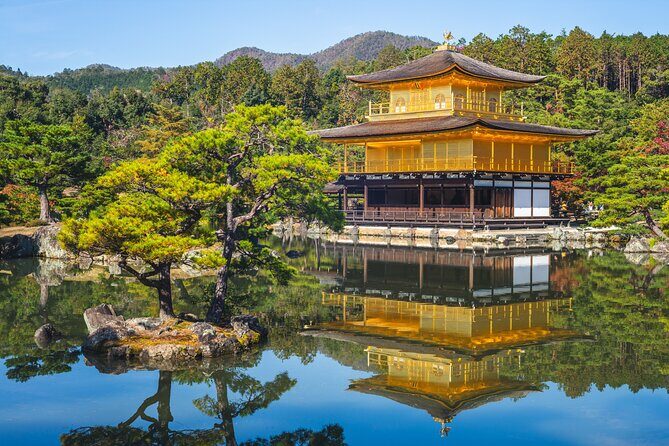
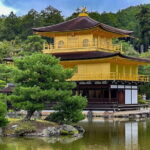
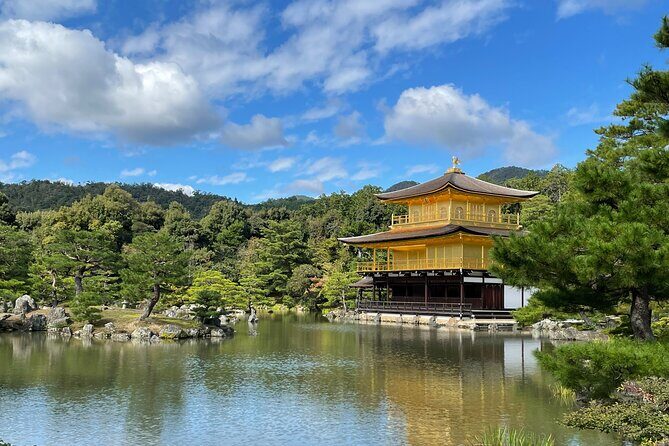
Kinkaku-ji, the Golden Pavilion, is a Zen Buddhist temple in Kyoto and a UNESCO World Heritage site. It began life as a retirement villa for Shogun Ashikaga Yoshimitsu, then became a temple later, which helps explain the mix of elegance and spirituality you’ll see.
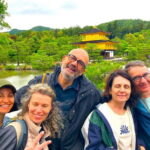
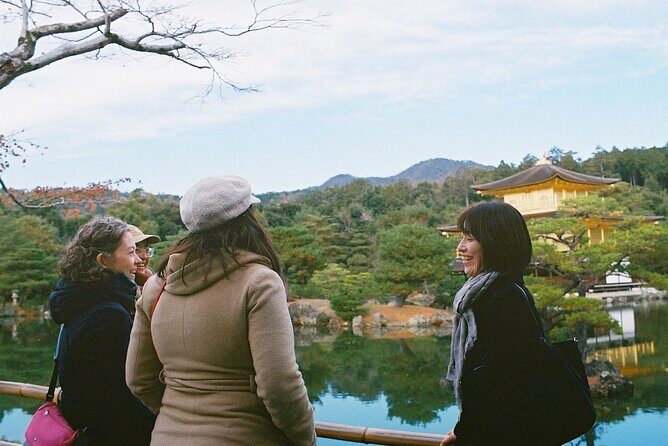
The signature look is the top floors covered in gold leaf, designed so the pavilion reflects in the surrounding pond. Even if you’ve seen photos, being there in person changes the effect. Light shifts across the surfaces, and suddenly the gold feels less decorative and more deliberate—like a statement.
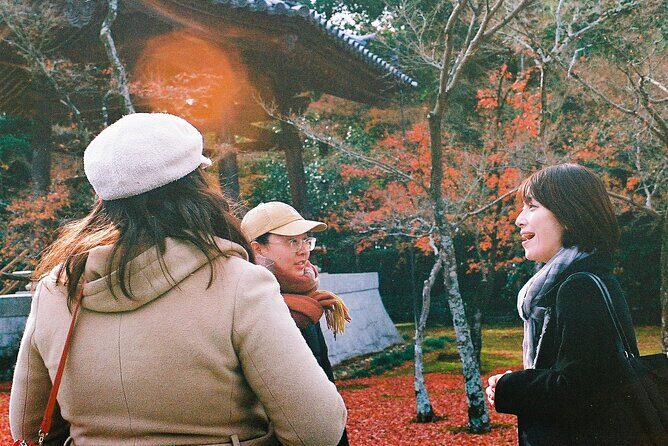
During your visit you won’t just hover at the main photo spot. You’ll also work through specific areas, including Shariden and the Karamon Gate. The tour also lists stops like Rikushu-no-taki, Anmintaku, Hakujanotsuka, Yukatei Teahouse, and Fudo Hall.
Why that matters for you: when a tour names the parts you’ll visit, you leave with more than one memory. You can later point to the general layout and say, I walked through the pavilion zones and the courtyards that frame the view.
Potential drawback at Kinkaku-ji: it’s still a famous UNESCO temple, so you’ll want to stay flexible about crowd density. In a 1-hour visit, your guide’s pacing has to balance access and timing, so you may have to accept short walking bursts instead of a slow wander.
Ninna-ji Temple: inside access with chanting, monk Q&A, and a sutra ritual
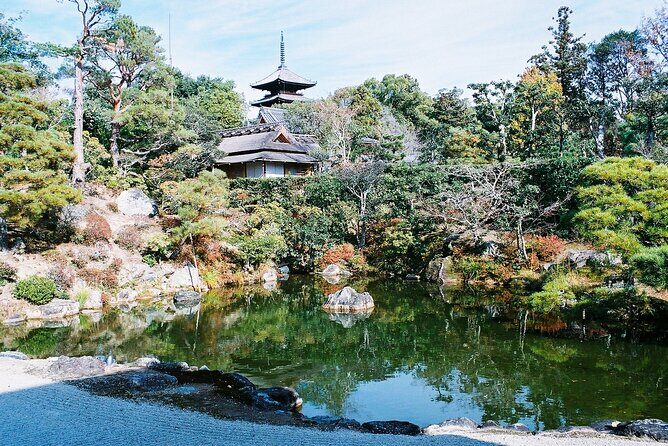
Ninna-ji is a Buddhist temple founded in 888 by Emperor Uda and also a UNESCO World Heritage site. It’s known for its five-story pagoda, gardens, and Omuro cherry trees, and it acts as the head of the Omuro school of Shingon Buddhism. That last detail matters because it hints at why the experience includes ritual elements, not only scenic ones.
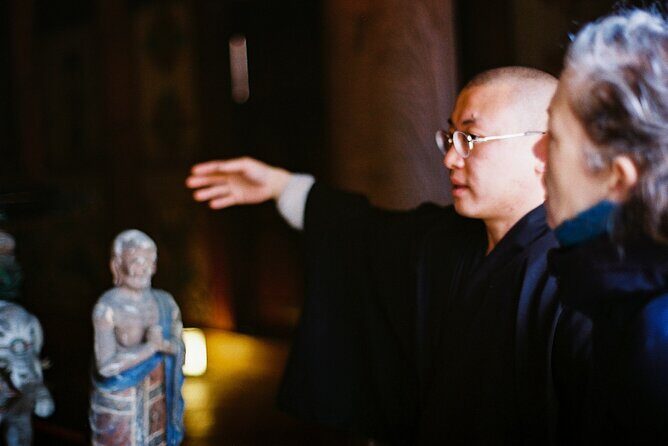
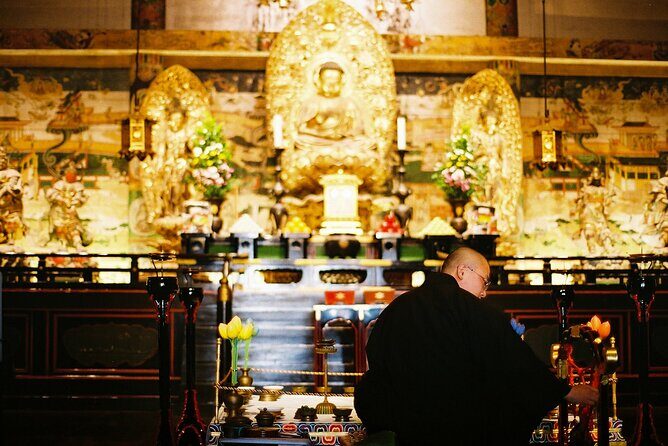
Here’s what makes the Ninna-ji half stand out: the tour is designed to go beyond the usual exterior look. You step inside the Main Hall (described as the rarely opened Kondo Hall) for a sacred chanting session led by a monk. Then you get a Q&A, which is a big deal if you’ve ever wondered how to ask respectful questions about Buddhism without turning it into a pop quiz.
You’ll also visit the Sutra Hall, where the tour mentions a rotating sutra shelf. That’s one of those details that can sound odd in writing, but it’s exactly the kind of ritual object that helps you understand how worship, study, and daily practice connect.
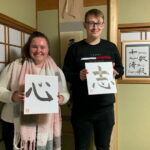
Before moving on, the tour includes time for a photo with the monk. That may not be why you came to a temple, but it’s part of the structured interaction they offer here, and it can help you remember the human side of what you’re witnessing.
Important note: the details of the Ninna-ji itinerary may change due to the temple’s circumstances. So if you’re the type who hates surprises, keep your expectations flexible for the exact timing of the inner-hall moments.
The Imperial Residence end-stop: calm after the ceremony
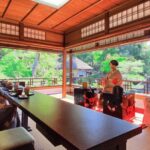
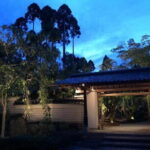
After the monk interaction and the temple interiors, the tour takes you to the elegant Imperial Residence area. This is a smart sequencing choice because it slows the emotional tempo a bit.
If you’re moving fast through Kyoto anyway, that calm finish helps you reset. You’re leaving the concentrated focus of chanting and Q&A and stepping into a more spacious feel—exactly when you want a moment to take in atmosphere without being pushed to ask more questions.
This final portion also helps you connect the dots between imperial power and spiritual tradition. You started with the Golden Pavilion’s wealth and status cues, then moved into Shingon temple practice, and now you land in a setting tied to imperial heritage.
A few more Kyoto tours and experiences worth a look


Price and value: is $48.86 worth it?
At $48.86 per person, this is priced like a guided, ticketed cultural experience rather than a budget transfer between famous sights. The value is in the combination: you get guided explanation, admission tickets included, and a schedule that includes monk-led chanting plus Q&A.
If you were to recreate this yourself, you’d likely spend time stitching together transport, separate entry tickets, and a plan for what parts of Ninna-ji you can realistically access. Here, the tour brings those pieces together inside a tight 3-hour window.
You’re also paying for the “how to look” part. With the guide, Kinkaku-ji’s gold leaf becomes tied to its origin story and design purpose. And at Ninna-ji, the ritual elements—like the Sutra Hall and rotating shelf—feel less mysterious because you’re given meaning alongside the action.
My practical take: if you enjoy temples but don’t want to spend hours researching what’s open and what’s meaningful, this price looks fair. If you prefer total freedom and slow wandering, you might question the structure. But for most people trying to cover two UNESCO highlights efficiently, it’s a solid deal.
Who should book this Kyoto temple experience
This tour is a good fit if you want a small-group guided day that includes more than photos. The monk interaction and the Q&A make it especially attractive if you’re curious about Buddhism and want respectful context, not just a list of dates and architectural facts.
It’s also ideal if you like a clear plan. You’ll know you’re seeing Kinkaku-ji first and then moving to Ninna-ji, with a structured sequence that includes the Main Hall chanting session and Sutra Hall visit.
On the flip side, this may not be your best match if you want hours of independent time at each temple. The tour is about contrast and access in a limited window. You get depth in the ritual moments, but you don’t get unlimited roaming time.
Good news if you’re traveling solo or with a friend: the maximum group size is 7, so it tends to feel personal rather than chaotic. Also, the tour notes that most travelers can participate.
Booking timing and what that means for your day
The tour is often booked about 60 days in advance. That’s a sign the schedule is popular, likely because Ninna-ji’s inside access and monk-led moments aren’t something every temple visit offers in a packaged way.
Because it’s a 3-hour experience, it fits nicely into a Kyoto itinerary with other nearby stops. The key is keeping enough buffer time around the start and end points, especially since the Ninna-ji segment can be subject to change.
Should you book this Kinkaku-ji and Ninna-ji tour?
If you like guided interpretation and you’re excited by ritual access, I’d book it. The biggest reasons: you get admission included, a small group feel, and that rare combination of Kinkaku-ji’s iconic gold with Ninna-ji’s monk-led chanting, Q&A, and Sutra Hall ritual object.
Skip it only if you want a totally self-paced day or if you’re uncomfortable with the idea that the Ninna-ji inner details may shift depending on what the temple is doing that day. For everyone else, this is a smart way to see two UNESCO temples and learn something real while you’re there.
FAQ
How long is the Kyoto Kinkaku-ji and Ninnaji guided tour?
The tour runs about 3 hours.
Does the tour include admission tickets?
Yes. Admission tickets are included for both Kinkaku-ji and Ninna-ji.
Is the ticket delivered digitally?
You’ll receive a mobile ticket.
How large is the group?
The tour has a maximum of 7 travelers.
Where does the tour start and end?
It starts at Yamazaki-an, 25 Kinugasa Babachō, Kita Ward, Kyoto, and ends at Ninna-ji Temple, 33 Omuroōuchi, Ukyo Ward, Kyoto.
What special experience happens at Ninna-ji Temple?
You can enter the Main Hall for a sacred chanting session led by a monk, followed by a Q&A. You’ll also visit the Sutra Hall and interact with a rotating sutra shelf.
Will I meet a monk during the tour?
Yes. The tour includes a sacred chanting session led by a monk, plus Q&A, and there is also a photo time with the monk.
Can the Ninna-ji part of the itinerary change?
Yes. The details of the itinerary at Ninna-ji Temple may be subject to change due to the temple’s circumstances.