Few places feel as polished as Arashiyama. This tour takes you past the usual crush and into calmer corners, mixing iconic sights with two very unusual temples—one with 1,200 playful statues and another with 8,000 stone images. I like the way the route keeps moving, so you get classic views without spending half your time stuck in bottlenecks.
Two things I really appreciate: the photo stop at the bamboo forest (timed for a quick, decent shot) and the temple pair that most short Arashiyama trips never manage. And if you get a guide like Juliette, Megumi, Yoshi, or Juraj, you’ll also get clear context on Okusaga and how Arashiyama’s spiritual history shaped what you see. One drawback: it’s a good amount of walking on uneven temple paths, so it’s not a great fit if mobility is limited.
In This Review
- Key moments you shouldn’t miss
- Kyoto’s Arashiyama, but calmer: what this tour changes
- Meeting at Saga Arashiyama Station and setting your pace
- Togetsu Bridge and Arashiyama Park observatory: the “wow” start without the chaos
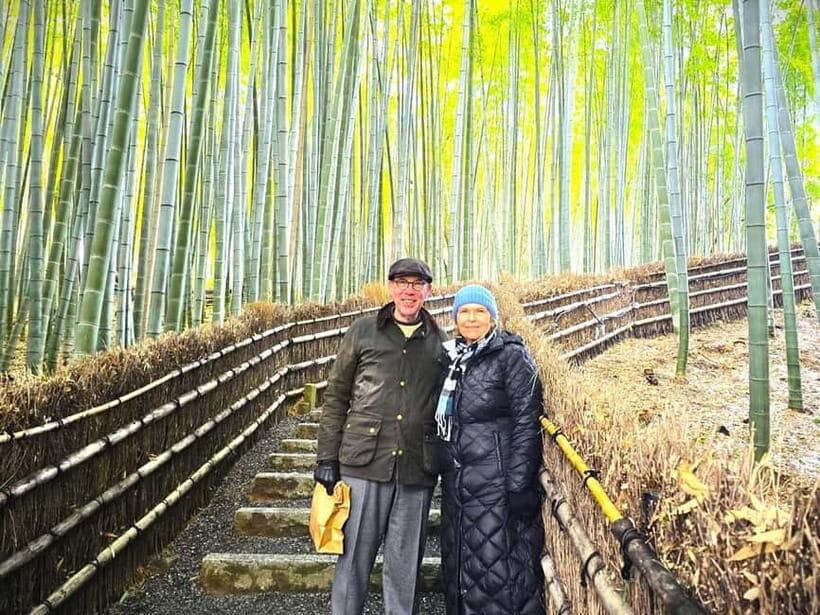
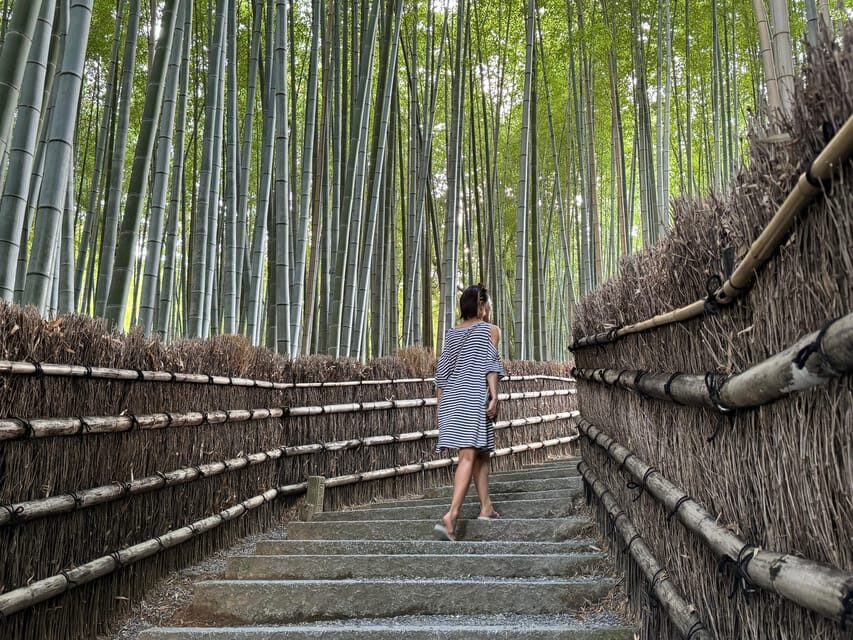
- Bamboo forest photo stop: get the shot, then get your time back
- Otagi Nenbutsu-ji: 1,200 whimsical statues that feel like a secret joke
- Adashino Nenbutsu-ji: 8,000 stone images and pagodas
- Saga Toriimoto preserved street: old houses, small shops, and a slower rhythm
- Seiryoji Temple and the Okusaga/Arashiyama story that ties it together
- Price and value: is $83 for 4 hours worth it?
- Who this tour suits best (and who should skip it)
- Should you book this Arashiyama quieter-route tour?
- FAQ
- FAQ
- Where do I meet the guide?
- How long is the tour?
- What’s included in the price?
- What isn’t included?
- What language is the tour guide?
- What should I bring?
- Is smoking allowed during the tour?
- Is the tour suitable for wheelchair users or limited mobility?
Key moments you shouldn’t miss
- Togetsu Bridge + Arashiyama Park observatory for big-picture views with breathing room
- Bamboo forest photo stop that keeps your time efficient
- Otagi Nenbutsu-ji and its 1,200 whimsical statues
- Adashino Nenbutsu-ji with 8,000 stone images and pagodas
- Saga Toriimoto preserved street plus small local shops (cocoon dolls and washi paper)
- A guide’s Okusaga/Arashiyama story connecting the stops into one route
Kyoto’s Arashiyama, but calmer: what this tour changes
Arashiyama is popular for a reason. You’ve got the river, the bridge, and those iconic bamboo views that practically sell the word Kyoto by themselves. The problem is timing and crowd gravity: the center can feel like one long queue.
This tour helps you sidestep that. Instead of aiming for only the headline spots, you balance the famous photos with smaller, weirder, more personal places where the atmosphere shifts. You’ll walk sections where the streets feel more lived-in, and you’ll spend meaningful time at temples that reward slow looking.
You also get a guide guiding the day, not just showing up with a map. The talk about Okusaga and how Arashiyama developed around Buddhist practice makes the oddball details click. Those 1,200 little statues and the 8,000 stone figures stop being random weirdness and start making sense.
A few more Kyoto tours and experiences worth a look


Meeting at Saga Arashiyama Station and setting your pace
You meet at the ticket gate at Saga Arashiyama Station, with your guide holding a yellow DeepExperience sign. That matters because it’s the easiest way to start cleanly—no guessing which street, no scrambling, no wasting the first part of your time.
From there, the plan is straightforward: bridge first, then viewpoints, then temples, then the preserved-street walk. The whole tour lasts 4 hours, which is long enough to feel like you did more than the quick photo loop, but not so long you’ll be physically crushed.
Wear comfortable walking shoes. This isn’t a museum shuttle where everything is flat and timed to the minute. Temple grounds and older streets can be uneven, and you’ll walk on and off curbs and small changes in surface.
Togetsu Bridge and Arashiyama Park observatory: the “wow” start without the chaos
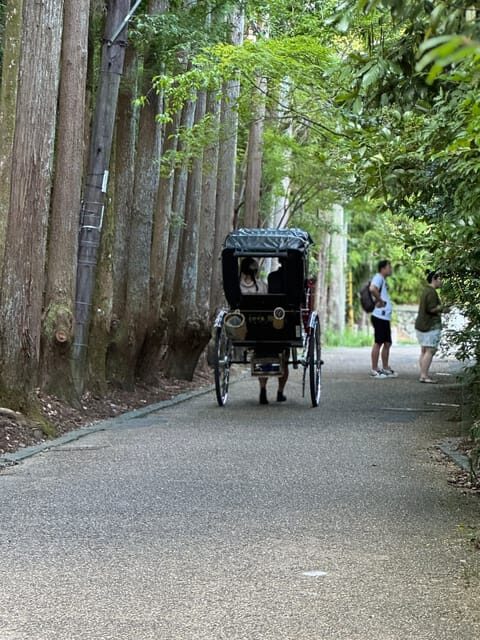
The day’s first big hit is Togetsu-kyo Bridge. It’s a classic Kyoto scene: river views, bridge lines, and that sense of “yes, this really is the place.” Even if you’ve seen photos online, it lands differently when you’re standing there and the wind is moving through the gorge.
After the bridge, you head to the observatory at Arashiyama Park. That stop is smart because it gives you perspective. You’re not just looking at a single angle—you’re understanding the geography that makes Arashiyama look the way it does.
If crowds are your enemy, this is where the tour helps. You’re not spending your whole morning fighting for the best positions on the bridge. You get a quick but satisfying view, then move on.
Bamboo forest photo stop: get the shot, then get your time back
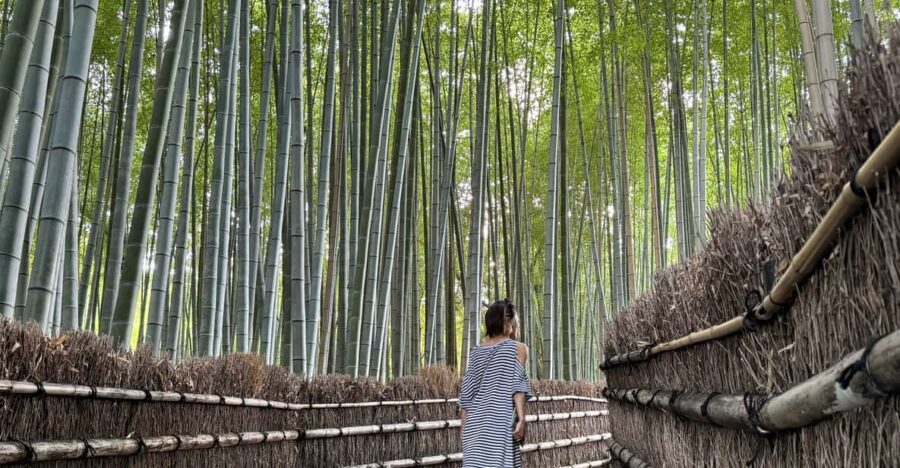
Yes, you’ll see the famous bamboo forest. You’ll also see something even more useful: a scheduled photo stop that keeps the visit from turning into a whole production.
The idea here is simple. You pause long enough to frame the shot you came for, then you don’t linger where foot traffic slows everyone down. You’ll have a chance for a picture in front of the bamboo, but the tour still pushes forward to the parts of Arashiyama that feel less staged.
Tip for your camera: think of your bamboo photo like a portrait. Pick one strong line, stand slightly off-center to reduce clutter, and shoot a couple angles fast. Then move on while the scene is still calm enough to enjoy.
Bring water. Not because you’ll be sprinting, but because four hours of Kyoto walking adds up, especially when you’re outside and the light changes.
Otagi Nenbutsu-ji: 1,200 whimsical statues that feel like a secret joke
Most Arashiyama itineraries treat temples like checkboxes. This one treats Otagi Nenbutsu-ji Temple like a destination.
You’ll spend about 30 minutes here, which is perfect. Long enough to wander the grounds and notice that the statues aren’t just “there.” They’re different—pose, expression, and character. The collection is famous for being around 1,200 unique, whimsical stone figures, and you’ll likely find yourself doing that slow head-tilt look: which one is the most unusual, and why?
What I love about this stop is the emotional shift. After rivers and bridges and bamboo shots, the temple feels quiet but playful. It’s Buddhist devotion expressed through human quirks—so instead of feeling solemn all the time, you get a strange, warm weirdness.
Potential drawback: it’s a photo-friendly place. If your priority is photos over staring, plan your shots quickly so you don’t rush past the details that make the statues worth your time. A comfortable pace matters here.



Adashino Nenbutsu-ji: 8,000 stone images and pagodas
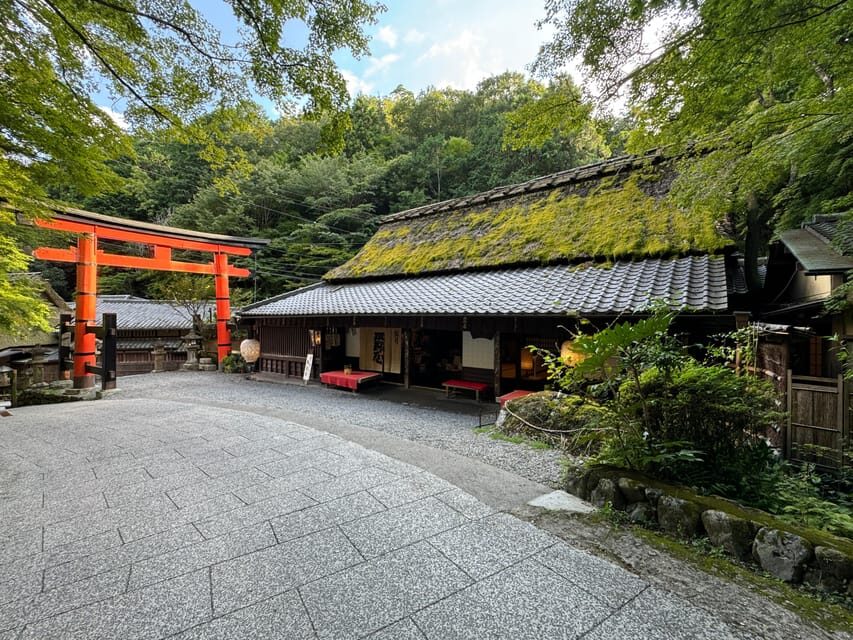
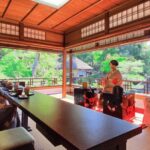
Then comes the stop that changes the tone of the whole day: Adashino Nenbutsu-ji Temple.
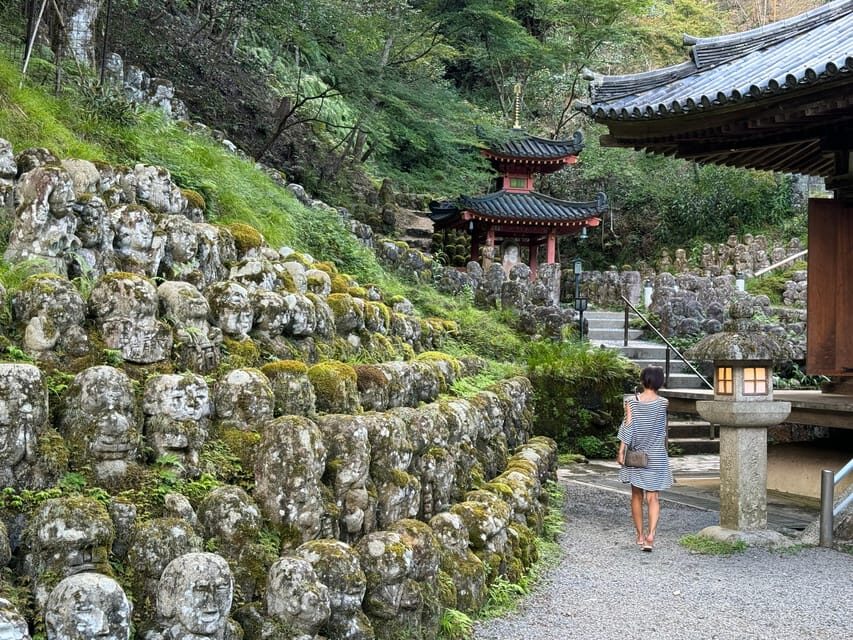
Here you’re looking at 8,000 stone images and pagodas. That scale can feel abstract at first. You might think, okay, I see lots of stones. But once you slow down, the density becomes the point—the way repetition builds atmosphere, the way tiny differences show up when you stop trying to “finish” the scene.
You’ll also spend around 30 minutes. That’s enough time to walk the main areas, read the setting with your eyes, and not feel like you were herded through. This is one of those stops where the guide’s explanation helps a lot. The earlier conversation about Okusaga and Arashiyama prepares you to connect these stones to the religious world they come from.
Practical note: this is a walking-and-standing stop. You’ll do best if you can handle outdoor temple paths and take a moment to pause at angles where the view opens up.
Saga Toriimoto preserved street: old houses, small shops, and a slower rhythm
After the temples, you shift from “big sights” to “everyday old Japan.”
You go through Saga Toriimoto preserved street, with a guided walk of about 30 minutes. This is the kind of street where you notice details that don’t fit into a postcard: the way houses sit close together, the texture of the lanes, the sense that life has been happening here for a long time.
On the way, you may pop into small local shops. The tour can include visits such as a cocoon dolls shop and a washi paper shop. Even if you don’t buy anything, watching how these places work gives you a real feel for local crafts and the small economy around Kyoto traditions.
One consideration: you’ll want to keep your hands free. Bring a small bag or crossbody, and don’t plan on carrying heavy souvenirs. (Food and drinks aren’t included, but the street vibe is good for a quick pause and a drink you’ve brought or pick up nearby—just note that the tour itself doesn’t include meals.)
Seiryoji Temple and the Okusaga/Arashiyama story that ties it together
The tour doesn’t just stack attractions. It connects them with what your guide shares about Okusaga and Arashiyama’s history. That thread is especially helpful when you reach Seiryoji Temple for about 15 minutes.
This is a shorter stop, but it works as a pacing tool. You’ve had the large emotional hit of the 8,000 stone images and the visual play of Otagi. Seiryoji gives you a final moment to reset before you head back.
This is where the tour earns its “avoid the crowds” promise in a more meaningful way. It’s not only that you’re walking away from busy streets. It’s that you’re seeing Arashiyama in a sequence that makes the spiritual geography feel coherent.
If you like tours that explain what you’re looking at—without turning it into a lecture—this style tends to work well.
Price and value: is $83 for 4 hours worth it?
At $83 per person for about 4 hours, this isn’t a budget “just take me there” ride. But it also isn’t priced like a luxury private guide day. The value comes from three areas you actually feel:
First, you get a guide for the full walk. That’s what turns Arashiyama from a photo checklist into a narrative you can remember.
Second, the tour includes admission to Otagi Nenbutsuji Temple and Adashino Nenbutsuji Temple. Temple fees add up fast in Japan once you start stacking stops.
Third, the schedule mixes iconic views with time in places that most short Arashiyama visits skip. Two temples plus a preserved street walk is a solid amount of variety for a half-day.
Where it might not feel worth it: if your only goal is the bamboo forest and a single bridge photo, you could probably stitch together a cheaper self-guided outing. But if you want the quiet corners, the unusual statues, and a guide who keeps the route flowing, the price starts to make sense.
Who this tour suits best (and who should skip it)
This tour is ideal if you:
- Want Arashiyama’s famous sights but prefer fewer crowd headaches
- Like temples and enjoy walking slowly enough to notice details
- Appreciate a guide who explains the meaning behind what you’re seeing
- Would rather do one smart route than three separate stops
It’s not a great fit if you:
- Need wheelchair access or mobility accommodations (it’s listed as not suitable for people with mobility impairments and wheelchair users)
- Want very short walking sections or minimal uneven surfaces
If you’re planning Kyoto in a day-by-day itinerary, this tour is also a nice “breathing space” moment. It’s a half-day that doesn’t feel like you’re rushing to the next bullet point.
Should you book this Arashiyama quieter-route tour?
If you want Arashiyama with fewer crowd stares and more time for actual looking, I’d book it. The combination of Togetsu Bridge, a bamboo photo stop, and the two very different temple experiences (playful 1,200 statues, then haunting 8,000 stone images) makes the day feel full without being chaotic.
Choose it especially if you care about context. The Okusaga and Arashiyama history your guide shares gives you an easy way to understand why those temples exist and why their details matter.
Skip it if you’re only in it for the bamboo and the bridge. In that case, you’ll probably spend most of your time waiting for what you don’t care about. For everything else—when you want a route that feels like Kyoto, not like a line—you’ll likely be glad you went.
FAQ
FAQ
Where do I meet the guide?
Meet your guide in front of the ticket gate at Saga Arashiyama Station. The guide will be holding a yellow sign with the DeepExperience logo.
How long is the tour?
The tour lasts 4 hours.
What’s included in the price?
The price includes a local guide, admission to Otagi Nenbutsuji Temple, and admission to Adashino Nenbutsuji Temple.
What isn’t included?
Food and drinks are not included, and souvenirs are also not included.
What language is the tour guide?
The live tour guide is available in English and Japanese.
What should I bring?
Bring comfortable shoes, a camera, and water.
Is smoking allowed during the tour?
Smoking is not allowed.
Is the tour suitable for wheelchair users or limited mobility?
No. It’s listed as not suitable for people with mobility impairments and wheelchair users.