Kyoto feels like a puzzle with the pieces mixed on purpose. This private tour helps you put the day together the way you want, not the way a fixed bus route demands. I like the custom itinerary part most, because you can steer toward temples, quiet streets, or geisha-area sights. I also love that the guide brings practical local context so the places make sense as you walk. One thing to consider: you still need decent walking stamina for a 5-hour route, and paid-temple entries are not included.
I’ve seen Kyoto from the viewpoint of a crowded group. This version is calmer because it’s just your party, up to six people, with a local host who adjusts in real time. Guides on this tour have stood out for being patient and flexible, and names like Alejandra, Laura, Maya, and Milo come up for a reason: they focus on what your group cares about, not a checklist.
If you hate walking, or you’re hoping for a fully ticketed, transport-free day, plan ahead. You might use buses or subway depending on the route, and entrance fees can add up.
In This Review
- Key things to love about this Kyoto private tour
- How the day works: a flexible 5-hour route with pickup
- Price and logistics: where the costs really show up
- Stop 1: Fushimi Inari-taisha and the torii path
- Stop 2: Kiyomizu-dera and the Higashiyama lanes
- Stop 3: Yasaka Shrine at the edge of Gion
- Stop 4: Gion and the streets around Hanami-koji
- Stop 5: Arashiyama and the bamboo grove mood
- What makes the guide matter more than you think
- Who this tour suits best
- Practical tips before you book
- Should you book this Kyoto private tour?
- FAQ
- Is this tour private or shared?
- How long is the Kyoto tour?
- What time does the tour start?
- Are entrance fees included?
- Do I need to pay for transportation?
- What happens if the weather is bad?
Key things to love about this Kyoto private tour
- Private group up to 6 means you’re not stuck waiting for other people
- Customized route lets you choose more temple time or more street-level wandering
- Hotel pickup helps you start on time without transit stress
- A guide who connects the dots so iconic sites feel less like postcards
- Flexible pacing works well for families and slower walkers when needed
- Good-weather sensitive planning keeps your day from getting wrecked by rain
How the day works: a flexible 5-hour route with pickup
This tour runs about 5 hours and starts at 10:00 am. You get pickup from your hotel or accommodation, which is a big deal in Kyoto where directions can look simple on a map and then turn into a maze on foot.
It’s a walking tour at heart, but it’s not necessarily wall-to-wall walking. Transportation like bus and subway may be used depending on how your guide builds the day, and that part costs extra (listed as $5.00 per person). If you want more walking, say so. If you want fewer hills and quicker connections, also say so. This tour is built to match how you move.
The price is $293.19 per group for up to 6 people. If you split it evenly, you’re looking at roughly $49 per person at the max group size. That can feel like good value compared with paying for separate guided tours or trying to DIY with inefficient transit and long lines. The big cost items you should budget for are entrance fees for paid stops and any transport used.
One more practical note: confirmation happens at booking time, and the tour uses a mobile ticket. Service animals are allowed, and it’s generally manageable for most people.
Other private tours in Kyoto


Price and logistics: where the costs really show up
Here’s what’s covered: the guide for about 5 hours, the fact that it’s completely private, and pickup at your place. What’s not included: entrance fees for paid venues (listed at $8.00 per person) and transportation when used.
That setup matters because Kyoto can be spendy if you show up expecting every site to be free. In your day, some places are free (like Fushimi Inari and Yasaka Shrine), while at least one major temple stop is not included. You’ll want to treat that $8 per person figure as a real planning number, not a vague estimate.
Weather is another limiter. The experience requires good weather, and if it gets canceled due to poor weather, you’ll be offered a different date or a full refund. That matters in Kyoto because weather can flip quickly. If your trip has only one day you can rearrange, keep that in mind.
Lastly, this is booked about 54 days in advance on average. If you’re traveling during peak seasons or you want a specific start day, booking earlier than you think helps.
Stop 1: Fushimi Inari-taisha and the torii path
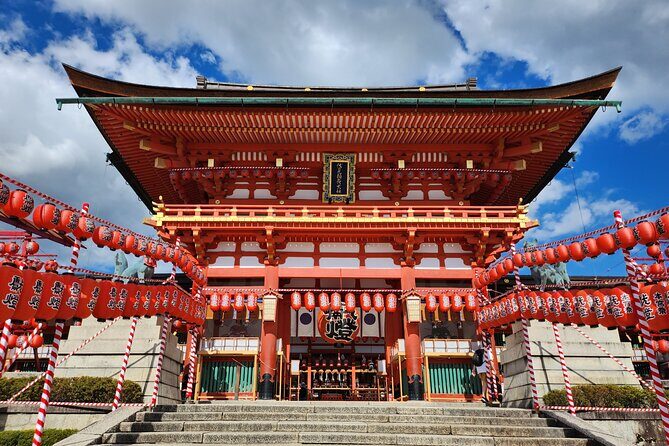
Your day kicks off at Fushimi Inari-taisha Shrine. This is the Kyoto sight people recognize instantly: thousands of red torii gates marching up a hillside. The best part is how it doesn’t stay one level. Even if you go partway up, you get a sense of the scale and the views start to open up.
It’s also a great early stop because it’s free and you can slip into the flow before the day gets heavier. Time on site is about 1 hour 10 minutes, which is enough for the classic gate tunnel experience plus a bit of wandering without rushing.
A guide’s value here is in the details. Inari is tied to fox imagery and guardian figures. You’ll often spot fox statues and sculpted guardians, and a good host can explain what those symbols mean and why the shrine feels so alive. Without that context, it’s easy to treat the place like an Instagram line. With context, it becomes a story you can walk through.
Possible drawback: it can still feel busy even when you go early. And if you’re not into climbing stairs, the torii path includes some uneven, steeper sections. Tell your guide your comfort level. You can still get plenty of magic without going all the way.
Stop 2: Kiyomizu-dera and the Higashiyama lanes
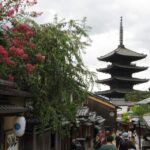
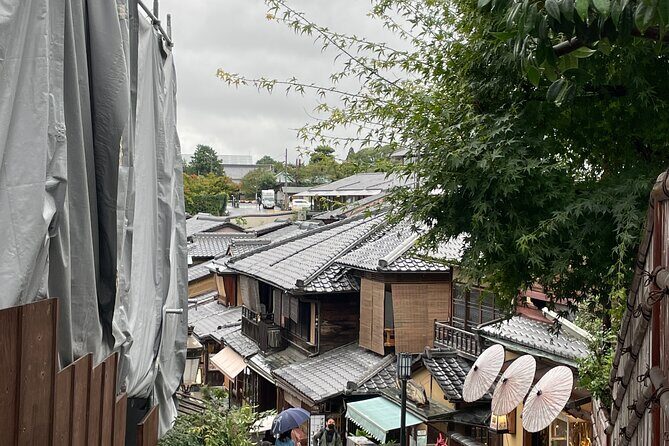
Next up is Kiyomizu-dera Temple, typically paired with time in Higashiyama. You’ll spend about 1 hour here, and admission is not included, so budget for that temple entry. Kiyomizu-dera is one of those places where the main hall is only half the experience. The other half is the approach: narrow lanes, traditional wooden buildings, and the small shops and cafes along the way.
Why this stop works in a private format: your guide can time the walk so you’re not stuck moving with the biggest crowds at the worst moment. They can also point out what to look for as you move through the lanes, which changes the mood fast. Higashiyama feels different depending on lighting, noise levels, and how long you linger.
Possible drawback: Kiyomizu-dera is famous for a reason, so it can be crowded. If you hate crowds, ask your guide to build in more side-lane time rather than only the main viewpoint queue. The temple itself is still a highlight, but you can shape the experience around your comfort.
Stop 3: Yasaka Shrine at the edge of Gion
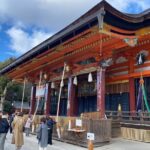
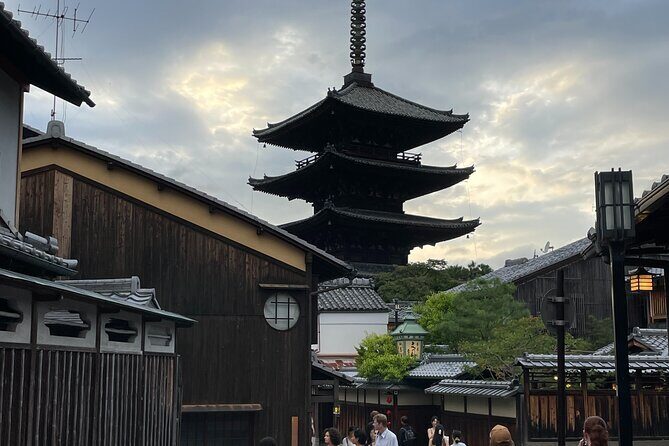
After that, you’ll visit Yasaka Shrine, about 30 minutes, and admission is free. Yasaka Shrine sits near the Gion area and has long ties to Kyoto’s festival culture. It’s especially known for the Gion Matsuri in summer, which can feel like a ghost story you can hear in the background of everyday street life.
This stop is a nice balance point. It breaks up the heavier landmark energy of the first temple with a more grounded, local feel. If you like small shrines and symbolic details, this is where a guide can really pay off. You’ll understand why the shrine matters to the neighborhood that surrounds it.
Possible drawback: if your group wants only big-photo attractions, 30 minutes can feel short. If you want cultural context, short shrine time is often the right call. It keeps you moving so you still have energy for the Gion streets afterward.






Stop 4: Gion and the streets around Hanami-koji
Then it’s time for Gion, Kyoto’s famous geisha district. You’ll spend about 1 hour walking through classic streets, including Hanami-koji and the Shimbashi area. This is where Kyoto starts to feel like an open-air stage: traditional wooden houses, upscale restaurants, cafes, and tea houses clustered around small lanes.
In a private tour, the difference is subtle but real. You’re not just flowing past storefronts. You have time to pause, ask questions, and choose whether you want to be on the main streets or take a quieter route through side streets. Guides like Alejandra and Laura have been praised for taking people to places you might miss on your own, and Gion is exactly the kind of area where that matters.
A practical tip: some parts can be busy, especially around the most photographed lanes. If you prefer less crowd pressure, tell your guide early. They can adjust your route while still keeping you near the highlights.
Possible drawback: this stop is not about one single monument. If you’re only interested in a checklist item, you might find Gion more atmospheric than directive. If you like streets, details, and the rhythm of a neighborhood, you’ll likely enjoy it more.
Stop 5: Arashiyama and the bamboo grove mood
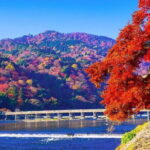
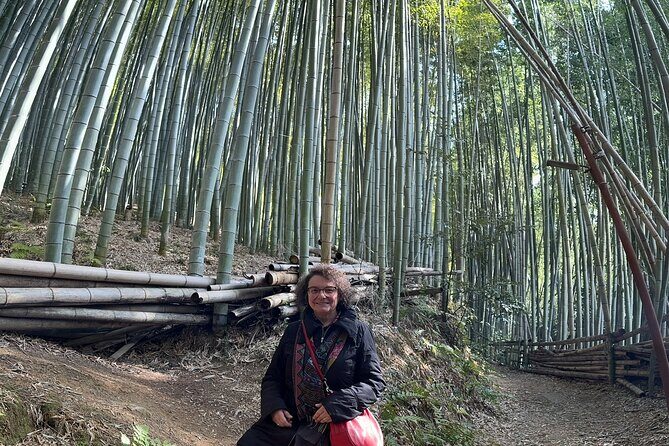
To close out the day, you head to Arashiyama on Kyoto’s west side, with about 1 hour 10 minutes scheduled. The star of the show is the bamboo grove path through Sagano village. Even without trying, you’ll notice how the light filters through the bamboo. It creates a shifting pattern on the ground that feels almost theatrical.
This is the kind of place where a private guide changes the experience. You don’t just walk the line. You get help with timing, where to stand for the best views, and what to notice as the sounds of the crowd rise and fall around you. Some guides also help with practical things like photo timing, so you’re not constantly adjusting your camera while walking.
Possible drawback: Arashiyama can be popular and crowded. It’s still beautiful, but if you want a calmer version, you need a smart route and willingness to adjust. This tour’s flexibility is a real advantage here.
What makes the guide matter more than you think
Kyoto is complicated. Even when the big sights are famous, the meaning behind them can get lost. That’s where the guides reported here make the biggest impression.
Names like Maya, Milo, Laura, and Alejandra show up in a way that points to consistent strengths: thoughtful planning ahead of time, patience with family needs, and smart adjustments during the walk. Some guides also focus on the quiet, reflective side of temple visits, including moments to slow down in gardens or calm spaces. If your group likes that gentle rhythm, you’ll probably appreciate how the tour balances movement with breathing room.
The other thing I’d emphasize is how guides shape your day so you’re not stuck doing the same route every visitor does. You can tell them what you care about, and you’ll get a version of Kyoto that feels personal instead of packaged.
Who this tour suits best
This is a strong choice if you want:
- A tailored day with iconic Kyoto spots plus extra time where you care most
- A private guide who can adjust on the fly if your group is slower, faster, or more curious
- A mix of big landmarks and neighborhood walking instead of only mega-sights
It’s especially good for families. Several guides were praised for handling group needs with patience and flexibility. It can also work well for couples who want a calmer experience without splitting attention between too many self-directed stops.
If you’re a hardcore architect or art specialist, you may still want extra time, since five hours is a lot but not enough to go deep everywhere. But for most people, it hits a sweet spot: major highlights plus a guiding hand to connect them.
Practical tips before you book
1) Decide your priorities before the pickup
If you care most about shrines, say it. If you want more streets and less climbing, say that too. The tour is customizable, so your input affects the feel of the day.
2) Plan for paid temple time
Not all stops are free. You should budget around the listed $8 per person entrance fees for paid venues, plus any transport if your route uses subway or bus.
3) Wear shoes you can walk in
You’ll move through shrines and neighborhood lanes with stairs and uneven sidewalks. Comfort matters more than style.
4) Bring a little weather flexibility
Since the experience requires good weather, have at least one alternate day in mind. Kyoto can surprise you with rain.
Should you book this Kyoto private tour?
I’d book this tour if you want a guided Kyoto day that feels like yours, not a pre-set scramble. The value is strongest when your group includes up to six people, because you get private attention without paying solo-guide pricing. It’s also a good choice when you’d rather spend your energy enjoying the streets than figuring out routing, timing, and what to prioritize.
Skip it or rethink your plan if you’re looking for a completely ticket-included package, or if your group struggles with lots of walking. Also, if you only want one or two big sights and nothing else, you might feel that five hours is too much time for a broad route.
If you do book, the best move is simple: message your preferences early and be specific about how you want the day to feel. A guide can’t read your mind, but they can absolutely build a better Kyoto day when you give them good signals—like how much temple time you want, whether you prefer quieter lanes, and what kind of stories you enjoy hearing as you walk.
FAQ
Is this tour private or shared?
This is a private tour/activity. Only your group will participate.
How long is the Kyoto tour?
The duration is about 5 hours.
What time does the tour start?
The start time is 10:00 am.
Are entrance fees included?
Entrance fees for paid venues are not included. The listed additional cost is $8.00 per person for entrance fees if you visit paid sites.
Do I need to pay for transportation?
Transportation (bus and subway when used) is not included. The listed additional cost is $5.00 per person.
What happens if the weather is bad?
The experience requires good weather. If it’s canceled due to poor weather, you’ll be offered a different date or a full refund.