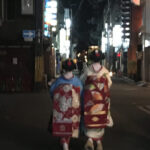
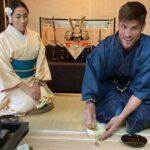
Kyomai dance is Kyoto in miniature. This is a compact culture stop that pairs the Gion Kagai Art Museum with a live Kyomai performance by geiko or maiko, so you get the vibe fast without wasting time. I like that the package includes admission and the show (no separate ticket hunt), and I like how close you can get for the dance. One heads-up: the performance is short, so if you’re craving a long spectacle, it may feel like a brief taste.
Afterward, you can linger through exhibits focused on Kagai art culture, including elaborate kimono and accessories connected to seasonal looks and maiko life. It’s also a calm break inside a place with garden views, which helps if your Kyoto days are sprint-paced. The main consideration is that the dance itself has photo rules, so plan for that if you want pictures.
In This Review
- Key Things I’d Not Miss
- Kyomai in Gion: A Fast, Practical Way to Experience Geiko and Maiko Culture
- From Gion Kobu Kaburenjo Theater: Why the Show Feels Special
- Inside the Gion Kagai Art Museum: Kimono Craft You Can Actually Read
- The Kyomai Dance Moment: Inoue Style, Maiko or Geiko, Two Songs
- Photo Rules and Shoe-Off Reality Check
- Timing in Kyoto: Where This Fits Best
- Price and Value: Is $20 a Good Deal for Kyomai?
- Who This Experience Is For (and Who Might Skip It)
- Should You Book Kyomai Dance and Visits of the Gion Kagai Art Museum?
- FAQ
- How long is the Kyomai dance performance?
- What’s included in the price?
- Is this a mobile ticket?
- Can I take photos during the dance?
- How much does the optional photo session cost?
- Where does the experience start?
- Is there a limit on group size?
- Is free cancellation available?
Key Things I’d Not Miss
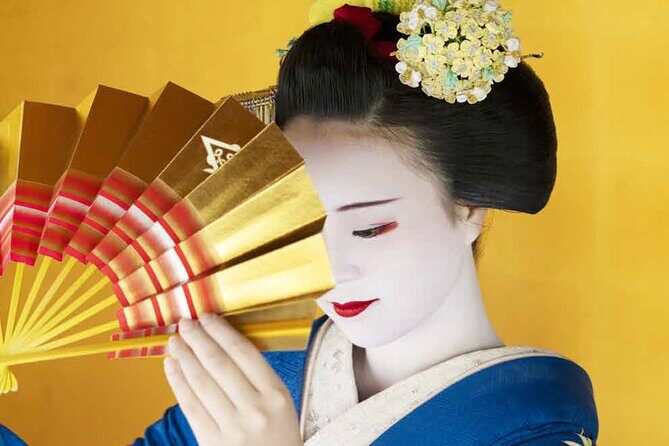
- Included admission + live Kyomai performance: you show up and you’re taken care of.
- Inoue-style Kyomai dance, about 15 minutes (2 songs): short, focused, and easy to fit early in your trip.
- Permanent Kagai art culture exhibits: think yuzen kimono, Nishijin brocade obi sashes, kanzashi hair ornaments, and maiko makeup items.
- Small group size (max 25): more elbow room and easier sightlines.
- Photo policy for the dance: regular photos aren’t allowed, but there’s an optional photo session (2,000 yen per group, max 5 people).
- Shoes off before entering: common in Japanese cultural venues, but it catches people off guard.
Kyomai in Gion: A Fast, Practical Way to Experience Geiko and Maiko Culture
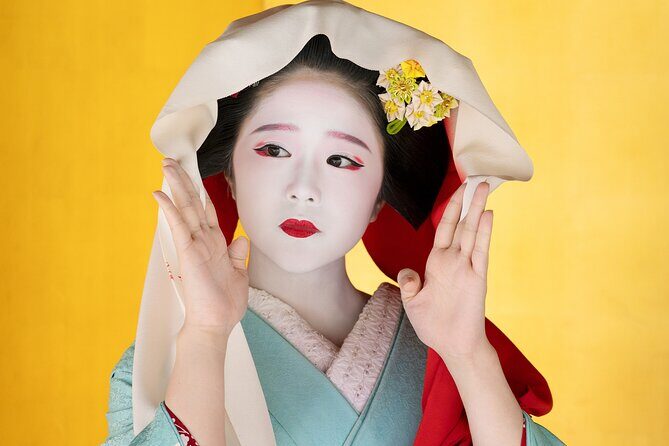
If you’re in Kyoto for the temples and the views, you can still make time for geiko and maiko culture without committing to a late-night program. This experience is built around one clear idea: give you a live Kyomai dance moment plus museum context, in about 20 minutes total (with the dance itself around 15 minutes).
I like how the structure respects your time. You’re not stuck hunting tickets or waiting around. You’re getting a show and then being allowed to slow down with exhibits that explain what you just saw.
And because it’s in Gion’s Kagai district area, it feels like you’re stepping into the right setting. This isn’t just a performance placed on top of something else. It’s housed in a museum built specifically for visitors to understand the world of geiko and maiko.
A few more Kyoto tours and experiences worth a look


From Gion Kobu Kaburenjo Theater: Why the Show Feels Special
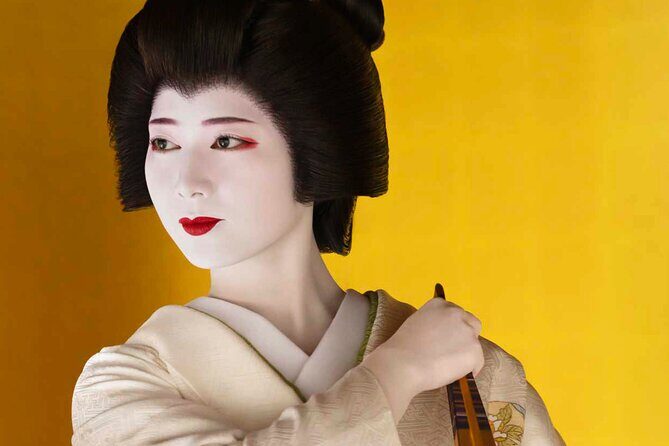
Your evening starts at Gion Kagai Art Museum (Yasaka club), 570-2 Gionmachi Minamigawa, Higashiyama Ward. From there, you’ll move into the theater space where the Kyomai moment happens at Gion Kobu Kaburenjo Theater.
The vibe matters here. The performance is staged in an atmospheric banquet-room style setting, which helps the show feel intimate instead of like you’re watching from far away in a big hall. That’s a big deal for a dance experience—small changes in spacing and lighting can make the choreography feel more “in the room” with you.
Also, this show is described as part of a tradition that’s been passed along for centuries in the Gion Kobu quarter. Even if you only know the basics (geiko vs maiko), you’ll feel the intentionality in the way the evening is set up—no rushing, no confusing pacing.
One practical point: this kind of cultural venue often has strict rules about behavior and movement. In other words, it’s best to treat it like a performance, not a casual walk-in show.
Inside the Gion Kagai Art Museum: Kimono Craft You Can Actually Read
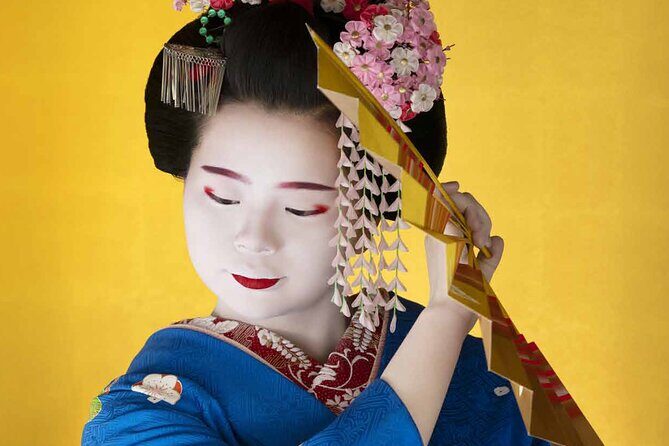
The museum stop is not filler. It’s where the experience becomes more meaningful, because you’re not just watching dance movements—you’re seeing what the culture looks like up close.
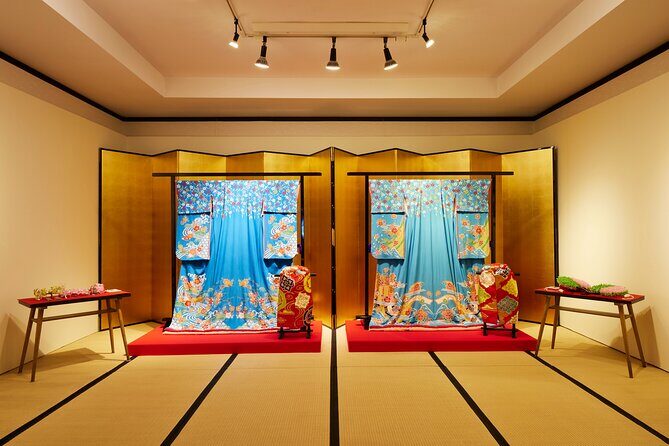
The permanent exhibits introduce Kagai art culture through a mix of objects:
- Hand-painted yuzen kimono
- Nishijin brocade obi sashes
- Seasonal kanzashi (hair ornaments)
- Personal belongings and maiko makeup items
- Formal kimono items that are rarely seen in the Gion quarter
Even if you don’t read Japanese fluently, you can still learn a lot by looking carefully. Kimono design is full of tiny decisions—pattern, placement, materials, and seasonal references. When you see those details in a museum context, the dance doesn’t feel random. It starts to look like choreography that’s part of a larger visual world.
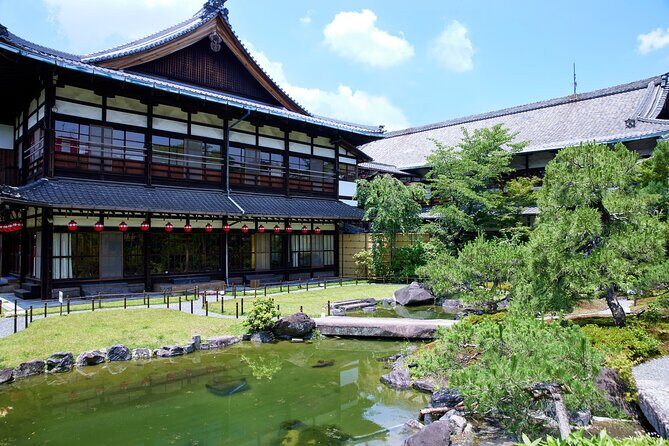
And yes, there’s also time to wander. Some people treat this as a quick stop, but if you enjoy craftsmanship and textiles, it’s worth spending a few extra minutes here. The museum grounds include a garden view, which is a nice reset after Kyoto’s busy streets.
The Kyomai Dance Moment: Inoue Style, Maiko or Geiko, Two Songs
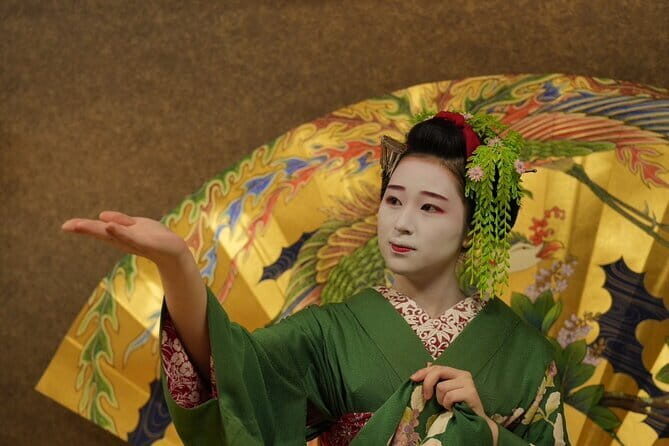
Now the reason many people book this: Kyomai, the Kyoto Mai dance performance by a geiko or maiko.
The performance is described as about 15 minutes, featuring two songs. That timing is a sweet spot for most visitors. You get a complete moment without needing to reorganize the rest of your day around a long event.
You’ll see Kyomai performed in the Inoue style. That detail matters because dance styles aren’t generic. They carry patterns—arm shapes, footwork, timing, and how gestures land in front of the audience.
The “up close” aspect is also part of why people recommend this experience. Because the show accommodates small groups (with a maximum group size of 25), sightlines are usually better than in big-scale ticketed theaters. The intent is to let you watch carefully, not just glance.
One more thing: the dance performance is connected to what’s in the museum exhibits. You’re not going in blind—you’re more likely to notice the visual cues in costumes and accessories because you’ve had at least some time to look around first.
Photo Rules and Shoe-Off Reality Check
Two practical notes that can make your visit smoother:
1) Photos of the dance aren’t allowed.
There’s an option to purchase a photo session: 2,000 yen per group, with a max of 5 people. If photography is important to you, consider budgeting for that add-on when planning your evening.
2) Shoes must come off before entering the building.
This is a common Kyoto museum/theater rule, but it still surprises people. Wear shoes that are easy to slip off and on quickly.
If you’re traveling with kids, this is a good place to set expectations early: quiet viewing matters. Keep conversations low during the performance so you don’t end up spending the show thinking about your own behavior instead of watching the dance.
Other practical details from the experience info:
- It uses a mobile ticket
- Service animals are allowed
- It’s near public transportation
- You’ll have a small group (max 25)
Other museum experiences in Kyoto





Timing in Kyoto: Where This Fits Best
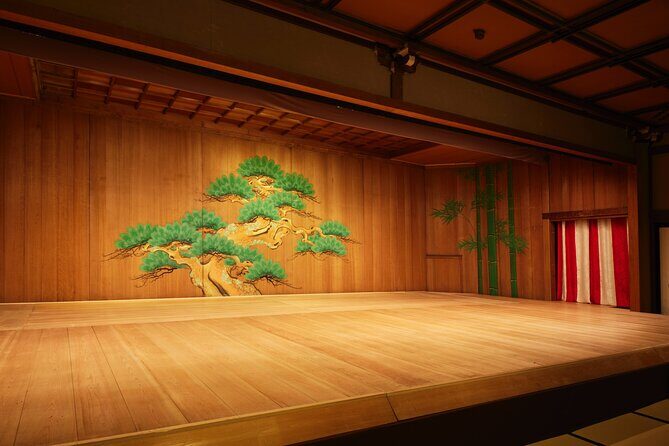
Because the show is short, this is great for your first night in Kyoto or for any afternoon where you want a cultural evening without sacrificing dinner plans.
Think of it like a high-value “starter course.” You get a live performance moment plus museum context. Then you’re free to explore Gion streets, grab food, and keep your schedule flexible.
If you’re trying to do multiple Kyoto highlights in one day, the short duration is a gift. You’re not committing to a half-day ticketed event. You can slot this in early and still have energy for evening wandering.
If you want the best experience, consider pairing it with time to browse the museum exhibits rather than rushing straight through. The museum objects help you interpret what you’re seeing during Kyomai.
Price and Value: Is $20 a Good Deal for Kyomai?
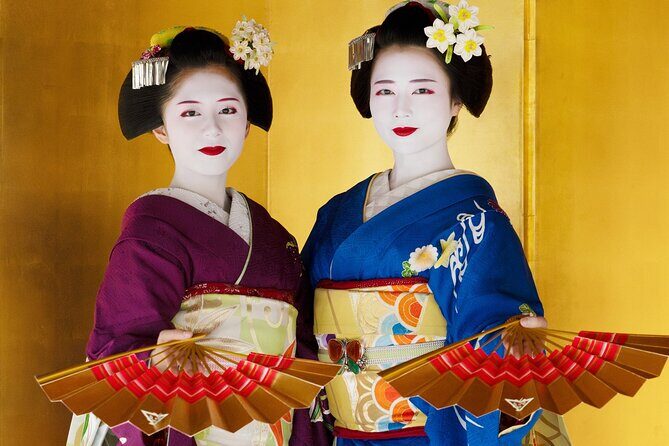
At about $20, this experience stands out because it bundles the two things many people are paying for separately: museum admission plus a live dance performance.
The value logic is simple:
- You get access to a museum focused on Kagai culture
- You get a live Kyomai dance by geiko or maiko
- You get a format designed to be time-efficient
The optional cost is the photo session (2,000 yen per group). If you skip photos, you’re likely to keep the expense close to the base price.
Also, the package’s setup helps reduce friction. When a tour includes admission and performance together, you don’t waste energy lining up for separate entry points or trying to coordinate timing on your own.
Who This Experience Is For (and Who Might Skip It)
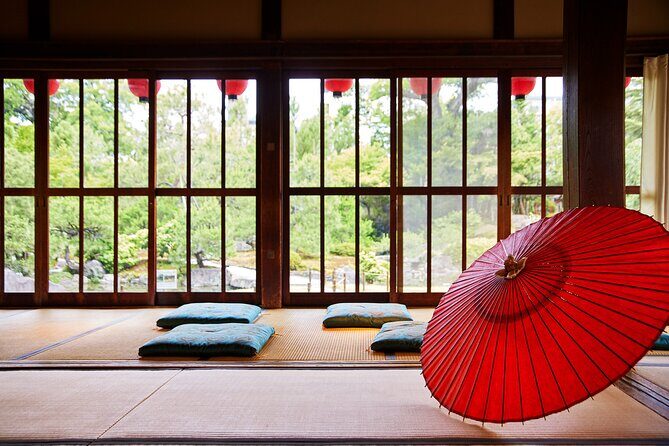
This is ideal for:
- First-timers who want geiko/maiko culture without a huge nighttime commitment
- People who like structured cultural stops with context (museum exhibits matter here)
- Visitors who want a show that’s short, readable, and close-up
- Families who can manage calm indoor behavior during the performance (especially since there’s museum time and garden space)
You might consider a different option if:
- You want a long performance lasting an hour-plus
- You’re hoping for an experience built around extensive guided narration (this is more built around museum viewing and the Kyomai dance moment)
- You strongly prioritize taking photos during the dance, since photography isn’t allowed and you’d need the optional photo session
Should You Book Kyomai Dance and Visits of the Gion Kagai Art Museum?
Yes—if you want a simple, efficient way to experience Kyomai dance alongside real Kagai art culture context, this is a strong bet for the money. The format is well-matched to short attention spans and busy Kyoto days: live dance now, museum understanding right after.
Book it especially if it’s your first Kyoto trip or your first time in the Gion area. The show length keeps your schedule flexible, and the museum exhibits give you something to look at that deepens what you just saw.
Skip it or adjust expectations if you’re expecting a long, photo-heavy performance. This is a cultural stop that asks you to watch carefully and respect the rules—exactly the kind of experience that feels better when you’re not multitasking.
FAQ
How long is the Kyomai dance performance?
The performance is approximately 15 minutes and includes two songs. The overall activity time is listed at about 20 minutes.
What’s included in the price?
Admission and the dance performance are included, along with all fees and taxes. A photo session is not included.
Is this a mobile ticket?
Yes, this experience uses a mobile ticket.
Can I take photos during the dance?
Photos of the dance are not allowed. There is an optional photo session you can purchase.
How much does the optional photo session cost?
The photo session fee is 2,000 yen per group, with a maximum of 5 people.
Where does the experience start?
The meeting point is Gion Kagai Art Museum (Yasaka club), 570-2 Gionmachi Minamigawa, Higashiyama Ward, Kyoto, 605-0074, Japan.
Is there a limit on group size?
Yes. The maximum group size is listed as 25 travelers.
Is free cancellation available?
Yes. You can cancel for a full refund up to 24 hours before the experience starts.