One day in Kyoto can feel like three eras. This private highlights tour strings together the places that define the city’s look and mood: Gion’s old-street atmosphere, sacred stops like Yasaka Shrine, a Zen temple visit at Kennin-ji, local browsing at Nishiki Market, and the iconic walk under Fushimi Inari’s red torii.
Two things I especially like: first, the private format keeps the pace sane and lets you ask questions instead of just following the herd. Second, the guide experience can be very accommodating—Aki, for example, went out of her way to help with halal and vegetarian food needs during one tour. A possible drawback is that you’re on your feet through multiple neighborhoods, and Fushimi Inari in particular can mean a lot of walking for a one-day schedule.
In This Review
- Key highlights you should notice
- Getting Your Bearings in Kyoto: Pickup, Public Transit, and a Real 7-Hour Plan
- Gion After Lunch: Tea Houses, Old Streets, and the Most Kyoto Neighborhood Energy
- Yasaka Shrine and the Meaning of Gion San: Festival Roots Without Needing a Ticket
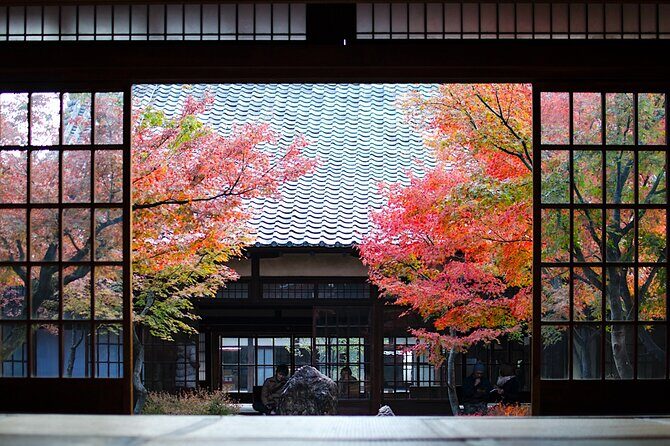
- Kennin-ji Temple: Zen Calm and Eisai’s Founding Story
- Nishiki Market: Kyoto Local Shopping, Seasonal Snacks, and Gifts That Mean Something
- Fushimi Inari-Taisha and the Thousand Torii Walk: Photos Are Great, But Pace Matters More
- Price and Value for a 7-Hour Private Day in Kyoto
- Who This Tour Fits Best (and Who Should Consider Another Plan)
- Should You Book This Kyoto Highlights Private Tour?
- FAQ
- FAQ
- How long is the Kyoto highlights private tour?
- What is the price per person?
- Is hotel pickup included?
- Where is the meeting point?
- Is this a private tour?
- Does the tour include public transportation?
- Are temple or shrine admission tickets included?
- Is food included in the tour price?
- What is the cancellation policy?
- Can the itinerary be changed to match my preferences?
Key highlights you should notice
- Private, English-speaking guide for a focused day across Kyoto’s most recognizable sights
- Pickup and drop-off (Kyoto City) plus public transportation support to reduce hassle
- Kennin-ji admission included while other major stops are free to enter
- Gion after lunch gives you a classic Kyoto street-and-teahouse vibe rather than just a quick drive-by
- Fushimi Inari’s torii walk where the thousands-of-gates layout turns photos into an actual walk-through experience
- Diet-friendly help is something you can request, and Aki’s effort shows how seriously the team takes it
Getting Your Bearings in Kyoto: Pickup, Public Transit, and a Real 7-Hour Plan
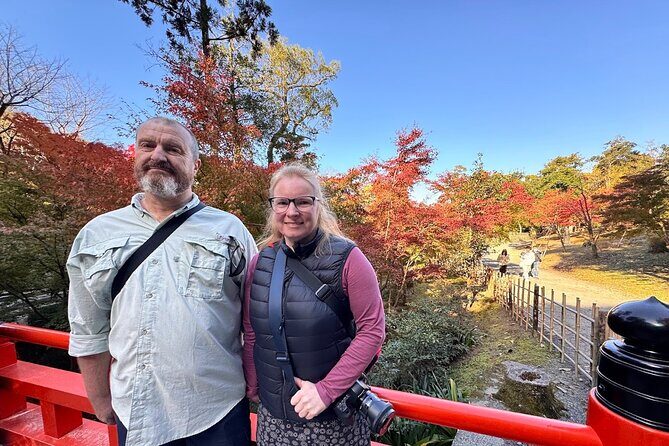
Kyoto has a way of making even short trips feel complicated. Neighborhood boundaries matter, streets turn, and the best sights aren’t clustered in one simple grid. What makes this day tour work is that it’s designed as a single, connected circuit—you move through Kyoto’s most famous areas without spending your whole day figuring out routes.
The tour lasts about 7 hours, and it includes hotel pickup and drop-off only within Kyoto City. If you’re staying outside that zone, you’ll start and end at the meeting point near Kyoto Station (Higashishiokoji Kamadonocho, Shimogyo Ward). In plain terms: it’s easier when you’re in the city center, and you don’t have to negotiate transfers on your own.
A mobile ticket is part of the setup, and you’ll use public transportation during the day. That matters because it keeps costs predictable and keeps you from getting stuck with taxi pricing when you want to jump between neighborhoods. Also, photos of tour participants are included, which is a small but practical perk if you don’t want to rely on strangers with your camera.
One more real-world note: this is a private tour (only your group), and the itinerary can be adjusted based on your wishes. That flexibility is useful when you want to slow down for street views in Gion or you need extra time around the torii at Fushimi Inari.
Other private tours in Kyoto

Gion After Lunch: Tea Houses, Old Streets, and the Most Kyoto Neighborhood Energy
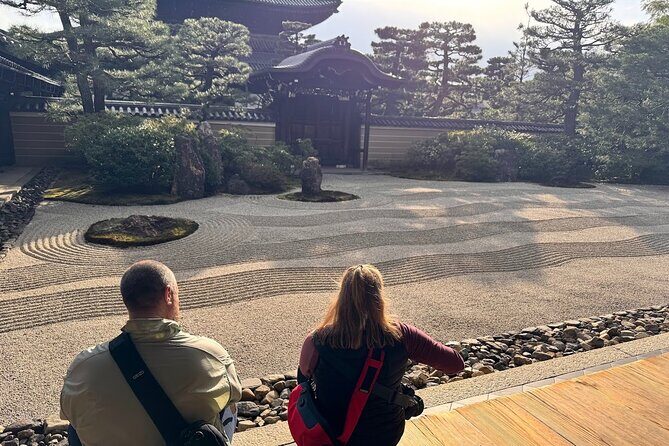
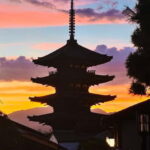
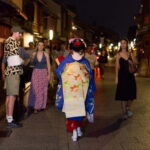
Gion is the Kyoto neighborhood people picture before they ever land. It’s where the city’s traditions feel visible, even to first-timers. For you, the value here is timing: you head to Gion after lunch, when the area often feels less like a hurried checklist and more like a real walk through a living district.
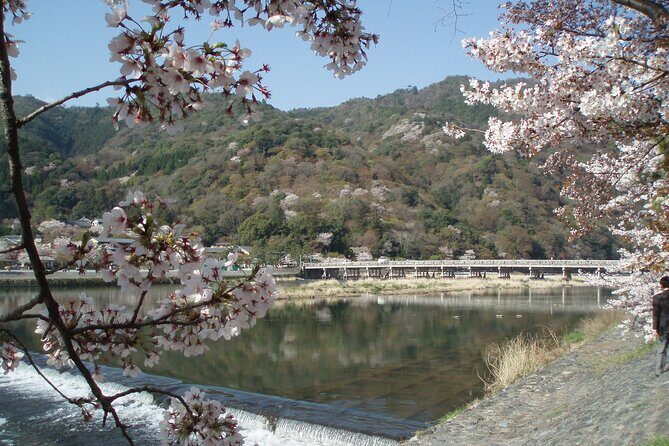
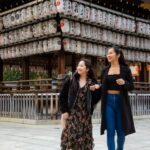
You’ll explore Gion stretching west of Yasaka Shrine and running north and south through the classic street lanes where cafes and tea houses line the way. The itinerary specifically mentions a cherry-blossom-lined path, which is a reminder that Gion’s atmosphere changes by season. Even if you’re not there during spring, the point stays the same: this is a place built for slow wandering—paper lantern vibes, side streets, and architecture you’ll miss if you only glance while walking past.
What to pay attention to on your walk:
- Look for small side alleys and entryways. In Gion, the interesting stuff often sits just off the main street.
- Pace yourself. You’re also going to other major stops, so treat Gion like a calm opening act rather than the whole show.
- Ask your guide questions. This is the kind of neighborhood where a few good explanations turn the scenery from background into context.
A small reality check: if you go expecting a movie set with no people, you’ll be disappointed. But if you want that classic Kyoto mood—and a guide who can steer you to a better-feeling route through the area—you’ll get a lot out of this portion of the day.
Yasaka Shrine and the Meaning of Gion San: Festival Roots Without Needing a Ticket
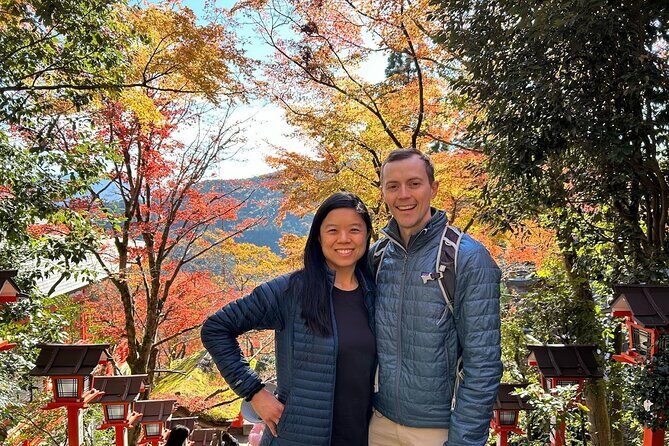
After the Gion streets, Yasaka Shrine brings you back to Kyoto’s spiritual core. It’s famous for the Gion Festival, described as one of Japan’s biggest, and locals affectionately call it Gion San. That detail matters because it explains why the area carries festival energy even when there’s no parade happening.
You’ll have about 50 minutes here. Since admission is free, you can spend your time focusing on the environment instead of calculating entry costs. What you’ll likely notice is how the shrine area shapes the whole neighborhood around it—Yasaka acts like a gravitational center for Gion’s identity.
Practical advice for enjoying Yasaka Shrine:
- Give yourself a few minutes to just watch movement. When you arrive, the layout and flow can take a moment to understand.
- Don’t rush the way you would at a photo spot. Shrine grounds reward slower walking.
- If you care about festival culture, ask your guide how the Gion Festival connects to daily life here. That connection is part of what makes the stop more than just a quick look.
One consideration: you’re heading through multiple sites on a single schedule, so if you’re the type who needs long, quiet periods at temples, you might feel slightly time-pressed. Still, for a one-day highlights route, Yasaka hits the right blend of meaning and manageability.
Kennin-ji Temple: Zen Calm and Eisai’s Founding Story
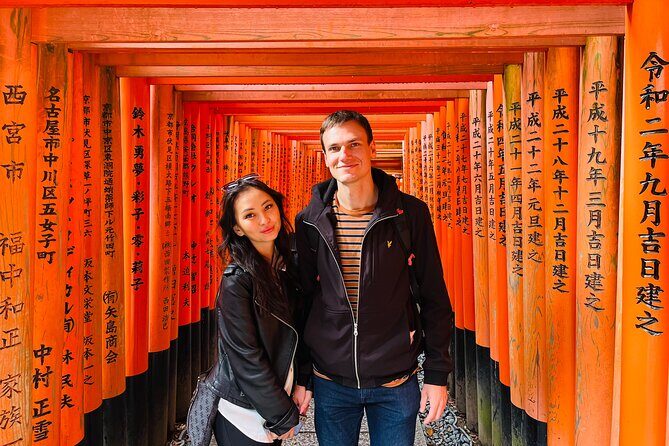
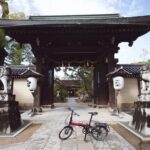
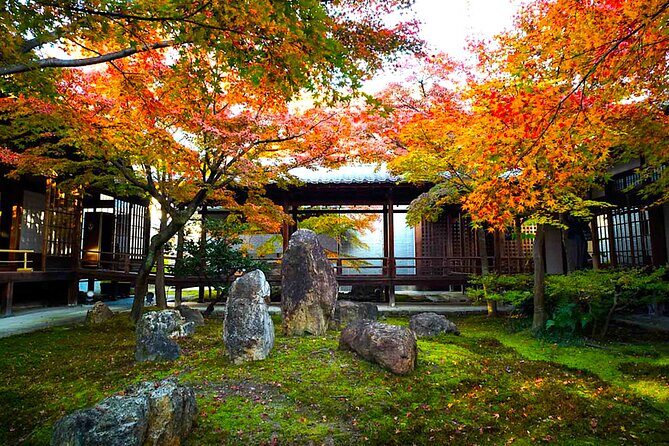
Kennin-ji is where the day turns more reflective. This stop is described as the oldest Zen temple in Kyoto, and it’s tied to Eisai, the master credited with opening it and founding the Rinzai sect. That’s a big deal because it gives you more than aesthetics—you get a lineage.
Admission is included and the visit lasts about 1 hour, which is a comfortable window for soaking in the atmosphere without feeling rushed. With Zen temples, the “what” is as important as the “how.” You’re not just looking at buildings; you’re experiencing a style of space designed for stillness and order.
Here’s how I recommend you use the hour:
- Spend the first few minutes orienting yourself. Understand how the grounds are arranged so you don’t feel lost later.
- Let the guide’s context land before you start snapping photos.
- If you’re interested in religion and history, this is the moment to ask questions, because you have a clear anchor point: Eisai and the Rinzai tradition.
The upside of pairing Kennin-ji with the rest of the day is balance. Gion and Yasaka carry culture you can see in daily life and festivals. Kennin-ji shifts you toward something quieter and deeper, and it helps the entire itinerary feel cohesive instead of random.
Nishiki Market: Kyoto Local Shopping, Seasonal Snacks, and Gifts That Mean Something
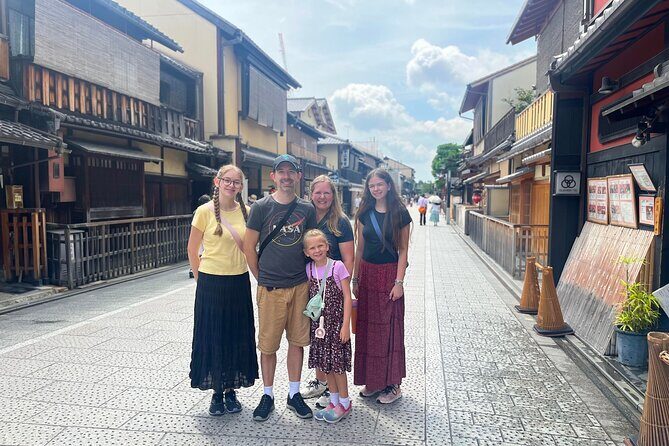
Next comes Nishiki Market, a neighborhood known as a shopping district for Kyoto locals. That’s the difference between a tourist market and a local market: the stalls cater to what people actually want to buy and eat day to day.
The itinerary highlights shops dealing in seasonal fish and fruits and also traditional craft items unique to Kyoto. If you want souvenirs that don’t feel like generic travel clutter, this is the kind of place where you can pick up items tied to food culture and local craftsmanship.
You’ll have about 40 minutes, and since admission is free, this is low-pressure time. Use it like this:
- Walk once without buying, just to see what’s where.
- Then go back for the items that match your taste—snack foods if you want quick tastings, or small crafts if you want gifts.
- If you’re picky about dietary needs, plan to ask. The day already supports requests like halal/vegetarian, so don’t assume you need to avoid everything.
A drawback to know: markets move fast. Forty minutes can disappear quickly, especially if you stop to chat with shopkeepers. If you’re the type who loves browsing, aim for “selective shopping” rather than trying to see every stall.
A few more Kyoto tours and experiences worth a look




Fushimi Inari-Taisha and the Thousand Torii Walk: Photos Are Great, But Pace Matters More
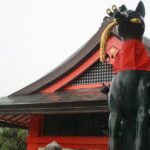
No Kyoto highlights day feels complete without Fushimi Inari-taisha Shrine. This is where the famous photo comes from: thousands of red torii gates and the feeling of walking through a tunnel of color. The itinerary describes it as a popular tourist spot that still feels peaceful in places, and that’s believable once you start moving along the paths.
Your visit is about 1 hour, and admission is free. The challenge isn’t ticket cost—it’s physical pace. The torii layout invites you to keep going, and it’s easy to lose track of time.
How to do it smart:
- Wear comfortable shoes. You’ll be walking and standing on uneven paths.
- Start with a clear goal: either see the main torii corridor well, or go farther along the trails, but don’t try to do both fully.
- Take photos as you go, but keep your eyes up too. The gates create depth, and the atmosphere shifts as the path bends.
Why this stop is worth the effort: Fushimi Inari is one of those rare sights where the structure itself is the experience. The shrine doesn’t just sit there for viewing—it pulls you forward like a walkway through symbolism.
If you’re short on stamina, tell your guide early. The tour allows some changes based on your wishes, and it’s better to adjust than to push yourself into feeling wiped out by the end of a 7-hour day.
Price and Value for a 7-Hour Private Day in Kyoto
The price is $145.35 per person, and it’s booked on average 51 days in advance. That timing tells you something important: this is a popular one-day format, likely because it’s convenient and structured.
Is it worth it? Here’s how I’d judge value, based on what’s included:
- You get an English-speaking guide for about 7 hours, which is the biggest cost driver of any guided day.
- Hotel pickup and drop-off is included if you’re within Kyoto City, saving time and likely avoiding extra transportation expenses.
- Public transportation is included, so you’re not stuck figuring out transit logistics while you’re sightseeing.
- Kennin-ji admission is included, while multiple major areas are free to enter (Gion, Yasaka Shrine, Nishiki Market, and Fushimi Inari).
- You also get photos of tour participants, a small perk that prevents the constant phone-hand-off problem.
Food is listed as not included, so you should budget for lunch and drinks separately. Still, the itinerary is built so you do have time for a lunch break before you head into Gion.
Group discounts apply, and the tour is private—so if you’re traveling as a small group, the cost often feels more reasonable than a “big group bus tour” style experience.
Who This Tour Fits Best (and Who Should Consider Another Plan)
This Kyoto private day tour is a strong fit for you if:
- You want a structured route that hits the city’s biggest cultural touchpoints without extra planning.
- You prefer asking questions and getting real context instead of reading guidebooks while walking.
- You care about dietary needs. The Aki example—working to find halal/vegetarian food—shows the guide can be practical, not just scripted.
You might want to reconsider if:
- You want a mostly relaxed, slow day with minimal walking. This route is active by design.
- You’re hoping for long stays at only one or two places. This itinerary favors breadth across multiple neighborhoods.
Overall, it’s a good “first Kyoto day” option because it mixes entertainment-like street atmosphere (Gion), spirituality (Yasaka and Kennin-ji), local life (Nishiki Market), and the one iconic walk most people come for (Fushimi Inari).
Should You Book This Kyoto Highlights Private Tour?
If you’re short on time and you want the classic Kyoto highlights stitched into one sensible plan, I’d book it. The private pace, the guide support, and the fact that Kennin-ji is handled with admission included make the day feel efficient. Add in pickup within Kyoto City and public transport support, and you’re spending your energy on scenery and culture instead of logistics.
I’d especially consider booking if your group includes anyone with dietary needs or you just want someone like Aki to help the day run smoothly. Just go in with comfy shoes and the mindset that it’s a walking-and-looking kind of day, not a slow sit-everywhere tour.
FAQ
FAQ
How long is the Kyoto highlights private tour?
The tour is about 7 hours.
What is the price per person?
The price is $145.35 per person.
Is hotel pickup included?
Hotel pickup and drop-off are included only if your hotel is in Kyoto City.
Where is the meeting point?
The tour starts at Kyoto Station (Higashishiokoji Kamadonocho, Shimogyo Ward, Kyoto 600-8216, Japan).
Is this a private tour?
Yes. It’s a private tour, and only your group participates.
Does the tour include public transportation?
Yes, public transportation is included.
Are temple or shrine admission tickets included?
Admission is included for Kennin-ji. Other listed stops (like Gion, Yasaka Shrine, Nishiki Market, and Fushimi Inari-taisha) are listed as free.
Is food included in the tour price?
Food and drinks are not included. The schedule includes time for lunch.
What is the cancellation policy?
You can cancel for free up to 24 hours in advance for a full refund.
Can the itinerary be changed to match my preferences?
Some changes can be made to the itinerary based on your wishes.