Stepping into samurai and ninja training gear is the star here. This Kyoto Samurai Ninja Museum tour mixes a guided walkthrough with hands-on moments, so it’s not just looking at costumes behind glass. It’s also built for a short visit: you get the story of samurai and ninja culture in Japan, plus you try a few of the iconic skills.
My favorite parts are the interactive training (katana lesson plus shuriken throwing) and the chance to suit up with samurai armor-style gear and a real helmet. Guides like Mami, Miu, Aya, and Sayo show up in English-guided reviews with clear explanations and lots of audience engagement, which matters in a museum setting.
One thing to keep in mind: with just 1 hour, the focus is more hands-on than deep-study. If you want a long, museum-at-your-own-pace experience, you may need to plan extra time afterward.
In This Review
- Key highlights I’d build your plan around
- Samurai and ninja in one hour: what the museum tour really gives you
- Getting inside smoothly: the English guide and small-group feel
- Suit up like a samurai: helmet, replica sword, and the photo moment
- Katana lesson and ninja tools: how the training props fit the story
- The shuriken throwing challenge: the high-energy finish
- Timing, pacing, and where it fits in your Kyoto day
- Price check: is $28 worth it for what you actually get?
- Who this tour suits best (and who might want a different plan)
- Should you book the Kyoto Samurai Ninja Museum guided tour?
- FAQ
- FAQ
- How long is the Kyoto Samurai Ninja Museum guided tour?
- What is included in the tour price?
- Is the museum entry ticket included?
- Is the tour guided in English?
- Do I have to wait in a ticket line?
- How large is the group?
- Is this tour wheelchair accessible?
- Is transportation to or from the attraction included?
- Can I cancel for a refund?
- Is there a reserve and pay later option?
- What hands-on activities can I expect during the tour?
Key highlights I’d build your plan around
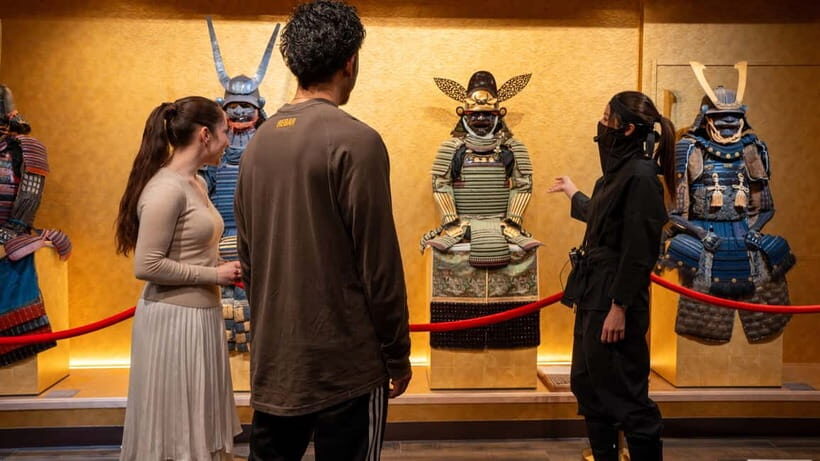
- Skip-the-line museum entry so you start learning fast
- English-speaking guide with small-group attention (often cited with great engagement)
- Dress-up with samurai helmet and replica sword for real photo-friendly fun
- Katana lesson plus ninja fukiya experience packed into one short tour
- Shuriken (ninja star) throwing as the memorable finale
- Wheelchair accessible and structured for smooth participation
Samurai and ninja in one hour: what the museum tour really gives you
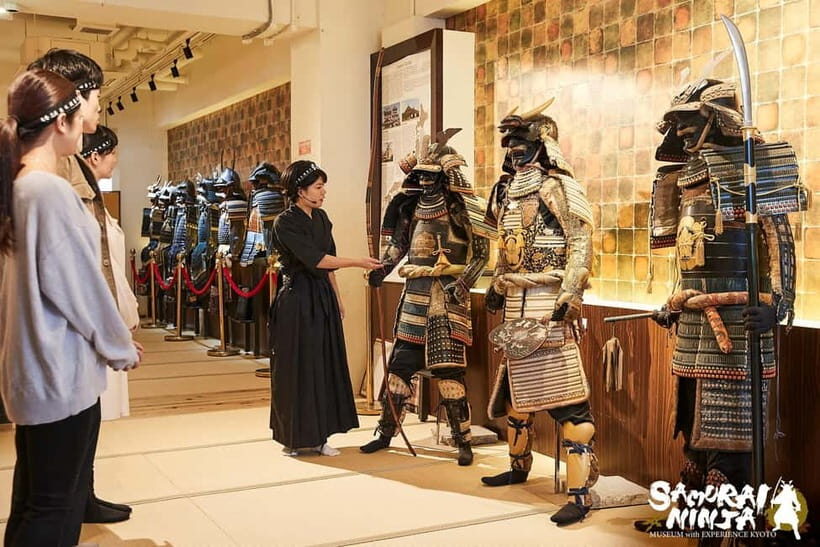
Kyoto has long been associated with warriors, and this tour leans into that connection. Instead of treating samurai and ninja as a random theme, it frames them as part of Japan’s lived history, running from early periods through the later shogunate era (the “why Kyoto” idea is part of the guide’s story). Then it brings you into the fun part: you handle the props, put on gear, and try a few techniques.
The best value in a one-hour format is that you don’t waste time deciding what’s worth your attention. You’ll still see displays, but you’re guided through what to notice and how the pieces connect. And unlike a pass-through museum ticket, you get a running explanation in English, which helps you connect objects like helmets, weapons, and ninja tools to the bigger picture.
Still, expect a “taster.” This isn’t a multi-hour deep dive into specific clans, armor styles, or tactics. It’s designed to get you oriented, entertained, and better at spotting the differences between samurai imagery and ninja tool culture when you walk around Kyoto afterward.
A few more Kyoto tours and experiences worth a look

Getting inside smoothly: the English guide and small-group feel
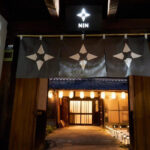
This tour includes the museum entry ticket plus a guided walkthrough with an English-speaking live guide. You also get skip-the-ticket-line support, which is a big deal in busy tourist areas. The whole thing runs about 1 hour, so you can fit it between temple visits without your day getting crushed by museum logistics.
The group size is one of the reasons this works. It’s listed as a small group limited to 10 participants, and it also notes a maximum of 30 travelers for the activity. Either way, you should plan on a more personal vibe than you’d get in a huge tour bus crowd. That smaller feel tends to matter during hands-on activities, when people want a turn and the guide needs to manage safety and pacing.
In reviews, guides such as Mami, Miu, Aya, Ko, and Taka are singled out for clear explanations and for pulling the group in. That’s what you want from a museum guide: not just facts, but a rhythm that keeps kids and adults interested at the same time.
Practical tip: if you’re visiting with family, this format is easier than trying to translate Japanese signage yourself in a fast museum environment.
Suit up like a samurai: helmet, replica sword, and the photo moment
The tour’s dress-up component is more than “costume time.” It’s a way to make the history physical. You’ll get to dress up as a samurai, including putting on a real samurai helmet and holding a replica sword. The museum setting makes this easier than doing a costume shop stop on your own, because everything stays tied to the exhibits and the guide’s explanations.
What I like about this part is that it helps you understand what samurai gear “means” visually. When you see an armor silhouette in a display, it’s one thing. When it’s on your head or held in your hands, you notice proportions, weight, and posture cues that otherwise stay abstract.
Expect strong photo energy here. Reviews repeatedly mention photo opportunities, and that makes sense: helmet + sword + guide-assisted staging is a built-in setup for memorable shots. If you care about photos, wear something you can comfortably move in and be ready for a few minutes of getting positioned and checked.
Possible drawback: dress-up experiences are hit-or-miss if you’re not into photos or costumes. If you prefer quiet museum reading, you may want to treat this as the “fun segment” and then focus on displays afterward.
Katana lesson and ninja tools: how the training props fit the story
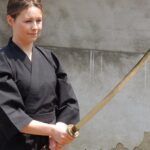
After the initial orientation, the tour moves into hands-on practice. You should expect a katana lesson and instruction around related warrior concepts. Even if you’ve seen samurai movies, the guide framing helps you separate storytelling from the practical image of what such weapons and training looked like.
The tour also includes experience with ninja tools, specifically the ninja fukiya. This is a great choice for a modern museum experience because it’s visual and unusual. A lot of ninja pop culture focuses on silhouettes and stealth, but tools like the fukiya connect the vibe to a concrete object. You get to see it in the context of how ninja are portrayed historically, instead of just guessing based on entertainment.
This whole “lesson plus props” approach is why the one-hour format works. The guide doesn’t just say, “Here’s a weapon.” You handle training gear, you learn the associated concept, and you leave with a better sense of what the display pieces are meant to represent.
What to watch for: you’ll get a guided overview, not advanced martial arts instruction. So if you’re hoping to come away with serious sword skills, calibrate expectations. Think of it as historical practice-as-a-simulation, designed for participation.
The shuriken throwing challenge: the high-energy finish
The tour’s headline interactive moment is the ninja star (shuriken) throwing experience. It’s the kind of activity that naturally resets your attention in the best way: you go from listening to doing, and doing makes the history stick.
This is also where small-group structure matters. A guide can manage turns, help with technique, and keep the energy up without chaos. In the feedback, people consistently mention that shuriken throwing was fun, and many note it’s a great way to end the tour. That makes sense for families too, because it gives kids (and the kids at heart) a clear goal.
If you’re competitive, don’t treat it like a serious tournament. It’s more about getting the basic experience and enjoying the moment. That said, the guide’s coaching is what will make your throw feel better, not just aim at the target for the sake of it.
Photo tip: you’ll likely get the best shots around the throwing sequence. If you want action photos, have your camera ready before the guide calls everyone in.
Other ninja experiences in Kyoto






Timing, pacing, and where it fits in your Kyoto day
A one-hour tour is built for flexibility. With no transportation included, you’ll want to already know how you’ll reach the museum on your own. But because the tour is short, it’s easier to plug into a day that already includes temples, markets, and neighborhoods.
Think about timing like this:
- If you’re doing a heavier temple day, place this as a lighter, interactive break.
- If you’re traveling with kids, this can serve as your “fun anchor” after a morning of walking.
- If you’re a history-focused traveler, it can act as your entry point, then you can follow up with more reading and museum time on your own afterward.
Pacing-wise, the format tends to flow from explanation to costume/props to practice. The goal is to keep everyone on the same page, which is why an English guide helps so much. People in English-speaking reviews often praise guides for engaging the audience with questions, which is a practical sign the guide is managing the group rather than delivering a monologue.
And because it’s wheelchair accessible, it’s less likely you’ll run into mobility “gotchas” that sometimes happen in older buildings or cramped museum corners. (Still, you’ll want to plan for your own comfort moving between stations.)
Price check: is $28 worth it for what you actually get?
At $28 per person for a 1-hour guided museum experience, the value depends on what you want out of Kyoto museums.
Here’s the balanced way to judge it:
- You get the museum entry ticket included.
- You get a live English guide (not an audio-only walk-through).
- You get multiple hands-on moments: dress-up with helmet and replica sword, katana lesson, ninja fukiya, and shuriken throwing.
For many people, that package is exactly what makes it worth the cost. You’re paying for guided context plus participation. If you’ve ever paid for museum entry and then spent most of your time trying to interpret displays with limited language support, the guide component suddenly feels like the real “ticket.”
That said, I’ll flag one pricing sentiment you should be aware of: one review complained about an upcharge they didn’t expect, saying it felt like buying a museum ticket plus a regular guide. I can’t verify the pricing breakdown from the details here, but your takeaway is simple: before you confirm, check what your total includes so you’re not surprised by any add-ons in the checkout flow.
My rule: if you’re the kind of traveler who likes doing stuff, not just looking, this price is likely reasonable. If you only want quiet museum time, you might prefer a standard ticket and spend the same money on an extra hour or two of walking.
Who this tour suits best (and who might want a different plan)
This tour is especially well matched for:
- Families, because the interactive stations keep energy up
- First-time visitors to Kyoto who want an easy, organized introduction to warrior culture
- People who love hands-on experiences more than reading dense museum labels
- Travelers who want a short activity that doesn’t hijack half a day
You might consider alternatives if:
- You prefer a slower museum visit with lots of self-guided reading
- You’re looking for advanced martial arts or technical weapon training
- You’re hoping for a long historical lecture; this is one hour, and it’s designed to be participatory
The sweet spot is “I want a structured, fun museum stop that still teaches me something.” That’s exactly what this format delivers.
Should you book the Kyoto Samurai Ninja Museum guided tour?
If you want a high-participation Kyoto museum experience with an English guide, I’d book it. The combination of skipping the ticket line, a small-group guided walkthrough, and multiple hands-on moments (especially shuriken throwing and samurai dress-up with a real helmet) makes this one of those tours that feels more like an event than a ticket.
Book it now if:
- You’re traveling with kids or you want a fun, structured hour
- You like interactive learning where you handle the props
- You want clear explanations from guides known for engaging groups, like Mami, Miu, Aya, Ko, or Sayo
Skip it (or plan differently) if:
- You only want self-paced museum time
- You don’t care about costume/prop interactions
- You’re sensitive to anything that feels like extra ticket-cost confusion at checkout
FAQ
FAQ
How long is the Kyoto Samurai Ninja Museum guided tour?
The tour is listed as 1 hour long.
What is included in the tour price?
It includes the museum tour with a professional guide, samurai costume, and ninja star throwing. The experience also describes hands-on elements like dress-up with a samurai helmet and replica sword, a katana lesson, and use of a ninja fukiya.
Is the museum entry ticket included?
Yes. The experience includes entry ticket for the museum.
Is the tour guided in English?
Yes. The tour includes an English-speaking live guide.
Do I have to wait in a ticket line?
No. The tour states skip the ticket line.
How large is the group?
It’s described as a small group limited to 10 participants, and it also notes a maximum of 30 travelers for the activity.
Is this tour wheelchair accessible?
Yes. The experience is listed as wheelchair accessible.
Is transportation to or from the attraction included?
No. Transportation to/from attractions is not included.
Can I cancel for a refund?
Yes. It offers free cancellation with cancellation up to 24 hours in advance for a full refund.
Is there a reserve and pay later option?
Yes. It offers Reserve now & pay later, so you can book and pay nothing today.
What hands-on activities can I expect during the tour?
You can expect ninja star (shuriken) throwing, samurai dress-up with a real helmet and replica sword, a katana lesson, and experience using a ninja fukiya.