Swords, armor, and shuriken in one hour. I love the hands-on samurai armor trial and the chance to throw ninja stars with a guide running the game. The guided storytelling makes it feel more than just a museum stop, but the rooms are small, so crowds can make it feel a bit rushed.
I also like that the tour uses real characters and real names in their approach. Guides like Naromi, Raito, Saku, Jasmine, and Nobu show up in guest comments as friendly, energetic, and good at keeping the history understandable. One thing to watch: the “skip the lines” idea can still mean you enter with the group, so show up a few minutes early.
At $28.52 per person, this is priced like a short activity with included entry and props, not like a long museum visit. If you’re sensitive to heat, note that some reports mention limited air-conditioning. And if you’re visiting during Jan 24, 2026 – Feb 19, 2026, the elevator is listed as out of service.
In This Review
- Key things to know before you go
- Samurai and Ninja in 60 minutes: what the experience is really like
- Finding the museum and choosing the right time slot in Kyoto
- Armor trial and katana moments: where the photos happen
- Ninja star throwing competition: fun rules and real group energy
- The museum itself: small spaces, two levels, and what to expect in artifacts
- How the guides make samurai culture click (and which moments they power)
- Price and value at $28.52: when this is a smart Kyoto buy
- Who should book this (and who should skip it)
- Should you book the Basic Skip-the-Line ticket?
- FAQ
- How long is the Samurai and Ninja Museum guided tour?
- What’s included with the Basic Ticket?
- Is the ticket delivered on mobile?
- How big are the groups?
- Do I need to arrange transportation to the museum?
- Can children participate?
- Can I cancel, and what if the weather is bad?
Key things to know before you go
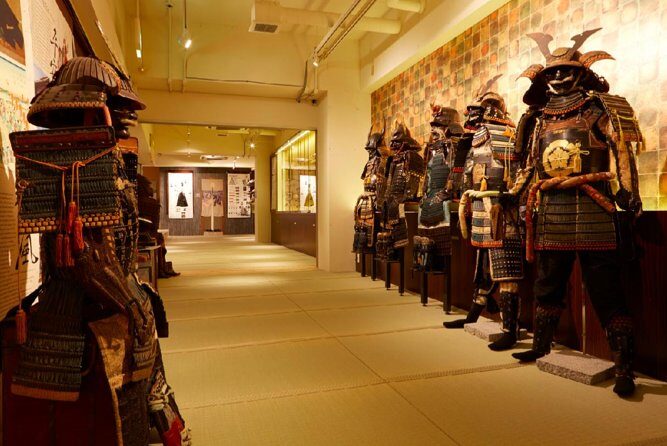
- Hands-on gear time: you’ll dress up in samurai costume/armor and handle weapons during guided activities.
- Shuriken throwing competition: it’s structured as a game, not just a photo moment.
- Guides matter here: names like Naromi, Raito, Saku, Jasmine, and Nobu come up often for clear, fun explanations.
- Short and small: expect about 1 hour and a museum layout that some people describe as compact (two levels).
- Crowds can change the feel: a few reviews point to over-crowding or rushing when sessions are packed.
Samurai and Ninja in 60 minutes: what the experience is really like
This is a guided, action-forward visit to the Samurai Ninja Museum in Kyoto. You start with a guide who sets the scene: Japan’s feudal world, the roles of samurai and ninja, and the kinds of objects (swords and other weapons) you’ll see up close. Then you move into the hands-on parts, where you’ll actually participate instead of just standing and reading.
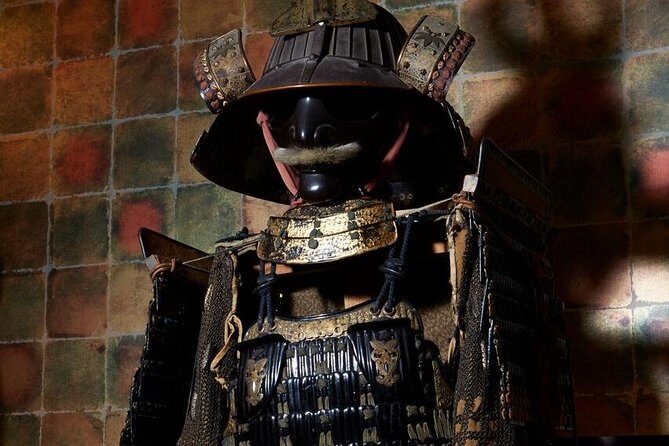
The biggest payoff is how quickly the tour turns “history talk” into something physical. You’re given a samurai costume and you try on armor; you get time around replica swords; and you get to throw ninja stars as a group competition. For many people, that’s the moment they remember later, because it’s interactive and photo-friendly.
There’s also a helpful framing point: this isn’t trying to be a full academic seminar. It aims for a guided overview that makes the basics click—who samurai were, what ninja were known for, and how everyday life and politics shaped those roles. If you want long galleries of rare artifacts and lots of quiet time, you may find the pacing too fast. If you want a fun first-timer intro, it often lands well.
One practical detail that affects the vibe: the museum is compact. Some guests describe it as split across two levels in a shopping-arcade setting. That means you’re moving through everything efficiently, but it also means noise and crowd pressure can show up faster than in a big museum.
A few more Kyoto tours and experiences worth a look


Finding the museum and choosing the right time slot in Kyoto
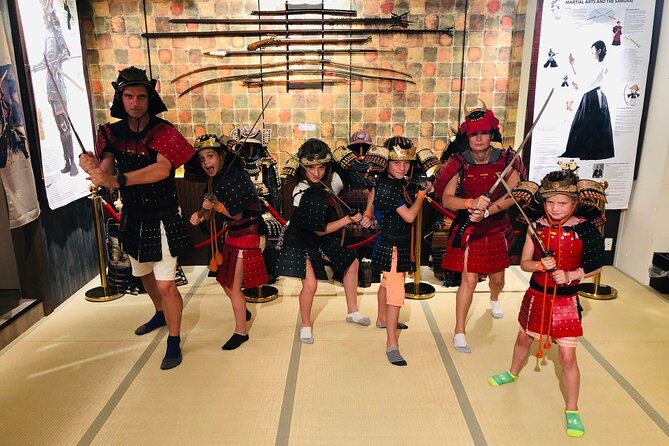
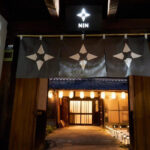
You make your own way to the Kyoto Samurai and Ninja Museum. The meeting point is described as being in central Kyoto, near public transportation, and you meet your guide with your small group of fellow history-and-culture fans. The tour uses a mobile ticket, so you’ll want your phone charged and ready when you arrive.
Timing matters because the activities are built around scheduled sessions. The experience lists multiple time slots, which is great for matching your Kyoto plan. If you’re traveling with kids, this is one of those activities where an exact timing window helps keep the day from turning into a scramble.
Also, if you’re not sure where the museum is, plan to use directions in your booking app. One guest noted the museum was hard to find until they followed app directions. That’s not unusual in Kyoto’s tighter areas, where streets and arcades can look similar in a hurry.
One more thing to factor in: the tour is weather-dependent. If it’s canceled due to poor weather, you’ll be offered another date or a full refund. That doesn’t mean you should stress, but it does mean you should avoid stacking your day with impossible-to-reschedule plans.
If stairs are an issue for you, pay attention to the elevator note. The listing states the elevator is out of service from January 24, 2026 to February 19, 2026. If you’re visiting during those dates, it’s worth planning accordingly.
Armor trial and katana moments: where the photos happen
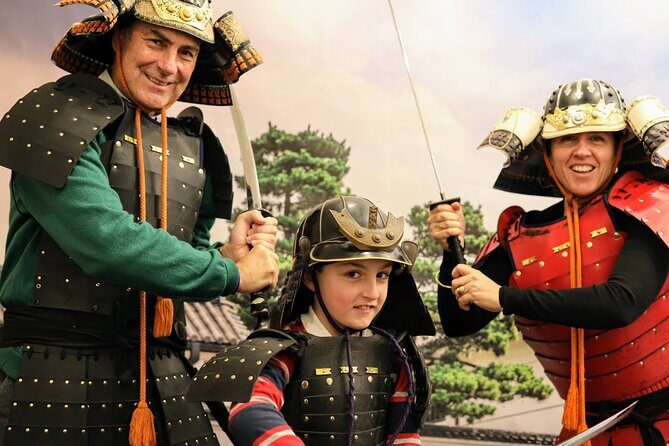
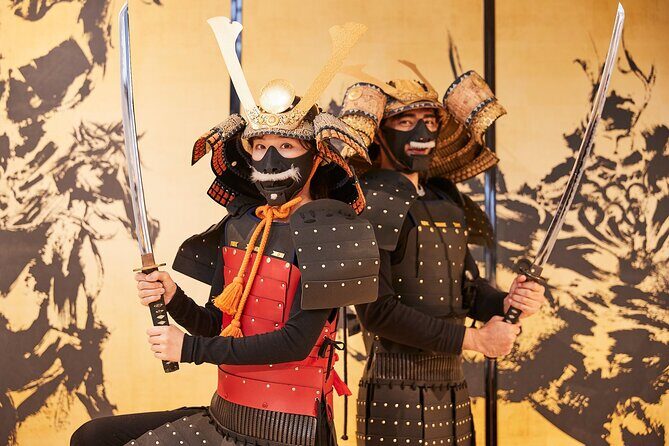
This tour is built around doing, not just watching. The itinerary includes a samurai armor trial, plus a katana/sword moment (with samurai sword handling described as optional). The point here is not to teach swordsmanship. It’s to give you a quick, guided taste of what it feels like—weight, grip, and the visual drama of period-style gear.
From a value standpoint, this is why the $28.52 price can feel reasonable. You’re not paying just for entrance. You’re paying for coached participation: costumes, time in the gear, and a guide who helps the objects make sense in context.
Photo opportunities are a big part of the appeal. Some guests specifically highlight photo chances with traditional samurai swords and with costumes and backdrops. In a small museum, that matters, because you don’t have to hunt around for the best angle for long—you’re brought to the photo-friendly moments as part of the tour flow.
One consideration: a few reviews mention that the costume or props can look older or worn, and that when sessions are crowded the armor and sword time may feel rushed. So if your main goal is premium-quality gear, don’t expect a cinematic costume department. Expect hands-on fun with guidance.
Ninja star throwing competition: fun rules and real group energy
The ninja side of the tour is most likely to get a smile out of you. The experience includes a ninja star throw competition, and multiple reviews mention enjoying the throwing shurikens/shuriken-style targets and the game format.
This is where group energy helps. The guide runs the activity, keeps it organized, and makes it feel like a mini contest rather than a single try. In one comment, a guide helped a participant win their own ninja star, which sums up the spirit: it’s light, playful, and built to include everyone.
One small but useful detail: some guests mention throwing plastic replicas of ninja stars. That matters because it changes expectations. You’re not dealing with live weapons, and the focus is on the activity and the fun, not safety training or technique drills.
If you’re going with kids, this is often the highlight. Reviews mention children loving the ninja star throwing, dressing up as ninja, and using the time for playful photos. For families, it can be a strong “one-hour win,” since it’s structured and doesn’t wander.
Crowd level can affect your experience here. In a small space, if a session is packed, the throwing area and photo spots can feel busy. That’s not unique to this museum—it’s just how interactive activities work when time slots overlap.
The museum itself: small spaces, two levels, and what to expect in artifacts

Here’s the honest reality: you’re visiting a small museum experience. The tour is short—about 1 hour—and the museum layout is described by guests as compact and split over two levels. That can be a strength if you want an efficient introduction. It’s a downside if you’re hoping for a large collection and lots of time to study without moving.
Several reviews call it a solid, informative stop for first-timers. They also praise the displays and atmosphere, describing the content as informative about historical, social, and political realities of samurai and ninja. Others say it’s “not quite what I expected,” pointing out that they wanted more artifacts beyond swords and armor.
So set your expectations like this: you’re getting a guided look at key themes and representative weapons/gear, plus hands-on activities. You’re not committing to a long self-guided museum day.
A related detail: some reviewers mention limited air-conditioning and that the rooms can feel warm. If that’s a deal-breaker for you, go earlier in the day and keep an eye on how crowded it is. Water helps too.
There’s also a note that activities can change due to coronavirus situation. That’s a reminder that attractions sometimes adjust setups. If you want to be sure, check the day-of confirmation details and be flexible about the exact order of activities.
One more practical angle: if you’re visiting during very busy periods (like major holidays), expect more families and a livelier atmosphere. That can be fun. It can also mean more noise and less room to slow down.
Other ninja experiences in Kyoto





How the guides make samurai culture click (and which moments they power)
This is one of those tours where the guide quality shows up fast. Names come up repeatedly: Naromi, Raito, Saku, Jasmine, and Nobu. Multiple comments describe guides as energetic, friendly, and able to explain samurai and ninja history in an engaging way.
That matters because the museum content is short by design. If the guide is great, you leave feeling like you understood the big picture. If the guide is just okay, the tour can feel like a quick stop plus activities. A few reviews specifically praise guides for packing in many facts while keeping the tone fun.
The guide’s job also includes pacing your group in a tight space. In a compact layout, the guide needs to manage movement and timing so you can actually try armor and throw shurikens without missing everything. When sessions are crowded, guests mention rushing. That’s usually a pacing issue, not necessarily a knowledge issue.
If you like storytelling, you’ll likely appreciate the way guides connect the props to real context—why armor mattered, what weapons symbolized, and how ninja/samurai fit into the broader feudal system. If you prefer pure museum reading, you might feel the time with the displays is too short and wish for more independent looking.
The good news: because it’s a guided format, you’re not left guessing. If you ask questions, the guide can steer you toward the part of samurai and ninja life that makes sense for your level—from beginner curiosity to deeper interest.
Price and value at $28.52: when this is a smart Kyoto buy
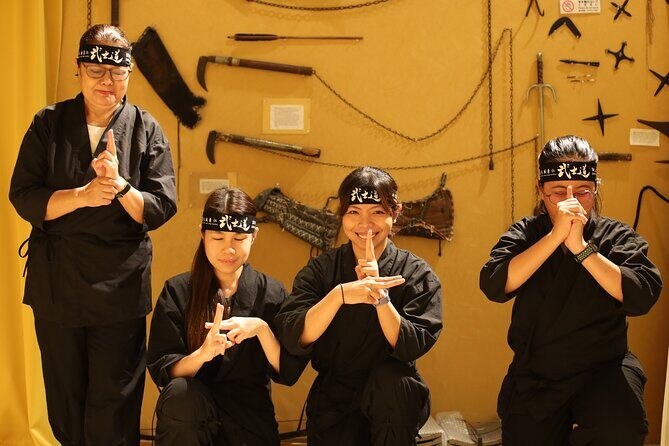
Let’s talk money with real-world logic. At $28.52 per person, you get: a professional guide, admission ticket included, a samurai costume component, and the ninja star throw competition. The tour also runs about an hour, so it’s easy to fit into a day without sacrificing too much time.
This is good value if your priorities are:
- a guided overview of samurai/ninja culture,
- hands-on dress-up,
- a fun group activity for photos,
- and a short itinerary that won’t steal your whole morning or afternoon.
It’s not the best value if your priority is:
- a large, slow-paced museum with lots of artifacts and space to browse,
- a very quiet, classroom-style history lesson,
- or premium, pristine props and costumes.
Crowding can also change the value. When a session is overbooked, a few reviews describe rooms as too crowded to fit everyone comfortably. That can turn the experience from playful to stressful. If you’re booking for a peak date, go in with the mindset that you’ll trade quiet for energy.
Also, this is an “experience” more than an “archive.” You’re paying for participation, not just objects on display. If you want both, consider pairing it with a larger nearby Kyoto attraction later the same day.
Who should book this (and who should skip it)
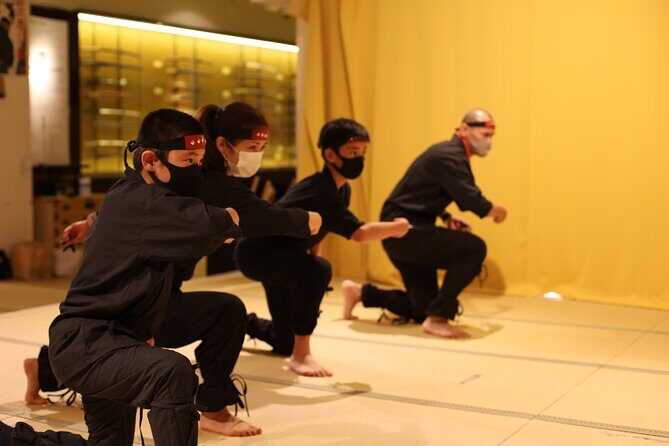
I’d book this if you want a fun first look at samurai and ninja culture without over-planning. It’s especially well suited for families, because the tour is short and interactive. Reviews mention kids loving the ninja star throwing and the chance to dress up, including enjoyment from a 6-year-old.
You should also book it if you like guides and want the story told in plain language. If you enjoy a guided walkthrough that explains what you’re seeing while you do activities, you’ll probably leave happy.
You might skip it if you’re expecting a big museum with lots of artifacts and plenty of quiet time. If you’re very sensitive to crowding or you hate rushed pacing, this compact, one-hour format could frustrate you.
And if air-conditioning is a must for you, note that some guests mention there’s no A/C. That doesn’t mean it’s unbearable, but it’s something to consider on hot days.
Should you book the Basic Skip-the-Line ticket?
Yes, if your goal is a quick, fun, guided samurai-and-ninja introduction with armor + shuriken throwing included. The $28.52 price feels fair because you’re buying a timed experience, not just entry. The guide-led energy, photo chances, and hands-on moments are the core strengths.
Be cautious if you’re traveling on a very busy date or you hate crowds. In small spaces, session size matters, and the listing information is a little inconsistent on group caps. Go in flexible, arrive a bit early, and expect a one-hour snapshot rather than a full museum day.
If you’re unsure, do this: check your time slot, plan around weather, and treat it as a fun activity you’ll remember for the dress-up and the ninja star game.
FAQ
How long is the Samurai and Ninja Museum guided tour?
The tour is listed as about 1 hour.
What’s included with the Basic Ticket?
Included items are a professional guide, a samurai costume, and a ninja star throw competition. The admission ticket is also included.
Is the ticket delivered on mobile?
Yes. The tour uses a mobile ticket.
How big are the groups?
The listing shows different caps in different places. One section says a maximum of 30 travelers, and another notes a maximum of 15 travelers.
Do I need to arrange transportation to the museum?
Transportation to and from the attractions is not included, so you’ll need to get there on your own.
Can children participate?
Children must be accompanied by an adult. Most travelers can participate.
Can I cancel, and what if the weather is bad?
Yes. Free cancellation is available up to 24 hours before the experience for a full refund. The experience also requires good weather; if it’s canceled due to poor weather, you’ll be offered a different date or a full refund.