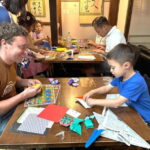
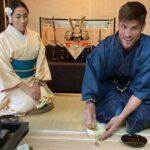
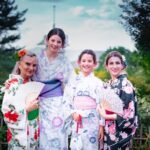
A Kyoto tea ceremony feels like time travel—without the jet lag. This experience pairs a kimono dressing moment with an English-speaking tea master demo and hands-on matcha making. I like that you also get a professional photoshoot during the ritual, then receive three digital photos by email as a ready-to-share souvenir.
Two other things I’m especially glad you’ll get: real structure (you watch a demonstration, then you make your own matcha) and a small group size (up to 10 people), which keeps it feeling personal rather than rushed. The one catch to consider is that the format includes photo posing and traditional seating, and you may need to kneel on the floor rather than sit in an easy cross-legged position.
In This Review
- Key Things to Know Before You Go
- Entering the Experience at Nishiki Orizuruya (Nakagyo Ward)
- Kimono Dressing: Your Outfit, Your Style, Your Photos
- The Tea Master Demonstration: What the Ritual Teaches You
- Making Your Own Matcha (With Sweets)
- The Photographer Moment: How the Photoshoot Fits In
- Traditional House Setting in Kyoto: Why It Works
- Duration and Pace: 90 Minutes That Feel Like a Whole Story
- Price and Value: What You’re Really Paying For
- Who Should Book This Kyoto Kimono Matcha Photoshoot
- Should You Book This Kyoto Tea Ceremony?
- FAQ
- How long is the Kyoto tea ceremony with kimono and photoshoot?
- Where is the meeting point?
- What happens first when you arrive?
- What do you do during the ceremony?
- Are you taking photos during the experience?
- Do I need to provide information before the tour?
- Is this suitable for young children?
- What if I arrive late?
- Do I need to tell them about allergies?
Key Things to Know Before You Go
- Kimono time first: You’ll change outfits right after check-in and pick your kimono before the tea begins.
- English tea master demo: You’ll get guided context on how the ceremony works and what it means.
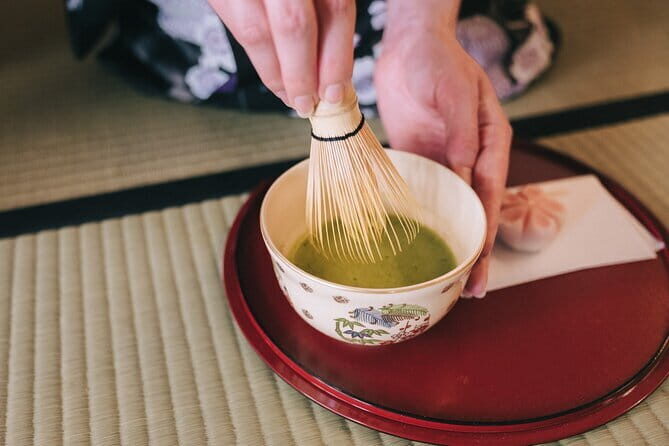
- Make your own matcha: You won’t just watch—you’ll learn the process and have your tea with sweets.
- Photos during the experience: A photographer will take pictures while you’re in the kimono and doing the tea activities.
- 3 digital photos by email: Your souvenir is delivered electronically, so plan to access email afterward.
- Traditional seating involved: You might kneel for photos or during tea time, and chairs/tables may be available.
Entering the Experience at Nishiki Orizuruya (Nakagyo Ward)
Your tour starts at Nishiki Orizuruya in Nakagyo Ward, at a spot that’s easy to reach via public transportation. This matters because Kyoto can be a time puzzle: you want an activity that’s not buried across multiple transfers.
Plan to arrive a little early. You’ll check in at the reception desk and then be escorted onward. If you’re more than 30 minutes late, you can’t join and there’s no refund in that case, so treat this like a timed event. The good news: the flow is simple—check in, meet the staff, get ready.
One small practical note: the tour provider asks for heights and gender for all participants in advance. That’s not just paperwork. It’s how they prepare kimono sizing so you can get dressed without turning the experience into a long delay.
A few more Kyoto tours and experiences worth a look
Kimono Dressing: Your Outfit, Your Style, Your Photos
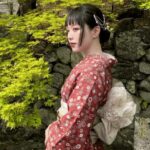
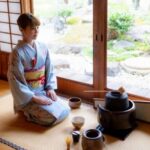
After check-in, the first real moment is the dressing room. You’ll select your kimono and get styled for the experience. If you like the idea of wearing a real traditional outfit in Kyoto, this part is a big part of the fun.
Why I think this is a good design: you choose your kimono before the ceremony so photos and tea making happen while everything still feels fresh. You’re not finishing the outfit halfway through a process that you might want to enjoy and remember.
There’s also a practical comfort factor. In at least some cases, the setup includes two chairs and tables, so you’re not automatically stuck on the floor all session long. Still, be prepared for traditional postures. One review highlighted that kneeling can be challenging for older women, and you may have to kneel rather than sit cross-legged.
If you know kneeling will be hard for you, it’s worth considering how comfortable you are with Japanese floor seating. The staff can’t change the entire format, but it may help to know there can be options.
The Tea Master Demonstration: What the Ritual Teaches You
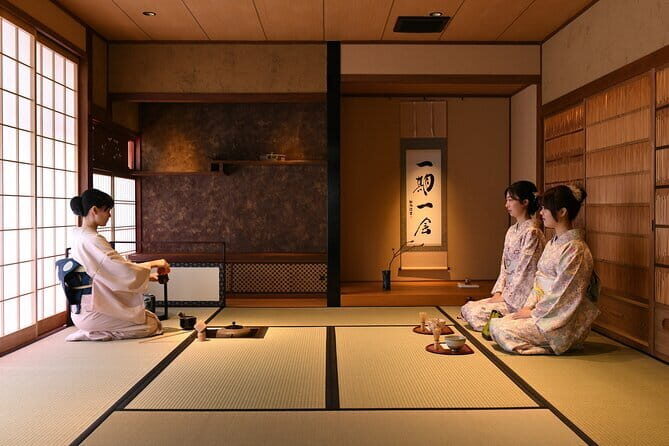
Next comes the tea demonstration in a traditional house setting. You’ll watch an English-speaking tea master explain the ritual and its cultural meaning. This is one of the strongest parts of the experience, because the ceremony isn’t only about making tea—it’s about learning how people practice calm, attention, and respect through small actions.
The pacing works well. You don’t get thrown into making matcha right away. You first see what the ceremony looks like, then you follow along as the tea master walks you through the steps and explains what’s happening.
If you’re the type who likes context, you’ll likely appreciate the focus on history and culture of the traditional Japanese tea ceremony. Kyoto is famous for green tea, but this experience helps you connect the local product to a wider ritual tradition.
A detail that affects your enjoyment: you’re doing this while you’re dressed in kimono. That can make the ritual feel more ceremonial and grounded in the moment, instead of feeling like a quick tea stop.
Making Your Own Matcha (With Sweets)
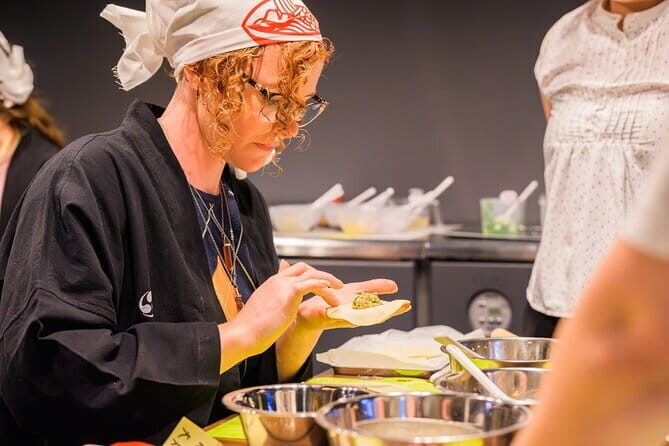
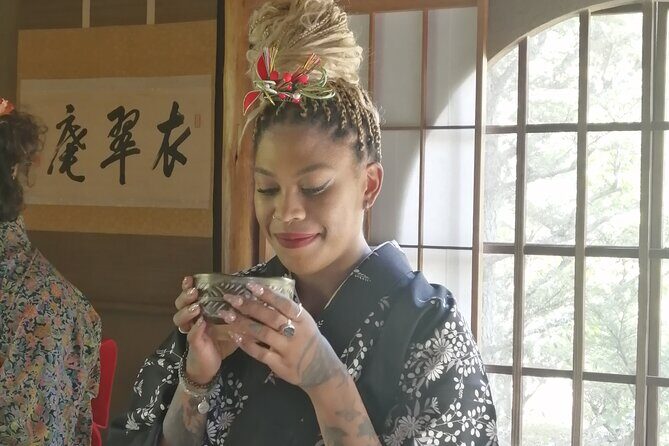
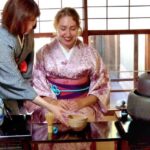
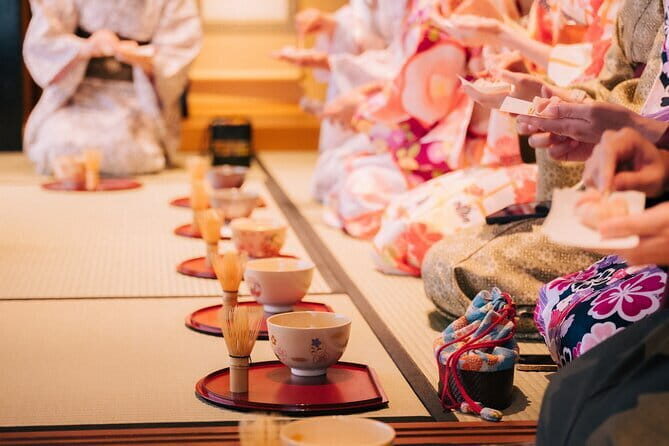
After the demonstration, it’s time for you to make your own matcha green tea. This is the hands-on part that turns the experience from something you watch into something you participate in.
You’ll learn how to make matcha, and you’ll enjoy it with Japanese sweets. I like this pairing because it gives you a clear finish: you practice, then taste and compare the result. It also gives you a chance to experience matcha as it’s commonly served in a ceremony context, not just as a drink pulled from a cafe menu.
One thing to keep in mind: matcha making is hands-on, so your session will follow a guided rhythm rather than letting you roam freely. That’s not a negative. It’s what makes the experience easier if you’re new to tea ceremony etiquette.
If you have food allergies, you’ll need to let the team know in advance. That’s especially important when Japanese sweets are part of the experience.
The Photographer Moment: How the Photoshoot Fits In
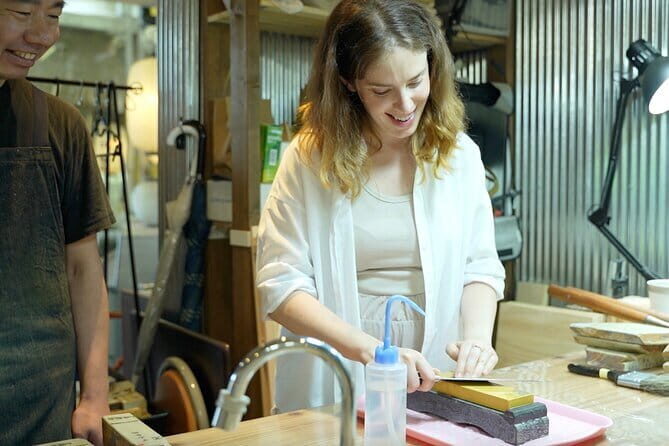
A professional photographer takes pictures during your experience. That means the tea ceremony isn’t just educational—you’ll also have the visual keepsake that explains the story at a glance.
Here’s what to know so you’re not surprised: you’ll likely be posing as part of the process. One review mentioned kneeling for women during the photo portion (rather than sitting in an easy cross-legged position). At the same time, chairs and tables may be provided, so you might have options depending on how you’re positioned and photographed.
This is also where email matters. Your souvenir is not printed on the spot. Instead, three photos are sent to you digitally by email. Make sure you’ll be able to check your email after the activity and that your inbox can receive messages from the provider.
It’s a small thing, but it changes the whole value. If you miss the email or can’t access it while traveling, the souvenir becomes harder to use or share.
A few more Kyoto tours and experiences worth a look

Traditional House Setting in Kyoto: Why It Works
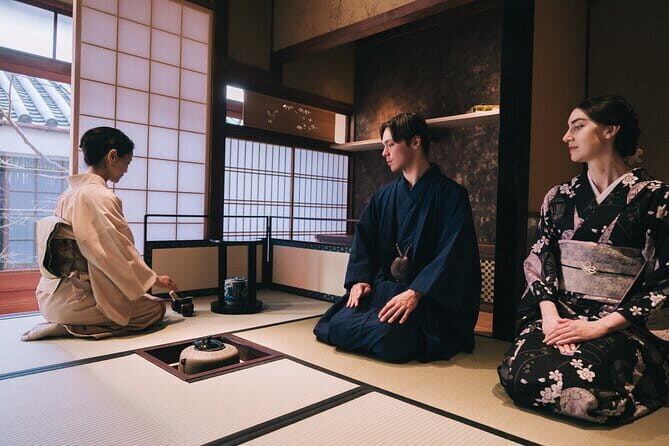
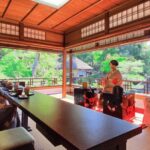
This tea ceremony happens in a traditional house, which helps the ritual feel appropriate rather than staged in a modern studio. You’re in Kyoto, a city strongly linked with green tea culture, and the setting supports the calm, careful mood tea ceremony is known for.
The traditional setting also makes the kimono feel less like costume and more like part of the environment. That matters for photo quality too. You’ll usually get backgrounds that feel genuinely Kyoto rather than generic.
That said, if your personal idea of authenticity is a tiny, quiet tea room with almost no photo focus, this experience might feel more structured than you expect. One review summed it up as: dress-up lovers will enjoy the setup, and the ceremony itself can be truly nice even if the overall format feels a bit like a packaged experience.
If you can balance those expectations—ritual first, photos as the souvenir—this format works.
Duration and Pace: 90 Minutes That Feel Like a Whole Story
The experience runs about 90 minutes (listed as roughly 1 hour 45 minutes). For a Kyoto activity, that’s a sweet spot. Long enough to include kimono dressing, a tea master demo, hands-on matcha making, and photo time. Short enough that you can still plan other stops the same day.
The key timing instruction: you should arrive around 10 minutes before your start time to check in. Once you’re late by more than 30 minutes, you can’t join.
In practice, this means you’ll want to factor in the walk from the nearest transit point and time to find the building. Kyoto is busy and streets can be confusing. Build in margin so you don’t cut it close.
Group size is capped at 10 travelers, which helps the pacing. You should get enough attention for the ritual and the photos without feeling like you’re waiting behind a long line.
Price and Value: What You’re Really Paying For
At $130.78 per person, this isn’t a cheap add-on. So the question is: what does that price buy you beyond a basic tea tasting?
Here’s the value math that makes it feel more reasonable:
- Kimono dressing (including choosing a kimono and getting styled)
- An English-speaking tea master guiding the ceremony and explanation
- Hands-on matcha making plus Japanese sweets
- A professional photoshoot
- Three digital photos delivered by email
If you compare that to the cost of renting a kimono for photos plus the price of a guided tea activity, this starts to look like a bundled deal. You’re getting multiple experiences inside one timed slot, and you’re also getting the images to prove it.
Also, you get a clear souvenir outcome: three photos emailed to you. There’s no guessing, no waiting for “best shots” later in the day.
The value is highest if you want the complete package—tea ritual, kimono, and photos. If you only care about matcha and explanation, you might find cheaper ceremony options, but you won’t get the same photo deliverable.
Who Should Book This Kyoto Kimono Matcha Photoshoot
This experience is a great fit if you want one Kyoto activity that hits several goals at once:
- You want to wear a kimono without having to organize rentals and photos separately
- You enjoy learning cultural context while still doing something with your hands
- You want a guided, structured session in Kyoto’s tea tradition
- You’d like a professional photos souvenir you can share soon after
It’s also a smart choice if you’re traveling with a bit of limited time. With a 90-minute runtime and a central meeting point in Nakagyo Ward, you can still build your day around it.
I’d think twice if you strongly dislike kneeling or floor seating. Even with chairs and tables available in some setups, the ritual and photo format may still require traditional posture. If you have mobility constraints, your comfort level with kneeling will matter.
Should You Book This Kyoto Tea Ceremony?
Yes, if you’re after the full “Kyoto moment”: kimono on, matcha made, tea master explanation, and a professional photos souvenir delivered by email. The most praised pieces of the experience line up with that exact formula—the tea master’s explanations and the fact that you actually participate, not just watch.
Book with care if you have either of these priorities:
- You’re mainly looking for the cheapest tea ceremony.
- You want zero photo posing or you can’t manage traditional kneeling.
If you can accept the structure and traditional posture, this is a satisfying, well-rounded way to experience Kyoto tea culture in one focused session. And once you get those three photos, you’ll have something that feels like a real story, not just a memory.
FAQ
How long is the Kyoto tea ceremony with kimono and photoshoot?
It runs about 1 hour 45 minutes (approximately 90 minutes).
Where is the meeting point?
Meet at Nishiki Orizuruya, 452 Jūmonjichō, Nakagyo Ward, Kyoto, 604-8121, Japan. The tour ends back at the meeting point.
What happens first when you arrive?
You check in at the reception desk, then you’re escorted to a dressing room to choose and dress in a kimono.
What do you do during the ceremony?
You watch a tea ceremony demonstration by an English-speaking tea master, learn how to make matcha, and enjoy your matcha with Japanese sweets.
Are you taking photos during the experience?
Yes. A professional photographer takes pictures while you’re participating in the experience. You receive three photos digitally by email.
Do I need to provide information before the tour?
Yes. The provider needs your height and gender for all participants in advance to prepare the kimono.
Is this suitable for young children?
No children under 5 years old.
What if I arrive late?
If you are later than 30 minutes from the starting time, you cannot join the experience and there is no refund.
Do I need to tell them about allergies?
If you have food allergies, you should let them know in advance.