Kyoto feels calmer before the day starts. This early-morning Kyoto Gion walking tour is built around one smart idea: hit the icons while the streets are still quiet, then learn what you’re actually seeing. You’ll cover Gion Shirakawa, Hanamikoji Street, Kiyomizu-dera, Sannenzaka and Ninenzaka, plus Yasaka-no-To and Yasaka Shrine—without spending your trip lost in the backstreets.
I love the small group size (maximum 12), which makes it easy to ask questions instead of shouting over everyone’s selfie sticks. I also love that the route includes guided navigation, so you can focus on the scenery and stories. One thing to consider: Kiyomizudera’s ¥500 admission isn’t included, and even early can still mean crowds at that specific stop.
If you want Kyoto’s most famous sights with less friction—good pacing, fewer people, and a guide who can explain the “why”—this is a solid use of a morning.
In This Review
- Key highlights worth your attention
- Why Kyoto Before Crowds Changes Everything
- Price, Timing, and What You Really Pay For
- Meeting Point at Statue of Izumo-no-Okuni: The Easy Part
- Gion Shirakawa: River Quiet and Machiya Charm
- Hanamikoji Street: The Geisha District on Foot
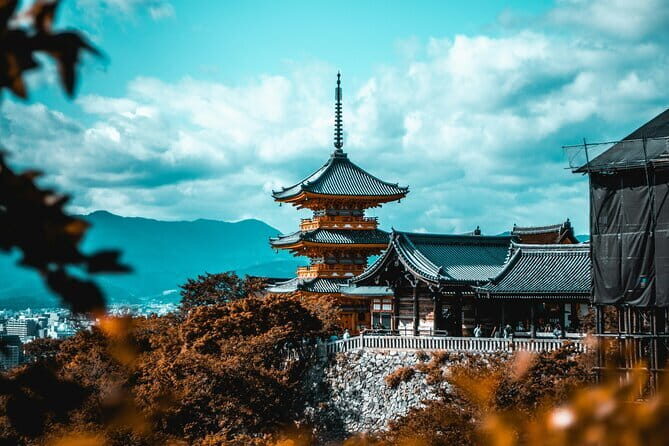
- Kiyomizu-dera Temple: Big Views, One Extra Ticket
- Sannenzaka and Ninenzaka: The Postcard Lanes
- Yasaka-no-To and Yasaka Shrine: Red Gate Energy in the Morning
- Guide Power: Why Caleb, Hiro, and Vincent Matter
- What to Do Before You Go: Shoes, Pace, and Crowd Strategy
- Who Should Book This Kyoto Gion Morning Walk
- Should You Book This Early Morning Gion Tour?
- FAQ
- How long is the Kyoto Gion Early Morning Walking Tour?
- What is the meeting point for this tour?
- Is hotel pickup included?
- What does the price include?
- Do I need to pay for Kiyomizudera Temple?
- How many people are in the group?
- Where does the itinerary go?
- Is the tour near public transportation?
- What is the cancellation policy?
- Will I get confirmation after booking?
Key highlights worth your attention
- Crow-control by timing: You start early to beat the afternoon stampede.
- Kiyomizudera included in the walk, admission extra: You’ll plan around the ¥500 ticket.
- Small group (up to 12): Less chaos, more conversation with your English-speaking guide.
- Real Gion streets, not a quick drive-by: Gion Shirakawa and Hanamikoji are central to the experience.
- Photo-friendly morning light: Sannenzaka/Ninenzaka and the shrine area are great before peak hours.
- Start and end where you meet: No hotel pickup. You return to the starting point.
Why Kyoto Before Crowds Changes Everything
Kyoto is famous for crowds. Even if you love people-watching, lines at temples and shoulder-to-shoulder streets can steal the joy from what you actually came to see.
This tour tackles that head-on with an early start. You’ll walk Gion Shirakawa and Hanamikoji Street at a time when the mood is more intimate—quiet steps, river views, and traditional buildings looking their best without the afternoon rush. Then you move toward Kiyomizu-dera and the old-town lanes (Sannenzaka and Ninenzaka) while the streets are still waking up.
That timing matters for more than photos. It’s how you understand the city too. When the streets are calmer, you notice details: the flow of the lanes, the rhythm of shrine entrances, and how the historic neighborhoods connect.
A few more Kyoto tours and experiences worth a look

Price, Timing, and What You Really Pay For
At $49.42 per person for about 3 hours, this tour is priced in the “you’re paying for your time back” category. The biggest value isn’t just that it’s guided—it’s that it prevents wasted morning confusion.
Here’s the practical math:
- Tour price: $49.42
- Kiyomizudera admission: ¥500 per person (not included)
- Duration: about 3 hours
If you’re already planning to see Kiyomizudera and the Gion/Shirakawa area, you’re not paying extra just to be led somewhere you wouldn’t go. You’re paying for:
- A smart route between multiple highlights
- Navigation help so you don’t burn energy figuring out the path
- Time efficiency so you’re not zigzagging across Higashiyama
One small caution: one guest noted Kiyomizudera was very busy by the time they arrived. Even with an early start, that temple can fill up. So think of this tour as crowd-reduction, not crowd elimination at every single stop.
Meeting Point at Statue of Izumo-no-Okuni: The Easy Part
You’ll meet at the Statue of Izumo-no-Okuni on Kawabatacho, Higashiyama Ward, Kyoto (605-0076). The tour ends back at the meeting point, so you don’t need to plan an awkward second transfer.
There’s also no hotel pickup, so you’ll want to build in a little buffer to get there smoothly. The good news is it’s described as near public transportation. That’s helpful if you’re using buses or trains and you don’t want to rely on taxis.
If mornings in Kyoto tend to stress you out, this tour is still manageable. The meeting point is concrete, and the guide navigation keeps you from second-guessing every turn.
Gion Shirakawa: River Quiet and Machiya Charm

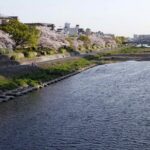
Stop 1 is Gion Shirakawa, around 15 minutes and free. This is one of those places where early timing makes a noticeable difference. You get the old-world Kyoto look: traditional machiya houses, the river setting, and the feeling that you’ve wandered into a quieter version of the city.
I like this stop because it sets the tone. Before you start climbing into the more famous temple zones, you see the neighborhood texture that makes Kyoto Kyoto—wooden facades, street scale that feels human, and that river-side calm.
Practical tip: this is a walking tour, so don’t plan on lingering too long at every perfect photo angle. Use the 15 minutes to frame your shots, then let the guide move you along before the area gets crowded.
Hanamikoji Street: The Geisha District on Foot
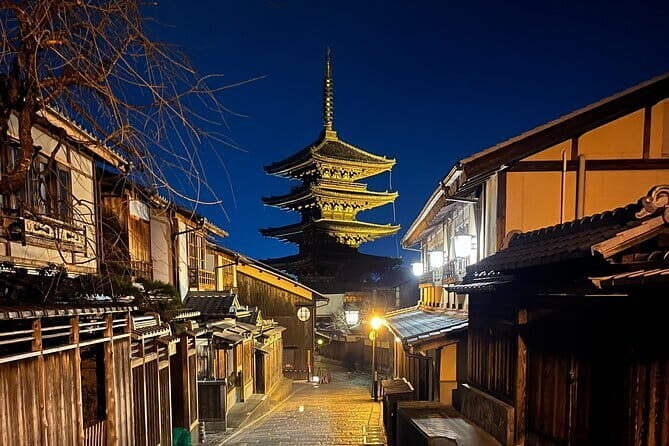
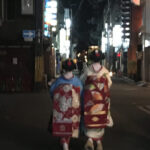
Next is Hanamikoji Street for about 20 minutes, also free. This is the iconic stretch associated with Gion’s geisha and traditional teahouses (ochaya). Even if you’re not hunting for a specific performance, the street itself tells the story: the architecture, the narrow walking space, and the way the neighborhood is designed for slow movement.
This is also where the guided context can change your experience. Without someone to explain what you’re looking at, it’s easy to see only the postcard angle. With a guide, you can better understand how the district fits into Kyoto’s cultural life and traditions.
Small-group format helps here. When you have a chance to ask questions, you stop treating the walk like a checklist and start treating it like a lesson.
Other walking tours we've reviewed in Kyoto




Kiyomizu-dera Temple: Big Views, One Extra Ticket
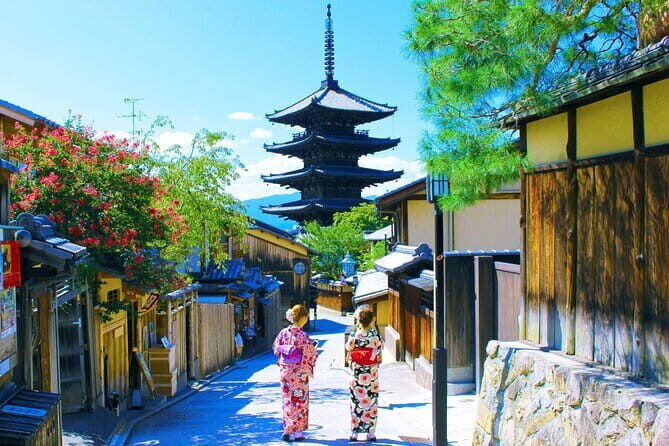
Stop 3 is Kiyomizudera Temple for about 1 hour. Admission isn’t included (¥500).
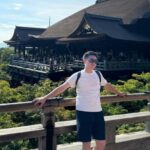
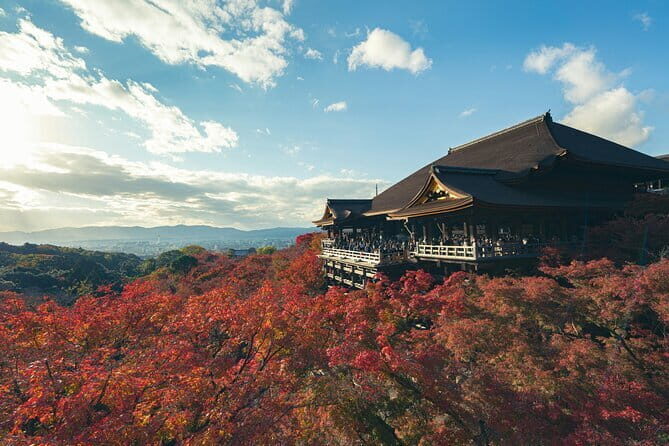
Kiyomizudera is known for its famous wooden stage and sweeping views over the city. On a morning walk, you get a little advantage: you arrive when the day is still early enough for the atmosphere to feel less chaotic. You also have more time to enjoy the approach and the surrounding areas before you reach the densest parts.
Important reality check: even on early tours, Kiyomizudera can still be crowded. One person specifically pointed out that it was already swarming by the time they got there, so don’t assume you’ll have it to yourself.
How to make the most of your hour:
- Prioritize the view and the main temple area first, then explore side spots if time allows
- Keep your pace steady. If you stop too long at one section, you can lose time where you’ll actually want it most
Budget note: plan to pay the ¥500 admission separately. That doesn’t ruin the value, but it does affect your total cost.
Sannenzaka and Ninenzaka: The Postcard Lanes
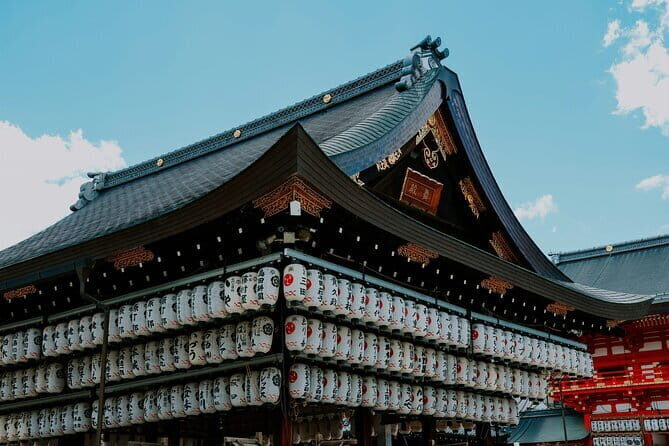
Stop 4 covers Sannenzaka and Ninenzaka for about 30 minutes, with admission not included (these are public lanes rather than paid attractions).
This part of Kyoto is all about texture. You walk stone-paved streets and traditional wooden townhouses, with small shops and local storefronts lining the lanes. It’s the kind of place where you slow down naturally, because the street design encourages foot traffic rather than speed.
What makes it especially good on this specific tour is the pacing. You go from a major temple experience (Kiyomizudera) into neighborhoods that feel like a living museum. That contrast helps you understand Kyoto beyond one landmark.
A practical tip: wear shoes you trust. Sannenzaka and Ninenzaka are charming, but you’ll be on your feet for the whole morning, and the stones add a little extra attention to where you step.
Yasaka-no-To and Yasaka Shrine: Red Gate Energy in the Morning
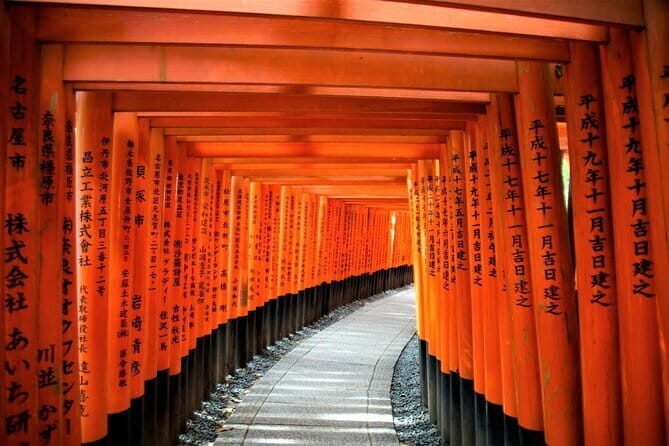
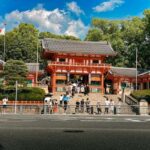
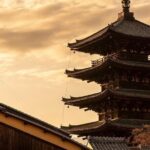
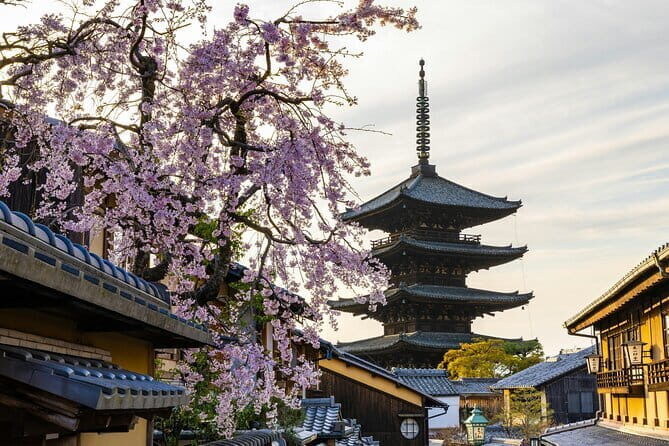
Stop 5 is Yasaka-no-To (Yasaka Pagoda) for about 10 minutes, free. Stop 6 is Yasaka Shrine for about 30 minutes, also free.
If you’ve seen photos of Kyoto, you’ve probably seen Yasaka Shrine’s vermilion gate. In the morning, that recognition hits differently because the space feels less packed. The tour timing helps you get a quieter look at the shrine’s setting and structures.
Yasaka-no-To is shorter in time, but it’s a great “pause” stop. Ten minutes is enough to photograph, orient yourself, and then move into the shrine area without feeling like you’re always rushing.
At Yasaka Shrine, you’re not just ticking a box. You’re seeing how Kyoto’s Shinto tradition is woven into the everyday street scene. That’s also where a good guide really helps: you’ll likely get explanations tied to what you can see in front of you, not just generic facts.
Guide Power: Why Caleb, Hiro, and Vincent Matter
This tour lives or dies by your guide, and the guides you might get here are often praised for communication and personality. Names that come up include Caleb, Hiro, and Vincent.
Here’s what that usually means in your actual experience:
- You’ll have English-speaking guidance that makes the history understandable, not just recited
- Your guide will be happy to answer questions, even ones that branch beyond the exact route
- You’ll get stories that connect the landmarks to Kyoto’s culture, not just dates on a page
- A friendly sense of humor can make the early start feel less painful
One guest even mentioned an amazing coffee stop at a place called Here. That kind of small, human touch is exactly why early tours can feel more like a morning adventure than a rigid schedule.
What to Do Before You Go: Shoes, Pace, and Crowd Strategy
This is a walking tour. Even though it’s only about 3 hours, you’re moving through classic sightseeing zones where you’ll often stop to look, take photos, and listen.
My practical advice:
- Wear comfortable walking shoes with good grip. Old-stone lanes plus camera stops add up fast.
- Dress for the morning temperature, not the daytime. Kyoto mornings can feel cooler than you expect.
- If your goal is photos, plan to move at the guide’s pace and save your longest photo time for places like the river area, Sannenzaka/Ninenzaka lanes, and the shrine gate area.
And remember the mindset: you’re not trying to outrun Kyoto. You’re trying to meet it at a calmer moment. That means being ready to walk, but also ready to slow down when your guide points out something you’d otherwise miss.
Who Should Book This Kyoto Gion Morning Walk
This tour is a strong fit if:
- You’re a first-time visitor to Kyoto and want an efficient introduction to the Higashiyama area
- You care about crow reduction and prefer quieter streets
- You like learning as you walk, with a guide who can explain and answer questions
- You want a morning plan that doesn’t require complicated logistics
It may be less ideal if:
- You hate waking up early. The whole point is the morning advantage.
- You expect Kiyomizudera to be empty. Even early, that temple can still attract a lot of visitors.
- You want a long, slow, in-depth temple day. This is a compact route, so you’ll get highlights rather than deep immersion into one site.
If you like a mix of neighborhood atmosphere (Gion Shirakawa, Hanamikoji) and major landmarks (Kiyomizudera, Yasaka Shrine), this route hits a nice balance.
Should You Book This Early Morning Gion Tour?
I’d book it if your priority is to see Kyoto’s big-name sights with less crowd pressure and you value a guide who can keep the walk organized and meaningful. At $49.42, you’re not paying for a long day—you’re paying for smart timing and navigation plus an English-speaking guide for about 3 hours.
One decision point: factor in Kiyomizudera’s ¥500 admission. If you’re already committed to paying it anyway, the tour feels like good value because it bundles Kiyomizudera with Gion and the old-town lanes on the same morning.
If you want the best odds of a calm experience, start with the mindset that you’re choosing the morning window on purpose. Then show up ready to walk. This tour rewards that approach.
FAQ
How long is the Kyoto Gion Early Morning Walking Tour?
It runs for about 3 hours.
What is the meeting point for this tour?
The tour starts at the Statue of Izumo-no-Okuni on Kawabatacho, Higashiyama Ward, Kyoto (605-0076). It ends back at the meeting point.
Is hotel pickup included?
No. Hotel pickup is not included.
What does the price include?
The tour includes an English-speaking guide and the approximately 3-hour walking experience. It also uses a mobile ticket.
Do I need to pay for Kiyomizudera Temple?
Yes. Kiyomizudera Temple admission costs ¥500 per person and is not included.
How many people are in the group?
The tour has a maximum of 12 travelers.
Where does the itinerary go?
You’ll visit Gion Shirakawa, Hanamikoji Street, Kiyomizudera Temple, Sannenzaka and Ninenzaka, Yasaka-no-To, and Yasaka Shrine.
Is the tour near public transportation?
Yes, it’s described as near public transportation.
What is the cancellation policy?
You can cancel for a full refund up to 24 hours in advance of the experience start time. If you cancel less than 24 hours before, you won’t receive a refund.
Will I get confirmation after booking?
Yes, confirmation is received at the time of booking.