That first sip tells a story.
This Kyoto CHOYA experience is a hands-on lesson in Japan’s ume culture that you actually taste. You get an English CHOYA Ume Concierge, sample different ume and sugar combos, and then make your own souvenir kit. I especially liked how the workshop turns a vague food memory into a real, specific flavor you can recreate at home.
Two things I really liked were the careful tasting stage and the feel-good structure. You compare ume varieties and sugar choices before you mix anything, so your final drink isn’t a guess. And the staff keep the vibe relaxed and photo-friendly, with a shop setting that feels more like a Japanese craft space than a tourist line.
One possible drawback: you need to choose your making option (and timing), because the shop runs sessions promptly and the workshop is focused on making either umeshu or ume syrup per booking, with some age rules depending on what you’re making.
In This Review
- Key highlights you’ll care about
- Why CHOYA’s ume workshop is a Kyoto story you can taste
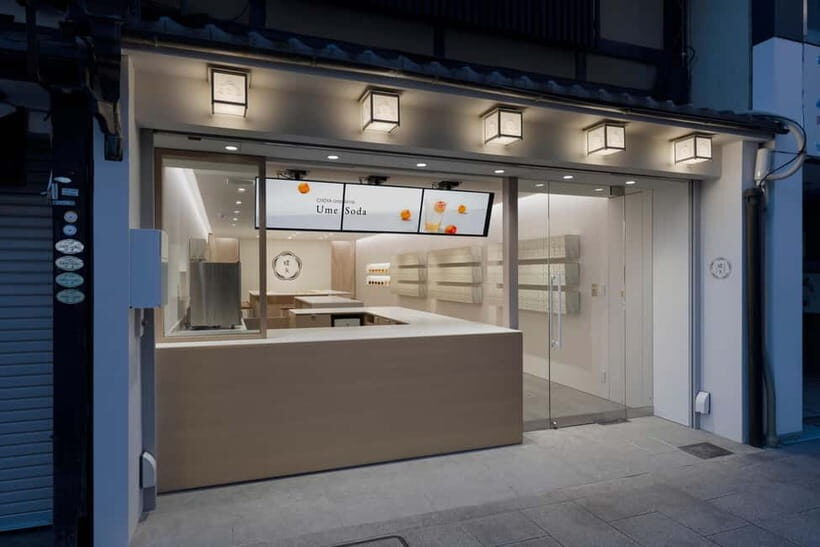
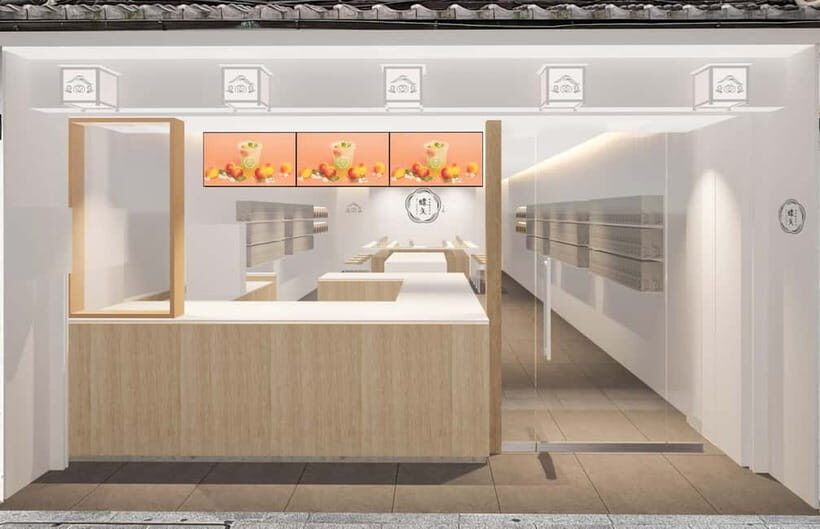
- Inside the shop: CHOYA Ume Concierge and a photo-friendly craft space
- The tasting stage: picking your plum and sugar pairing
- Making your own umeshu or ume syrup kit (and why booking choice matters)
- What happens to your bottle: the 1-week syrup and 1-month umeshu timeline
- Price and value: is $31 worth it?
- Who this workshop fits best in your Kyoto plan
- A few practical considerations before you go
- Should you book this CHOYA Make Your Souvenir workshop?
- FAQ
- How long is the Kyoto CHOYA ume workshop?
- Is the workshop available in English?
- Can I make both umeshu and ume syrup in one session?
- Is there an age limit for making umeshu or syrup?
- How soon will my souvenir be ready?
- Will the bottle be packed safely for flying?
- Does the price include hotel pickup or drop-off?
- Are there rules about food, drinks, or recording?
Key highlights you’ll care about
- English-first guidance from a CHOYA Ume Concierge, with materials in EN/CN/JP
- Taste before you mix: compare ume varieties and different sugars to choose your pairing
- Make-your-own souvenir kit packed for flight with a leak-proof cap
- Real waiting, real reward: syrup in about 1 week, umeshu in about 1 month
- Small groups (up to 10), so you’re not just watching from the side
- Guide names pop up in the experience; Takatori-san is noted as an excellent English guide
Why CHOYA’s ume workshop is a Kyoto story you can taste
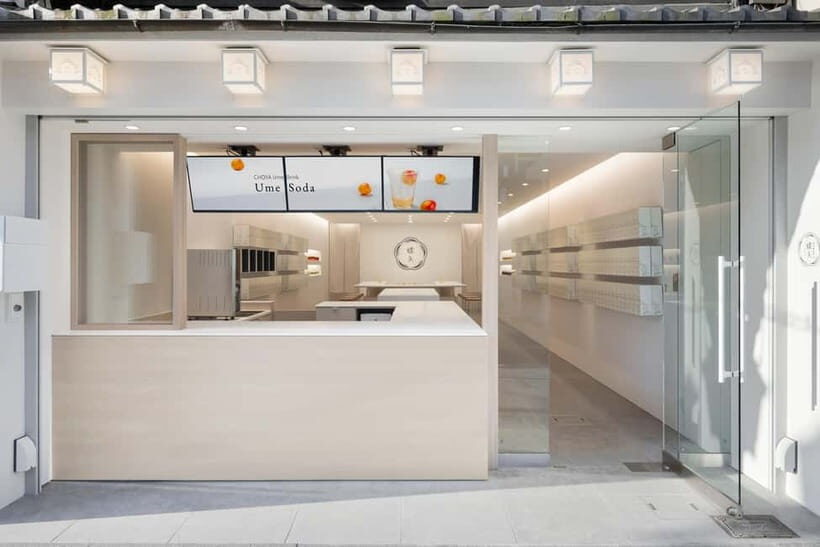
Kyoto is great at big sights, but I love the smaller, smell-and-flavor kinds of culture. This is one of those. Ume is Japan’s plum fruit tradition, used for centuries to make drinks and preserves. The shop frames the experience as a long-running Japanese practice you can understand in an hour—then extend at home while your bottle quietly works its magic.
What makes it practical is that the workshop doesn’t just say ume is special. It shows you how you get different results. In particular, you’ll notice how the sweetness side matters as much as the plum side. Different sugars can change how sharp, mellow, or rounded the final syrup tastes. That’s the kind of lesson you remember because you’re tasting it, not just hearing it.
If you're still narrowing it down, here are other tours in Kyoto we've reviewed.



Inside the shop: CHOYA Ume Concierge and a photo-friendly craft space
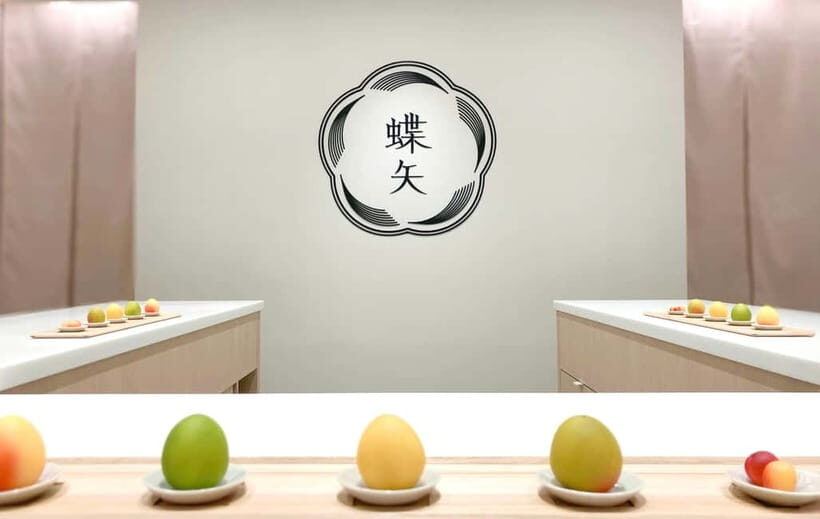
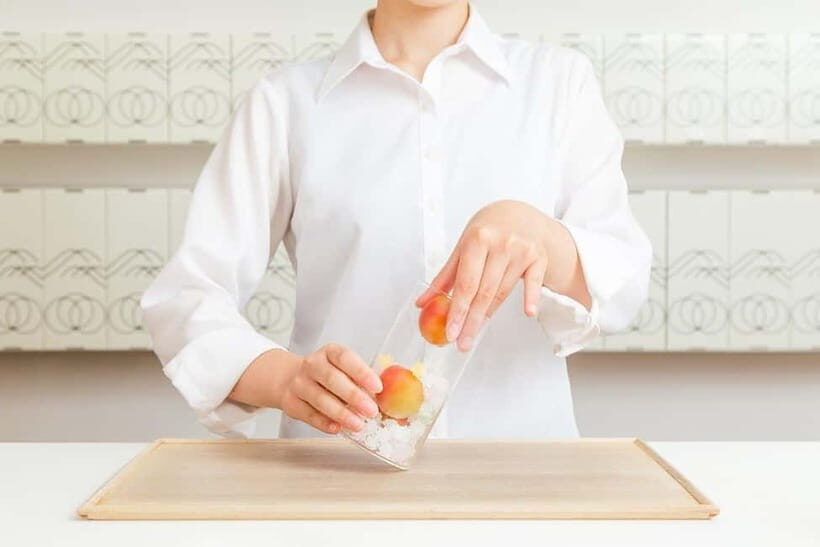
When you arrive, you’re not shoved into a loud crowd. The format is a small group capped at 10 participants, with an English live guide from CHOYA’s Ume team. You’ll have booklets available in English, plus Chinese and Japanese versions if you want them. Even if your Japanese is limited, the whole pace stays understandable.
One detail that matters: you can take photos anytime during the activity. That’s perfect for capturing the moment you mix your bottle, and it also lets you document your choice of ingredients for future you. The reviews also call out the building as beautiful, which makes the workshop feel like a Kyoto stop rather than a generic food demo.
You’ll also want to plan around the house rules. Food and drinks aren’t allowed, and audio recording is not permitted. Bare feet aren’t allowed either, so keep your socks/shoes on. It’s not strict in a scary way—it’s just the shop keeping the environment controlled while everyone works with ingredients.
The tasting stage: picking your plum and sugar pairing
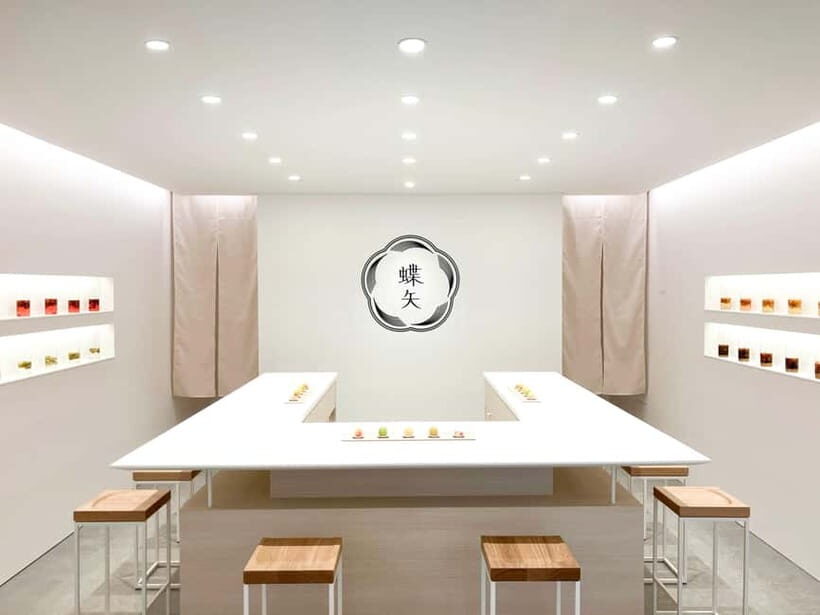
This workshop earns its keep during tasting. Before any mixing, you’ll taste different ume and sugar options so you can choose what you like. That matters because ume flavor isn’t one thing. Some varieties taste more floral or bright; others lean deeper. Then you add sugar, and the sweetness isn’t automatic—it changes the whole balance.
Here’s what I think makes this part valuable for you: it turns a souvenir into a personal recipe. Instead of buying a bottle and hoping it matches your tastes, you’re deciding the flavor direction in the room. You learn the logic behind the flavor choices, and you get a sense for how sweeteners behave with ume.
The experience also works well if you’re not a hardcore drink person. You can walk in curious and leave with actual decision-making skills. Reviews mention tasting different ume types and different sugars, then having fun making your own flavor. That’s exactly the win: you’re playing with real variables and learning through taste.
Making your own umeshu or ume syrup kit (and why booking choice matters)
The “make” part is where you get your hands dirty, literally, and where the souvenir stops being abstract.
In this workshop, you’ll choose your combination and place your order. Then you’ll use the special kit to make your unique ume product. The format is designed around making either umeshu or ume syrup, depending on what you booked. The shop notes that if your group wants to do both, you need to book separately—so don’t assume one ticket covers everything.
That separate-booking point is worth taking seriously. If you’re traveling with a friend and you both want both products, coordinate before you show up. Otherwise, you might end up with one person making one thing while the other makes the other. The shop is set up that way, and it’s easier when everyone lines up with the session.
Age rules also matter. The workshop information says making umeshu is limited to those 20 and older. Guests 19 and under can make ume syrup and participate. If you’re traveling with a teenager or a younger sibling, this can be a good way to include them without derailing the adult’s umeshu plan.
One review highlights an excellent guide experience led by Takatori-san, with everything in English. That kind of clear, step-by-step instruction is exactly what you want when you’re measuring and mixing for a future drink.
What happens to your bottle: the 1-week syrup and 1-month umeshu timeline
The payoff is waiting. And that’s the fun part if you like the idea of bringing a piece of Kyoto home that evolves after you leave.
You’ll take away your finished kit to store on your own timeline. The shop frames this as:
- Umeshu ready in about 1 month
- Ume syrup ready in about 1 week
That difference is huge for planning. If you want a quick reward, syrup is the fast track. If you’re okay with a longer project, umeshu gives you something to look forward to later. Either way, you’ll feel more connected to the drink because you made the decisions that shaped it.
Packaging also matters, especially if you’re flying. Your bottle is sealed with a leak-proof cap and packed in a durable box designed to be safe for air travel. You’ll also want to follow one key instruction: do not remove the silicone cap, and keep everything packed in the box for transport. That’s the difference between a smooth carry-home souvenir and a messy story you don’t want to tell.
There’s also practical help for customs. The shop says product specification sheets for customs clearance are available on their website. If you like to travel with fewer headaches, bookmark where to find those.



Price and value: is $31 worth it?
At about $31 per person for roughly 1 hour, the value depends on your goal.
If your goal is flavor education plus a take-home item, it can feel like a fair deal. You’re not just paying for a bottle. You’re paying for guided tastings, a structured mixing process, and the kit plus flight-ready packaging. The workshop is also small-group, capped at 10, which helps you get real interaction rather than watching from across the room.
For someone who already loves ume drinks, this kind of workshop can be a stronger value than buying a standard souvenir because you end up with something customized. You get to taste varieties and sugars and then create your own pairing. That personalization is where the price starts to feel justified.
If you mainly want a cheap snack and a quick photo, $31 may feel steep. But if you want a Kyoto craft experience you can taste and then use, the cost lines up with the deliverables: learning, making, and going home with a proper souvenir kit.
Who this workshop fits best in your Kyoto plan
I think this one fits especially well if at least one of these is you:
You’re a CHOYA fan or you want to understand why CHOYA is a big name in umeshu. The shop positions itself as the world’s No. 1 umeshu brand with over 100 years of history, and you’ll feel that seriousness in how the workshop is organized.
You like Japanese food and drink culture and want something beyond just visiting a bar or buying a bottle. The workshop is tied to Japan’s ume tradition, and you learn the craft side—especially the sugar pairing logic.
You want a Kyoto activity that isn’t physically exhausting. It’s one hour, indoor, and the space is listed as wheelchair accessible. Reviews also point to a friendly teaching style, which matters when you’re working with ingredients and want confidence.
And if you’re traveling with teens, the age rule around making syrup can make this an easy “everyone participates” option. Ume syrup making is open to 19 and under.
A few practical considerations before you go
This is where you can avoid disappointment.
Sessions start promptly. The workshop notes that if you arrive late, you may miss part of the program. If you’re tight on timing in Kyoto, give yourself buffer time so you don’t gamble with traffic, trains, or getting lost for 10 minutes.
No outside food or drinks. You’ll want to eat before you go. The rules are meant to keep the tasting environment clean and organized, so don’t count on snacking during the workshop.
Know what you’re booking. Because umeshu and ume syrup making are treated as separate booking options for groups, double-check what you’ll actually make. If you’re hoping to leave with both, plan it like two separate creations.
Alcohol and intoxication aren’t allowed. The workshop is about making and learning. Keep it focused.
Photos are fine, audio recording isn’t. Bring your phone for pictures, but don’t plan on recording audio.
Finally, follow the travel instruction: keep the silicone cap on and keep the kit packed in its box. That’s not bureaucratic fuss—it’s the safety system for your souvenir.
Should you book this CHOYA Make Your Souvenir workshop?
If you want a Kyoto souvenir with actual flavor logic behind it, I’d book it. This is one of those rare activities where you learn by tasting, then you leave with something you can use (syrup soon, umeshu later). The small-group English guidance and the chance to personalize your sugar-and-ume pairing make it feel more like a craft lesson than a shopping stop.
I’d skip it only if you’re not into ume drinks at all, or if your schedule is so tight that a prompt start could stress you out. Also, if you’re traveling in a group and you want both umeshu and syrup, plan your bookings ahead so everyone makes what they came for.
If you’re the type who likes to bring home food memories that aren’t just photos, this workshop is a solid yes.
FAQ
How long is the Kyoto CHOYA ume workshop?
The experience lasts about 1 hour.
Is the workshop available in English?
Yes. The live guide and materials are available in English, with booklets also offered in CN and JP.
Can I make both umeshu and ume syrup in one session?
If your group wants to do both, the shop notes that you should book separately.
Is there an age limit for making umeshu or syrup?
Umeshu making is limited to those 20 years of age or older. Guests aged 19 and under are welcome to make ume syrup and participate.
How soon will my souvenir be ready?
Umeshu is ready in about 1 month, while ume syrup is ready in about 1 week.
Will the bottle be packed safely for flying?
Yes. Your item is sealed with a leak-proof cap and packed in a durable box for air travel. Don’t remove the silicone cap and keep it packed.
Does the price include hotel pickup or drop-off?
No. Pickup and drop-off at your hotel are not included.
Are there rules about food, drinks, or recording?
Food and drinks are not allowed, intoxication is not allowed, audio recording is not allowed, and bare feet are not permitted.