Kyoto by e-bike feels like a cheat code. I like that this ride strings together the two big Kyoto hits—Kinkaku-ji and Arashiyama Bamboo Forest—with lesser-visited streets in between. I also love how the tour uses guided context, from shrine lore to garden details, so the temples feel more than just photo stops. One thing to consider: the route runs in protected areas with foot traffic and popular sights, so you’ll want to stay patient when crowds pile up at Kinkaku-ji.
You’ll likely appreciate the small-group feel too. The tour caps at 8 travelers, and the guides mentioned in recent experiences—like Diego, Jody, and Jorge—are repeatedly praised for clear English and practical help, including quick management of busy entry lines at Kinkaku-ji. Still, because this is a bike tour, your comfort with city riding and traffic rules matters, even with e-bike assistance.
In This Review
- Key highlights to know before you go
- First, the vibe: why this e-bike tour works in Kyoto
- Starting point near transit: where to meet and what to expect
- The ride itself: e-bikes, pace, and keeping the group together
- Kitano Tenmangu Shrine: the learning shrine you ride past first
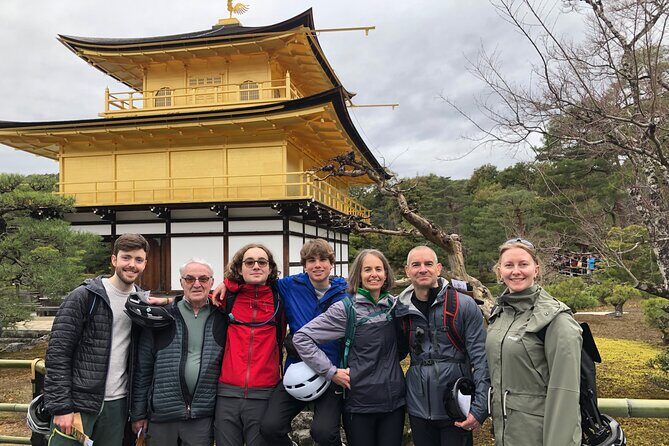
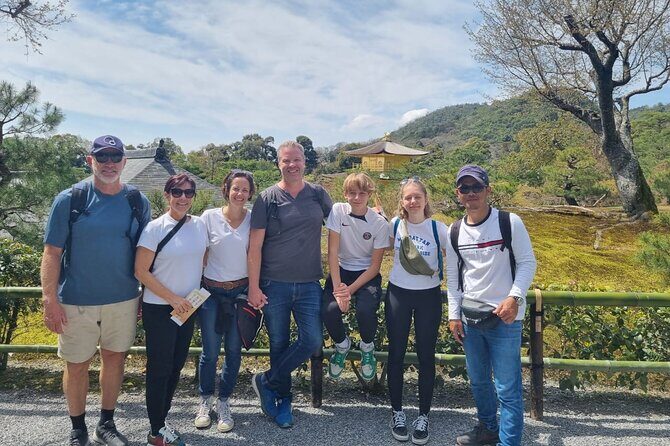
- Kinkaku-ji (Golden Pavilion): reflections, timing, and how to handle the crowds
- Tenryu-ji Temple: UNESCO Zen garden time that feels worth the walk
- Arashiyama Bamboo Forest Trail: the 45-minute photo window you’ll actually use
- How the tour fits into a Kyoto plan (and who it suits best)
- Value check: is $99.08 a fair deal for this mix?
- Guide quality matters: the named pros behind the experience
- Should you book this Kyoto e-bike tour?
- FAQ
- How long is the Kyoto Bamboo Forest & Golden Pavilion e-bike tour?
- Where does the tour start?
- What stops are included in the itinerary?
- Are admission tickets included?
- How many people are in the group?
- What if the weather is bad?
Key highlights to know before you go
- E-bike support: makes a ~20 km day feel manageable for many people
- A tight, efficient route: Kinkaku-ji + Tenryu-ji + Arashiyama, with backstreets in between
- Small groups (max 8): easier pacing and less time herding the group
- Guides with strong English: names you may hear in recent experiences include Diego, Jody, and Jorge
- Included admissions on major stops: tickets are covered for multiple temples
- A calm Bamboo Forest block: enough time to linger and frame photos
First, the vibe: why this e-bike tour works in Kyoto
Kyoto rewards slow wandering, but it also punishes inefficient planning. This tour tries to solve that by using e-bikes to cover distance while still giving you real time on foot where it counts.
I like the balance: you get the headline locations without treating everything like a drive-by. After a shrine start in Kitano, you pedal through everyday neighborhoods and connecting routes, so the day doesn’t feel like a straight line from one checkpoint to the next. Then the ride finishes in Arashiyama, the part of town many people come for specifically because it feels quieter and more atmospheric once you reach the bamboo grove area.
Another smart touch is pacing. The tour is listed as about 5 to 6 hours, which is enough time to see all four major stops without turning the day into a full-day grind. And because the group is small, you spend more time looking and less time waiting.
A few more Kyoto tours and experiences worth a look

Starting point near transit: where to meet and what to expect
The tour meets at Memory Kyoto Bike Tour, at 8-6 Umaryo-cho, Nishinokyo, Nakagyo-ku, Kyoto. It’s noted as being near public transportation, which matters in Kyoto where getting across the city can take longer than you expect.
Plan to arrive a few minutes early so you can handle any pre-ride basics smoothly—bike fit and instructions—before you set off. The experience uses a mobile ticket, so you’ll want your phone charged. It also ends back at the meeting point, which removes one more headache from your day.
If you’re combining this with other activities, keep in mind the tour doesn’t end somewhere else in the city. You’ll be headed back toward the start area when you’re done.
The ride itself: e-bikes, pace, and keeping the group together
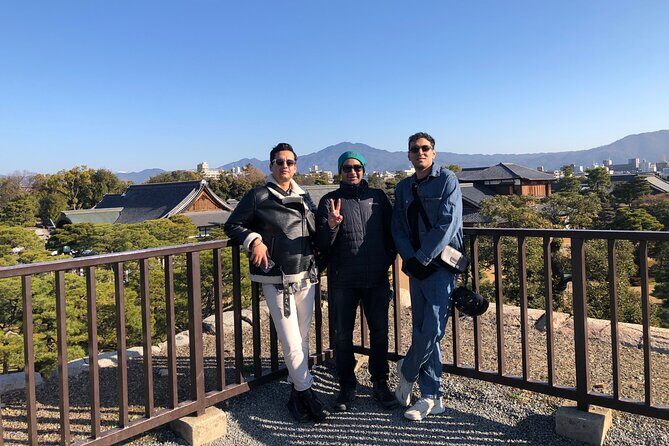
This isn’t a “sport bike” day. It’s an e-bike tour, and that matters. One of the most repeated points from recent experiences is that e-bikes make the ride easier—especially for covering the day’s distance without feeling physically crushed afterward. In other words, it’s still an active tour, but the battery support helps you focus on sights instead of survival.
Pacing tends to be guided and structured: you ride between stops, then you get about 30 to 45 minutes at each site. That timing is helpful because Kyoto’s most popular places don’t run on your schedule. You can’t control crowds, so the real win is having a plan that builds in enough time for entry lines, photo moments, and quiet walking.
There’s one small practical tradeoff. With bike groups, you can stretch out on wider roads or during transitions, and that can happen even in a small group. The practical answer is simple: listen for regroup instructions and don’t wander off during crossings or busy stretches.
Kitano Tenmangu Shrine: the learning shrine you ride past first
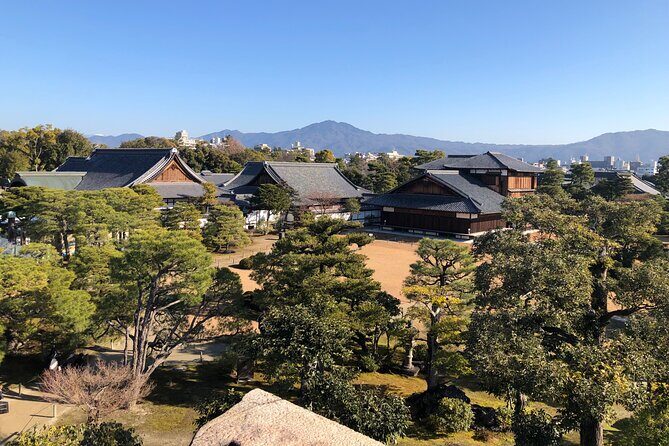
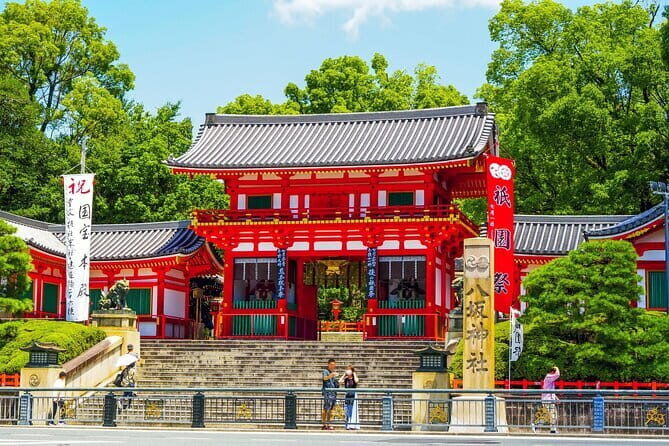
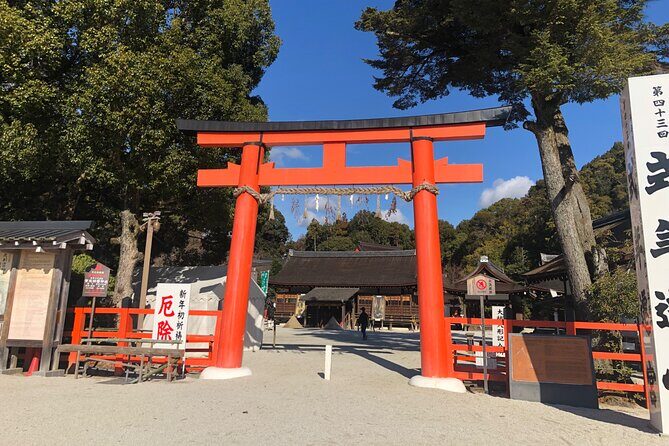
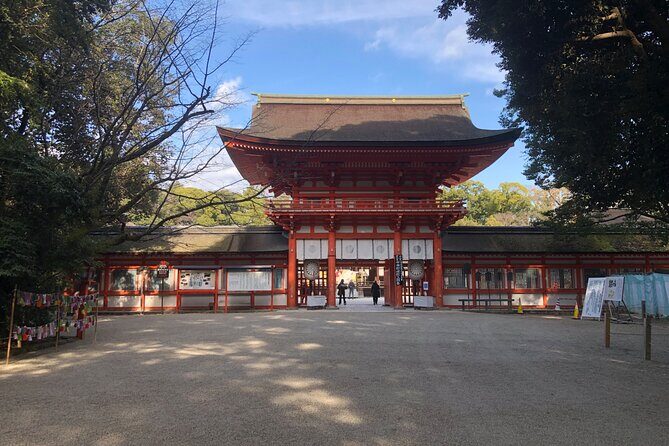
The tour starts at Kitano Tenmangu Shrine. This is where the day gains a story. You’re there for about 30 minutes, and the shrine’s link to Sugawara no Michizane, the deity of learning, gives you a way to interpret what you’re seeing beyond the buildings themselves.
There’s also a seasonal detail in the tour description: about 1,000 plum trees, known for blooming in early spring. If you’re traveling in that window, this kind of detail can turn a quick stop into a memorable one, because you’ll see the trees not just as background scenery but as part of the shrine’s identity.
Why I like starting here: it sets a more reflective tone before the day hits the most famous “wow” sights. It also gives you a calm moment to get settled on the bike before heading into the busier attraction zones later.
Kinkaku-ji (Golden Pavilion): reflections, timing, and how to handle the crowds
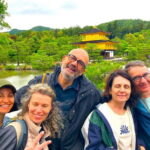
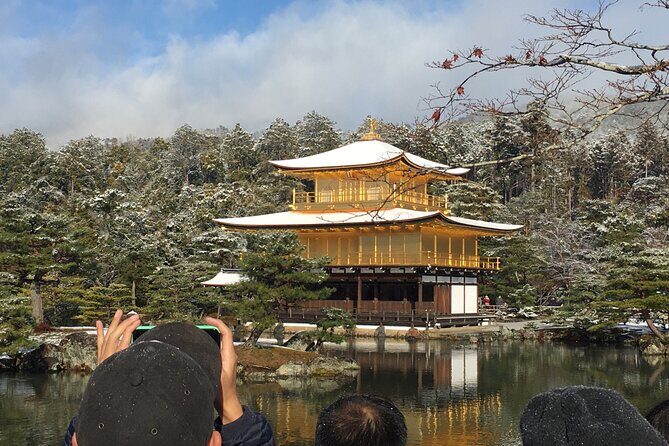
This is the headline stop, and it’s scheduled for 45 minutes with an admission ticket included. At Kinkaku-ji Temple, you’re set up to appreciate the temple’s transformation—from an older retirement-villa origin to its current Zen role—and then, of course, the famous gold-leaf exterior.
The pond reflection is a big part of why Kinkaku-ji is so widely photographed. The tour description points you toward capturing the shimmering reflection on the water, and that makes sense: reflections are a key moment at this temple, and you’ll want a few minutes of patience to find a good viewpoint and lighting angle.
The one consideration is crowds. Kinkaku-ji is frequently packed, and the line can look intimidating. The good news: guides named in recent experiences have been praised for getting groups in without waiting once they arrived. That doesn’t eliminate crowds, but it can save you a chunk of time that you’d otherwise lose to standing.
A few more Kyoto tours and experiences worth a look



Tenryu-ji Temple: UNESCO Zen garden time that feels worth the walk
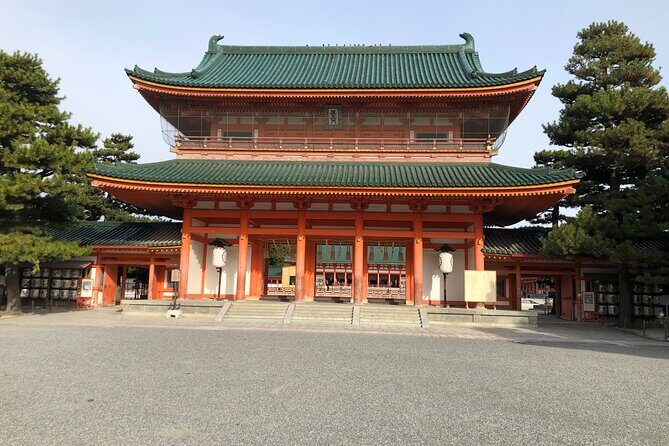
After Kinkaku-ji, the route heads toward Tenryu-ji Temple, another 45-minute stop with an admission ticket included. Tenryu-ji is a UNESCO World Heritage site (listed as such in the tour details), and it’s best understood as a garden you can experience by walking and looking rather than just standing still for one “big shot.”
The tour highlights the temple’s garden as one of the finest, which matches how visitors usually experience Tenryu-ji: the garden is laid out to reward slow movement and multiple viewing angles. If you want one stop on this tour that feels like a quiet reset after busy temple crowds, this is it.
This is also the kind of place where a guide earns their keep. When someone explains what you’re seeing—why specific pathways work, or what the garden design is trying to convey—the experience turns from scenery into meaning.
Arashiyama Bamboo Forest Trail: the 45-minute photo window you’ll actually use
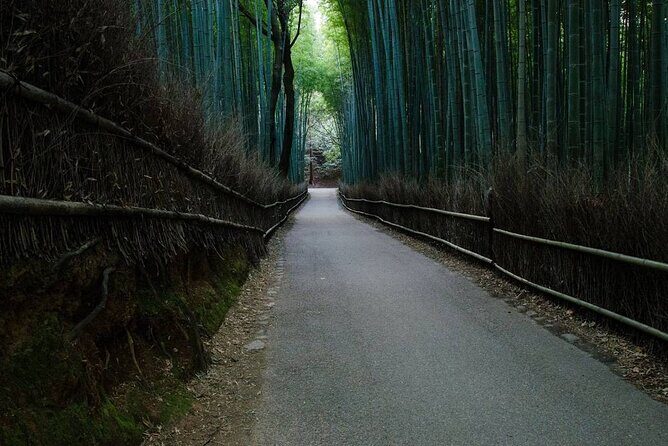
Next up is the Bamboo Forest Trail connected to the Arashiyama Bamboo Forest area. You get 45 minutes, and the tour details list an admission ticket as included.
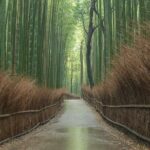
Even if you’ve seen pictures, bamboo still hits differently in person. The tall trunks create a tunnel effect, and the tour description emphasizes how the stalks sway and how the forest has a reputation for sturdiness and resilience. That kind of language might sound poetic, but on site it helps you notice more than “green walls.” You start tracking the movement, how light filters through, and how the perspective lines pull you forward.
Photo lovers will be happy here, but I’d encourage you to do more than shoot from one spot. The forest rewards walking a little bit, then pausing to watch the light change as people pass through. You don’t need to become a professional photographer, but you do want to avoid rushing.
One timing note: 45 minutes is long enough to enjoy it, but not so long that you’ll feel stuck if crowds are heavy. It’s a good match for this tour’s overall structure.
How the tour fits into a Kyoto plan (and who it suits best)
This is a great option if you want to hit major temples without spending your day transferring between train stations and buses. It’s also a strong pick if your itinerary has multiple neighborhoods and you don’t want the transfer time to eat your sightseeing hours.
It’s especially suitable if:
- you’re short on time and want Kinkaku-ji + Tenryu-ji + Arashiyama in one organized loop
- you don’t want to bike far on your own and benefit from e-bike support
- you like having someone explain what you’re seeing, including shrine and garden context
It may be less ideal if you strongly prefer unstructured wandering and don’t want a set route. Also, if you have limited comfort riding in traffic-adjacent streets, stick close to the guide and follow instructions carefully.
Value check: is $99.08 a fair deal for this mix?
At $99.08 per person, you’re paying for more than just bike rental. You’re buying guided time across multiple major sites plus transportation by e-bike between them, and the itinerary lists admission tickets included for Kinkaku-ji, Tenryu-ji, and the Bamboo Forest Trail (while Kitano Tenmangu is free).
So the value angle looks like this:
- You get four notable sites in about 5 to 6 hours
- Several of the attractions’ entry costs are included
- You’re not wasting time navigating Kyoto between scattered stops
- The group size stays intimate (max 8), which affects how much you actually get out of the guide’s attention
One thing I like about the pricing on a tour like this is that it’s designed for people who want efficiency without turning Kyoto into a checklist. If you’d otherwise spend money on admissions plus time plus transit hassle, this can feel like a practical shortcut.
Guide quality matters: the named pros behind the experience
Across recent experiences, guides are repeatedly described as friendly and helpful, with strong English skills. Names you may hear include Diego, Jody, and Jorge.
That matters because a tour like this lives or dies by interpretation. At Kinkaku-ji, for example, you’ll see the gold. The deeper win is understanding the shift from earlier origins to its current Zen purpose. At Tenryu-ji, you’ll see a garden. The deeper win is knowing what you’re looking for as you walk. And at Arashiyama Bamboo Forest, you’ll see bamboo. The win is learning how to slow down so you don’t miss the changing light and perspective.
One extra anecdote stands out in the review information: at least one guide (Jody) was praised for helping during a medical emergency. That’s not something you plan for, but it does suggest the guides are attentive to the group’s real needs, not just sightseeing scripts.
Should you book this Kyoto e-bike tour?
Yes, if you want an organized way to see Kyoto’s big names without turning your day into logistics. This is a strong pick for first-time visitors, for couples, and even for families who want a structured route that’s still active. The e-bikes make it easier for a range of fitness levels, and the small group size helps keep the experience feeling personal.
Skip it if you’re the type who dislikes schedules or you already know you only want to wander freely in one neighborhood. Also, if weather is questionable, you might prefer a flexible plan, since the experience notes it requires good weather.
If you’re trying to build a tight Kyoto day around iconic temples and you like having a guide explain what you’re seeing, this is the kind of tour that can save time and improve the payoff.
FAQ
How long is the Kyoto Bamboo Forest & Golden Pavilion e-bike tour?
The tour is listed as about 5 to 6 hours.
Where does the tour start?
It starts at Memory Kyoto bike tour, 8-6 Umaryo-cho, Nishinokyo, Nakagyo-ku, Kyoto city, and it ends back at the meeting point.
What stops are included in the itinerary?
The tour includes Kitano Tenmangu Shrine, Kinkaku-ji (Golden Pavilion), Tenryu-ji Temple, and the Bamboo Forest Trail in Arashiyama.
Are admission tickets included?
Admission tickets are listed as included for Kinkaku-ji Temple and Tenryu-ji Temple. The Bamboo Forest Trail is also listed as having an admission ticket included. Kitano Tenmangu Shrine is listed as free.
How many people are in the group?
The maximum group size is 8 travelers.
What if the weather is bad?
The experience requires good weather. If it’s canceled due to poor weather, you’ll be offered a different date or a full refund.