Arashiyama looks different when you walk it. This half-day tour threads together the bamboo forest with temple gardens and local streets, so you get more Kyoto than just the photo-famous grove. You also get guided context along the way, plus included entrance fees and tour photos so you can keep your phone for actual sightseeing.
I especially love the small-group size (max 7). It keeps things calm, makes it easier to ask questions, and helps you move between quieter spots instead of getting swallowed by the crowd flow. I also like that lunch and key site access are handled for you, including a Kyoto-style meal and a matcha break.
One possible drawback: this is still a walking tour. If you have mobility limits, you may find the route too demanding, and there’s limited flexibility for dietary needs since special meals are not guaranteed allergy-free.
In This Review
- Key things that make this Arashiyama tour worth it
- Arashiyama on foot: why the bamboo forest is only the start
- Small-group pacing with guides like Josh, Ayuri, and Masa
- Hokyoin’s hidden garden: starting Kyoto with calm
- Sagaogurayama back streets: the part most people skip
- Bamboo Forest Street: how to see the grove without the chaos
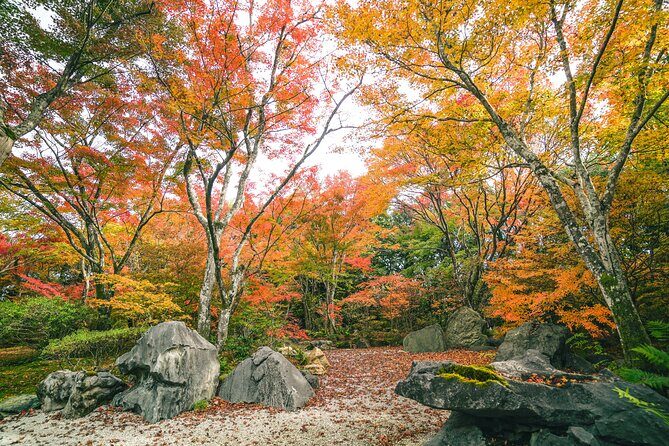
- Okochi Sanso Garden: where the views feel staged by nature
- Matcha and lunch near Togetsukyo: fuel that tastes like Kyoto
- Tenryu-ji Temple: Zen paintings, garden calm, and World Heritage energy
- Finishing at Togetsukyo Bridge: shop street plus a last view
- Walking time and comfort: plan for real steps
- Price and value: where $129.33 makes sense
- Who should book this Arashiyama walking tour
- Should you book this Arashiyama half-day walking tour?
- FAQ
- How many people are in the group?
- How long is the tour and how much walking is involved?
- What’s included in the price?
- Where do I meet the tour, and where does it end?
- Is lunch vegetarian, vegan, or gluten-free available?
- When should I request dietary needs or allergies?
- Does the tour visit religious sites? What should I wear?
- Can I cancel and get a refund?
Key things that make this Arashiyama tour worth it
- Max 7 participants for a more personal pace and easier conversation with your guide
- Temple and garden entrance fees included, so you’re not stopping to figure out tickets
- Guided matcha stop with a small tea-ceremony snack, not just a quick caffeine grab
- More than the bamboo forest: hidden garden, back streets, and Okochi Sanso Garden
- Included lunch near Togetsukyo Bridge, built into the tour flow instead of tacked on
- Tour photos provided afterward, so you don’t spend the day juggling selfies
Arashiyama on foot: why the bamboo forest is only the start
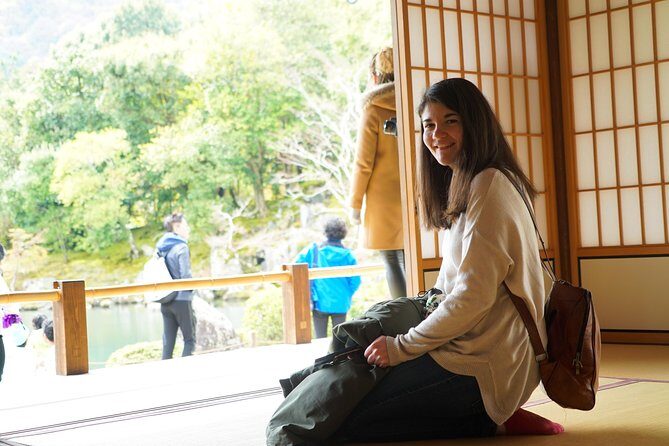
Arashiyama is one of those Kyoto districts that looks simple on a map. In real life, it’s layers: river views, temple grounds, side lanes, and gardens that feel like they belong to a different pace of time.
This tour works because it doesn’t treat the bamboo forest as the whole event. You start with lesser-seen atmosphere, then build toward the big-name sights like Tenryu-ji Temple and Togetsukyo Bridge, while still slipping in calmer spaces along the way.
I also like that the format is designed for flow. You’re not bouncing around Kyoto on trains and taxis all afternoon. You stay in Arashiyama and let walking connect the dots.
A few more Kyoto tours and experiences worth a look

Small-group pacing with guides like Josh, Ayuri, and Masa
The biggest quality-of-life win here is the group size: up to seven travelers. That matters in Arashiyama because crowd density can spike fast, especially around bamboo and bridge areas. A smaller group lets your guide keep you oriented and moving at a comfortable speed.
The guidance itself seems to be a major reason people rate this tour so highly. Names that show up in past guide praise include Josh, Ayuri, Yuki, Masa, and others, with comments about clear explanations, humor, and staying attentive to where everyone is in busy spots. Even if you only remember a handful of points, those stories make the sites feel more intentional.
Also, you get help with what to look for. In temple and garden spaces, there are details that are easy to miss when you’re just scanning for landmarks. A good guide helps you notice things like garden layout choices and what the art and space are trying to communicate.
Hokyoin’s hidden garden: starting Kyoto with calm
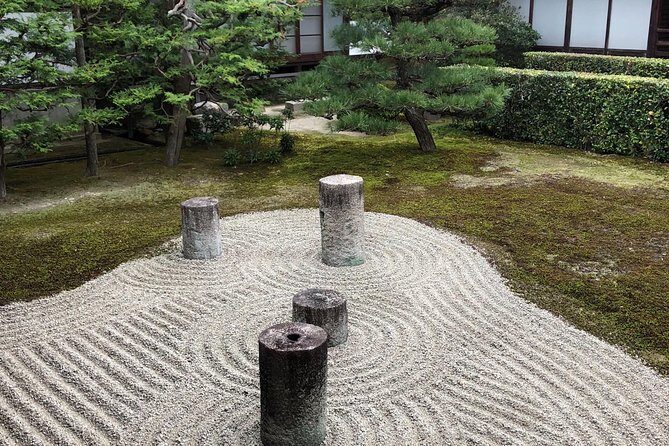
The tour begins at Hokyoin, a hidden garden stop with an authentic Kyoto feel. This is a smart opener because it gets you into the mindset of the day before the bamboo rush hits.
A short visit (around 15 minutes) means you should arrive ready to slow down. Look for the transitions: where the garden frames your view, where paths guide your attention, and how quiet areas change the way you hear the surroundings.
Practical note: because it’s a garden and temple space, dress respectfully. That’s not just a rule here; it helps you blend in and feel comfortable moving through the grounds.
Sagaogurayama back streets: the part most people skip
Next you move through Sagaogurayama Donomaecho, a stretch framed as hidden gems and local back streets. This segment lasts about an hour, and that time is where the tour earns its “walk” promise.
Instead of only chasing big icons, you get small context. You’ll likely notice everyday Kyoto textures: shopfront life, street rhythm, and that feeling of being among residents rather than just on a corridor built for visitors.
This is also where the tour can feel especially valuable if you’re the type who likes photos, but not only famous ones. Back lanes and in-between spaces often produce the most Kyoto-looking images because they’re not staged for crowds.
Bamboo Forest Street: how to see the grove without the chaos
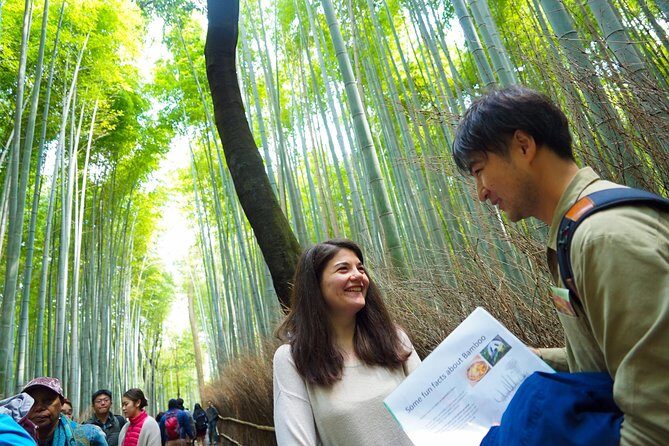
Yes, you’ll reach the famous area: Bamboo Forest Street and its bamboo visuals. The stop is short (around 15 minutes), but the point isn’t to stand in one place. It’s to experience the scale and the walk-through feeling that makes this grove so dramatic.
One key advantage of going with a small group is pacing. You can move, pause, and reposition without fighting a constant stream of strangers. In the past, people have specifically highlighted going early enough that it wasn’t overly crowded. Even if the exact crowd level changes day to day, the structure helps.
Photo tip: don’t only shoot straight down the main corridor. Try framing layers—bamboo stalks that overlap with walkway edges—or capture the way light drops along the path. That’s where the grove looks more cinematic than just “tall bamboo.”
A few more Kyoto tours and experiences worth a look




Okochi Sanso Garden: where the views feel staged by nature
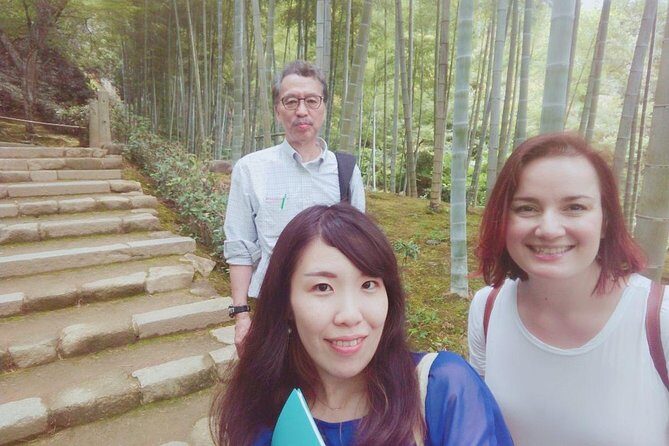
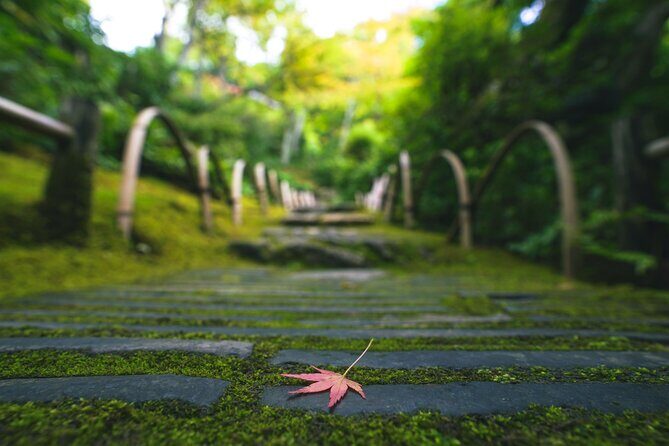
Then comes Okochi Sanso Garden, one of those places where Kyoto’s garden design becomes obvious in the best way. The visit is about 45 minutes, and it gives you room to actually enjoy the space rather than just pass through.
This is a Japanese garden setting that pairs well with a guided explanation, because garden features tend to “read” differently depending on where you stand. A guide can help you understand what the garden is doing with sightlines and why certain angles feel more calming.
People also mention how serene these temple-and-garden stops are, and Okochi Sanso fits that reputation. If you’re a visitor who thinks bamboo is a must but gardens are a bonus, you’ll probably leave here wanting more time.
Matcha and lunch near Togetsukyo: fuel that tastes like Kyoto
At some point you take a real break: lunch near Togetsukyo Bridge. The meal slot is about an hour, and it’s not a random restaurant stop. It’s planned so you can reset without losing the rhythm of the day.
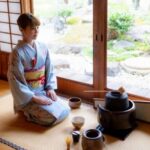
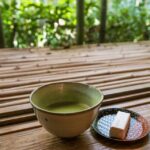
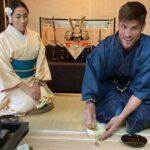
What I like most is that lunch is included and described as authentic Kyoto-style, with options for vegetarian/vegan/gluten-free available but limited. The tour also includes a matcha drink and a small snack tied to a tea-ceremony feel. This is the kind of included touch that turns a “walk and see” tour into a lived-in experience.
One real-world heads-up: special diet requests are limited, and the data says you should request them at least one day ahead. The notes also clarify that allergy-free meals can’t be guaranteed since meals are prepared in kitchens not controlled by the tour. If you have a serious allergy, email or message early and set expectations.
After lunch, you’re in a great position to enjoy Togetsukyo Bridge area properly—less rushed, more relaxed, and ready to appreciate the river-and-bridge scenery without thinking about your next snack.
Tenryu-ji Temple: Zen paintings, garden calm, and World Heritage energy
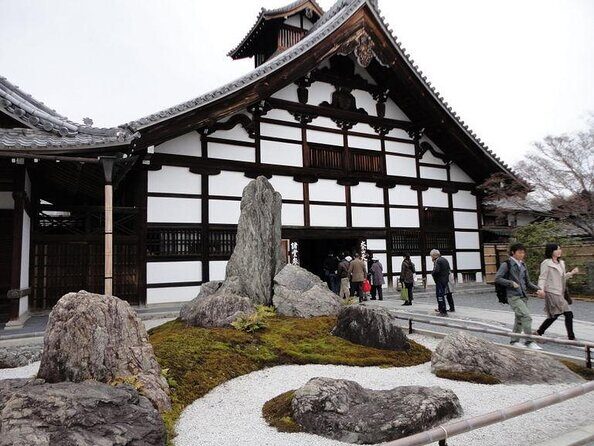
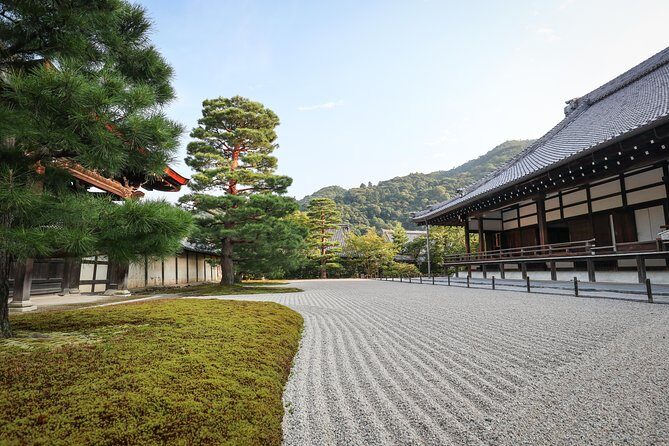
The anchor temple stop is Tenryu-ji Temple, a World Heritage site, visited for about 30 minutes. This is where your guide’s storytelling can really matter, because Tenryu-ji is not just about buildings. It’s about atmosphere and how the garden and art communicate ideas.
Expect Japanese gardens and Zen-related elements like paintings, with commentary guiding what you’re seeing. Even a short visit can feel meaningful when someone explains the logic behind the space and how visitors are meant to move through it.
Because this is a Buddhist space, be sure you’re dressed respectfully. Also, keep your voice down. It sounds obvious, but it’s the difference between a peaceful stop and a distracted one.
Finishing at Togetsukyo Bridge: shop street plus a last view
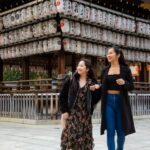
You end near Togetsukyo Bridge and the souvenir/nearby shopping street. The final stop is about 20 minutes, and it’s designed as an easy landing after temple time.
This last stretch is where you can turn your favorite photos into real purchases: small crafts, snacks, and souvenirs that match the Arashiyama vibe. Since the finish point may shift depending on the lunch restaurant location, use the guide’s directions once you’re close.
If you’ve had enough walking, this end section is also a good place to slow down. You’re not being rushed toward another ticketed site—you’re being given time to absorb the area.
Walking time and comfort: plan for real steps
The tour lasts about 5 hours total, with roughly 4 hours walking. That means you should treat this like a half-day trek, not an easy stroll.
In past feedback, people mention step counts around 28,000. You might not match that exact number, but it’s a useful signal: wear proper shoes and don’t rely on fashion footwear.
Weather matters too. The tour notes that summer highs can reach around 40°C (104°F) and winter lows can drop to -5°C (23°F). Bring water, sun protection, and layers for cooler days.
And yes, the operator may cancel for safety in unsuitable weather. If you’re traveling in peak heat or winter cold, build in flexibility to your day.
Price and value: where $129.33 makes sense
At about $129.33 per person, this isn’t a budget “just show up” walking tour. But the value case is clear when you look at what’s included.
You get:
- Entrance fees to 2 temples and 1 garden space
- Lunch plus matcha and a small tea-ceremony snack
- Guided commentary throughout the stops
- Tour photos provided afterward
- A certified guide and a small group cap at 7
For many visitors, the “included” pieces are what justify the price. You don’t have to buy tickets for major sites on the fly, and the lunch is built into the day so you’re not spending your limited Kyoto time hunting for something that works.
Also, if your guide helps you see bamboo and gardens with context, that emotional value is real. You leave with more than a photo dump—you leave with a mental map of why the places matter.
Who should book this Arashiyama walking tour
This tour fits best if you want:
- A guided bamboo forest experience that includes more than one famous stop
- Temple and garden time with explanation (Tenryu-ji plus Okochi Sanso)
- An included lunch and matcha break that feels Kyoto, not generic tourist food
- A smaller group pace to help you avoid the worst crowd pressure
It’s likely less ideal if you:
- Have mobility issues or need frequent breaks beyond what a walking tour can reasonably provide
- Have complex allergy needs that require guaranteed ingredient control (the tour notes you can’t assume allergy-free meals)
Should you book this Arashiyama half-day walking tour?
Yes, I’d book it if your goal is to see Arashiyama the way locals and garden-lovers experience it: on foot, with temple-and-garden focus, and with a lunch plan that keeps you from losing time.
Skip or consider a different format if walking distance is a problem for you, or if your dietary requirements are strict and safety-critical. Otherwise, the combination of small-group attention, entrance fees included, and a guided route that goes beyond bamboo makes this a strong value for a first or second visit to Kyoto.
FAQ
How many people are in the group?
The tour has a maximum of 7 travelers, which keeps the pace more comfortable and more personal.
How long is the tour and how much walking is involved?
The tour runs about 5 hours total (approximately). It includes about 4 hours of walking during the main sightseeing portion.
What’s included in the price?
Entrance fees to temples and a Japanese garden are included, along with a matcha drink with a small tea-ceremony snack, lunch, and tour photos. A certified guide is also included.
Where do I meet the tour, and where does it end?
You start at 嵯峨嵐山駅北口タクシー乗り場 (near Sagatenryuji). You end at Togetsukyo Bridge area, around the main souvenir street. The exact finish point may vary depending on where lunch is.
Is lunch vegetarian, vegan, or gluten-free available?
Yes, vegetarian/vegan/gluten-free options are available but limited. You should request dietary needs as soon as possible.
When should I request dietary needs or allergies?
You need to inform the operator at least one day before the tour. Requests on the day of the tour cannot be accommodated.
Does the tour visit religious sites? What should I wear?
Yes, it includes Buddhist and Shinto-related facilities. The tour recommends respectful clothing for these stops.
Can I cancel and get a refund?
Free cancellation is available up to 24 hours in advance for a full refund. If you cancel less than 24 hours before the start time, the amount paid won’t be refunded.