One Kyoto day, tailored to your pace. This private tour lets you shape the route around what you want to see and even what you want to eat, then the plan gets adjusted during the day to match your speed. I especially like the small group setup (up to 6) and the private walking focus, so you’re not stuck in a big herd. The main thing to consider: key sights have entrance fees and transit costs that are not included, so your day budget will be more than the base price.
You’ll also be dealing with a real human guide, not just a checklist. The tour includes a local English and Thai speaking guide, and the day can feel more like mentorship than sightseeing—one guide (Senji) even helped locate a cash machine when yen ran low, while others (Marin, Shoji, Shinji) were praised for timing, photo help, and working around family needs. The only caution from the guide side is that English comfort can vary depending on which guide you’re assigned.
Finally, the itinerary is packed for a full 8 hours: Arashiyama, the Golden Pavilion area, Fushimi Inari, Nishiki Market, Gion plus the Ninenzaka/Sanenzaka climb, and then Kiyomizudera. I like that you get to see the big icons without doing everything the hard way—yet you should expect stairs, shops, and crowds in the walking corridors.
In This Review
- Quick hits you’ll feel right away
- A Kyoto day built around your wish list, not a fixed circuit
- Arashiyama Kimono Forest: a gentle start before the bamboo
- Golden Pavilion time at Kinkakuji: short visit, big payoff
- Fushimi Inari Taisha: do the short course and save your legs
- Nishiki Market shopping district: food stop energy, crowd reality
- Gion walk plus Ninenzaka and Sanenzaka: long scenic streets, big atmosphere
- Kiyomizudera at the end: what 2 hours lets you do
- Price and value: $192 per group for up to 6, plus the real add-ons
- Guide quality matters: English, photos, and the small problem-solving moments
- Who this private Kyoto highlights tour suits best
- Should you book this private Kyoto highlights walking tour?
- FAQ
- What is included in the tour price?
- How long is the Kyoto tour?
- How many people are in the group?
- Is pickup offered?
- Do I need tickets for each stop?
- Is the mobile ticket provided?
- Is it possible to customize the itinerary?
- What is the cancellation policy?
Quick hits you’ll feel right away
- You choose the priorities first and get an itinerary drafted around your wants, then refined before you finalize
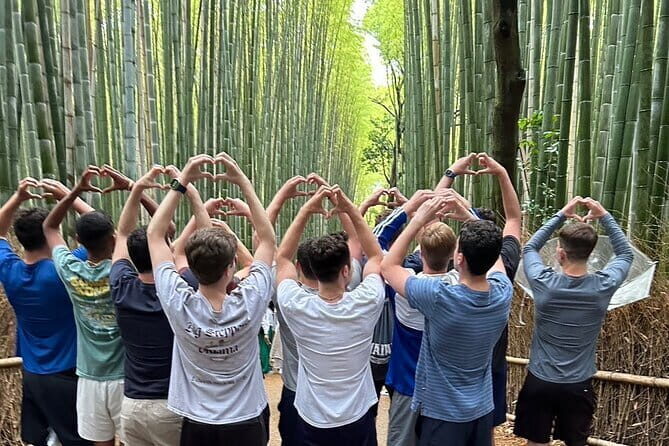
- Arashiyama + bamboo area is paired with a calm start before the day turns into main-sight mode
- Fushimi Inari without the marathon stairs via a short course under 30 minutes
- Nishiki Market is built for food stops, but expect standing and crowd pressure if you eat there
- Gion to Kiyomizudera is a moving scenic route, including the steep Ninenzaka and Sanenzaka streets
- Guides can be practical helpers, including yen logistics and lots of photo guidance (with some variation)
A Kyoto day built around your wish list, not a fixed circuit
This is not a one-size-fits-all “Kyoto highlights” run. You’re asked to share the places you want to visit—Arashiyama, Kinkakuji, Nishiki Market, Gion, Ninenzaka, Sanenzaka, Kiyomizydera, and Fushimi Inari Taisha are explicitly in the usual menu. You can also tell them what you want to eat, and then the itinerary is drafted based on that.
What this means for you in real life: you can spend less time walking through sights you don’t care about and more time on the things that fit your style. Want more photo time in Gion? Want a slower pace for kids? The tour is described as adjustable during the day based on your pace, which is exactly what you want in Kyoto—especially when you’re mixing temple visits with market streets and viewpoints.
There’s also a practical format advantage: it’s a private tour/activity, so only your group participates. For up to 6 people, it’s a good way to keep the day efficient without turning it into a rigid group tour schedule.
Other walking tours we've reviewed in Kyoto


Arashiyama Kimono Forest: a gentle start before the bamboo
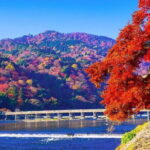
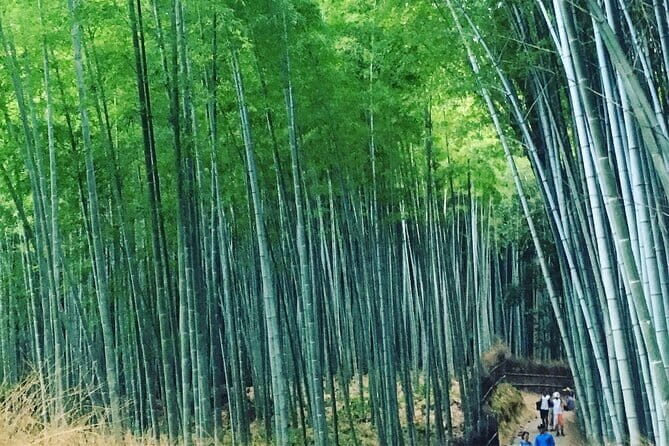
The day’s first stop is Arashiyama Kimono Forest, with a walk toward the bamboo forest and the town area. The stop is listed as about 1 hour, and it notes that admission tickets are not included.
Why this opener works: Arashiyama can feel overwhelming if you start later in the day with full crowds and tour buses. Starting here gives you a smoother entry into the area, and it sets the tone for the day—more relaxed streets and a sense of place before you switch into “must-see landmark” mode.
The drawback to keep in mind: bamboo areas and surrounding lanes can still get busy. This stop won’t be a quiet private garden moment for long. If you’re someone who hates crowds, you’ll want your guide to plan your arrival timing and your walking rhythm right away.
Golden Pavilion time at Kinkakuji: short visit, big payoff
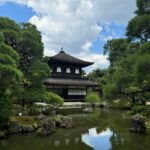
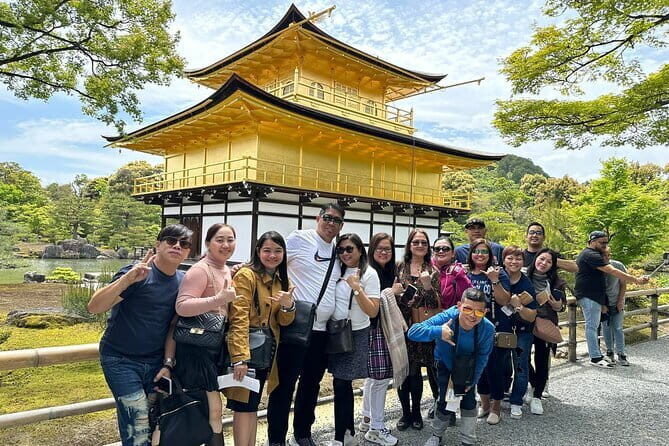
Stop 2 is Kinkakuji Temple, the Golden Pavilion. You’ll reach it by bus or train, and the time allocation is about 30 minutes. Admission tickets are not included.
Also note the entrance fee details provided: Kinkakuji is listed at 500 JPY, and Tenryuji is listed at 500 JPY. Tenryuji isn’t named as a separate stop in the itinerary you’re given, but it’s strongly connected to this Golden Pavilion complex area in practice. Translation: you should budget for at least one ticket here, and possibly more depending on how your guide structures the “Golden Pavilion” experience.
How to make 30 minutes work: focus on the best viewpoint spots your guide can point out, and don’t get stuck in the first photo area you see. A short visit is enough to get the wow factor, but you’ll want to be ready to move.
From the guide side, one of the big strengths that shows up in the experiences shared here is photo help. People noted guides who know the best places to shoot and can take pictures for you—so this is a moment where that skill can really pay off.
Fushimi Inari Taisha: do the short course and save your legs
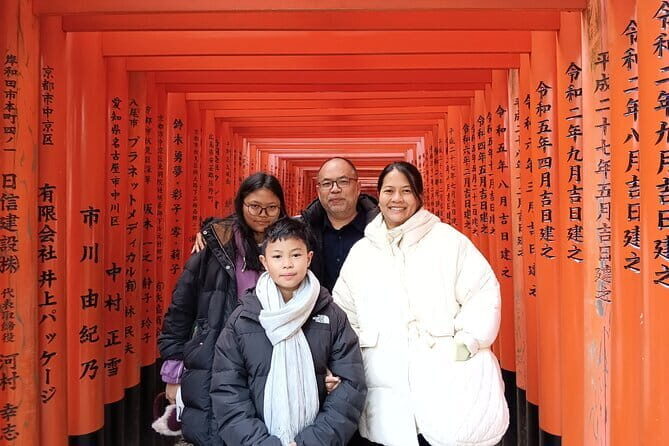
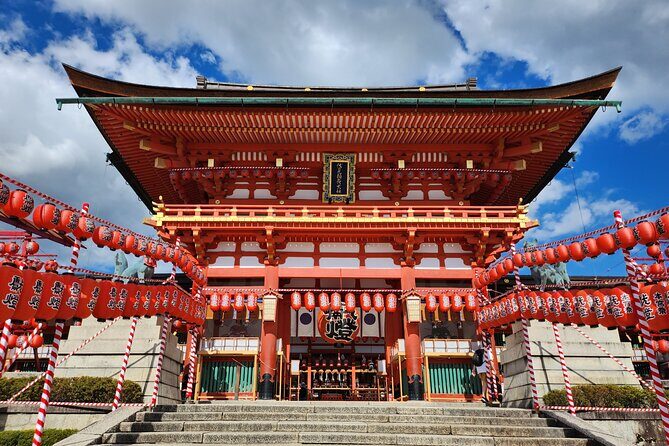
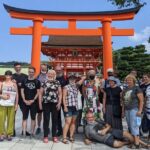
Stop 3 is Fushimi Inari-taisha Shrine. The plan says the whole walking is about 2 hours, but you’ll do the short course—listed at less than 30 minutes—and the admission is free.
This is a smart compromise. Fushimi Inari is iconic, but the full route can turn into a long stair and corridor grind, especially if you’re already doing temples, markets, and climbs later. The short course helps you get the torii gate atmosphere without treating your legs like a rental.
Another practical win: because the shrine admission is free, you avoid ticket friction and can keep your time focused on the walking sequence and the photo moments.
Just be realistic: even the short course can be busy. Your guide’s pacing and where you enter or pause matters. If you have kids or anyone with mobility limits, this short format is one of the most considerate parts of the route.
Nishiki Market shopping district: food stop energy, crowd reality
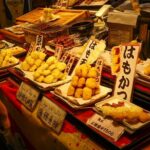
Stop 4 is Nishiki Market Shopping District for about 1 hour. Admission is free. This stop is specifically tied to Kyoto kitchen shopping, and the option is there to have lunch here if you’re okay with standing and crowds.
Here’s the honest trade-off. Nishiki is great for browsing small specialty foods, snacks, and kitchen-related items. But it is not the place to expect wide sidewalks or slow strolling. If you want a relaxed lunch with seats and space, you might need a backup plan. If you’re okay eating on the move, this hour can be worth it.
Also, consider your cash situation. Entrance fees later add up, and market purchases add up fast. One of the named guides in the experiences shared helped a guest find a cash machine for yen withdrawal, which is a reminder to come with a plan for paying on the day.
If you’re pairing Nishiki with the rest of the afternoon, you’ll want your guide to time it so you don’t arrive too early when you’re hungry and too late when you’re overheated. The tour is meant to adjust to your pace, so ask to slow down if you need a break.
Other private tours in Kyoto


Gion walk plus Ninenzaka and Sanenzaka: long scenic streets, big atmosphere
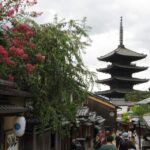
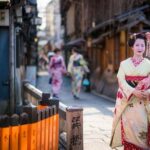
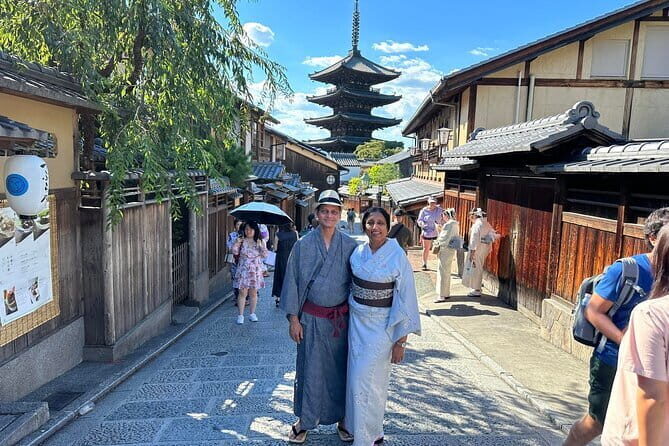
Stop 5 is Gion, estimated at about 3 hours, and the itinerary notes you’ll walk from Nishiki Market into the Gion area and continue up toward Ninenzaka and Sanenzaka up to Kiyomizudera. The tour says you can hope to spot Geisha.
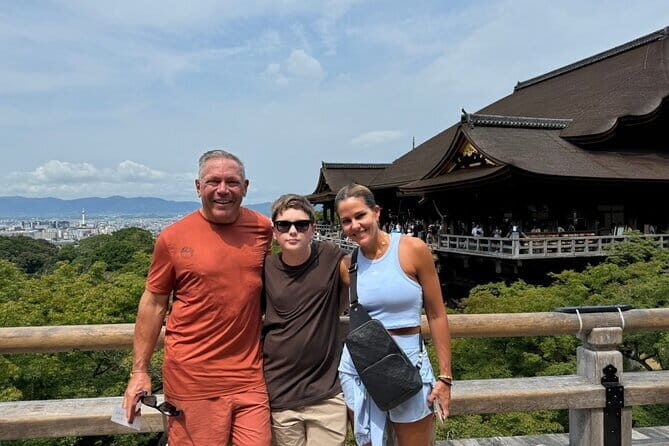
Stop 6 is Kiyomizu-dera Temple, but you’ll reach it by passing through Ninenzaka and Sanenzaka areas first, which are described as steep with stairs and shops on both sides.
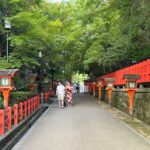
What you should expect here: this is the “Kyoto postcard street-walk” stretch. Gion streets can feel like theater, and Ninenzaka/Sanenzaka are the lanes where the stairs and old-street vibe really show. The 3-hour estimate for Gion plus the walk into the next zone sounds long, but it’s designed to give you time for photos, shopping peeks, and slow wandering.
Two things I think work well in this design:
1) Your day transitions from iconic sights into street-level atmosphere, so you’re not only ticking off temples.
2) Your guide can manage the walking rhythm, which matters because the Ninenzaka/Sanenzaka section is steep and includes stairs plus shops.
The one caution is energy. By this point you’ve done Arashiyama, Kinkakuji, and Fushimi Inari. If you start this stair-heavy portion already tired, the day can feel like a hike instead of a tour. The good news is the tour is adjustable during the day based on your pace—tell your guide early if you need more short breaks.
Photo-wise, the experiences shared here highlight that some guides are great at taking pictures and pointing out good spots. If that matters to you, this is where it really shows, because the streets offer lots of natural backdrops.
Kiyomizudera at the end: what 2 hours lets you do
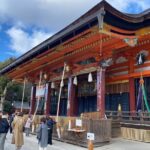
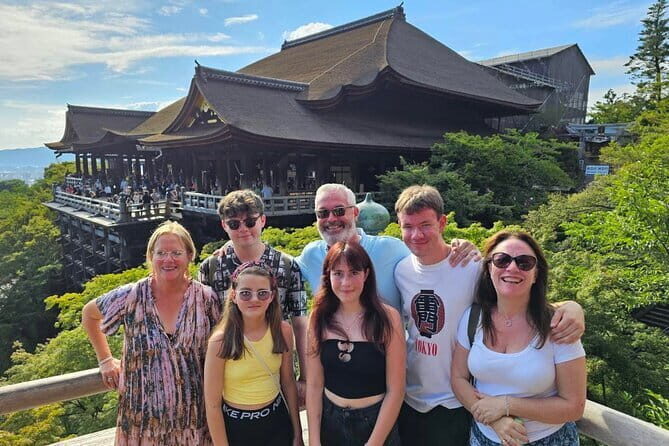
Stop 6 is Kiyomizu-dera Temple, estimated at about 2 hours. Admission is not included, and the fee is listed as 600 JPY. This stop comes after you pass through the Ninenzaka and Sanenzaka area, meaning you’re likely arriving after stair-walking.
Why 2 hours can be the right amount: it’s enough time to enjoy the temple grounds, take in key viewpoints, and absorb the atmosphere without feeling like you’re rushing every ten seconds. It’s also enough time for your guide to slow you down if your group needs a breather, or speed you up if you’re eager to see the best angles before crowds spike.
What to remember about the path in: shops on both sides and steep sections mean you’re spending some of your effort on the approach, not only inside the temple. If you’re visiting with kids or someone who doesn’t love stairs, it’s smart to wear supportive shoes and to ask your guide for a pace that keeps the day enjoyable.
Price and value: $192 per group for up to 6, plus the real add-ons
The headline price is $192 per group (up to 6). The tour runs about 8 hours, and pickup is offered. A mobile ticket is included.
Here’s how I’d judge value for you:
- With a group of 4 to 6, the cost per person drops fast, and the private guidance becomes worth it for the time you save and the smoother route planning.
- The route includes multiple major Kyoto stops across different neighborhoods, which usually means more transit coordination. Since public transportation fees and private transportation fees are not included, you still pay for transit—but you’re not paying a full-time taxi all day.
- Entrance fees are extra: Kinkakuji (500 JPY), Tenryuji (500 JPY), and Kiyomizudera (600 JPY) are listed. Fushimi Inari and Nishiki Market are free for admission.
So your true budget has two layers: the tour price plus yen for tickets and transit. If you plan ahead and treat those fees as expected costs, the day still feels like a strong deal because you’re buying one thing that’s hard to DIY: a guide managing timing, walking flow, and the “where exactly do we go next” problem.
One more value point shows up in the guide-driven reviews: people liked flexibility, thoughtful tailoring for kids, and practical help like finding an ATM. That kind of support can save time, stress, and missed opportunities.
Guide quality matters: English, photos, and the small problem-solving moments
A private tour rises or falls on the guide you get. The experiences shared here include several named guides who were praised for specific strengths:
- Senji: tailored the day to requests and helped locate an ATM for yen withdrawal
- Marin: noted as extremely knowledgeable, accommodating, and efficient, plus strong photography help
- Shoji: sent lots of pictures and made a van-based version work well for seeing more
- Shinji: praised for being sweet, taking lovely photos, knowing history well, and even helping with a coin problem when it got stuck in a dispenser
There was also at least one cautionary example: one guide, Singji, reportedly spoke English very poorly with limited vocabulary and shared less information at each stop.
My practical advice: since the tour includes local English and Thai speaking guidance, you should feel comfortable asking for what you need before the day starts. If you want more explanation at each site, say that. If you’re picky about language clarity, mention it. Bring a translation app as a safety net, especially when shopping and asking questions in markets.
Who this private Kyoto highlights tour suits best
This is a good match if you want:
- A private group day without big-tour chaos
- A route that covers classic Kyoto icons: Arashiyama, Kinkakuji, Fushimi Inari, Nishiki, Gion, Kiyomizudera
- Customization: tell them what you want and how you want to spend the time
- Flexibility for families, including kids who need pacing and breaks
It may be less ideal if you want a deeply detailed lecture at every single stop, because time allocations are tight (for example, 30 minutes at Kinkakuji). It’s more about seeing and moving well, with guidance that can be adjusted rather than a slow, academic museum-style experience.
Should you book this private Kyoto highlights walking tour?
Book it if you’re doing Kyoto for a limited time and you want a smartly arranged day that hits the big sights without forcing you to solve all the routing on your own. The strongest reason to book is the tailoring: you set preferences up front, and the day can change based on your pace.
I’d pause and plan carefully if stairs and crowds will be tough for your group, because the route includes steep Ninenzaka and Sanenzaka streets before Kiyomizudera and the market can get packed. Also, add up the extra fees in yen so the day doesn’t surprise you.
If you want a private Kyoto day with practical support, good timing, and a route that flows across neighborhoods, this one is a solid choice.
FAQ
What is included in the tour price?
The tour includes the tour guide fee and a local English and Thai speaking tour guide. Entrance fees, food and drink, and public/private transportation fees are not included.
How long is the Kyoto tour?
The duration is listed as about 8 hours.
How many people are in the group?
It’s a private tour/activity, and the group size is up to 6 people.
Is pickup offered?
Yes, pickup is offered.
Do I need tickets for each stop?
Not all stops require tickets. Fushimi Inari Taisha and Nishiki Market are listed as free for admission, while Kinkakuji (500 JPY), Tenryuji (500 JPY), and Kiyomizudera (600 JPY) are listed as not included.
Is the mobile ticket provided?
Yes, the tour includes a mobile ticket.
Is it possible to customize the itinerary?
Yes. You share what places you want to visit and what food you want, and then the itinerary is drafted and shared with you before finalizing. The plan can also be adjusted during the day based on your pace.
What is the cancellation policy?
Free cancellation is available up to 24 hours in advance for a full refund. If you cancel less than 24 hours before the start time, the amount paid is not refunded.