Kyoto’s best sights without the chaos. This private, early-planned route is built to help you see Fushimi Inari, Nijo Castle, and Kinkaku-ji before the busiest crushes hit, while a local guide adds stories you would miss on your own. It’s a smart way to make one day feel like it covers the real Kyoto highlights, not just a checklist.
I especially like the relaxed pacing of a private tour, where you’re not stuck matching someone else’s speed. I also like that the focus is on the big three sites, so you get maximum payoff in about 5 hours, starting at Kyoto Station and ending near Kinkaku-ji.
One consideration: admission for Nijo Castle and Kinkaku-ji isn’t included (Fushimi Inari is free), and food and drinks are also not included. Plan for extra spend and come prepared with your own water snack plan.
In This Review
- Key highlights worth your time
- A smarter way to do Kyoto highlights in 5 hours
- Fushimi Inari-Taisha: torii views with fewer headaches
- Nijo Castle: UNESCO sights and Tokugawa stories
- Kinkaku-ji Golden Pavilion: the gold-leaf moment
- Why the private guide makes the day feel different
- Price and value: what $91.96 really buys
- Logistics that matter: starting at Kyoto Station and ending at Kinkaku-ji
- What to wear and bring for comfort
- Should you book this crowd-free Kyoto tour?
- FAQ
- How long is the Kyoto tour?
- Where do we meet for the tour?
- Where does the tour end?
- Are admission tickets included for all three attractions?
- Is this a private tour or a group tour with strangers?
- Is food or drinks included?
- What if the weather is poor or I need to cancel?
Key highlights worth your time
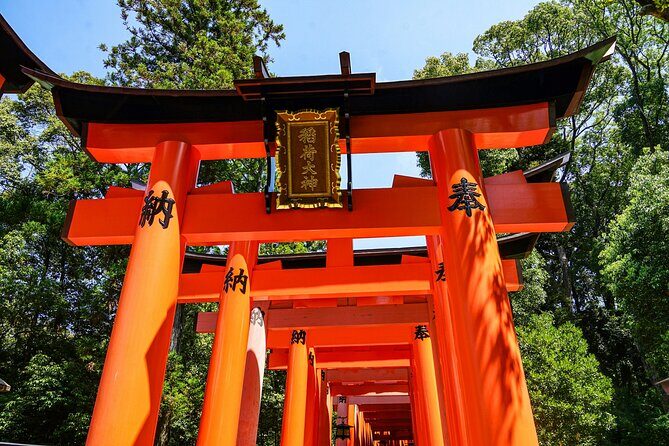
- Early timing at Fushimi Inari helps you enjoy the iconic torii path before the day heats up
- Private guide storytelling turns the sites into something you can actually remember
- UNESCO Nijo Castle and the Ninomaru Palace connect Kyoto to the Tokugawa era
- Kinkaku-ji Golden Pavilion delivers the wow factor, especially when weather is on your side
- Mobile ticket plus a meeting point at Kyoto Station makes it easier than it sounds
A smarter way to do Kyoto highlights in 5 hours
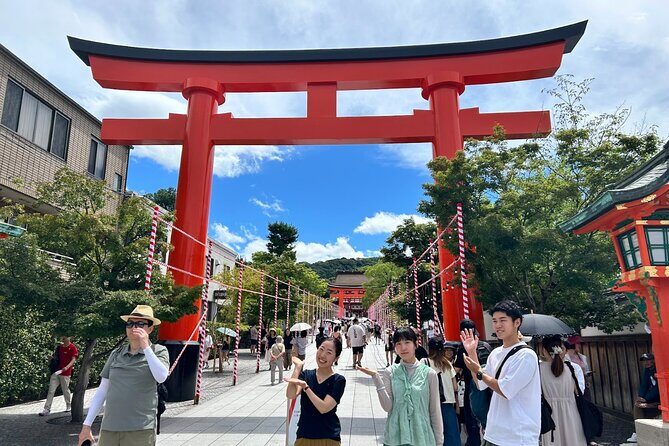
Kyoto can feel like two trips at once: the quiet beauty you came for, and the crowd management you did not. What I like about this tour concept is that it aims to reduce the crowd pain while still hitting three headline places. Instead of treating Kyoto like a race, the day is structured for a calmer flow.
Because it’s private, you’re also freer to ask questions and adjust on the fly. That matters at places where there’s a lot going on, like Fushimi Inari with its endless torii path, or Nijo Castle with its palace spaces and historical context.
The price sits in the mid-range for a guided, private highlights day. For $91.96 per person, you’re paying mainly for time, logistics, and a guide who can translate what you’re seeing into something meaningful.
A few more Kyoto tours and experiences worth a look


Fushimi Inari-Taisha: torii views with fewer headaches
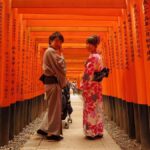
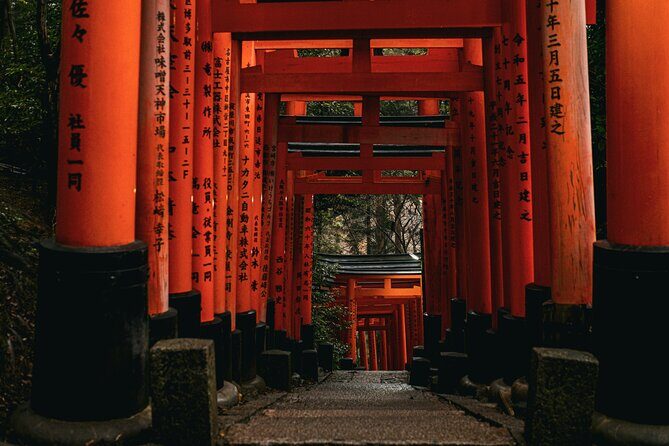
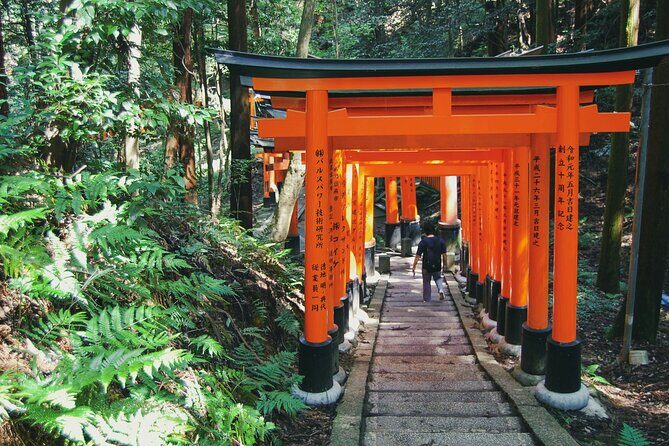
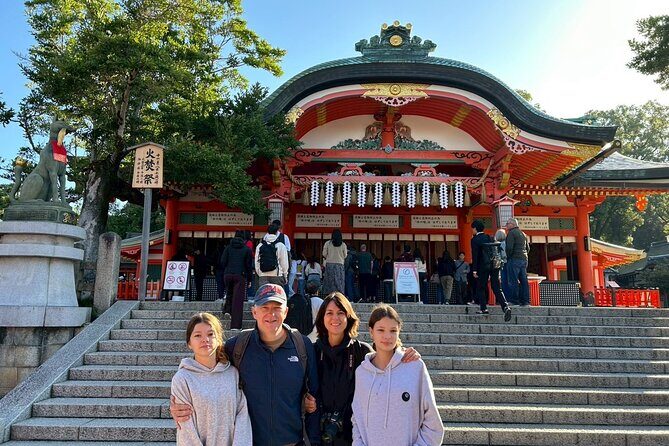
Fushimi Inari-taisha is the one Kyoto stop that looks simple on a map and feels epic in real life. You start with the spiritual heart of Kyoto and head into the famous Senbon Torii, a long pathway lined with thousands of red gates that stretch upward.
This is where the crowd-free angle pays off. If you hit it later in the day, you’ll often get that packed, stop-and-go feeling. This tour is designed to go at the right time, so you can enjoy the climb and the changing perspective as you move deeper into the shrine grounds.
Practical note: Fushimi Inari is free, and this tour makes that easy win part of the plan. About 1 hour here also gives you time to reach a worthwhile point along the torii path without turning the day into a workout challenge.
What to watch for as you go: the gates create a tunnel effect. Even if you’re not a temple person, it’s a visual experience you can feel. The best photos also tend to come when you’re not constantly waiting for someone to move. Starting early helps.
Nijo Castle: UNESCO sights and Tokugawa stories
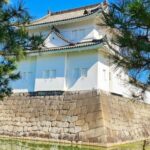
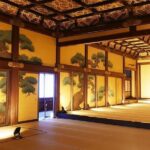
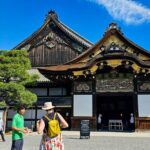
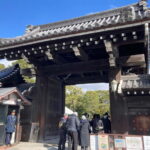
Next comes Nijo Castle, a UNESCO World Heritage site tied to Japan’s samurai era. The highlight is the Ninomaru Palace, described as the former residence of the Tokugawa Shogun, which is a big deal because it’s not just architecture. It’s political power made physical.
With a guide, this kind of stop is easier to appreciate. If you walk around a complex like this without context, you might admire rooms and details, then move on. With the right explanation, you start noticing patterns and understanding why those spaces mattered.
You’ll spend about 1 hour at Nijo Castle. That’s enough time to hit the major highlights without feeling rushed, especially since the tour keeps the day moving toward the next iconic stop.
One drawback to plan for: admission to Nijo Castle is not included. So budget for the ticket, and keep an eye out for any ticket rules at the entrance. If you’re traveling on a tight day, having cashless options and a charged phone helps with speed.
Kinkaku-ji Golden Pavilion: the gold-leaf moment
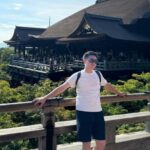
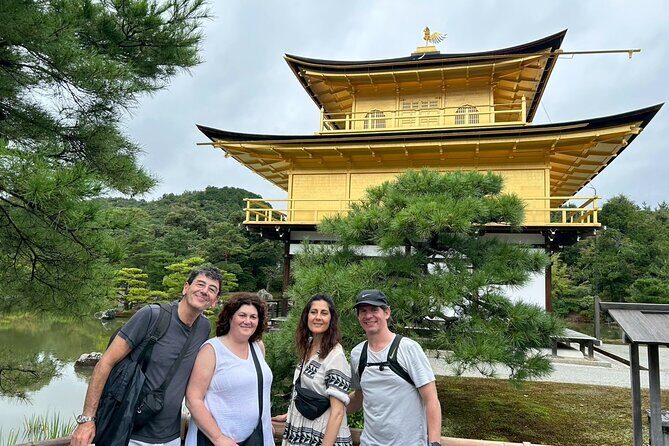
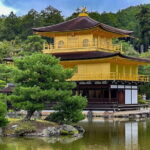
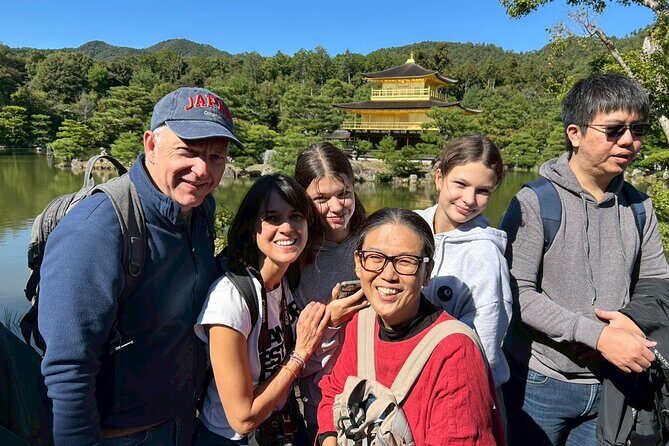
Then you end at Kinkaku-ji, the Zen Buddhist temple known for the Golden Pavilion. This is one of those places where the exterior reputation actually matches the reality: it’s covered with gold leaf, and the effect is striking.
You get about 1 hour here, which is a good length for taking in the pavilion itself and soaking up the surrounding temple atmosphere. It’s also a stop where timing matters. Weather can change how the shine reads, and light affects how reflective surfaces photograph. The tour info even flags weather as a factor, so you’ll want to keep expectations flexible.
Admission is not included for Kinkaku-ji, so treat this as your paid highlight add-on. The good news is that you’re not surprised later; the tour format is straightforward, and Kinkaku-ji is the kind of temple you’ll be glad you planned extra money for.
Another practical point: the tour ends at Kinkaku-ji, not back at Kyoto Station. That can be convenient if you’re staying nearby, but if your hotel is in central Kyoto, you’ll want to plan your return transit ahead of time so the day doesn’t end with stress.
Why the private guide makes the day feel different
Kyoto is full of signs and facts, but the story is what makes them stick. This tour leans hard on the idea that you’ll hear explanations you won’t find by just reading a pamphlet. That shows up most at the places that have cultural layers, like a castle tied to the Tokugawa shogunate, or a shrine where symbolism matters as much as the scenery.
The reviews also give you a feel for the guides’ approach. Guides such as Tom and Ryu have been credited for cultural history and friendly, entertaining explanations. Others like Kazuya and Maki are described as kind, knowledgeable, and detail-focused. In practice, that usually means you’ll ask fewer random questions because the guide is filling in the blanks early.
I also like that the tour isn’t trying to cram in tiny extras. You get three major sites with enough time for the guide to connect them, rather than sprinting through 10 stops where nothing feels fully understood.
For you, that can mean fewer moments of wondering why something looks the way it does. And fewer moments of losing time trying to figure out what matters most.
A few more Kyoto tours and experiences worth a look
Price and value: what $91.96 really buys
On paper, the price is easy to compare. In real life, you’re paying for several things bundled together:
- A local guide who handles pacing and meaning
- A planned route that accounts for crowd timing at the biggest site
- Private-group time so your day doesn’t get dragged down by other schedules
- Mobile ticket convenience
At $91.96 per person, it’s not a budget-only tour, but it can still be good value because it protects your time. If you tried to self-plan this same route with trains, transfers, and ticket lines, you’d spend effort and possibly more time than you think, especially around Kyoto’s busiest spots.
The big “cost add-ons” are clear: Nijo Castle and Kinkaku-ji admissions are not included, and food and drinks are not included. That’s typical for guided tours, but you should treat it as part of the real cost.
If you’re traveling in a group and the tour offers group discounts, you may get closer to the value sweet spot. Private time gets expensive fast when you only have one person, so this is often strongest for two to four people sharing the cost.
Logistics that matter: starting at Kyoto Station and ending at Kinkaku-ji
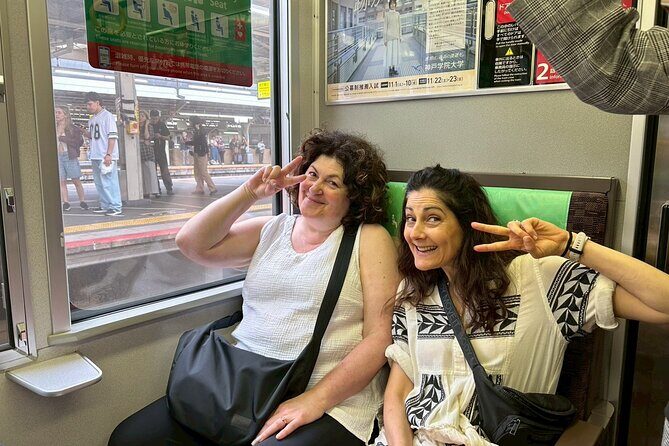
This tour starts at South Square, Kyoto Station Building. That’s a huge practical win. Kyoto Station is where your train options, buses, and walking routes tend to converge, so you’re not guessing your way across the city.
The tour ends at Kinkaku-ji (1 Kinkakujichō, Kita Ward). That ending point can be ideal because you finish at the destination and don’t have to backtrack. It can also be a hassle if your hotel is far from the north-west Kyoto area, so do yourself a favor: plan your return route before the tour begins.
The route also notes it’s near public transportation. That’s helpful because Kyoto transit can feel like a puzzle on your first day. With a meeting point at Kyoto Station, you can usually recover quickly if you’re running late.
What to wear and bring for comfort
You’ll be walking from site to site and spending time outdoors, especially at Fushimi Inari with its long torii approach. Bring shoes you trust. Think comfort over style, because you’ll likely spend more time on your feet than you expect.
Also plan for basic supplies since food and drinks aren’t included. Even a small snack and water can make a difference if your timing runs ahead of your next meal.
And because weather can affect the experience, check the forecast for your day. If the weather is rough, the tour may be adjusted or refunded, so having backup dates helps.
Should you book this crowd-free Kyoto tour?
Book it if you want three headline Kyoto sights in one day without the usual chaos, and you like the idea of a private guide shaping the visit. The early timing angle at Fushimi Inari is especially valuable if you dislike waiting in lines or moving with crowds.
Skip it or compare alternatives if you’re only interested in one of the stops and don’t want to pay for the full guided day. Also consider the extra ticket costs for Nijo Castle and Kinkaku-ji, plus the fact that you’ll need to manage your own food and drinks.
If you want a calm, efficient Kyoto highlights day that ends where it should (at Kinkaku-ji), this is a solid choice.
FAQ
How long is the Kyoto tour?
The tour lasts about 5 hours.
Where do we meet for the tour?
You’ll meet at the South Square of the Kyoto Station Building, Higashishiokōjichō, Shimogyo Ward, Kyoto.
Where does the tour end?
The tour ends at Kinkaku-ji (1 Kinkakujichō, Kita Ward, Kyoto).
Are admission tickets included for all three attractions?
Fushimi Inari-taisha has free admission. Nijo Castle and Kinkaku-ji admissions are not included.
Is this a private tour or a group tour with strangers?
It’s a private tour/activity, meaning only your group participates.
Is food or drinks included?
No. Food and drinks are not included in the tour.
What if the weather is poor or I need to cancel?
The experience requires good weather. If it’s canceled due to poor weather, you’ll be offered a different date or a full refund. You can cancel up to 24 hours in advance for a full refund.