Kyoto politics is hiding in plain sight. This small-group tour connects two key places in Japan’s former capital, with a guide who ties the sights to the people and power behind them. You’ll step into Nijo Castle to see the shogunate’s message in lavish rooms and careful details.
I love the way the story gets explained in clear, human terms. You’ll get the Tokugawa Ieyasu connection at Nijo Castle, plus the political climate that shaped what you’re seeing. I also like the seasonal focus at the Kyoto Imperial Palace gardens, where the setting changes with the time of year and even a short walking stretch turns into useful conversation.
One consideration: at Kyoto Imperial Palace, you may have an experience that focuses more on exteriors than inside rooms, depending on what’s available during your visit.
In This Review
- Key highlights worth your attention
- A 3-hour power walk through Kyoto’s two courts
- Nijo Castle: Tokugawa Ieyasu’s authority in wood and design
- Kyoto Imperial Palace: gardens, ceremony, and what the layout teaches
- The walking stretches: townhouses, blossoms, and smart questions
- Guides make the difference: humor, clarity, and real Q&A
- Price and value: what $63 buys you in Kyoto
- Practical tips before you go
- Should you book the Nijo Castle and Imperial Palace guided tour?
- FAQ
- Where is the meeting point for this tour?
- How long is the guided tour?
- How many people are in the group?
- Is this tour offered in multiple languages?
- What’s included in the price?
- Are shorts allowed?
- What should I bring?
- Is there a refund if I cancel?
Key highlights worth your attention
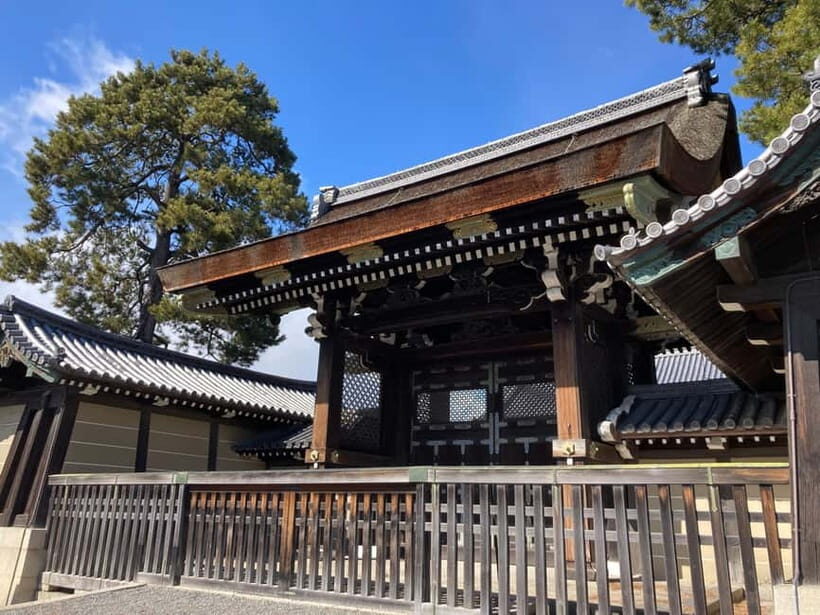
- Nijo Castle built by Tokugawa Ieyasu, explained through its architecture and symbolism
- Ninomaru Palace and an art gallery included in your castle time
- Kyoto Imperial Palace gardens with seasonal viewing, so you’re not just looking at buildings
- A guided walk that adds context, including the politics and everyday meaning behind “court” culture
- Small groups capped at 9, so questions feel normal, not rushed
A 3-hour power walk through Kyoto’s two courts
This is the kind of Kyoto tour that helps you read the city like a map of power. In just 3 hours, you move between Japan’s former political center and the emperor’s residence, and the guide keeps both places connected.
What makes it work is the balance. Nijo Castle isn’t treated like a museum box of pretty rooms. Kyoto Imperial Palace isn’t treated like a scenic stroll. You get the why behind the wood, the gardens, and the layout.
A few more Kyoto tours and experiences worth a look


Nijo Castle: Tokugawa Ieyasu’s authority in wood and design
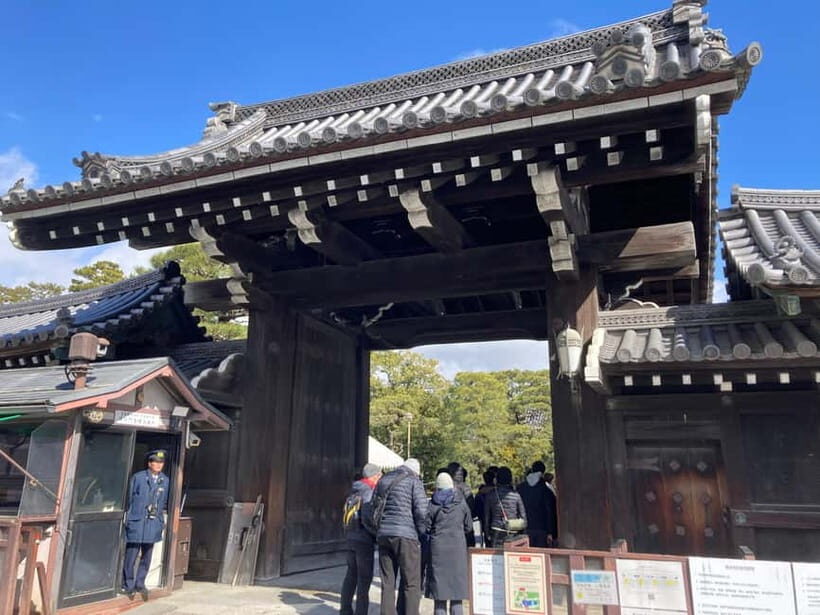
You start with Nijo Castle, a site designed to show authority. Built by Tokugawa Ieyasu, it’s the kind of place where every detail matters because the whole point was messaging: power, control, and order, all in architecture.
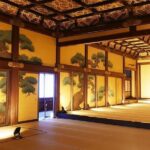
Expect a guided visit that focuses on the contrast between appearance and intention. The castle’s interiors are described as lavish and carefully crafted, and the guide points out how those choices signal the shogunate’s confidence. You’ll also hear about the political climate of the time, so the castle feels less like a caption and more like a moment in history.
The included stops matter too. Your entry includes the castle area plus the Ninomaru Palace, and you’ll also have time tied to an art gallery. If you like architecture and visual design, this is where the tour starts paying off fast, because the guide helps you connect what you see to the role the site played.
A practical note: Nijo Castle can involve walking and standing for explanations. If you prefer “one big photo moment then done,” you might find the guided pace more conversational than fast.
Kyoto Imperial Palace: gardens, ceremony, and what the layout teaches
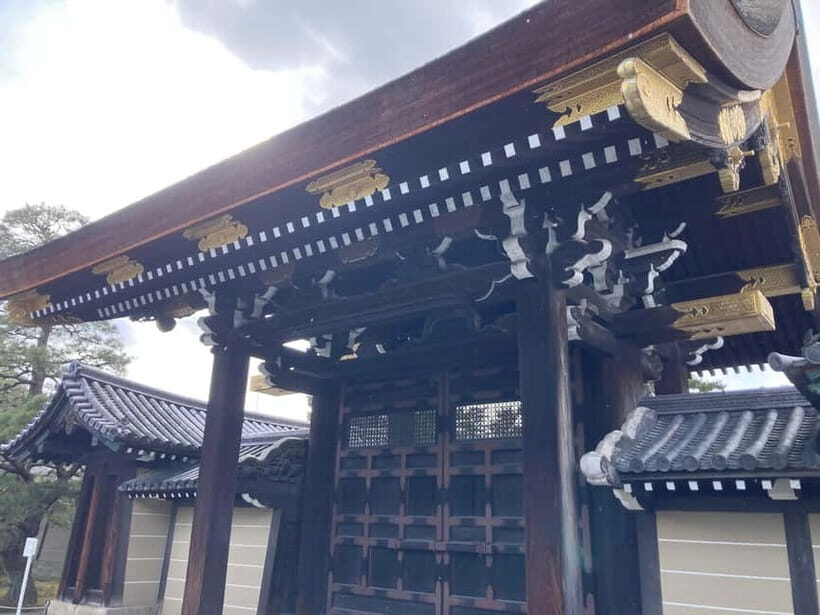
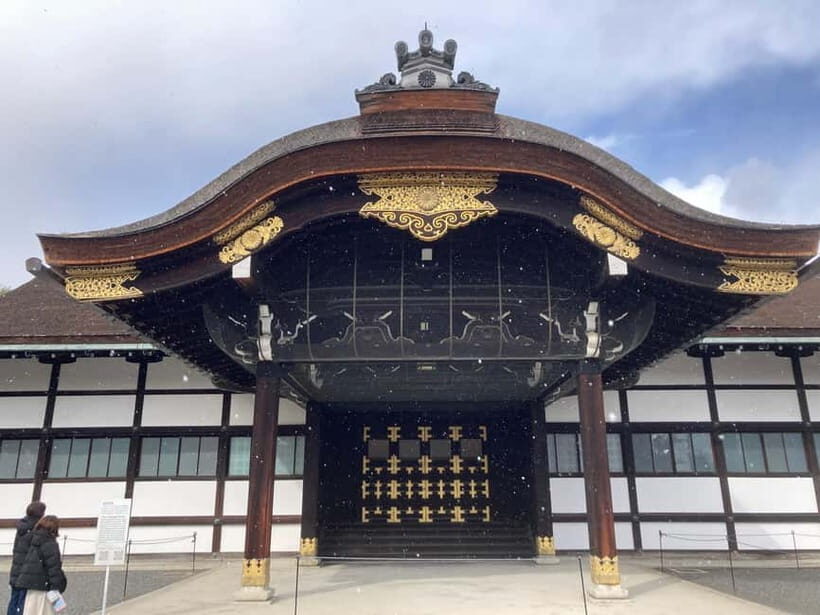
Then you shift to the Kyoto Imperial Palace, which works like the emotional counterpart to Nijo Castle. If the castle is about political muscle, the palace is about the refined center of culture and ceremony.
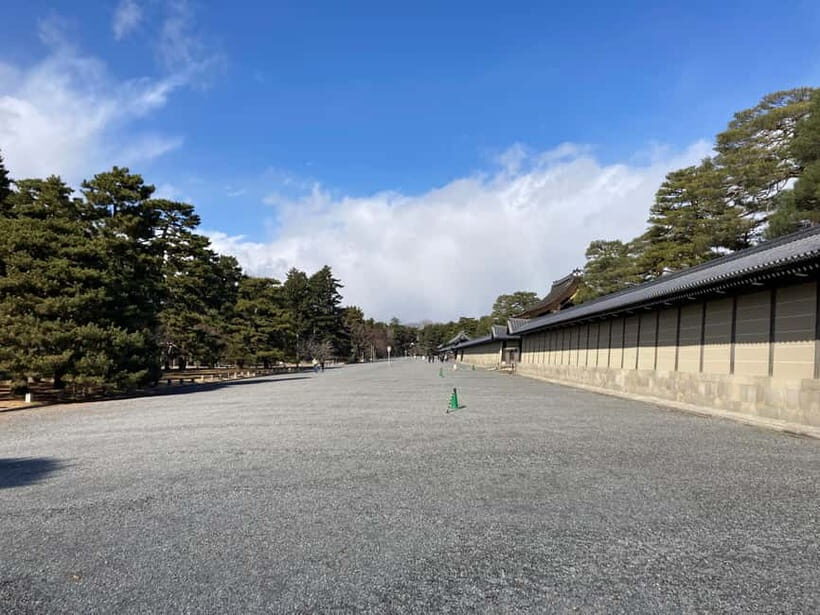
The biggest win here is the emphasis on the gardens of the Imperial Palace, including how they show seasonal beauty. In colder months you’ll still get that cared-for feeling in the greenery, while in spring the gardens can bring standout moments like cherry blossoms. Even when the buildings are less central to what you can access on the day, the garden setting gives the visit a strong sense of place.
Architectural style is also part of the explanation. You’ll hear how the palace reflects the emperor’s residence role, and how the refined aesthetics connect to Japanese tradition. The guide’s job is to stop this from becoming a vague “pretty place” experience, and instead help you notice patterns: formality in what’s emphasized, restraint in what isn’t.
One more thing to be ready for: at Kyoto Imperial Palace, you might only see exterior views of some buildings, depending on what’s accessible during your visit. That doesn’t ruin the experience, but it does mean your best payoff comes from gardens, layout, and guided interpretation rather than interior rooms.
The walking stretches: townhouses, blossoms, and smart questions
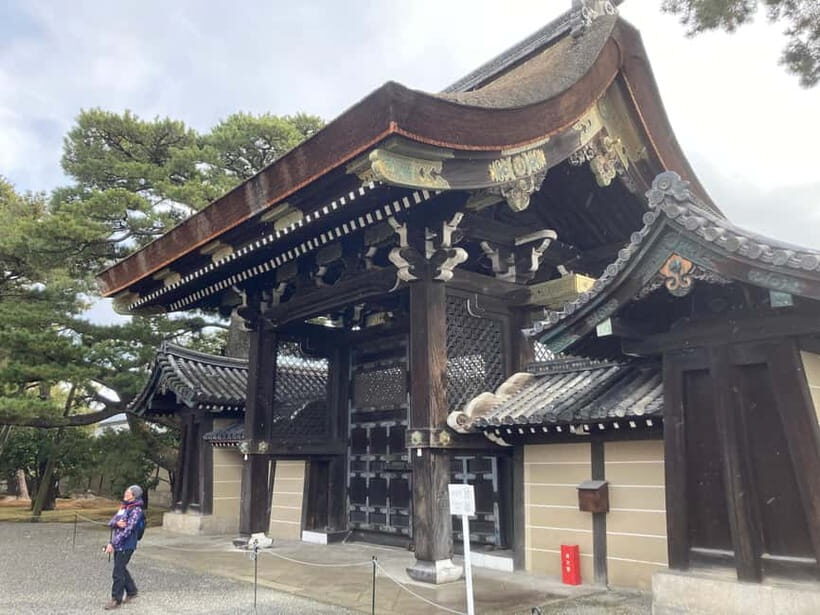
A walking tour in Kyoto is often about more than just the endpoints, and this one uses that time well. Your meeting point is the Nakadachiuri Gate of the Kyoto Imperial Palace, so the tour starts with you orienting to the area and the mood of the palace grounds.
As you move, you get those small, helpful city details that make Kyoto feel real. The experience includes a look at traditional Kyoto townhouses and a spot famous for cherry blossoms, which is especially meaningful if you’re traveling in spring. You’ll also hear discussion topics that connect what you saw at the palace to what you’re heading toward at the castle.
And yes, there’s time for questions. From the way guides handle the stroll, you can expect conversation to run beyond scripted facts. People have gotten extra value from the guide explaining cultural and historical connections, including how Japanese institutions relate to broader world history topics. If you enjoy asking follow-ups, this format is friendly to it.
Guides make the difference: humor, clarity, and real Q&A
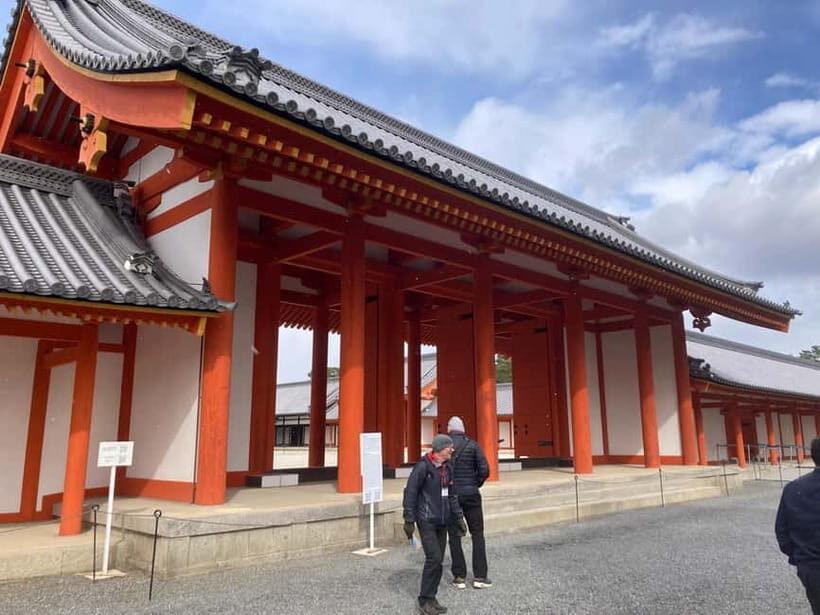
With a tour like this, the guide is half the attraction. This experience is designed for professional English-speaking guides, and it runs with multiple language options (English, French, Spanish, Japanese, Portuguese, Russian).
The best part is how the guide holds attention. Guides such as Kayo, Nene, Taku, and Goku have been highlighted for mixing history, architecture, art, and politics into explanations that stay understandable. You’ll often get the sense that the guide can change pace if the group wants more photography time or deeper context.
If you’re traveling solo, pay attention to this detail: some guides are known for helping people with photos without making it awkward. That matters more than you’d think in a place where angles can be tricky and the group can’t wander off at will.
This is also a tour where humor shows up. A guide who keeps the mood light makes the political material easier to digest, especially in a country where “court vs. shogunate” can sound like abstract trivia until it’s explained plainly.
A few more Kyoto tours and experiences worth a look

Price and value: what $63 buys you in Kyoto
At $63 per person for about 3 hours, you’re paying for more than entry fees. Admission is included for Nijo Castle, Ninomaru Palace, and an art gallery, plus a guided walking experience with a professional guide.
Here’s how I’d judge the value: in Kyoto, self-guided visits can quickly turn into reading placards while trying to figure out what matters. This tour tackles that problem directly. You get interpretation timed to what you’re looking at, instead of after the fact. For many people, that’s worth the price all by itself.
Small group size helps too. With up to 9 participants, the guide can keep the pace steady without losing people who want more explanation. That’s a big deal if you’re the type who asks questions or wants clarification on architectural terms, political timelines, or what certain design choices were meant to communicate.
Practical tips before you go
A few things will make your tour smoother from the first minute at the Nakadachiuri Gate.
Wear comfortable shoes. You’ll be walking and standing through explanations in two major historic zones. Also note the rule: shorts are not allowed. If you’re used to Kyoto’s summer heat, plan for breathable long pants or light layers that still meet the requirement.
Bring a camera. This isn’t just for postcard shots. The gardens at the Imperial Palace and the castle interiors and details are exactly the kind of places where it’s nice to take your own notes after the guide points things out.
Bring cash, too. The tour listing asks for it, so assume you might want it on hand for small on-the-spot needs while you’re out.
Finally, this experience is not suitable for pregnant women. If that applies to you, ask your operator about alternatives rather than trying to “push through.”
Should you book the Nijo Castle and Imperial Palace guided tour?
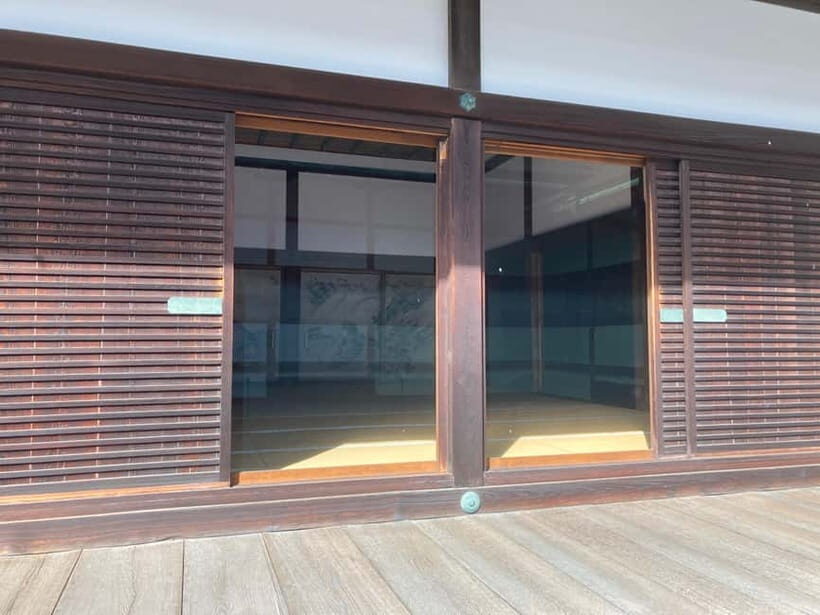
Book it if you want Kyoto with context. This tour is a strong fit when you care about how places reflect power—politics at Nijo Castle, ceremony and tradition at the Kyoto Imperial Palace, plus the way gardens and city streets add meaning between the two.
Skip it or reconsider if you’re expecting long interior time inside palace buildings. There’s a chance your Imperial Palace portion is more exterior-focused, so your main satisfaction should come from gardens, layout, and interpretation rather than room-by-room access.
If you’re short on time but want the most important “two-side” story of Kyoto—shogunate authority plus imperial culture—this is a good use of 3 hours. And if you end up with a guide like Kayo, Nene, Taku, or Goku, you’ll likely get the kind of clear, engaging explanations that make the city feel readable fast.
FAQ
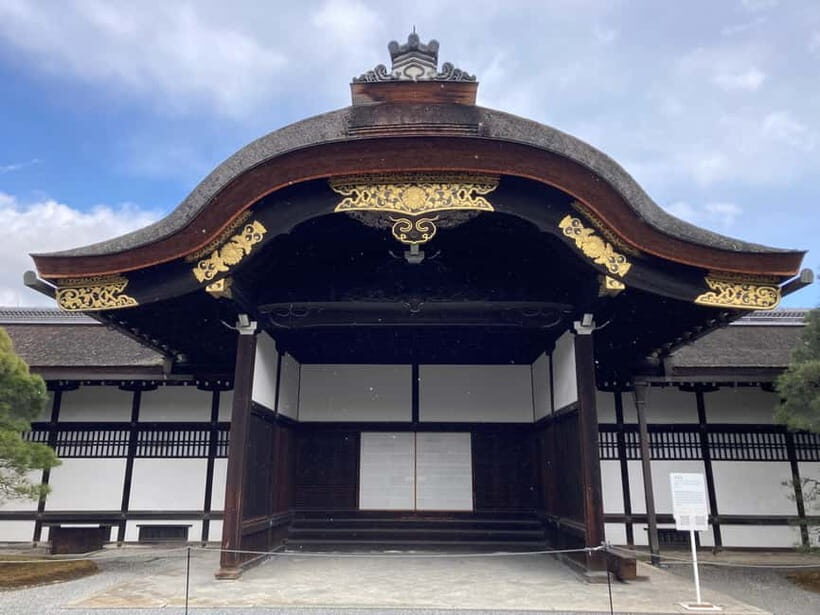
Where is the meeting point for this tour?
You meet at the Nakadachiuri Gate of the Kyoto Imperial Palace.
How long is the guided tour?
The tour runs for about 3 hours.
How many people are in the group?
It’s a small group limited to 9 participants.
Is this tour offered in multiple languages?
Yes. Languages listed include English, French, Spanish, Japanese, Portuguese, and Russian.
What’s included in the price?
Admission tickets are included for Nijo Castle, Ninomaru Palace, and an art gallery, along with a professional English-speaking tour guide and the walking tour experience.
Are shorts allowed?
No. Shorts are not allowed.
What should I bring?
Bring a camera and cash.
Is there a refund if I cancel?
Free cancellation is offered up to 24 hours in advance for a full refund.

![Kyoto: Personalize, private tour (3h, 5h, 8h) [W/Car Option] - Picking your start point: lodging, Disney Store, or Sanjo-Ohashi Starbucks](https://kyotoguide.info/wp-content/uploads/2026/05/kyoto-personalize-private-tour-3h-5h-8h-w-car-option.jpg)