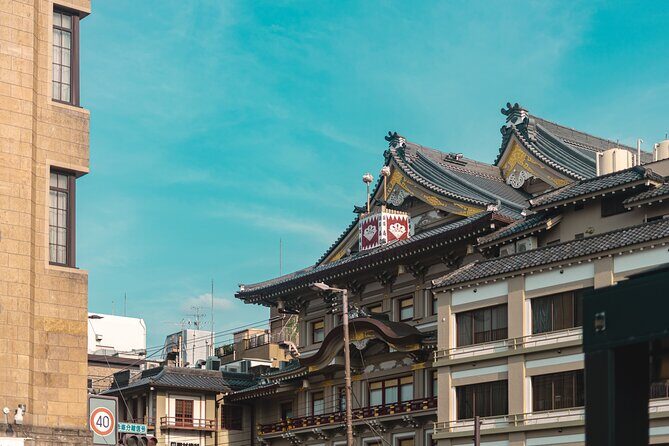
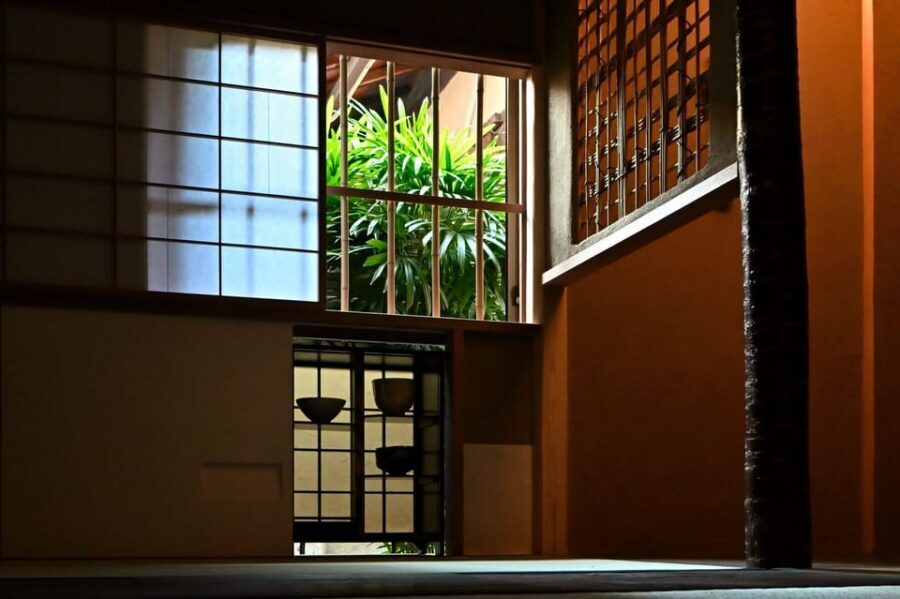
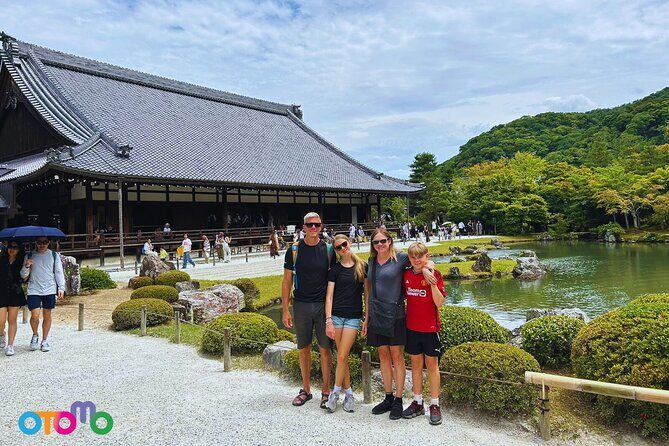
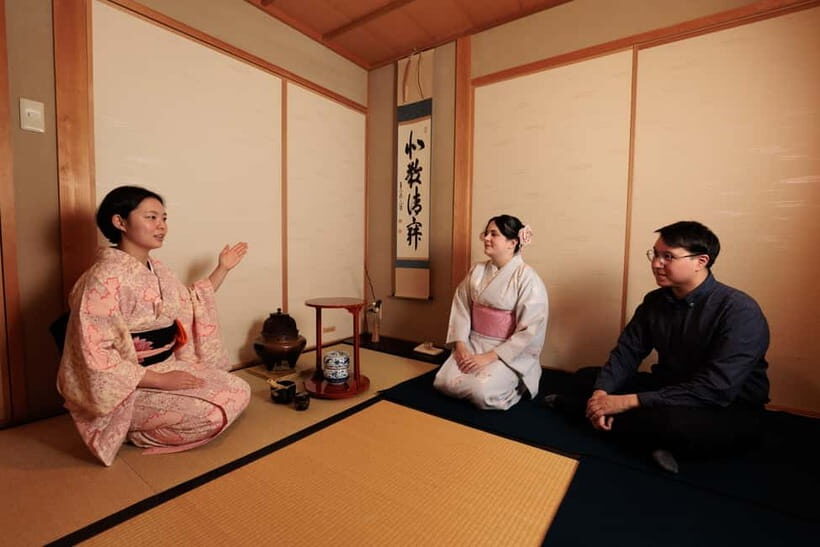
Two palaces make a great story.
This Kyoto walking tour ties together Nijo Castle and the Kyoto Imperial Palace in about three hours, with an English-speaking guide and a maximum group size of nine. I like the small group feel (you’re not stuck shoulder-to-shoulder), and I like that entrance fees are handled for you so you can spend your energy on the sights. One drawback to plan for: the palace and castle aren’t right next door, so you’ll spend time moving between them.
What makes it worth your attention is how the guide helps you read what you’re seeing. Expect focus on the shogun era at Nijo Castle—architecture, gardens, and cultural symbolism—and on the imperial residence layout at the palace, with time to slow down for photos and questions. Guides I saw highlighted by name in customer notes include Jasmine, Vincent, Taku san, Kata, Cecilia, Raphael, Atsushi, and Alex.
Key takeaways before you go
- Small-group limit (max nine) keeps the pace human and questions doable
- English-speaking guide helps you connect details to Japan’s power shifts
- Tickets included means less time queuing and more time looking
- Photo time actually fits the route, not just a drive-by stop
- Expect some travel time between sites, especially in peak periods
In This Review
- Why Nijo Castle and Kyoto Imperial Palace belong on the same route
- Meeting points and timing: making a 3-hour walk feel doable
- Nijo Castle stop: gardens, interiors, and shogun-era symbolism
- Kyoto Imperial Palace stop: imperial residence context and photo time
- Guides and group size: where the experience is won or lost
- Price and value: what $55 buys in Kyoto terms
- What to bring (and how to keep the pace comfortable)
- Common friction points: moving between sites and staying together
- Should you book this Kyoto Nijo Castle and Imperial Palace tour?
- FAQ
- How long is the Kyoto Imperial Palace and Nijo Castle guided walking tour?
- What’s the price per person?
- How big is the group?
- Where do I meet, and where does the tour end?
- Is the tour in English?
- Are entrance fees included?
- Do I need to buy tickets separately?
- Is hotel pickup or drop-off included?
- Can most travelers participate?
- Is there free cancellation?
Why Nijo Castle and Kyoto Imperial Palace belong on the same route
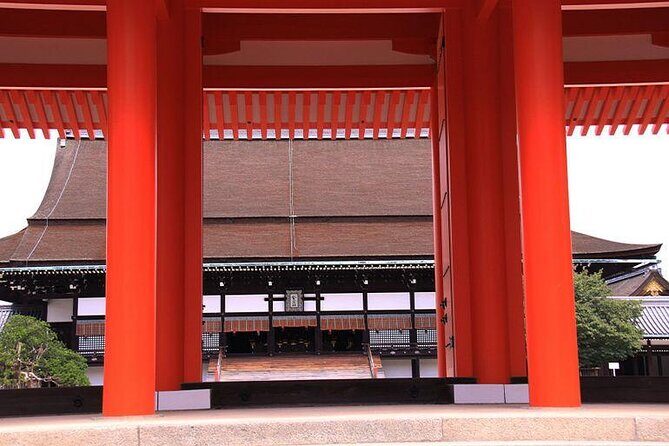
If you’re trying to understand Kyoto beyond temples-as-postcards, this combo is smart. Nijo Castle points you toward the shogun world—where power was performed through buildings, interiors, and symbolism. Then the walk moves you into the Kyoto Imperial Palace, which is the imperial family’s residence history, with its own style of “this is authority” messaging.
Seeing them back-to-back helps your brain do something useful: compare how different political roles expressed themselves through space. You’ll also feel the contrast in what you notice. At Nijo, it’s often the structures, gardens, and ornate interior elements that become conversation starters. At the palace, it’s the broader organization of buildings and gardens, plus the feeling of walking through a place designed to represent the emperor.
And because it’s a small-group format, the guide can tailor the explanations as questions come up. People highlighted guides who paused for kids’ questions, explained cultural meaning without turning it into a lecture, and kept the group moving even when the weather turned warm.
Meeting points and timing: making a 3-hour walk feel doable
This tour is built for an easy morning-or-afternoon slot: about 3 hours, split evenly between the two main stops (about 1 hour 30 minutes at each). You’ll start at Nijojo-mae Station (Nijo-jo Castle) and end at Imadegawa Station.
The practical truth: you’ll spend part of that time traveling between the castle area and the palace area. One customer note called out that walking or using public transport can take around 30 minutes, which matters because the total time is only three hours. If you’re expecting a “pure sightseeing” 3 hours, adjust your expectations.
Also, this is not a hotel-pickup tour. You’ll want to get to the meeting station on time and come ready to walk. The good news is that the start is near public transportation, so you can build it into your existing Kyoto plan without adding a taxi detour—unless you’re moving between neighborhoods.
If you pick a departure time that matches your energy level, you’ll get the best results. On hot days, some guides built in more frequent comfort stops (water breaks and air-conditioned pauses), which can keep the experience pleasant rather than rushed.
A few more Kyoto tours and experiences worth a look


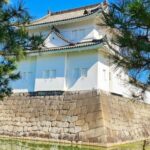
Nijo Castle stop: gardens, interiors, and shogun-era symbolism
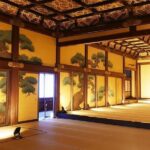
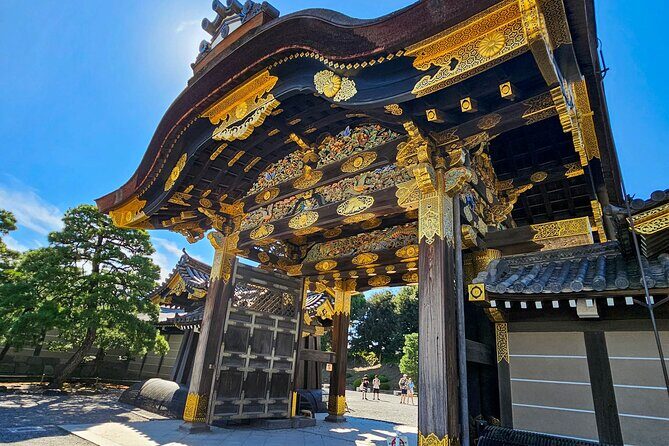
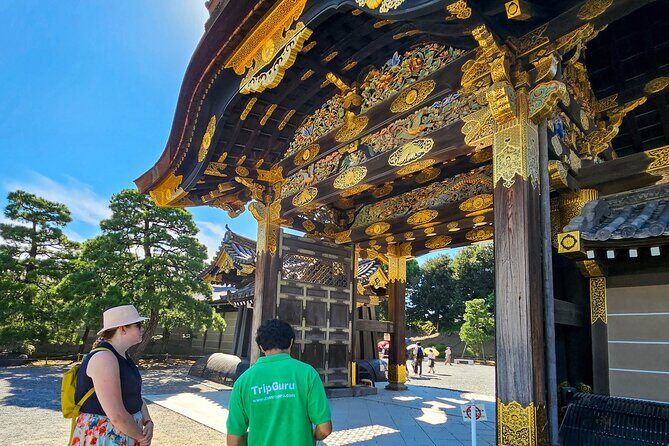
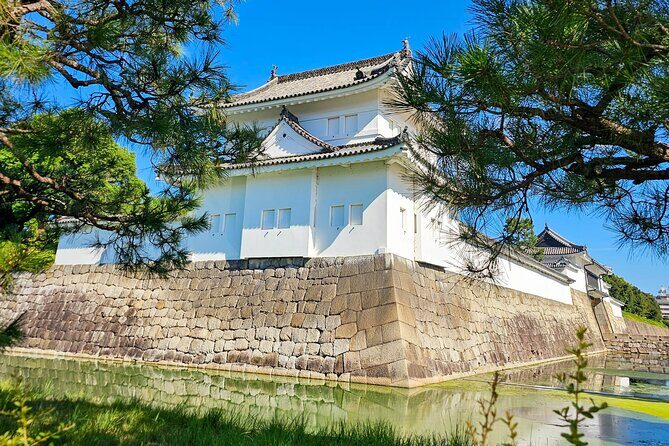
At Nijo Castle, plan for a guided experience that blends visual details with context. You’re not just looking at walls and gates—you’re learning how the shogun era shaped the way spaces were designed and presented.
This stop typically takes about 1 hour 30 minutes, and admission is included. You’ll have time for photos at points the guide thinks are worth it, not only at the most obvious photo angles. In notes from customers, people repeatedly mentioned the guide’s focus on cultural symbolism and the meaning behind what you see.
Several guides were specifically praised for explaining architecture and history clearly, including how the shogun ruling period comes to life when you notice the little cues. Jasmine stood out in multiple notes for explaining symbolism and significance in a way that was easy to follow, while still being open to questions. Vincent, Raphael, and Atsushi also received strong marks for pacing and the amount of story they managed to fit in without dragging the group down.
What to watch for at this stop: you’ll likely do plenty of indoor/outdoor moving, and Kyoto crowds can make “slow viewing” harder if the group is moving briskly. If you love taking your time, aim to ask questions early so your answers don’t get squeezed into the last few minutes.
Kyoto Imperial Palace stop: imperial residence context and photo time
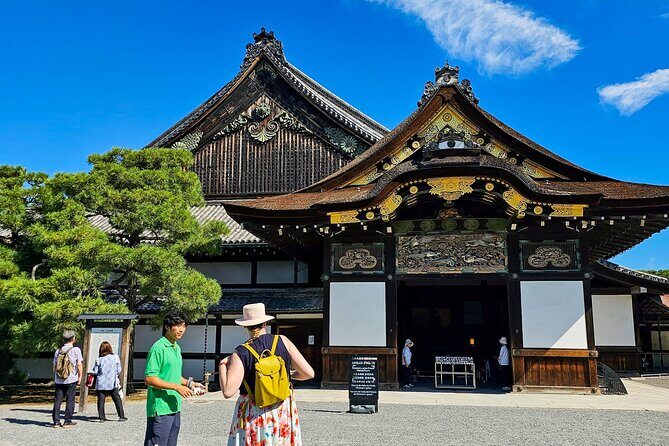
The second half centers on the Kyoto Imperial Palace, again with about 1 hour 30 minutes and admission included. Here the feeling shifts: Nijo tends to feel like a performance of authority tied to the shogun system, while the palace helps you understand the imperial family’s residence and its architectural presentation.
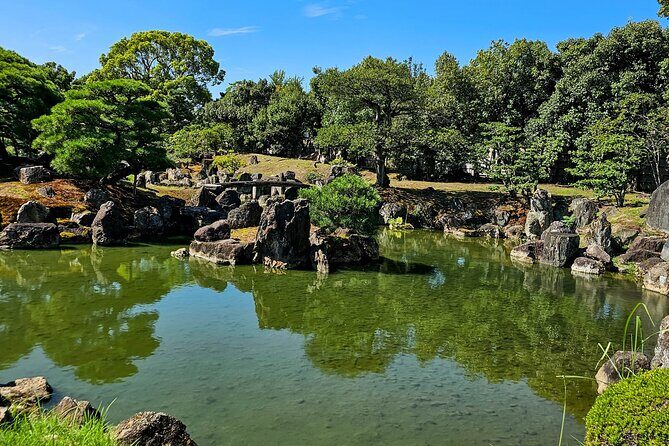
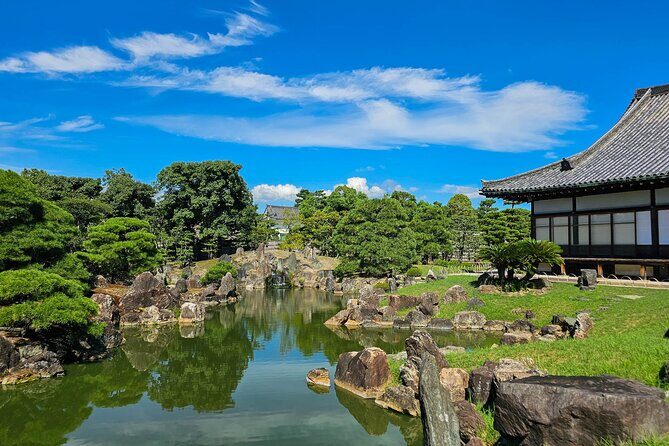
You’ll get a guided walk around the impressive structure and time to admire gardens and standout design elements. Customer notes praised guides for giving a “structure-first” explanation—how the palace and grounds work as a complex whole—then backing it up with cultural meaning.
Cecilia received specific shout-outs for being enthusiastic and informative, with lots of clarity for the palace and gardens. Some guides also focused on helping visitors interpret what they’re seeing so the buildings aren’t just pretty, but meaningful.
Practical tip: save your photo energy. The tour schedule includes time to get pictures, but it’s still a guided walking route. If you want extra shots, ask your guide which spots are best—then take them while you’re there, rather than counting on a return visit you won’t have time for.
Also, remember the end point: you’ll finish at Imadegawa Station, so don’t plan on heading straight to a hotel deep in the opposite direction without checking transit first.
Guides and group size: where the experience is won or lost
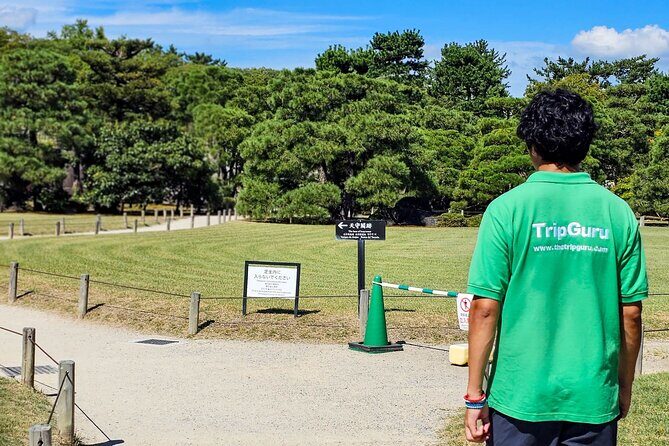
This tour lives or dies by the guide. The format is small—maximum nine travelers—so your guide can actually manage a group and keep communication clear.
From the customer notes, the most praised guide behaviors were:
- clear explanations and lots of Q&A
- helpful pacing, even on hot days
- photo-friendly pauses
- a friendly, calm tone that works for kids and older travelers
People named Jasmine again and again: praised for answering questions easily, explaining both locations’ history and art, and keeping volume/tone friendly for a mixed group that included a hard-of-hearing traveler. Another guide, Taku san, was described as a local certified guide with many touring visits under his belt, and customers liked that experience showed up in the flow.
You’ll also want a guide who doesn’t bluff. One note specifically applauded a guide who said when they weren’t sure, instead of guessing. That honesty makes the whole tour feel more trustworthy.
The occasional friction: one less-flattering comment said the guide seemed more focused on finishing on time and didn’t add as much cultural insight as expected. That’s rare in the overall rating picture, but it’s a reminder to choose this tour when you truly want guided interpretation, not just transit between two paid attractions.
Price and value: what $55 buys in Kyoto terms
At $55 per person for about three hours, this is priced like a “guided priorities” experience rather than a DIY savings play. The math is mostly about two things: entrance fees included and a small-group guide handling the story for you.
If you were to do these sites on your own, you’d still spend time figuring out logistics, reading signs, and translating the “why” behind design choices. The tour is trying to compress that into a single afternoon, so you come away understanding what you saw—especially the shogun era context at Nijo and the imperial residence context at the palace.
For value, watch the hidden cost: time lost to moving between sites. One critique mentioned that public transport or walking between the sites can take about 30 minutes, which means less pure sightseeing time inside the attractions. You’re paying for guide narration during that whole experience, but you still want to plan your day so you’re not also rushing from other neighborhoods.
If you want the most “bang,” book this as the main event in a half-day block. Don’t sandwich it tightly between far-apart plans unless your transit skills are strong and your patience is high.
A few more Kyoto tours and experiences worth a look

What to bring (and how to keep the pace comfortable)
This is a walking tour, so treat it like one. Wear shoes you can stand in for a while and bring basics for Kyoto weather swings.
From the guide style praised in notes, you can expect comfort to be considered—some guides added water and air-conditioning breaks when it got hot. Still, it’s wise to arrive prepared because you won’t control the city’s temperature.
Bring:
- Comfortable walking shoes
- A light layer (weather can change quickly)
- Water/snacks if you’re sensitive to long gaps (meals aren’t included)
- A charged phone/camera for photo time
Also, since this is a mobile ticket tour and the route ends at a different station, take a second to check your next transit step before you start walking out. When you’re tired, it’s easy to miss a simple connection.
And yes, Kyoto can be crowded. A small group helps, but it doesn’t make the city empty.
Common friction points: moving between sites and staying together
Most of the tour runs smoothly, and the overall ratings point that way. Still, I’d be realistic about two friction points.
First is the distance/time between Nijo Castle and the Kyoto Imperial Palace. Even when the guide plans the route well, you’re losing a chunk of your 3-hour window to travel. One concern described the experience as more “waiting and walking” than expected because of confusion related to a transport arrangement between the two sites.
Second is group coordination. With a max group size of nine, your guide should keep everyone together, but if you arrive late or miss an instruction, it can become harder to catch up.
How you avoid problems:
- arrive early enough to find the meeting point calmly
- listen for the meeting instructions before you separate for photos
- take note of the guide’s guidance on how you’ll move to the second site
If you’re traveling during a busy season and you know your mobility is limited, consider planning extra buffer time so the schedule doesn’t feel tight.
Should you book this Kyoto Nijo Castle and Imperial Palace tour?
I’d book it if you want a guided “read the symbols” afternoon, with admission handled, a small group, and enough structure to compare the shogun and imperial worlds without spending hours sorting out logistics.
I’d pass or swap for another format if:
- you hate being on a clock for three hours
- you’re expecting zero movement between sites
- you’re the type who wants unlimited lingering time inside each area
For most first-timers to Kyoto’s palace-and-castle side, this is a solid value play because it turns two major stops into one coherent story. And when the guide is on—like the praised Jasmine, Cecilia, Raphael, Atsushi, and others—you’ll leave with more than photos. You’ll know what to look for the next time you see a gate or garden in Japan.
FAQ
How long is the Kyoto Imperial Palace and Nijo Castle guided walking tour?
It runs for about 3 hours, with roughly 1 hour 30 minutes at Nijo Castle and 1 hour 30 minutes at the Kyoto Imperial Palace.
What’s the price per person?
The tour costs $55.00 per person.
How big is the group?
The group is limited to a maximum of nine travelers.
Where do I meet, and where does the tour end?
You start at Nijojo-mae Station (Nijo-jo Castle) and end at Imadegawa Station.
Is the tour in English?
Yes. The tour includes an English-speaking tour guide.
Are entrance fees included?
Yes. Entrance fees for both Nijo Castle and the Kyoto Imperial Palace are included.
Do I need to buy tickets separately?
No. Entrance tickets are included as part of the tour, and the tour also provides a mobile ticket.
Is hotel pickup or drop-off included?
No. Hotel pickup and drop-off aren’t included.
Can most travelers participate?
Yes. Most travelers can participate, and it’s a walking tour format near public transportation.
Is there free cancellation?
Yes, you can cancel up to 24 hours in advance for a full refund.