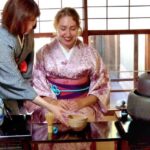
Kyoto can slow you down fast. This short tea ceremony gives you the feel of the ritual without eating your whole day. You’ll handle the moment-to-moment movements of OTE-MAE with guidance, then taste a single-origin matcha served with classic Japanese dried sweets.
I like that it’s built around a real tea process, not just a sip-and-smile demo. I also like the comfort factor: people sit at tables and chairs, so you’re not forced into a floor setup to enjoy Kyoto tea culture.
One thing to think about: the session is brief, and the amount of English support can vary by class. If you want lots of detailed history and cultural context, you may find the teaching pace a bit basic in places.
In This Review
- Key takeaways
- A 30-Minute Kyoto Tea Ceremony That Fits Real Travel Days
- Finding the Experience Near Gojo Station (and Staying On Schedule)
- What OTE-MAE Feels Like in Real Time
- Single-Origin Matcha: More Than Hot Water and Powder
- OHIGASHI Comes With Your Tea, Not as an Afterthought
- Seated at Tables and Chairs: The Comfort Advantage
- Language Support: Expect Japanese, Plan for Limited English
- How Much You’ll Learn in 30 Minutes (and What You Might Want Elsewhere)
- Price and Value: Why About $7 Can Make Sense
- Who Should Book This Tea Ceremony
- Who Might Want a Different Option
- Should You Book This Kyoto Tea Ceremony?
- FAQ
- How long is the Kyoto traditional tea ceremony experience?
- Where do I meet for the experience?
- What is included in the price?
- Is a completion certificate included?
- What language is the instructor?
- Is the building wheelchair accessible?
- Can I get a refund if I cancel?
Key takeaways
- Single-origin matcha focused on flavor and technique, not generic powder.
- OHIGASHI sweets served alongside your tea, so the tasting feels complete.
- OTE-MAE format with step-by-step guidance from a Japanese instructor.
- 30-minute timing that fits between temples, shopping, and dinner.
- Tables and chairs seating, easier for many people than tatami-style sessions.
- Limited time for translation, so arrive focused and ask questions early if possible.
A 30-Minute Kyoto Tea Ceremony That Fits Real Travel Days
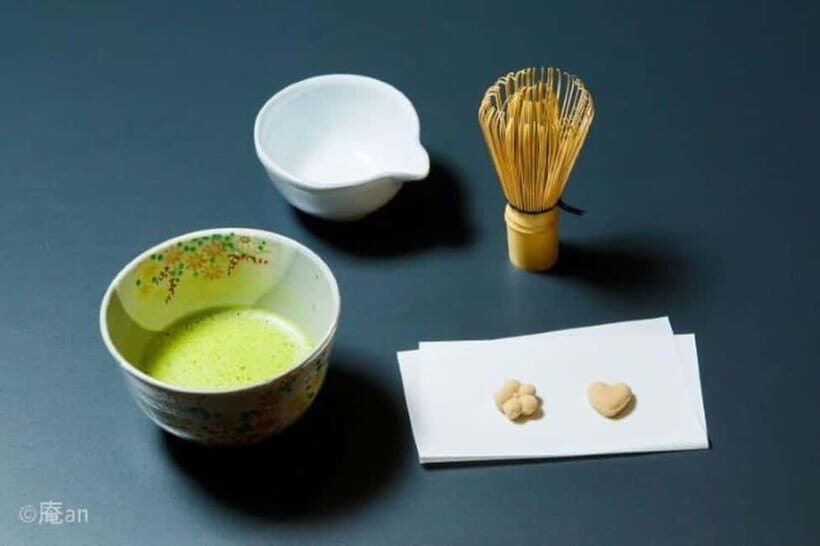
This is a straightforward Kyoto tea ceremony experience in Honshu, Japan, priced at about $7 per person for a 30-minute session. That timing matters in Kyoto, where you can burn a surprising amount of energy bouncing from one stop to the next.
The biggest value here is that you’re not just watching. You follow along with tea-ceremony movements and learn what the steps are for, then you get to taste the result right away.
A few more Kyoto tours and experiences worth a look
Finding the Experience Near Gojo Station (and Staying On Schedule)
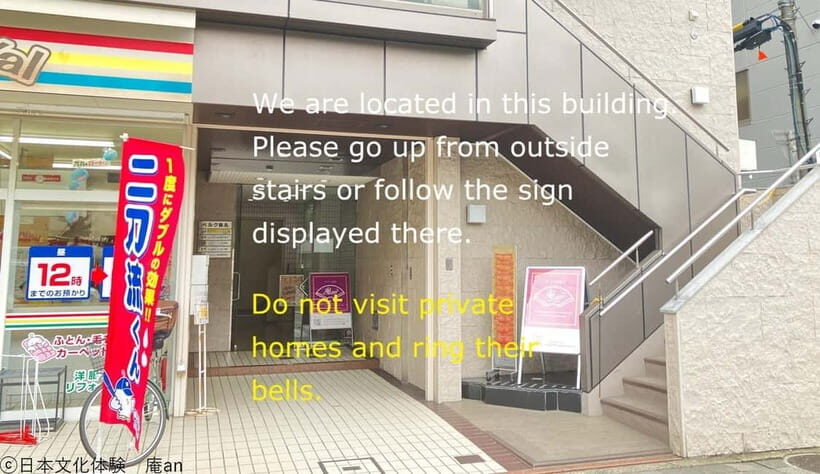
Your start point is easy to reach: it’s a one-minute walk from Exit 1 of the Subway Karasuma Line Gojo Station. The storefront entrance faces Gojo-dori, so you’re not stuck searching tiny side streets for clues.
Operation hours run 10:00 to 17:00, and reservations received after 17:00 get processed the next day. You also should plan to arrive with breathing room, because the event won’t be held to accommodate delays.
One more practical note: there’s no elevator, and you need to take stairs to reach each venue. Even though the activity is described as wheelchair accessible, the staircase requirement is the thing you’ll want to plan around early.
What OTE-MAE Feels Like in Real Time
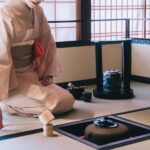
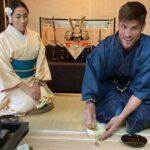
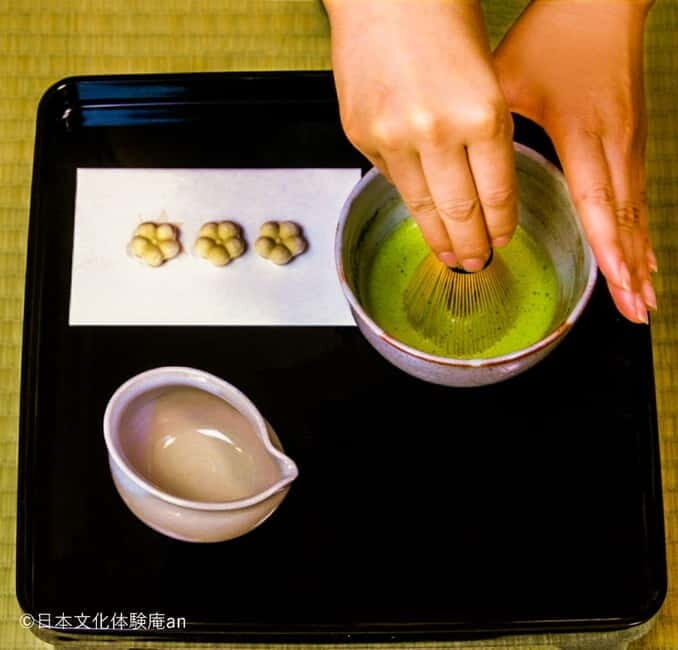
OTE-MAE is the heart of what you do here, and the format is built around learning the ceremony through guided steps. You’ll be taught how each movement and utensil fits into the ritual, along with the philosophy behind it.
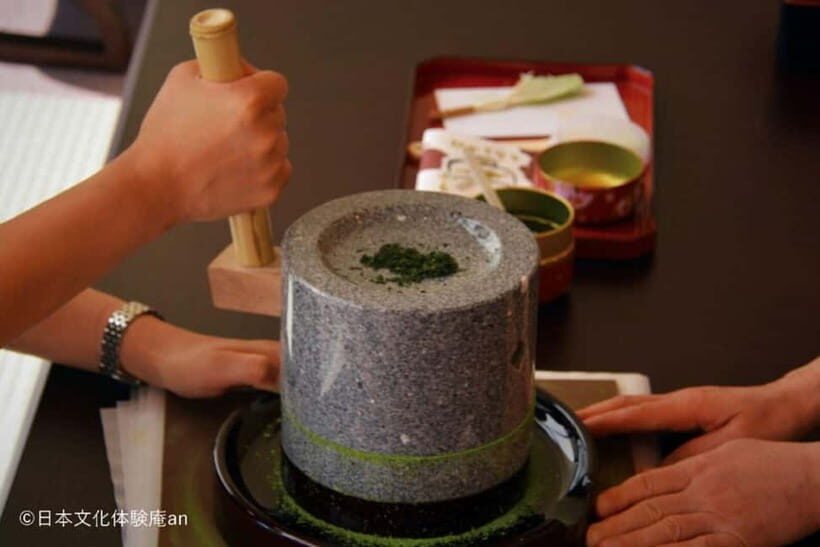
The experience includes a demonstration connected to how matcha is made into matcha tea. That’s useful because it turns matcha from a product you buy into something you understand as a process.
During the session, you’ll follow along and participate as part of the structure. One important rule: if you don’t participate, you won’t be allowed to enter, so even if you’re shy, you’ll want to jump in at least during the core steps.
Single-Origin Matcha: More Than Hot Water and Powder
The tea is the star: you’ll enjoy a single-origin matcha. That wording isn’t just marketing fluff. Single-origin matcha tends to feel more distinct in aroma and taste than the most generic blends, so you actually notice differences as you learn the whisking and serving rhythm.
You’ll also get instruction on the basic do’s and don’ts of enjoying matcha properly. In a short session like this, that’s often what makes it feel educational instead of purely performative.
If you’re the kind of person who loves rules because they create beauty, this is your lane. The guidance is aimed at helping you understand why the steps matter, even if time is limited.
OHIGASHI Comes With Your Tea, Not as an Afterthought
Along with your matcha, you’ll be served OHIGASHI, Japanese dried sweets. This matters because matcha and sweets are meant to work together: the sweetness gives contrast, while the tea helps reset your palate.
A lot of the positive impressions connected to this experience mention that the food component made the whole thing feel satisfying. In practice, the OHIGASHI pairing helps you remember the ceremony as a tasting experience, not just a demonstration.


Seated at Tables and Chairs: The Comfort Advantage
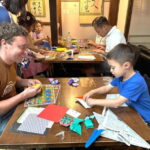
Many Kyoto tea activities lean toward floor seating, which can be a deal-breaker for some bodies. Here, you’re seated at tables and chairs, which changes the feel of the class immediately.
It also helps you stay present. When you’re not working around posture discomfort, you can pay attention to the utensils, timing, and the way the steps flow.
That said, if the room gets busy, you may still need to position yourself well to see and hear clearly. One downside that shows up is that sessions can feel crowded, making the guide harder to hear.
Language Support: Expect Japanese, Plan for Limited English
The instructor is Japanese, and English translation is provided as much as possible if you request it. The key is that support isn’t guaranteed in the same way for every session.
Some classes may involve more than one language, and that split can make it harder to catch every detail. If you care about specific terms (like matcha history or etiquette), be proactive: contact the operator to request your preferred English support.
Based on feedback patterns, the session can feel like a quick overview rather than a deep lecture. So I recommend showing up with a simple goal: learn the basic flow, taste the tea, and take home a few practical rules you can reuse.
How Much You’ll Learn in 30 Minutes (and What You Might Want Elsewhere)
This is a short, structured class. You’ll cover the main movements and the basic meaning behind them, plus the matcha preparation demonstration.
Where some people may feel let down is in the depth of cultural storytelling. If you’re hoping for a very detailed walkthrough of when matcha is typically drunk and by whom, you might want to pair this with a longer tea-focused program during your stay.
On the other hand, the best experiences often happen when you approach this as an intro. In feedback, the sessions described as educational and calming typically had one theme: the tea ceremony helped people slow down and learn the do’s and don’ts clearly enough to actually enjoy the moment.
Price and Value: Why About $7 Can Make Sense
At around $7 per person, this can be excellent value if you want:
- a guided OTE-MAE experience,
- single-origin matcha to taste,
- and OHIGASHI included with the tea.
The session includes the tea ceremony set of experience (OTE-MAE). What’s not included is a completion certificate for 300 JPY, which some people treat as a fun souvenir-style add-on.
If you’re doing a tight Kyoto itinerary, the short duration is also part of the value. You get a meaningful cultural activity without sacrificing your afternoon.
If you’re chasing a long-form deep dive into tea culture, then you may find the time doesn’t match your learning goal. But for a first taste of Kyoto tea practice, it’s a smart, low-commitment choice.
Who Should Book This Tea Ceremony
This activity is a great fit if you want a practical Kyoto experience with instant payoff: you learn the steps and taste matcha right after. It’s especially appealing if you prefer table seating and want something easy to schedule near Gojo Station.
It also works well for people who like a calm, focused activity while traveling. Many of the best impressions connect to the calming, educational feel—less chaos, more ritual.
Who Might Want a Different Option
Consider alternatives if you’re looking for:
- long explanations of the social and historical context of matcha,
- lots of time for Q&A,
- or a class with consistent, full-time English coverage.
Also, if hearing the guide is crucial for you, you should know that some sessions can feel crowded, so plan to arrive early for the best viewing spot.
Should You Book This Kyoto Tea Ceremony?
I’d book it if your goal is simple and real: learn the core movements of OTE-MAE, taste single-origin matcha, and eat OHIGASHI in a short time window. The $7 price point makes it easy to try Kyoto tea culture without turning it into a whole-day project.
I wouldn’t book it as your only tea experience if you’re aiming for a very detailed lecture-style understanding of matcha’s deeper background. In that case, treat this as your hands-on primer, then add a more extended program elsewhere if you want more context.
If you want a calm, accessible taste of Kyoto tradition with quick practical takeaways, this is a solid match.
FAQ
How long is the Kyoto traditional tea ceremony experience?
It runs for 30 minutes.
Where do I meet for the experience?
Meet about a 1-minute walk from Exit 1 of the Subway Karasuma Line Gojo Station. The store entrance faces Gojo-dori.
What is included in the price?
The experience includes the OTE-MAE set of the Japanese tea ceremony experience, including single-origin matcha tea and OHIGASHI (Japanese dried sweets).
Is a completion certificate included?
No. A completion certificate is not included and costs 300 JPY.
What language is the instructor?
The instructor is Japanese. English translation is provided as much as possible if you request it.
Is the building wheelchair accessible?
The activity is described as wheelchair accessible, but there is no elevator and you need to take stairs to reach each venue.
Can I get a refund if I cancel?
You can cancel up to 24 hours in advance for a full refund.