Slow tea, big feelings.
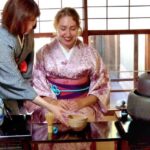
Oboro’s candlelit matcha ceremony takes place in a 100-year-old Kyoto teahouse, and the whole point is to slow your senses down. You’ll watch the host prepare matcha with careful, ceremonial steps, then taste it in a quiet space that feels far from a café.
Two things I really like: the small group size (max 8) keeps it personal and uncrowded, and the English-speaking guide helps you follow every move without guessing. One drawback to consider: it’s not a casual drop-in. If you’re late by more than 10 minutes after the start time, you can’t join.
In This Review
- Key highlights at a glance
- Why Oboro’s 100-Year-Old Teahouse Feels Like a Reset Button in Kyoto
- Your 50-Minute Flow: Welcome Sweets, Utensil Prep, and Matcha One Bowl at a Time
- Arrival and welcome tea
- Transition to the tearoom and utensil cleaning
- Whisking and tasting rare organic green tea
- Closing with a small handmade candle
- The English-Speaking Guide: No Guessing, Just Better Questions
- Mindfulness Without the Stuffiness: Quiet Wonder, Shared Respect
- Price and Value: Is $45.98 Worth It in Kyoto?
- Who Should Book Oboro (and Who Might Not Love It)
- Getting There and Timing: The 10-Minute Rule Is the Real Deal
- Should You Book Oboro? My Straight Answer
- FAQ
- How long is the Oboro tea ceremony?
- What’s the maximum group size?
- Is there an English-speaking guide?
- What’s included in the price?
- Do I get to taste matcha?
- Is there anything besides tea?
- Is there a take-home item?
- Where do I meet for the ceremony?
- Do I get a mobile ticket?
- What happens if I arrive late?
Key highlights at a glance

- 100-year-old Kyoto teahouse setting with handmade candles and minimal décor
- Matcha preparation you can watch up close, including utensil cleaning and whisking
- English-speaking guide so the ritual makes sense as you go
- Small group size for a calmer, more meditative pace (maximum 8)
- Welcome tea and sweets, then tea served one bowl at a time
- A small handmade candle take-home at the end
Why Oboro’s 100-Year-Old Teahouse Feels Like a Reset Button in Kyoto

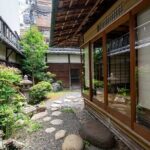
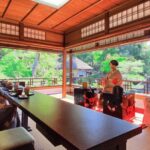
Kyoto can hit you fast. Traffic, crowds, souvenir shops, constant motion. Oboro gives you an immediate counterpoint: you step into a dim, candlelit tearoom inside a 100-year-old Kyoto house, with minimal décor and soft atmosphere. That design choice matters. It stops your brain from multitasking.
The ceremony isn’t staged like a performance you watch from a distance. You’re guided into a shared quiet space where the host’s movements and the objects on the table are the focus. Handmade candles set the mood, and the room’s simplicity helps you actually pay attention to smell, sound, and temperature—things you normally skip when you order tea and keep walking.
I also like that the experience frames itself as mindful and meditative without becoming stiff or unreachable. It’s respectful and deliberate, but not cold. If you want a cultural activity that feels calm instead of rushed, this is a strong fit.
A few more Kyoto tours and experiences worth a look
Your 50-Minute Flow: Welcome Sweets, Utensil Prep, and Matcha One Bowl at a Time

The whole thing runs about 50 minutes (approx.), and it moves in a clear, step-by-step rhythm. That timing is a plus in Kyoto: you get something meaningful without sacrificing your whole afternoon.
Here’s what the experience looks like, in the order you’ll feel it:
Arrival and welcome tea
You arrive and are guided into a softly lit space. Before the main matcha moment, you’ll start with a welcome tea and sweets. This does two helpful things. First, it eases you into the ritual. Second, it sets up the sensory focus—sweet first, then the shift to green tea flavors.
Transition to the tearoom and utensil cleaning
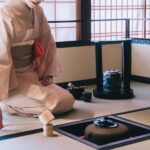
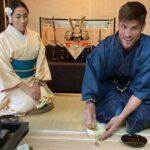
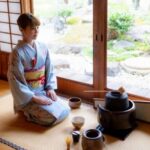
The host carefully cleans and prepares the utensils before whisking the tea. You’ll notice that this isn’t just about making matcha taste good. It’s about proper handling and readiness. Watching the prep step makes the final bowl feel more intentional.
This is one reason the experience can be memorable even if you’re not a tea superfan. You learn that matcha isn’t only a drink. It’s a sequence of care.
Whisking and tasting rare organic green tea
Then comes the star: the host whiskes rare organic green tea (matcha). It’s served one bowl at a time, so you’re not chugging through a lineup. Each bowl is an individual moment—your turn, your pace, your attention.
When you take your first sip, the experience invites you to notice details you usually miss:
- warmth of the tea bowl in your hands
- subtle flavor changes from the first sip to the next
- how the candlelight and quiet atmosphere affect your mood



Closing with a small handmade candle
The session ends with a small handmade candle as a token of the tranquility you took in. It’s not a gimmick; it’s a physical reminder to slow down once you’re back outside.
The English-Speaking Guide: No Guessing, Just Better Questions

A big worry with cultural activities is always the same: Will I understand what’s happening?
Oboro solves that with an English-speaking guide who translates for you, so you can follow the ceremony instead of nodding along. That matters most when you see something you haven’t seen before—like the utensil cleaning steps, the whisking style, or the pacing of tasting.
Also, the host is introduced in the data as Taku Okamoto, and the experience has featured named hosts like Taku and Naoki in the shared descriptions. The point for you: this is guided by people who take the process seriously and help you connect the dots.
One practical benefit: if you came with questions about how matcha is made or why certain steps happen, you’re set up to ask. Reviews associated with this experience repeatedly highlight that the host answers questions with patience and clarity.
Mindfulness Without the Stuffiness: Quiet Wonder, Shared Respect

Some tea ceremonies feel like you’re in a museum. Others feel like you’re sitting in on a real moment. Oboro lands in the middle: respectful, but warm.
You’ll feel that in how the ceremony is described:
- shared respect between host and participants
- a sense of quiet wonder rather than strict formality
- a meditative atmosphere where you’re encouraged to slow down
Candles help here. The handmade candlelight isn’t just decor. It creates a slower visual rhythm. When your eyes aren’t darting around a busy room, your attention follows the tea.
This is also why the small group matters. With up to 8 travelers, you’re more likely to feel like part of one calm circle, not a crowd waiting their turn.
And yes, it’s still a “ritual.” That’s the point. It’s not designed to be a quick caffeine stop. If you want a silent, slightly hypnotic hour where you watch, taste, and reflect, you’ll likely love it.
Price and Value: Is $45.98 Worth It in Kyoto?

At $45.98 per person, it’s not the cheapest thing on your Kyoto plan. But it’s also not “paying for a cup of tea.”
Here’s what you’re paying for, based on what’s included:
- a guided tea ceremony experience (about 50 minutes)
- an English-speaking guide
- coffee and/or tea (as part of the included refreshments)
- welcome sweets
- matcha preparation and tasting of organic green tea
- a small handmade candle take-home
So you’re buying time, instruction, and atmosphere. Most cafés can hand you matcha, but they don’t give you candlelit attention, ceremonial sequencing, and a guide translating the meaning behind each step.
One more practical note: tips are not included. If you plan to tip, factor that into your mental budget. Even if you don’t, the value is built into the experience itself.
Who Should Book Oboro (and Who Might Not Love It)

This tea ceremony is especially good for:
- First-timers who want matcha basics without feeling lost
- People who prefer calm cultural activities over crowded ones
- Travelers who like hands-on watching—seeing the whisking process up close
- Anyone who wants a break from Kyoto’s nonstop motion
You might like it most if you’re the type who enjoys sensory details: warmth, texture, aroma, and the quiet effect of a slowed pace.
It might be less ideal if:
- you want something fast and casual
- you dislike waiting for a ritual flow
- you’re the kind of person who routinely arrives late (the 10-minute start-time rule is real)
Getting There and Timing: The 10-Minute Rule Is the Real Deal

The meeting point is 237 Nakaogawachō, Kamigyo Ward, Kyoto, 602-0053, Japan, and the start and end both happen back there.
It’s near public transportation, and you’ll use a mobile ticket, which makes the day-of process simple. The one timing rule you should treat as a hard boundary: if you’re more than 10 minutes past the start time, you can’t join.
That means I’d plan to arrive a bit early, not just because Kyoto streets can surprise you, but because you’ll want a calm walk-in mood. This experience is better when you’re not rushing.
Should You Book Oboro? My Straight Answer

If you want a Kyoto experience that feels peaceful, personal, and genuinely centered on the tea ritual, I’d book Oboro. The combination of candlelit atmosphere, small group size, and an English-speaking guide makes it easier to connect with what you’re seeing and tasting—especially if it’s your first time with matcha.
Skip it only if you’re chasing a busy, high-energy activity or you’re likely to arrive late. For the rest of us—slow travelers, curious food-and-culture fans, and anyone needing a break from the city’s pace—this is one of the nicer ways to spend an hour in Kyoto.
FAQ
How long is the Oboro tea ceremony?
It lasts about 50 minutes.
What’s the maximum group size?
The ceremony has a maximum of 8 travelers.
Is there an English-speaking guide?
Yes. An English-speaking guide is included and helps with translating during the ceremony.
What’s included in the price?
Coffee and/or tea are included, along with the English-speaking guide.
Do I get to taste matcha?
Yes. The ceremony includes preparing and serving matcha (rare organic green tea) for tasting.
Is there anything besides tea?
Yes. You’ll start with a welcome tea and sweets before the matcha is served.
Is there a take-home item?
Yes. The experience ends with a small handmade candle as a token.
Where do I meet for the ceremony?
You start at 237 Nakaogawachō, Kamigyo Ward, Kyoto, 602-0053, Japan.
Do I get a mobile ticket?
Yes. The experience uses a mobile ticket.
What happens if I arrive late?
If you pass the start time by more than 10 minutes, you can’t participate.
If you want, tell me your travel dates and whether you’re doing other Kyoto “must-dos” the same day. I’ll help you place this ceremony at the right time for the smoothest day.