Kyoto’s green-and-gold day feels effortless. This private walk strings together Arashiyama’s monkeys and bamboo with Kinkakuji’s Golden Pavilion, so you get the highlights without playing map hero. I love the private guide and the no-stress pacing for a route that can feel overwhelming on your own. One possible drawback: admission fees and public transit cost extra, and there’s enough walking (including a slightly steep climb) that you’ll want moderate fitness.
You start at 8:00 am from Kyoto Station, then the day moves west to Arashiyama and comes back to the Golden Pavilion area. In feedback, a guide named Barbara was especially praised for clear English, strong historical context, and a friendly, professional manner that worked for ages 17 to 70. If you want a smooth day where you can ask questions instead of guessing, this setup makes sense. Arashiyama-to-Kinkakuji flow is the whole point.
In This Review
- Quick highlights before you go
- A Private Day Linking Arashiyama and Kinkakuji
- Meeting at Kyoto Station: Your 8:00 am Launch
- Monkey Park Iwatayama and Togetsukyo Bridge: Start With Drama
- Kameyama Park and Bamboo Forest Street: Slow Down on Purpose
- Tenryu-ji Temple and Its 1339 Garden Story
- Kinkakuji Golden Pavilion: What to Notice Besides the Gold
- Price and Value: Guide Included, Tickets and Transit Extra
- Walking Comfort, Weather, and Common-Sense Tips
- Who Should Book This One-Day Walking Tour
- Should You Book This Kyoto Arashiyama and Golden Pavilion Tour?
- FAQ
- What’s included in the tour price?
- Are temple tickets and public transport included?
- How long is the tour and when does it start?
- Where do I meet and where does the tour end?
- Is this tour accessible, and is it stroller-friendly?
- What if the weather is bad or I need to cancel?
Quick highlights before you go
- Private, guided pacing that helps you keep moving without getting lost
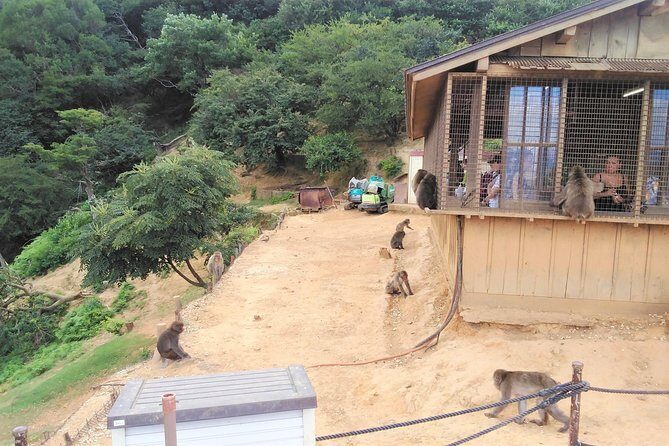
- Wildlife start at Monkey Park Iwatayama, with about 120 wild macaques
- Arashiyama classics like Togetsukyo Bridge and the bamboo grove walk
- Tenryu-ji Temple with a UNESCO-listed garden and a 1339 origin story
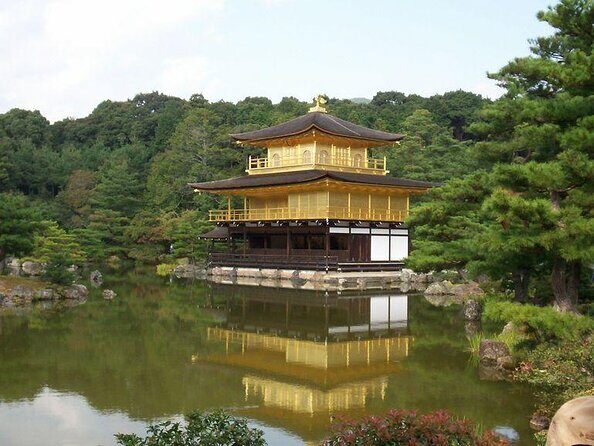
- Kinkakuji Golden Pavilion plus time to take in the pond reflections
- Costs to plan for: temple admission and public transportation are not included
A Private Day Linking Arashiyama and Kinkakuji
This is the kind of Kyoto day that saves you work. You get a guide to set the rhythm, explain what you’re seeing, and help you connect the dots between the Arashiyama district and Kinkakuji. If you’re trying to cover major sights without turning your trip into a constant navigation project, that’s the sweet spot.
The itinerary is built around contrast: first the outdoorsy, calm-feeling west side with monkeys, bridge views, and bamboo; then the big cultural hit of Kinkakuji in the afternoon. That order also helps because you’ll often want cooler, less crowded energy earlier for walking.
I also like that it’s structured as a private experience—only your group. That matters here because your pace can be different depending on how long you linger at the bamboo, how long you want for temple viewing, and how much time you spend watching the river and bridge scenery.
A few more Kyoto tours and experiences worth a look

Meeting at Kyoto Station: Your 8:00 am Launch
The day starts at 8:00 am at Kyoto Station (Kyoto Station Building, 901 Higashishiokōjichō). Using Kyoto Station as a hub is practical: it’s easy to find, it’s well-connected, and it reduces the stress of meeting somewhere obscure.
From there, your guide leads you through the west-Kyoto sequence. The total time is about 7 hours 30 minutes, which is a meaningful chunk of the day—but not so long that you’ll feel trapped. You’ll also see the schedule is designed for a morning-and-afternoon split: Arashiyama in the morning, Kinkakuji after.
One more practical point: the tour requires moderate physical fitness. That doesn’t mean you need to be an athlete, but it does mean you should expect walking between stops, plus at least one slightly steep climb on the way to the monkey park.
Monkey Park Iwatayama and Togetsukyo Bridge: Start With Drama
You’ll start with Monkey Park Iwatayama, reached after about a 15-minute walk from Saga Arashiyama Station. The approach includes a slightly steep mountain path, so it’s worth wearing shoes with solid grip and taking your time on the incline.
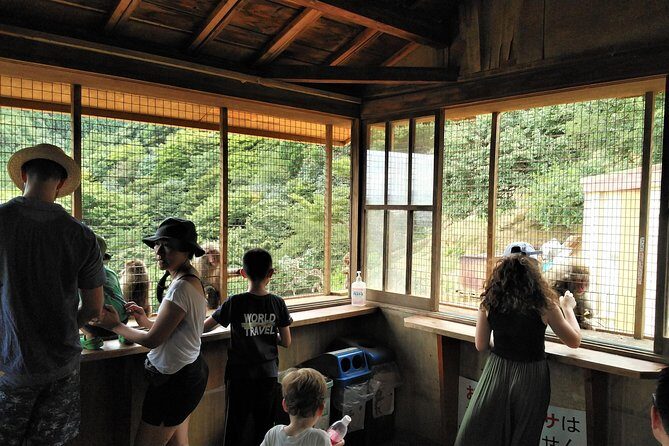
Once you’re up there, the appeal is straightforward: you’re in a viewing area with roughly 120 wild Japanese macaques. The vibe is part nature watching and part gentle chaos—monkeys roam, people photograph, and you’ll quickly realize that patience is the real sightseeing tool.
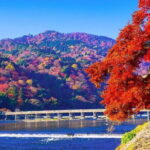
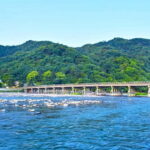
From there, you shift to Togetsukyo Bridge, one of Arashiyama’s signature scenes. This bridge sits over the river, and the historical story attached to Arashiyama adds meaning to the view. The area was once restricted mainly to aristocrats, who enjoyed boating and watching the scenery—plus the romantic idea of moonlight reflecting on the water. It’s the kind of context a guide can translate into something you can actually feel while you’re there.
Why this works early: you’re setting the theme of your day fast. Monkeys, then big river scenery. After that, the bamboo and temples don’t feel random—they feel like the next chapters in the same Arashiyama story.
Kameyama Park and Bamboo Forest Street: Slow Down on Purpose
Arashiyama can feel like a highlight factory. That’s why I appreciate the pacing after the bridge: you move to Kameyama Park, then into Bamboo Forest Street.
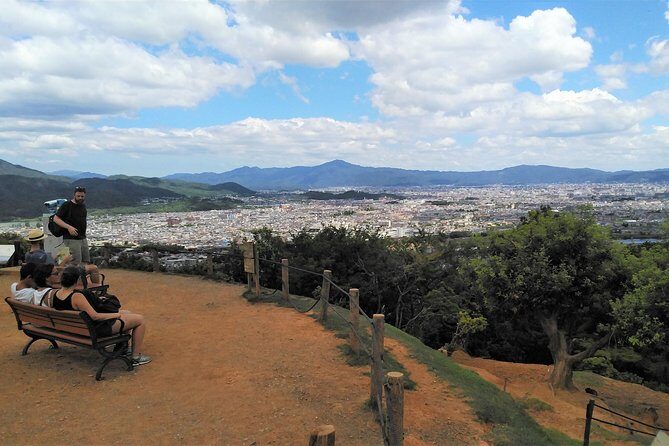
Kameyama Park is on the other side of Arashiyama, and it’s known for views from an observatory—steep cliffs and the river far below. It’s a nice reset. Instead of standing shoulder-to-shoulder for iconic photos, you get a moment to look outward and take in the vertical terrain of the valley.
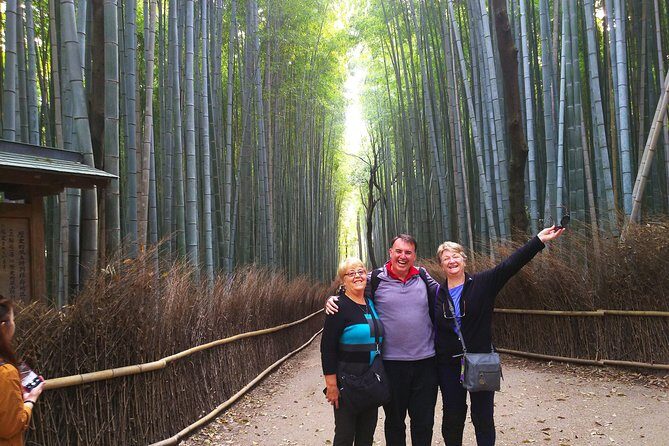
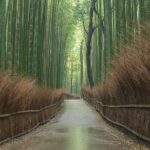
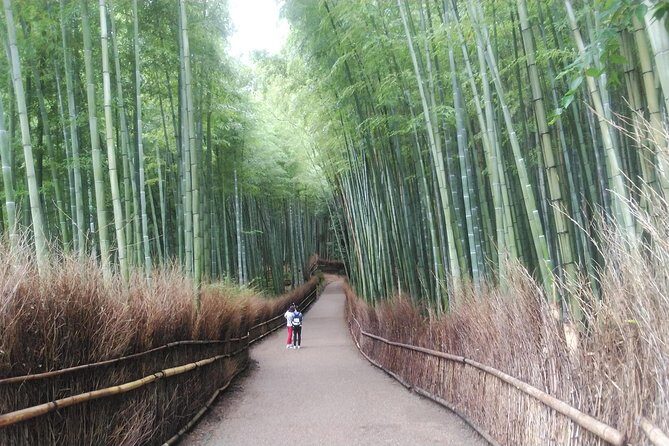
Then comes Bamboo Forest Street. This is the walk most people dream about: tall bamboo pillars, and that sound effect of bamboo softly rustling in the wind. Even if you’ve seen photos, the real impact is the sense of scale when you’re walking through it.
A small drawback to know: the bamboo grove is a top attraction, so expect people. The upside is that you’re not navigating it alone. Having a guide helps you time your stop and keep moving when you need to—so you don’t spend your whole day stuck waiting in the same spot.
Tenryu-ji Temple and Its 1339 Garden Story
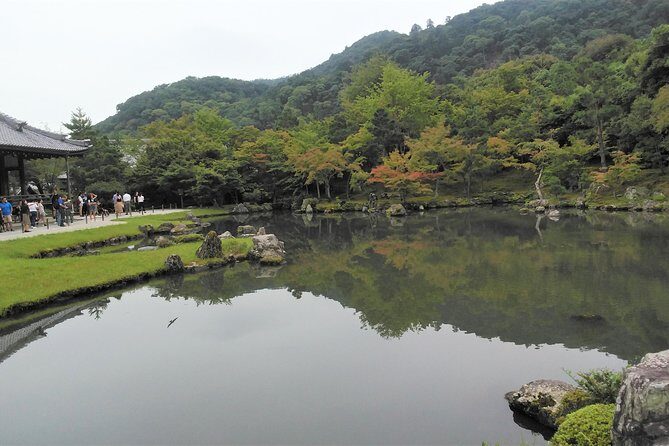
Tenryu-ji Temple is your UNESCO-class cultural anchor for the day. This venerated temple was built in 1339 by a shogun to appease the spirit of the late Emperor, and that origin story adds weight to what you’re seeing.
You’ll have about 30 minutes here. That’s a realistic window: long enough to understand what the temple is, not so long that you lose the thread of the visit. The garden is one of the famous Japanese garden styles, and a guide can help you notice how the layout directs the eye—rather than treating it like a “look and move on” stop.
This is also a good time to slow down from the outdoor walking rhythm. Bamboo and river scenes are gorgeous, but temples are where Kyoto’s meaning gets clearer. Tenryu-ji gives you that shift—history tied to a specific purpose, and scenery designed for contemplation.
Tip from the tour style: since admission fees aren’t included, plan to budget for them in advance. It keeps the temple part smooth instead of turning it into a last-minute payment scramble.
A few more Kyoto tours and experiences worth a look
Kinkakuji Golden Pavilion: What to Notice Besides the Gold
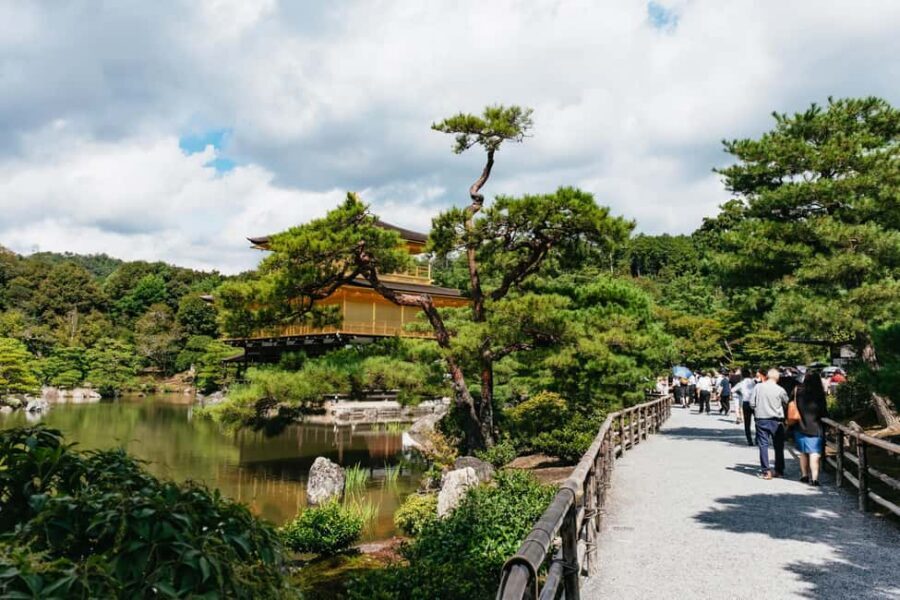
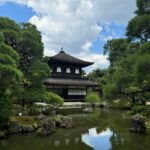
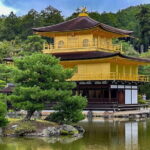
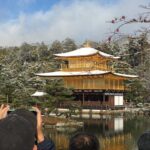
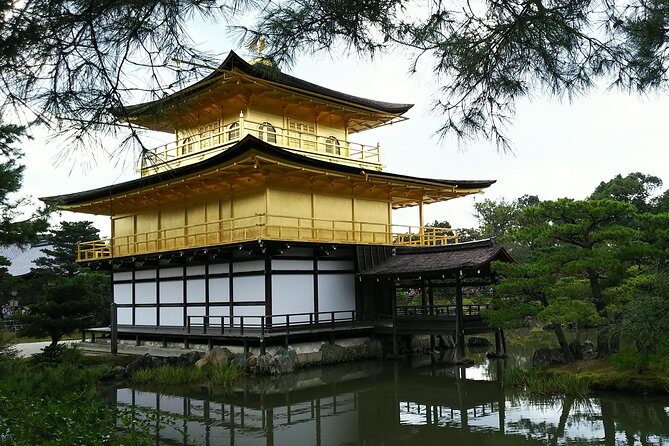
Kinkaku-ji (the Golden Pavilion) is the headline in the afternoon. It’s known as one of Kyoto’s leading tourist attractions, and it’s easy to see why: the pavilion’s gold look is dramatic even before you get close. The reflection in the pond is part of the magic, so give yourself a moment to find the best angles.
There’s also a pop-culture trivia layer that can make the visit fun. Kinkakuji is linked to a movie scene where the Golden Pavilion admission ticket appears. That might not change how the temple looks, but it can make your guide’s explanation more memorable.
You’ll spend about 50 minutes at Kinkakuji, which is a solid amount of time for a major site. In that window, you can do the main viewing, get a few reflection photos, and still have time for the guide to explain the temple’s significance and the design ideas you might otherwise miss.
The one thing to keep in mind: this stop is the most in-demand of your day. If you dislike crowds, arrive with patience and expect that some photo spots take turns. The guide’s job is to help you get good viewing time without turning it into a stress test.
Price and Value: Guide Included, Tickets and Transit Extra
The price is $128.35 per person, and that includes the guide fare. On top of that, you should plan for:
- Temple admissions: ¥2,100 per person (not included)
- Public transportation: ¥1,200 per person (not included)
- Food and drink: not included
So what are you really paying for? You’re paying for someone to steer your day: the route between areas, the historical context, and the pacing that makes the day feel coherent rather than chaotic. For first-timers to Kyoto—especially if you want to hit Arashiyama and Kinkakuji without spending hours figuring out where to go next—that can be good value.
There’s also a hint of flexibility in the model. The tour offers group discounts and uses a mobile ticket, which can help if you’re traveling with multiple people and want everything to feel organized.
The trade-off is predictable: you still have to budget for admissions and transit, and you’ll be walking most of the day. If you’re a very independent traveler who enjoys planning every route detail yourself, you might feel you could do it cheaper. But if you want to spend your energy on the sights rather than logistics, the guide time is the value.
Walking Comfort, Weather, and Common-Sense Tips
This is a walking day with a moderate fitness requirement. That’s not just marketing language. You’ll take stairs and paths at Monkey Park Iwatayama, and you’ll cover multiple neighborhoods and sightlines without a ton of long “sit-and-reset” breaks.
Here’s what to do with that information:
- Wear good shoes. The route includes a slightly steep path, and you don’t want slippery footwear deciding your experience.
- Use sun protection. The day is long enough that sun can wear you down even if the pace feels manageable.
- Keep your expectations realistic. Seven and a half hours with several major stops means you’ll be moving a lot.
Weather matters too. The experience requires good weather. If it’s canceled due to poor conditions, you’ll be offered a different date or a full refund. That’s important because temples and outdoor areas are the whole show.
Accessibility notes are mixed in a helpful way: it’s described as accessible for limited eye sight and limited mobility, but it’s not stroller accessible. If you’re pushing a stroller, you may want to rethink or ask more specific questions before booking. Animals or pets are allowed, which is useful if your travel style includes them.
Who Should Book This One-Day Walking Tour
This tour is a strong match if you want:
- A private guide and a clear route between major Arashiyama sights and Kinkakuji
- Explanations that connect the scenery to stories—bridge history, temple background, and what to notice in the garden
- A pace that can handle a mixed group, including different ages and comfort levels (the guide style has been praised for working well across a wide age range)
It’s also a good fit for people who don’t want to miss the “big names” of Arashiyama. You’ll hit Monkey Park Iwatayama, Togetsukyo Bridge, Kameyama Park, the Bamboo Forest Street walk, Tenryu-ji, and Kinkakuji. That’s a lot of Kyoto in one day, and the guide helps keep it from feeling like a checklist.
Who should reconsider: if you strongly dislike crowds, if you can’t handle walking and inclines, or if you want total control over every stop without extra costs for admissions and transit.
Should You Book This Kyoto Arashiyama and Golden Pavilion Tour?
If your priority is a smooth day that combines Arashiyama and Kinkakuji with expert guidance, I’d say yes. The pricing can feel like an add-on at first because tickets and transit are extra, but you’re buying something real: time saved, route clarity, and interpretive context that turns views into understanding.
I’d especially recommend booking if you’re going in peak season or you don’t want to waste mornings figuring out connections between west Kyoto neighborhoods. This tour is often booked about 23 days in advance, which is a decent signal that slots can fill.
If you’re comfortable planning on your own and you don’t mind doing the walking without a guide, you could likely DIY it. But if you want to walk, learn, and actually enjoy the scenery without stress, this private one-day format is a solid choice.
FAQ
What’s included in the tour price?
The tour price includes the guide fare. Admission fees, public transportation, and food and drink are not included.
Are temple tickets and public transport included?
No. Temple admission fees are ¥2,100 per person, and public transportation is ¥1,200 per person. Food and drink are also not included.
How long is the tour and when does it start?
The duration is about 7 hours 30 minutes. The start time is 8:00 am.
Where do I meet and where does the tour end?
You meet at Kyoto Station Building (901 Higashishiokōjichō, Shimogyo Ward, Kyoto). The tour ends back at the meeting point.
Is this tour accessible, and is it stroller-friendly?
It’s listed as accessible for those with limited eye sight and limited mobility, but it is not stroller accessible.
What if the weather is bad or I need to cancel?
This experience requires good weather. If it’s canceled due to poor weather, you’ll be offered a different date or a full refund. Free cancellation is available up to 24 hours in advance for a full refund.