Kyoto turns sake into a lesson you can taste. It is an expert-led experience that goes past the usual beginner sampler, with 10 rarely seen styles and a dedicated private sake tasting room. You get the story and the flavors at the same time, guided in English.
What I like most is how clearly the guide connects each pour to what matters in brewing. I especially appreciate the use of certified sake sommeliers who explain ingredients and categories without talking down to you.
One thing to plan for: there is no food pairing, and there are strict rules around alcohol service and timing, so it is not the best fit if you want a casual, flexible drinking stop.
In This Review
- Key takeaways before you book
- Beyond the Insider Sake Tasting Experience in Kyoto
- What makes this tasting different from a standard sampler
- The certified sommelier approach (and why it works)
- How the 10 tastings build your palate and your confidence
- The advanced styles you will actually be tasting
- Ancient-method sake: why older brewing can feel surprisingly modern
- Microorganism-character styles: fermentation as the character actor
- Local wood brewing: the ingredient you did not expect
- The private tasting room setting (it changes how you experience the day)
- Price and value: what you are really paying for
- Practical considerations that can affect your day
- Who this Kyoto sake experience is best for
- The quick way to get the most out of it
- Should you book this Kyoto Beyond the Insider Sake Tasting Experience?
Key takeaways before you book
- 10 sake styles you likely will not find overseas, each with context, not just a quick sip
- Certified sake sommeliers lead the tasting and explain production basics as you go
- Advanced brewing concepts show how methods and materials change the drink
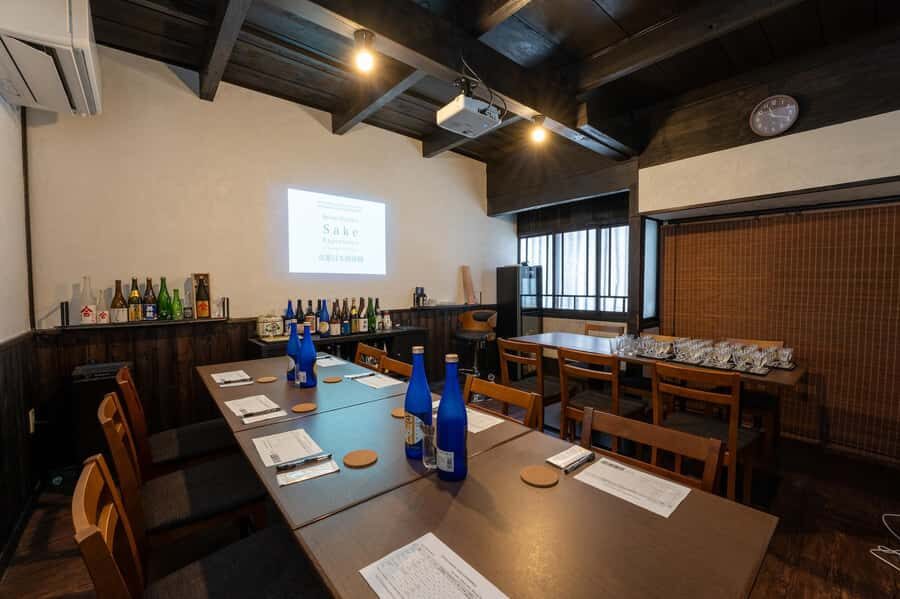
- Private room setting keeps the focus on the sake, not on noise or crowd flow
- No food pairing means you may want a light meal plan around the experience
Beyond the Insider Sake Tasting Experience in Kyoto

If you think sake is just sweet or dry, this tour will nudge you hard in the right direction. It is still fun. It is also an education you can measure with your tongue. In Kyoto, where sake culture sits close to everyday life, tasting like this feels practical and real, not like a staged performance.
The big promise here is depth. You are not only tasting 10 different sakes. You are learning why the tastes exist. The experience also covers the basics of sake production and the main sake categories, so you are not forced to already know everything before you arrive.
At $66 per person, the value comes from what is included: 10 pours selected by a sommelier, tasting notes, and time in a private room with expert guidance. You are paying for guided discovery of styles you may struggle to locate on your own, especially the ones built on unusual methods and local materials.
Other sake brewery and tasting tours in Kyoto


What makes this tasting different from a standard sampler
A basic sake tour can be a great start. But this one aims higher. The tastings are built around a different concept than the simpler introductions: you focus on sakes brewed with older approaches and distinct variables in the process.
You will taste styles described as unique and exceptional in the experience format. That includes:
- Sake brewed using ancient methods, described as different from modern methods
- A newer type that uses the characteristics of microorganisms in a notable way
- Sake brewed using local wood, creating a flavor linked to region and materials
Those three themes matter because they explain a real truth about sake. The same raw ingredients can lead to very different outcomes. The differences are not only about sweetness or dryness. They can come from fermentation choices, handling, and what the brewing environment does to the finished drink.
This is where the private room helps. When you are not hustling through a crowded tasting space, you can slow down. You can actually compare. That makes the learning stick.
The certified sommelier approach (and why it works)
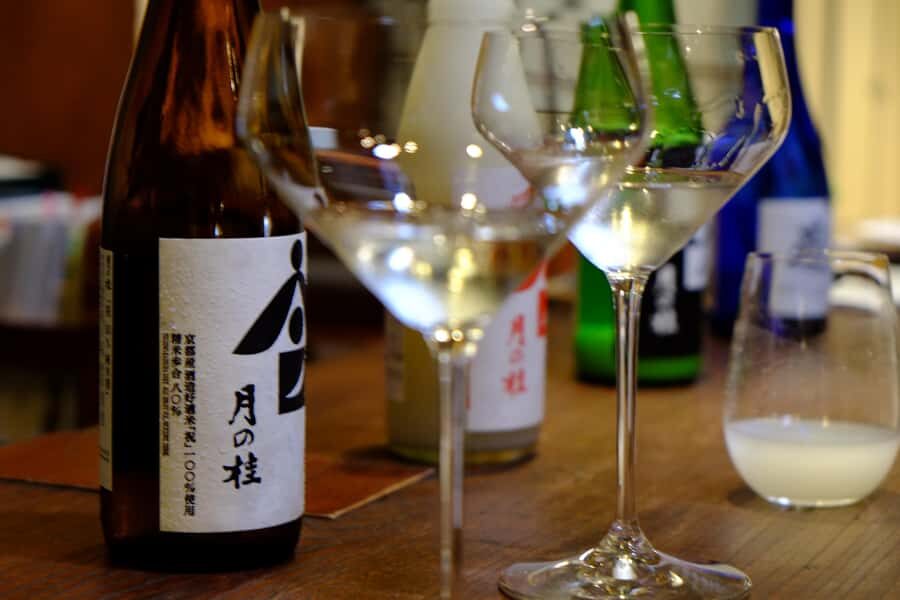
I like tastings where the guide can talk both language and flavor. This experience is led by certified sake sommeliers, and that shows in how the session is paced.
Before the first pour, you get the basics of sake production and categories. That matters even if you already think you know your way around sake. People often memorize labels, but they miss what drives flavor. Here, the guide connects brewing steps to what you smell and taste.
Then the sommelier keeps steering you back to the process. You will get tasting note material, which is a simple trick that turns tasting into recall. You can write down impressions while the flavors are fresh, and that is the difference between remembering you had fun and remembering what you liked and why.
One small benefit: because the guide is trained and certified, the explanations do not feel like guesswork or trivia dumps. They feel like a guided framework.
How the 10 tastings build your palate and your confidence

Even though there are 10 varieties, the session does not feel random. It is designed to expand your understanding step by step.
Here is how I’d think about the flow you will experience:
- You start with basics so your brain has a map.
- Then you move through a set of sakes selected for contrast, including ancient methods, microorganism-related character, and wood-influenced brewing.
- Throughout, you compare what changes from one pour to the next, not just what tastes good.
That sequence is smart because it prevents two common tasting problems. First, it avoids the confusion that happens when you only taste without context. Second, it avoids the boredom that happens when a tour becomes a lecture with occasional sips.
If you are a beginner, the education piece keeps you from feeling lost. If you are an experienced sake drinker, the advanced brewing themes give you something more specific than a standard flight.
And yes, it is still a tasting. You get to enjoy the drink. You just do it with a stronger sense of cause and effect.
The advanced styles you will actually be tasting
This is the heart of the experience. The description highlights three standout approaches, and they give you clear mental hooks for each tasting.






Ancient-method sake: why older brewing can feel surprisingly modern
You will taste sake made using ancient methods described as different from modern methods. The point is not nostalgia for its own sake. It is how older processes can produce distinct textures and flavor profiles.
When fermentation and handling change, the finished drink can shift in aroma, mouthfeel, and how clean or layered it tastes. That is what you are hunting for here: you get to experience that variation directly.
Microorganism-character styles: fermentation as the character actor
The experience also includes a type of sake that leverages the characteristics of microorganisms. This is one of those concepts that can sound abstract until you taste.
The practical takeaway for you: microorganisms are not just a science detail. They can influence what you pick up in aroma and flavor. The sommelier guidance helps you connect the idea to the glass, so you are not left guessing.
Local wood brewing: the ingredient you did not expect
Finally, you will taste sake brewed using local wood, which gives the drink a region-specific taste. This is the wild card theme. Wood can affect aroma and how flavors land on the palate, and it also turns the brewing process into something more place-based.
If you love wine and terroir logic, you will probably enjoy this angle. Even if you do not, it is still a compelling tasting because it adds a new dimension beyond sweetness and dryness.
The private tasting room setting (it changes how you experience the day)
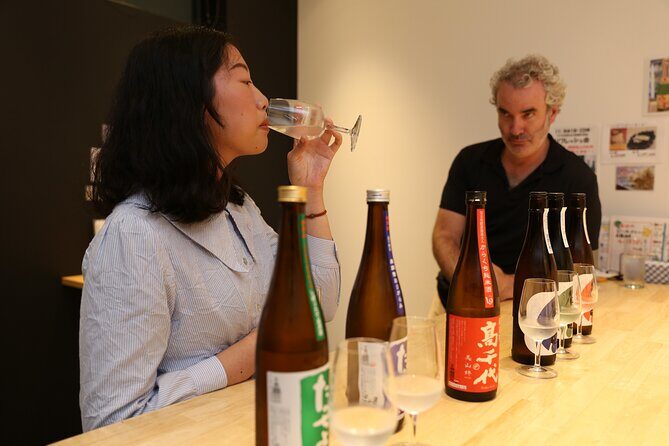
There is a big difference between tasting sake in a dedicated private room and doing it in a shared, high-traffic space. A private room gives you fewer distractions, which matters when you are learning.
It also changes your rhythm. You can pause, compare, and ask questions while you are still holding the memory of the last pour in your head.
Plus, the experience includes tasting notes, so you can treat it like a guided workshop. That turns the session into something you can revisit later when you are choosing sake back in your hotel room.
And for most people, the quiet focus is simply more enjoyable. You are there for sake, not for shoulder-to-shoulder logistics.
Price and value: what you are really paying for
At $66 per person, the cost is not just for drinks. It is for:
- A guided tasting of 10 sake types
- Sommelier-led explanation of production basics and categories
- Tasting notes to record what you learn
- Use of a dedicated private sake tasting room
Food pairing is not included, and transportation is not provided. That means you need to handle your own timing and meals. Still, the core experience is unusually complete for the price, mainly because the guide selection and the private room are part of what you are paying for.
Also, the inclusion of rare styles that are rarely found overseas is a real value lever. If you had to find these types on your own, you might not even know what to search for, or you might only find a safer, more common selection.
So think of the price as paying for access plus expertise. If you want to taste widely without guessing, it makes sense.
Practical considerations that can affect your day
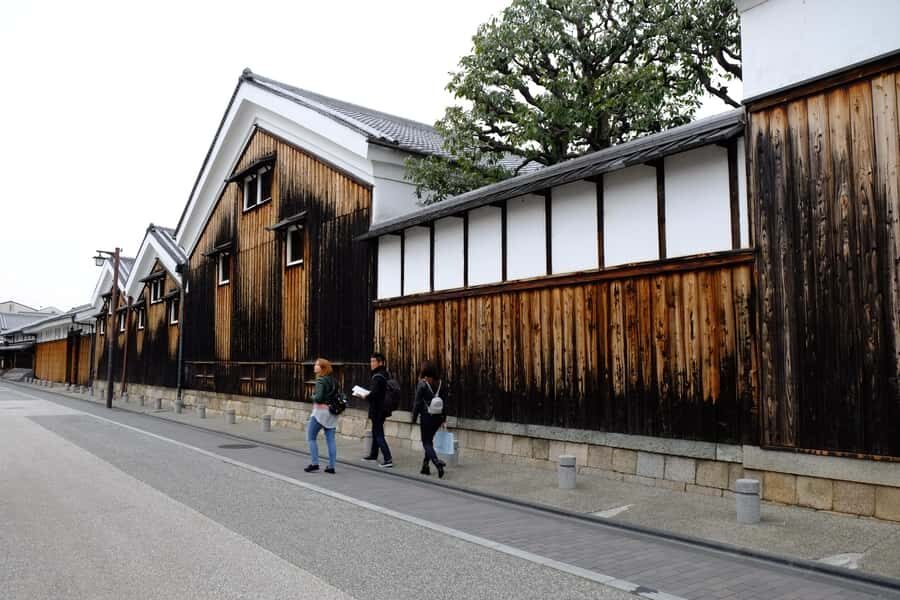
This experience has a few rules that are worth reading before you lock it into your Kyoto schedule.
- If you arrive by car or bicycle, alcohol will not be served for safety and legal reasons. Non-alcoholic drinks are available.
- Japan’s legal drinking age is 20, and guests under 20 will only be served non-alcoholic drinks.
- If you are more than 10 minutes late, the booking will be canceled.
- Guests without a reservation, including children and non-drinkers, will not be allowed to join.
- It is not suitable for children under 3 years and not suitable for pregnant women.
None of that is meant to be difficult. It is about legal compliance and keeping the experience fair and on-time. Still, these are the kinds of details that can trip people up if you plan too loosely.
Who this Kyoto sake experience is best for
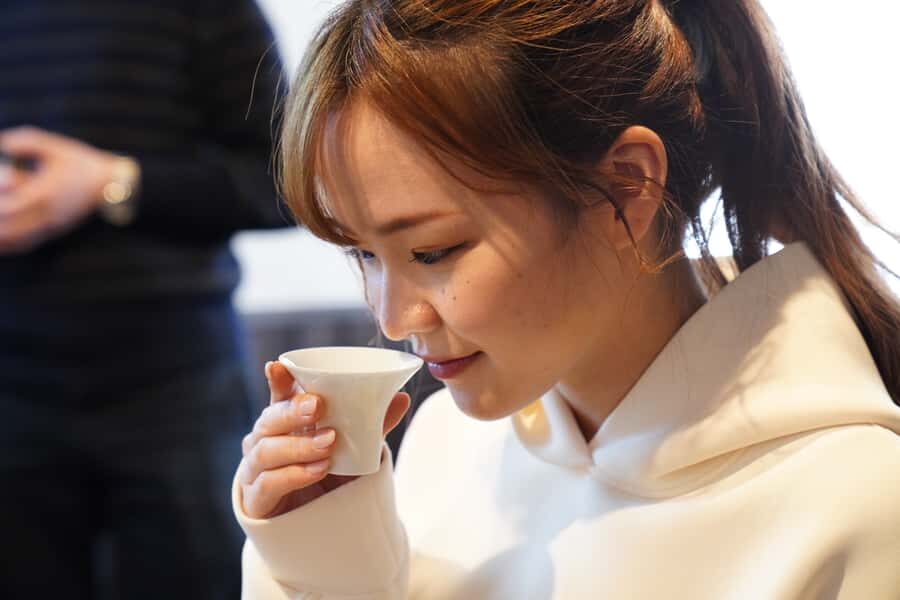
This is one of those tours that fits a wide range, but not every mood.
You’ll likely enjoy it most if:
- You are curious and want real education, not just a flight of drinks
- You want to taste advanced styles tied to specific brewing concepts
- You already like sake and want to understand why certain styles differ
You might not love it if:
- You want a food-heavy experience, because there is no food pairing
- You need lots of flexibility, because late arrival means cancellation
- You are hoping for transportation help, because you handle your own getting there
If you do plan your day around it, this tour becomes a strong anchor activity. It is an indoor, focused experience that pairs well with Kyoto sightseeing outside of it.
The quick way to get the most out of it
I recommend you go in with one simple mindset: compare on purpose. With 10 samples, your palate can get tired if you treat it like a blur.
Try this approach:
- Take a few notes right after each pour using the provided tasting note material.
- Pay attention to aroma first, then mouthfeel, then how the finish lands.
- Ask the sommelier to explain what changed, not just what the label says.
Also, if you are new to sake categories, do not worry about sounding basic. The session covers the basics for a reason. You are there to learn.
Should you book this Kyoto Beyond the Insider Sake Tasting Experience?
Book it if you want a guided tasting that actually teaches you something. The biggest selling points are the certified sake sommeliers, the private room, and the chance to taste sake shaped by ancient methods, microorganism-related character, and local wood brewing. At 10 samples, the session feels focused, not flimsy.
Skip it (or at least rethink timing and expectations) if you need transportation arranged, food pairing included, or a more casual walk-in style experience. The rules on late arrival and alcohol service are strict enough that you should plan your day with buffer time.
If you are willing to show up on schedule and you care about understanding flavor, this is an excellent way to experience Kyoto sake at a level that usually costs more time or more guesswork on your own.