Tea slows everything down.
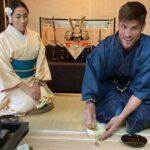
In a 300-year-old samurai house, you’ll get a private matcha tea ceremony in a quiet traditional room, then continue with hands-on making (or alcohol tasting, if you’re 20+). It’s the kind of Kyoto experience that feels less like a performance and more like a family ritual you’re allowed to borrow for an hour.
What I like most is the setting and the tone. You’re not squeezed into a crowd, so the ceremony’s pace makes sense. I also really liked the option to extend the experience with katana-and-kimono photo time plus explanations that turn the ritual into something you can actually understand.
One consideration: the visit is physically in an older home (including one old toilet), and it’s not recommended for people over 120kg. If that might be an issue for you, it’s worth thinking ahead.
In This Review
- Key highlights
- Kyoto Samurai House: a 300-year-old setting near Kyoto Station
- Tea ceremony basics you’ll actually remember: matcha, whisking, and etiquette
- Adult options: make matcha, or pick sake (5 shots) vs whisky (2 shots)
- Katana and kimono photo time: how to get great shots without turning it into cosplay
- Who this suits best, and who should plan carefully
- Value check: is $99 worth it?
- Should you book the Kyoto Samurai House tea ceremony?
- FAQ
- FAQ
- How long is the tea ceremony experience?
- Is this a private tour?
- What if I’m under 20 years old?
- What tasting options are available for adults over 20?
- Can I take photos during the visit?
- Where is the meeting point, and is it near Kyoto Station?
Key highlights
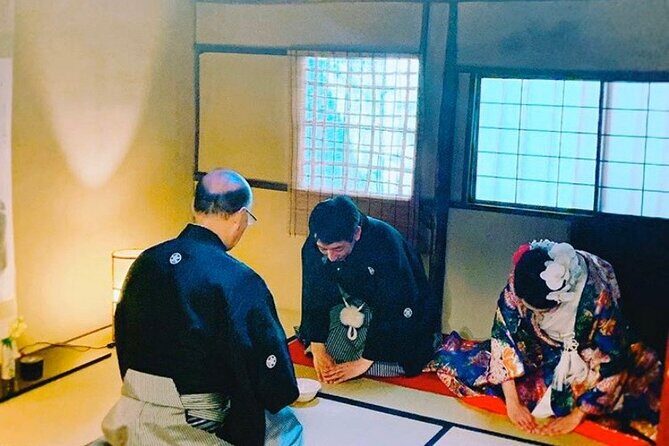
- Private tea ceremony in a 300-year-old samurai residence, with space just for your group
- Organic matcha from Kyoto Uji, plus a clear lesson on ceremonial whisking
- Adult option choices: make matcha, or do sake (5 shots), or Japanese whisky (2 shots)
- Kimono (silk) and katana photo session, with a limited option to wear kimono during the ceremony itself
- Photos allowed, so you can capture the moment respectfully without feeling rushed
- Convenient location: about an 8-minute walk from Kyoto Station
Kyoto Samurai House: a 300-year-old setting near Kyoto Station
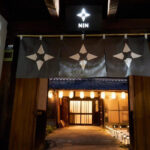
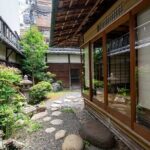
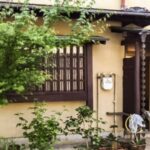
This experience takes place at Kyoto Samurai House (Kyoto 武家屋敷), at 384 Mongakuchō in Shimogyo Ward. The big practical win is the location: you’re roughly an 8-minute walk from Kyoto Station, which means you can fit this into a day without losing half your schedule to transit.
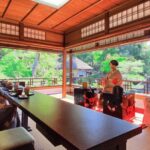
Inside, you’re in a home that’s been kept in the same family for centuries. That matters, because tea ceremonies can sometimes feel staged, like a show. Here, you’re walking into a real residence environment—floors, rooms, and the general rhythm of the house all help you shift gears. Several details in the experience are built around that slow tone: you get time to settle in, then the tea steps unfold at a pace that doesn’t punish you for being a tourist.
There’s one more logistical thing I think you should plan for: use the restroom before you go in. The tour notes there’s only one old toilet due to the age of the property. So if you tend to get up and down during experiences, do yourself a favor and handle it right before the ceremony starts.
Finally, you should know the basic format: it’s a private tour, meaning only your group participates. There are group discounts, and you’ll receive a mobile ticket, but the key point for your comfort is that it’s not a “stand and watch” situation.
A few more Kyoto tours and experiences worth a look
Tea ceremony basics you’ll actually remember: matcha, whisking, and etiquette
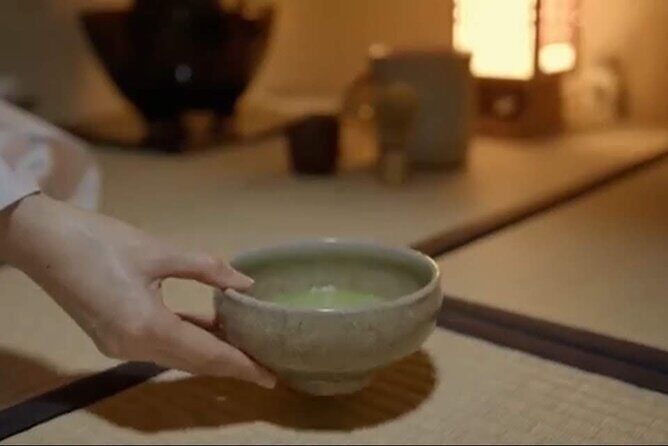
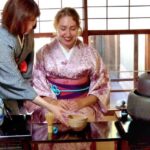
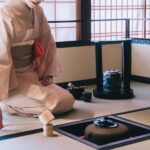
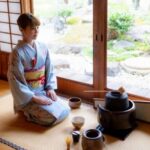
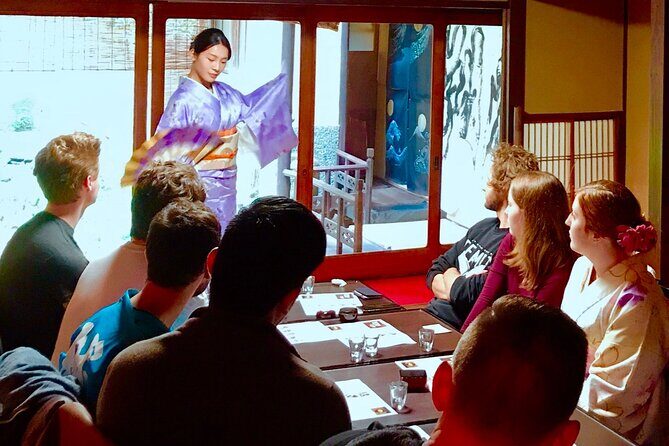
A tea ceremony sounds simple until you watch the steps carefully. This one focuses on how to enjoy powdered green tea, matcha, in a ceremonial way. You’ll start by learning what you’re about to do and why. Then you’ll participate in the ceremonial flow in a traditional tea room inside the samurai house.
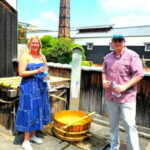
The matcha is high-grade organic, sourced locally from Kyoto Uji. That’s not just a marketing detail. Uji matcha is known for flavor balance, and because the tour is private, you get enough time to notice what’s happening as the tea is prepared and served. When you whisk, you’re not just stirring—you’re building texture and controlling how the matcha comes together.
I like that the experience is explained in a way that’s meant for people who are new. You’re not expected to already know the etiquette. The whole point is that you learn the rhythm: how the utensils are handled, how the whisking is done, and what matters in the serving moment.
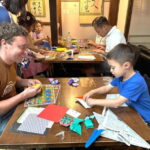
Then comes the hands-on part, which depends on your age and what option you choose (more on that next). If you’re doing the making, you’ll use the bamboo whisk (chasen). That action—repeated, gentle whisking—turns a theoretical lesson into muscle memory. Even if you don’t become a matcha expert, you’ll leave knowing what “good” looks and feels like when it’s done properly.
Adult options: make matcha, or pick sake (5 shots) vs whisky (2 shots)
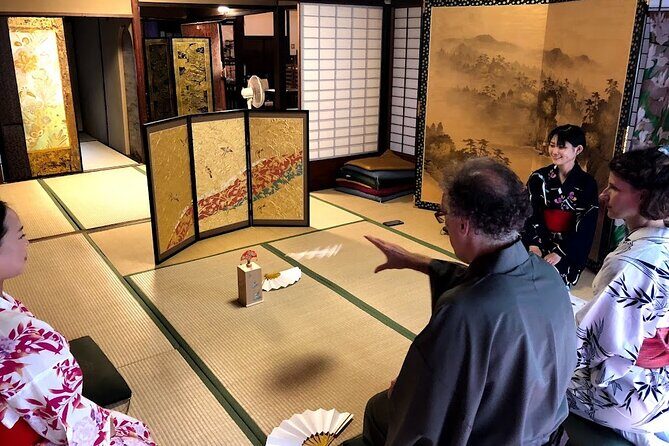
For guests over 20, the tour gives you a clear choice after the tea ceremony. You can do one of these options:
- Make your own matcha using a bamboo whisk, or
- Sake tasting (5 shots), or
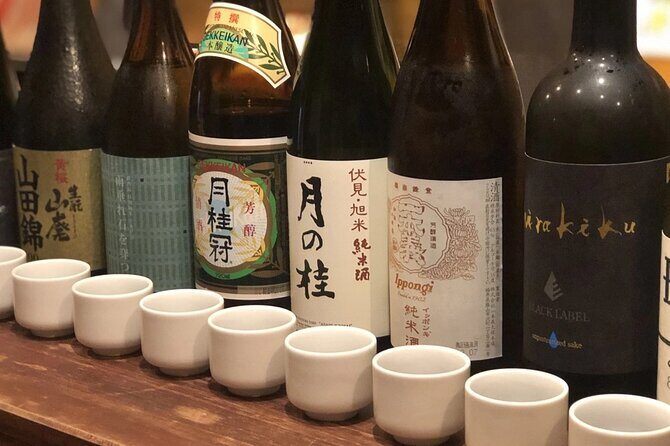
- Japanese whisky tasting (2 shots)
That decision changes the feel of the experience. If you want something hands-on and calm, choose the matcha-making option. If you’d rather turn the cultural lesson into a tasting evening, the alcohol choices are structured enough to be approachable without turning the tour into a bar stop.
If you choose alcohol, you should expect explanations as you taste. The tour experience describes a guided approach to different flavors, not just pouring and sending you on your way. Many people walk out thinking the sake and whisky component is genuinely enjoyable—not an afterthought.
One more detail that’s easy to miss: the tour explicitly says they only provide alcohol to guests over 20. For guests under 20, the alcohol part isn’t included; instead, you get a matcha whisking lesson after the tea ceremony. So the experience still has participation built in—you just swap the tasting for more time with the ritual itself.
Also, remember the overall time: about 50 minutes. If you’re adding anything extra (like kimono during the ceremony), plan for more time, because your tour moment matters. Don’t book it as a “quick thing” between trains unless you like running late.
Katana and kimono photo time: how to get great shots without turning it into cosplay
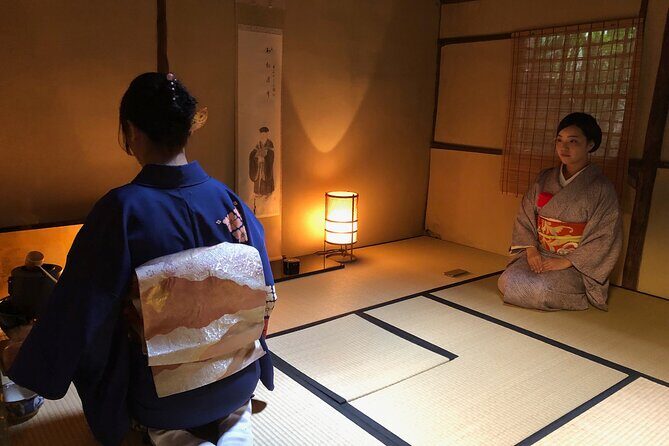
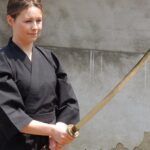
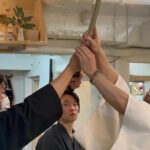
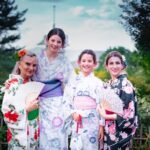
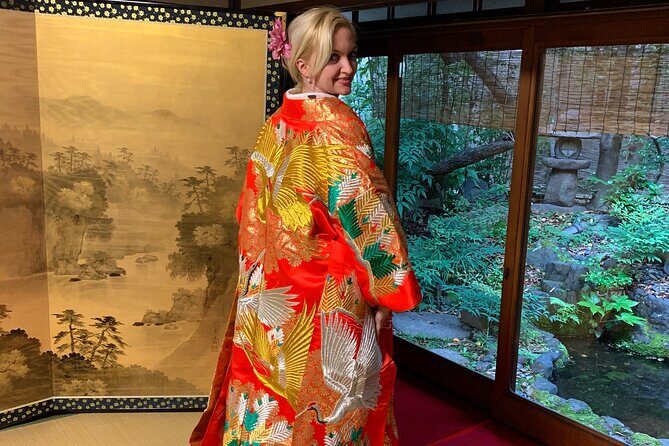
Yes, you can take photos during your visit. This is one of those tours where the photo element is integrated, not bolted on. After the tea ceremony, you’ll have a chance to dress up and pose with traditional outfits.
For photo time, the experience includes:
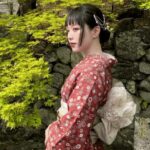
- Wedding kimono for ladies (silk)
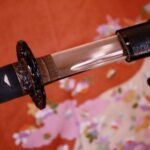
- A samurai katana experience for photos
- Additional samurai-style dressing (mentioned for men and included in the experience options)
What I’d recommend is treating the outfits as part of the respectful moment. Put your effort into a few good portraits rather than trying to “collect” twenty angles. The setting is photogenic, and you’ll get better results by slowing down.
There’s also an important upgrade choice: if you want to wear kimono during the tea ceremony itself, that takes extra 30 minutes and extra cost, and it’s limited to one group for that time slot. If you don’t pick that option, you’ll still have kimono and outfit dressing for photos, just not during the ceremony portion.
That limitation makes sense. The ceremony needs quiet, timing, and space. When you choose the during-ceremony kimono, you’re basically adding a longer session with more setup and care. If you’re short on time, the safer move is to keep kimono for the photo segment.
Finally, I appreciate that the tour positions the dress-up as a commemorative thing—you don’t feel pressured to wear it around Kyoto for the whole day. It’s meant as part of the experience window.
Who this suits best, and who should plan carefully
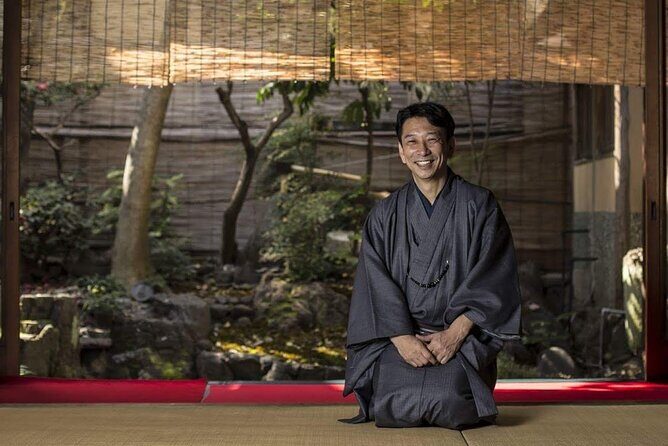
This is a great fit if you want Kyoto without the noise. A private tea ceremony in a historical home gives you a calm, focused hour where you can ask questions and follow the steps at your pace.
It’s especially good for:
- Couples wanting a special Kyoto moment
- Families who want a guided, hands-on cultural activity
- Anyone who cares about ritual details, not just photos
It’s less ideal if:
- You need frequent restroom access, because the home has only one old toilet
- You’re over 120kg, since the tour notes it’s not recommended
- You’re looking for something long and highly physical—this is an elegant, seated-style experience, not a walking tour
Also, don’t ignore the adult/under-20 split. If alcohol is on your wish list, make sure everyone in your group meets the 20+ requirement. If someone doesn’t, you can still have a full experience, but the tasting portion won’t happen for them.
Other sake brewery and tasting tours in Kyoto



Value check: is $99 worth it?
At $99, you might wonder if this is “too much for tea.” Here’s the honest value argument.
First, you’re paying for privacy. Many Kyoto tea experiences run as groups in busy schedules. A private ceremony means you’re not competing for attention, and you can actually participate without feeling rushed.
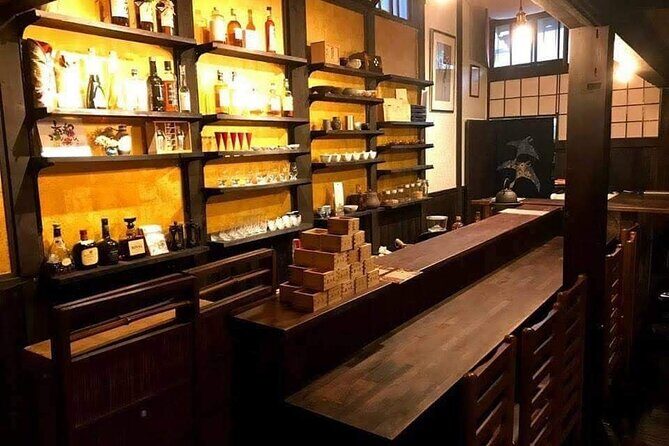
Second, the location isn’t a generic studio—it’s a samurai residence setting. That alone changes the feel. The house and room style don’t pretend to be something else; you’re in the real environment the experience is built around.
Third, you’re not just watching. You learn the ceremony, you work with the utensils (especially if you pick the matcha making option or, for under-20 participants, through a whisking lesson). Then there’s the optional add-on tasting for adults: sake (5 shots) or Japanese whisky (2 shots).
Finally, you get the commemorative photo dressing—kimono and katana posing—without needing to book separate rental studios or find a photo session time. That package effect can make the overall cost feel more reasonable.
The tradeoff is time. The baseline visit is around 50 minutes, so it’s not a half-day event. If you want an all-day Kyoto immersion plan, combine this with nearby sights. If you want a focused cultural highlight, this length is a strength.
Should you book the Kyoto Samurai House tea ceremony?
Book it if you want a quiet, private tea experience in a historic samurai home, plus a lesson you can carry home. The matcha focus (from Uji) and the hands-on participation are the core reasons to do it. Add the sake or whisky option if you’re 20+ and you enjoy tasting with explanations.
Skip or think carefully if you’re sensitive to older-home facilities or fall into the over 120kg caution, or if you truly need frequent restroom access. Also, if you’re very tight on time and want the ceremony+kimono upgrade, remember that it can add 30 minutes.
If you like respectful cultural experiences that still feel fun—especially with photo dressing—this is the kind of booking that tends to become a main memory from Kyoto, not just one stop on a checklist.
FAQ
FAQ
How long is the tea ceremony experience?
It’s listed at about 50 minutes. If you want to wear kimono during the tea ceremony, that option adds 30 minutes and extra cost.
Is this a private tour?
Yes. It’s a private experience, so only your group participates.
What if I’m under 20 years old?
Alcohol isn’t provided for guests under 20. Instead, you’ll get a matcha whisking lesson after the tea ceremony.
What tasting options are available for adults over 20?
For guests over 20, you choose one option after the ceremony: make matcha, or do sake tasting (5 shots), or Japanese whisky tasting (2 shots).
Can I take photos during the visit?
Yes. You’re welcome to take photos during your visit, including during the outfit and sword photo time.
Where is the meeting point, and is it near Kyoto Station?
You meet at Kyoto Samurai House (384 Mongakuchō, Shimogyo Ward, Kyoto). The experience notes it’s about an 8-minute walk from Kyoto Station.