Kyoto clicks with local eyes. This private walking tour is designed to be about people first: you walk with a passionate Lokafy local who builds the day around your interests, not a fixed script. I especially like how you can get that first-day orientation feeling without losing your freedom, and how guides can shift the route on the fly based on your vibe. One thing to factor in: it’s a walking tour, so comfortable shoes matter, and the exact sights depend on what you request.
Two details I like a lot. First, the guide choice and flexibility: you’re not stuck in a group shuffle, and you can lean into food, street culture, temples, or calmer corners. Second, the real-life guidance quality—people have been taken to quieter temple and shrine stops that help you escape the crush, plus practical tips on where to eat, wander, and shop. A possible drawback: if you want major attractions with entrance fees, you’ll pay those separately (and the local guide’s entrance cost may apply if you add an attraction).
This is also a good fit for first-timers and return visitors alike. Even if Kyoto already feels familiar, the value is in the personal stories and neighborhood-level tips. And yes, you’ll probably end up thinking, this is what Kyoto feels like when someone actually lives here.
In This Review
- Key things worth knowing before you book
- How a “local eyes” Kyoto walk actually changes your day
- Picking your starting point: Kawaramachi and central meetups
- The 3–6 hour flow: orientation, then your choices take over
- Early on: photo moment plus “how to read Kyoto”
- Midway: one or two core experiences
- Toward the end: the “you can repeat this later” part
- Temple and shrine stops: how to choose your kind of quiet
- Markets and food guidance: where the local advice becomes your itinerary
- Street culture and neighborhood stories: the Kyoto you can’t Google
- Custom requests that actually change the route
- Getting around: walking first, then smart shortcuts
- Languages, personality, and the “friend who loves Kyoto” effect
- Price and value: $82 for a private walk with real steering power
- Who this Kyoto tour is best for
- Should you book this Kyoto private walking tour
- FAQ
- FAQ
- How long is the Kyoto private walking tour?
- What does it cost?
- Is this a group tour?
- Where does pickup happen?
- What languages are the guides?
- Are entrance fees included?
- Are meals included?
- Do I need to walk the whole time?
- Is wheelchair access available?
- What’s the cancellation policy?
- Can children join, and is there a discount?
Key things worth knowing before you book
- Private, no-script walking time so the route responds to you, not a slideshow
- Off-the-main-trail temple and shrine options that help you dodge crowds when possible
- Neighborhood picks beyond the obvious like courtyard cafés, street art, and local hangouts
- Food guidance that matches your tastes with restaurant and market suggestions along the way
- Language support in Spanish, English, and German for smoother back-and-forth
- A flexible walking plan that can include public transport or taxi at your own expense
How a “local eyes” Kyoto walk actually changes your day
Kyoto is famous for what it has—temples, shrines, gardens, old streets. But the harder part is the human side: figuring out where to go when, how neighborhoods connect, and which streets feel right at your pace. That’s where this experience earns its keep. You’re not just collecting sights. You’re learning the logic of the city through a person who actually moves through it.
I like the way this tour frames the day: travel becomes conversations and choices. The tour is private, so you’re free to say things like, I want quieter lanes, or I’m temple’d out, or I want shopping ideas that aren’t tourist traps. And since the local tailors the route, you’re not forced into a one-size schedule.
In real life, that matters. Kyoto’s best moments are often small: a courtyard café locals go back to, a temple approach street that looks different than the main thoroughfare, a market stop that turns into a food plan you can repeat later. When you get that from someone who knows the area, your own future exploring gets easier.
Other walking tours we've reviewed in Kyoto


Picking your starting point: Kawaramachi and central meetups
The tour begins with pickup from one of two centrally located options, or from a landmark near your hotel lobby or outside your Airbnb—as long as it’s within the city center. That’s a practical detail. Kyoto can be spread out, and “central enough” pickup can save you time and stress.
Kawaramachi is a smart starting zone if you want easy access to multiple neighborhoods on foot. It also sets you up for a walking pace that doesn’t feel like a daily commute. If you’re trying to maximize a half-day window, starting centrally is the difference between enjoying the day and spending it in transit.
One note: because the exact route is customized, your guide may steer you toward nearby streets that match your interests. That means your pickup location can indirectly influence how early you reach your first highlight.
The 3–6 hour flow: orientation, then your choices take over

The experience runs for 3 to 6 hours, and that time window is important. In Kyoto, one big lesson is that the city rewards both slow walking and smart timing. With a local-only format, you can blend those: quick orientation at the start, then longer stops where you care.
Here’s the shape your day can take.
Early on: photo moment plus “how to read Kyoto”
You’ll start with a bit of walking and sightseeing that helps you get your bearings. Think of it as the part where someone points out what you should notice as you move—street patterns, how temple areas blend into residential lanes, and what to look for so you don’t feel lost later.
There’s typically a photo stop built in. It’s not about taking a trophy shot. It’s more about giving you a clean “anchor point” for the rest of the route so you can remember where things are and connect the dots as you explore.
Midway: one or two core experiences
After orientation, your guide steers the day toward the theme you want most. Based on what guests have asked for in the past, that often means either:
- Shrines/temple time with a route that can include quieter options (and in some cases, more vertical walking, depending on the spot)
- Market and everyday Kyoto stops where you can sample the kind of food local shoppers actually gravitate toward
- Neighborhood culture—things like street art and personal stories tied to the streets you walk
Other private tours in Kyoto





Toward the end: the “you can repeat this later” part
The closer you get to the end, the more your guide’s tips tend to become actionable. You might get where to eat again, what streets to wander next, or what to buy in shops that tourists often miss. Some guides have even helped plan follow-up details after the walk, such as museum exhibition ideas tied to specific interests like Japanese netsuke.
That follow-through is a quiet value-add. Kyoto is deep. Getting a few good next steps from a local saves you from random guessing later.
Temple and shrine stops: how to choose your kind of quiet
Kyoto’s temples and shrines are a major draw. The catch is crowds—and the fact that the “main trail” can get monotonous fast. This tour can help because it’s built around your preferences, and guides can steer you toward temple and shrine experiences that feel calmer.
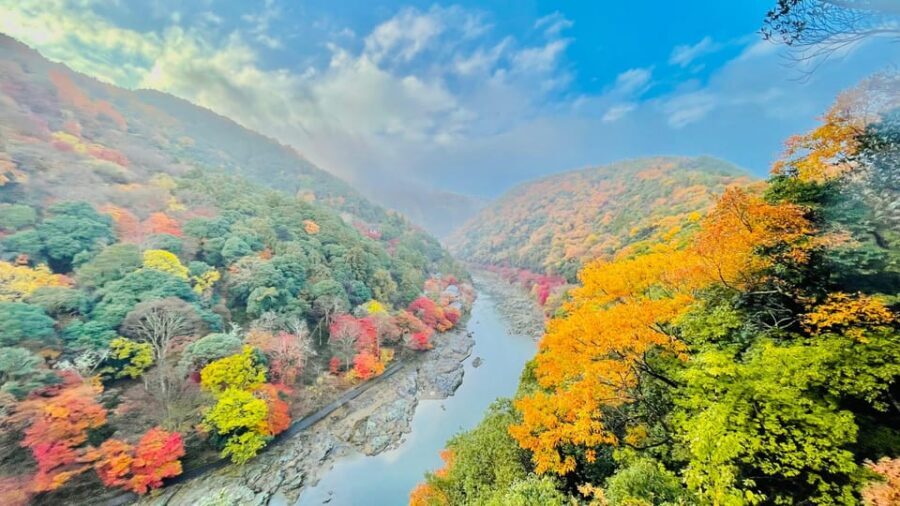
For example, Agustin has taken visitors to a temple that wasn’t on the main tourist route, helping people escape crowds during peak autumn color season. That’s the kind of decision that changes the entire feel of Kyoto: you get the atmosphere without fighting a constant flow of tour groups.
Another example: guides like Toan have led people on a hike toward the top of Fushimi Inari Shrine, paired with other important sights like Higashi Honganji and walking through Nishi Market. That’s a more active, legs-on-the-ground option—great if you want Kyoto to feel alive through motion, not just photo points.
So how should you pick your style?
- If you want spiritual quiet and space to notice details, ask for a route that avoids the biggest crowd patterns.
- If you want a mix of scenery and walking energy, ask for an approach that includes a shrine climb and a market stop afterward.
Either way, you’ll want to tell your guide what “good” means to you: fewer people, different angles, more time for photos, or a deeper cultural explanation in your preferred language.
Markets and food guidance: where the local advice becomes your itinerary
Kyoto food is not only about famous dishes. It’s about where people actually eat on a normal day and what neighborhoods offer.
This tour can include food-focused wandering in a few ways: suggesting where to eat, taking you to local favorites, or building the schedule around what sounds delicious to you. The walking format helps, because you can stop when you spot something that fits your craving.
Maha is one guide who’s been praised for taking visitors to a favorite restaurant by the river, with sashimi that apparently hit the mark. Others have highlighted how guides provide restaurant recommendations that become go-to spots during the rest of the trip.
If you’re someone who enjoys eating while walking, this is the big benefit. You’re not stuck with a single planned restaurant that might not match your mood. Instead, you get choices that evolve with the day.
A practical tip: tell your guide your food boundaries upfront—anything you don’t eat, spice tolerance, and whether you want sit-down meals or quicker bites. That keeps the route from turning into a food scavenger hunt.
Street culture and neighborhood stories: the Kyoto you can’t Google
Kyoto’s “obvious” sights are easy to find. The stuff that sticks—small stories, local humor, the reason a street feels the way it does—usually comes from conversations, not maps.
The tour is built to handle different vibes. Depending on what you ask for, you might end up on a route that includes street art and culture, or a hidden courtyard café locals adore, or personal stories attached to the neighborhood you’re walking through.
One reason this works well is that it’s private. You can ask follow-up questions like Why do people do it this way? or What should I notice in this area? without feeling like you’re holding up a group.
And yes, it can be funny in the best way. Guides like Maha have been described as having a wonderful sense of humor, which makes the walking feel lighter—especially if your group includes kids or teens.
Custom requests that actually change the route
This tour stands out because it’s tailored, not “pre-packaged with options.” That means your interests drive the day in concrete ways.
Here are a few “request types” that map well to what this experience can do:
- If you want less crowded Kyoto, ask your guide to prioritize off-main-trail sights.
- If you’re into specific culture topics (like Japanese crafts), tell them in advance. Agustin, for instance, later emailed follow-up info after a tour related to Japanese netsuke: museum exhibition and an antique shop idea.
- If you want active walking, mention it early. Requests for a shrine climb plus temple and market time are realistic in this time window.
- If you want language practice or kid-friendly pacing, say so. Maha has helped a 13-year-old practice speaking French during a tour, which shows how flexible some guides can be.
If there’s an attraction you want to add, you can request it, but you’ll need to cover entrance costs for the local guide as well. For you, entrance fees also are not included—so plan for that if you’re attraction-heavy.
Getting around: walking first, then smart shortcuts
This is primarily a walking experience. That’s the point. But Kyoto is hilly in places, and timing matters. The good news: you’ll have options.
During the walk, you can take public transportation or a taxi at your own expense if you need a shortcut or a recharge. The tour also notes that you can advise if you’d like a private car included.
This flexibility helps you protect the best part of the tour—your time with the local—by not sacrificing it to long detours.
My practical suggestion: if you’re on a tight schedule or have limited mobility, plan for a route that uses transport when needed. One guest tour specifically highlighted that a guide prepared an excellent route for a wheelchair user with limited mobility, which indicates that experienced guides can adapt.
Languages, personality, and the “friend who loves Kyoto” effect
This tour is offered with live guides in Spanish, English, and German. That matters because a local guide can explain not just facts but context: why a place matters, what people do there, and what to pay attention to while you walk.
It also matters because the best parts of Kyoto are often conversational. People have praised guides for being friendly, helpful, patient, and accommodating—like Nicolo’s helpful, accommodating style, or Agustin’s patience and practical support. Many people also mention that guides stayed flexible, adjusted to wishes, and helped with on-the-day logistics like how to move around and even where to meet for train transitions.
That’s why the “local friend” description isn’t just marketing. In practice, it shows up as you feeling more comfortable asking questions and making changes.
Price and value: $82 for a private walk with real steering power
At $82 per person for 3 to 6 hours, you’re paying for two things:
1) Privacy (no group pacing, no “wait your turn” energy)
2) Customization (your route changes based on what you actually want)
When private tours are overpriced, it’s usually because they’re rigid. Here, the value is in the guide’s ability to reshape the day. If you’re the kind of traveler who likes to get your bearings fast, or who enjoys conversations and local recommendations, that steering power is worth real money.
If you already know exactly what you want to see and you have a tight checklist, a guided walk might feel less valuable. But if you want to avoid the common Kyoto “tick the boxes” trap, private local time pays off quickly.
Also remember what’s not included: entrance fees, meals and drinks, and city transportation. So think of the base price as the guide and the customized walking plan—not the full cost of every stop.
Who this Kyoto tour is best for
This experience is a strong match if you:
- want a friendly, conversation-based Kyoto day rather than a scripted lecture
- prefer real recommendations for food, wandering, and shopping
- care about avoiding crowds when possible
- are visiting for the first time and want orientation, or for a second time and want something new
It also works well with families, since you can bring children (with age-based pricing noted) and some guides have been praised for being patient with young travelers.
Should you book this Kyoto private walking tour
I’d book it if your goal is to spend time with Kyoto through people—not just through photos. The private format and tailoring are the main reasons. You’re paying for flexibility, local context, and the chance to ask questions while you walk.
Skip it or rethink it if you want a rigid, pre-planned “see these exact top sites in order” itinerary with included entrances and meals. This is more about choices and street-level guidance, and you’ll cover entrances and optional costs separately.
If you’re planning your day with an open mind and you like the idea of getting a local to help you move through Kyoto like you belong there, this one is a solid buy.
FAQ
FAQ
How long is the Kyoto private walking tour?
It runs for 3 to 6 hours. The exact starting times can vary, so you’ll want to check availability for your preferred time.
What does it cost?
The price is $82 per person.
Is this a group tour?
No. It’s a private group walking tour, so you won’t be mixed into a large group.
Where does pickup happen?
You can begin the tour from your hotel lobby or just outside your Airbnb, as long as it’s a centrally located landmark or intersection within the city center. There are also two pickup location options in the city center.
What languages are the guides?
Guides are available in Spanish, English, and German.
Are entrance fees included?
No. Entrance fees aren’t included. If you add an attraction, you may need to cover entrance costs for the local guide as well.
Are meals included?
No. Meals and drinks aren’t included.
Do I need to walk the whole time?
Yes, it’s a walking tour, so comfortable shoes are recommended. You may also have options to take public transportation or a taxi at your own expense during the tour.
Is wheelchair access available?
Yes, the tour is listed as wheelchair accessible.
What’s the cancellation policy?
You can cancel up to 24 hours in advance for a full refund.
Can children join, and is there a discount?
Yes. Children under 3 can join free of charge, and children between 3 and 12 get a 50% discount.