Kyoto slows down when you roll through it. This e-bike tour blends Zen gardens with real neighborhood riding, guided by friendly experts who connect what you see to Shinto and Zen ideas. Guides like Salomé and Philippe show up in the feedback with the same theme: clear, human explanations that make temple time feel less like history class and more like understanding daily life in Kyoto.
What I love most is that you cover real ground without grinding your legs. The e-bike gives a practical boost on gentle hills, and many people describe the ride as relaxed and easy to manage, with time to look around and even duck into back streets. One thing to plan for: you need to be a confident cyclist, since the guide can end the tour if anyone’s not safe.
In This Review
- Quick hits: Kyoto by e-bike, with real culture stops
- Why this Kyoto e-bike route works so well
- Starting point and what the first minutes feel like
- East Side option: Ginkaku-ji zen gardens and a slower tempo
- Philosopher’s Path: where the ride turns into wandering
- Nanzenji Temple and Heian Shrine: variety without the scramble
- Wild West course: Arashiyama bamboo, Golden Pavilion, and Ryoanji rock garden
- UNESCO sites and why they’re worth building into your route
- How guides make Shinto and Zen click
- E-bike comfort, helmets, and the confidence factor
- Timing and distance: choosing the right length for your day
- Price and value: why $69 feels fair here
- Who should book this Kyoto e-bike tour
- Practical notes you can plan around
- Should you book this tour?
- FAQ
- What is the duration of the Best of Kyoto e-bike tour?
- Where does the tour start?
- What’s included in the price?
- Is hotel pickup or drop-off included?
- Are the guides available in English and other languages?
- What happens if it rains?
- Do I need to be a confident cyclist?
Quick hits: Kyoto by e-bike, with real culture stops
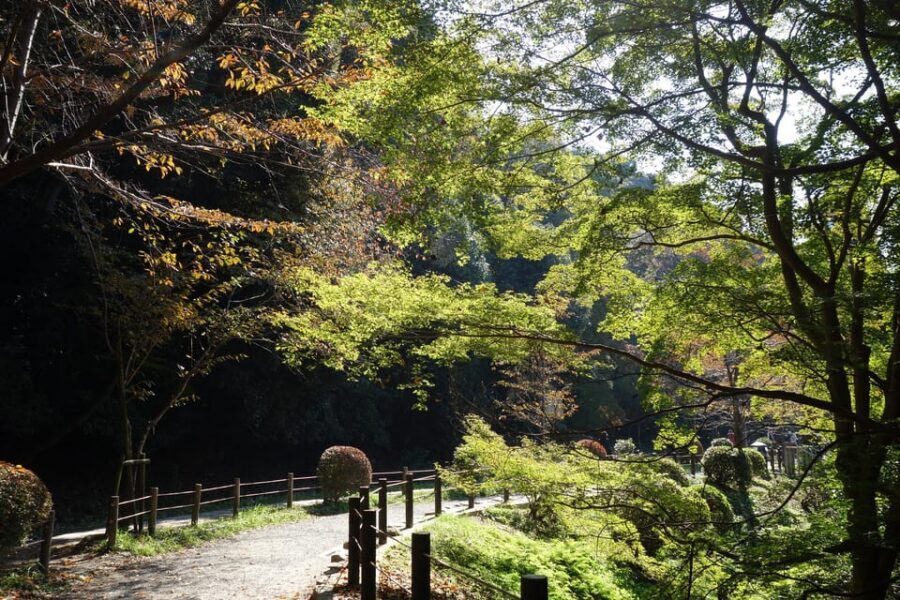
- Ginkakuji zen gardens plus an easy, scenic introduction to the Kyoto temple mood
- Philosopher’s Path ride-time that’s built for lingering, not rushing
- Nanzenji Temple and Heian Shrine add variety beyond the headline sights
- Shinto and Zen explained on the move, not just read off a plaque
- Two route styles: a shorter East Side loop or a longer western stretch toward bamboo and iconic gardens
- Small-group or private options for a calmer pace and more Q&A
Why this Kyoto e-bike route works so well
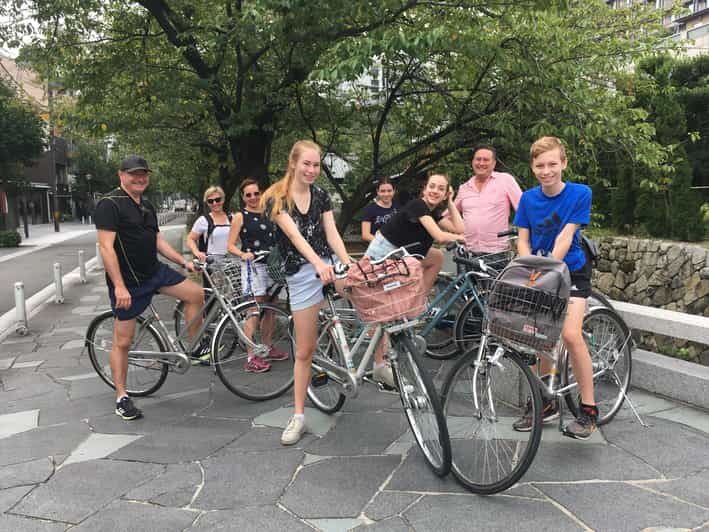
I like walking in Kyoto. I also like not arriving at every stop sweaty. This tour is built for that sweet spot. You’re on an e-bike, which means you can keep a steady pace and still have energy to really look at gardens, shrines, and the street scenes between them.
The best part is how the ride supports the experience. You’re not just transporting yourself from temple to temple. You’re cycling through the city’s streets and alleyways with a local guide in control of the route, so you get to feel Kyoto’s rhythms while still checking off major highlights.
And the guide layer matters. You’ll learn about Shinto and Zen in a way that connects to what’s in front of you. Instead of memorizing terms, you get context that helps you notice what you’re seeing: why gardens are meant for contemplation, and how places of worship shape daily space and behavior.
Other cycling tours in Kyoto


Starting point and what the first minutes feel like
You’ll meet at a Kyoto Bike Rentals location, and the exact meeting point can vary depending on what option you book. One listed spot is Kyoto Bike Rentals at 222 Koyamachō.
From there, the tour focuses on getting you comfortable fast. Helmets are provided, and since the riding style is meant to be approachable, it’s the kind of start that doesn’t feel like a race. The guide’s early explanations set expectations for how the group will move and where you’ll pause for photos and quiet viewing.
If you’re the type who likes clarity before you start, you’ll probably appreciate this. Multiple guide names show up in feedback—Phillip, Philippe, Kevin, Tim, and Niall—so you can expect a friendly, organized lead even if the group size changes.
East Side option: Ginkaku-ji zen gardens and a slower tempo
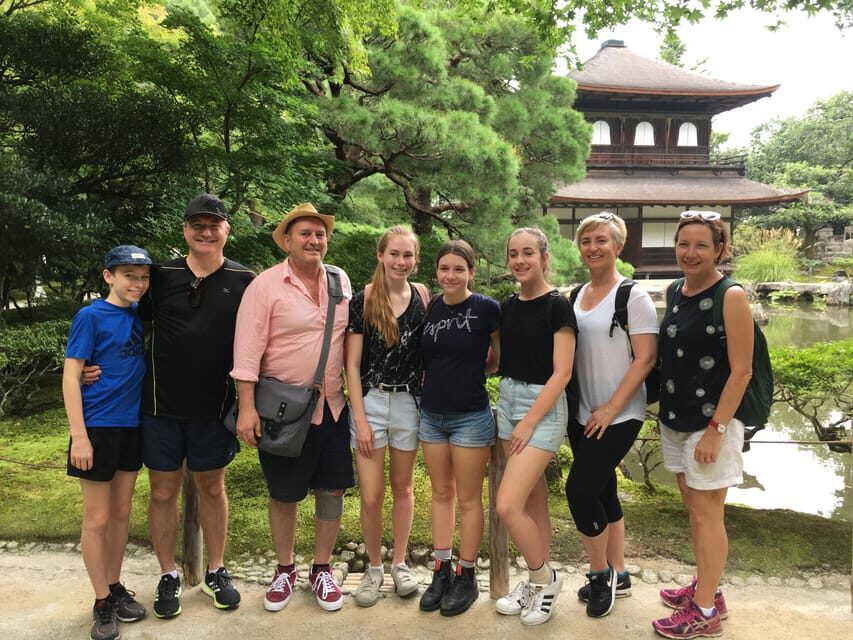
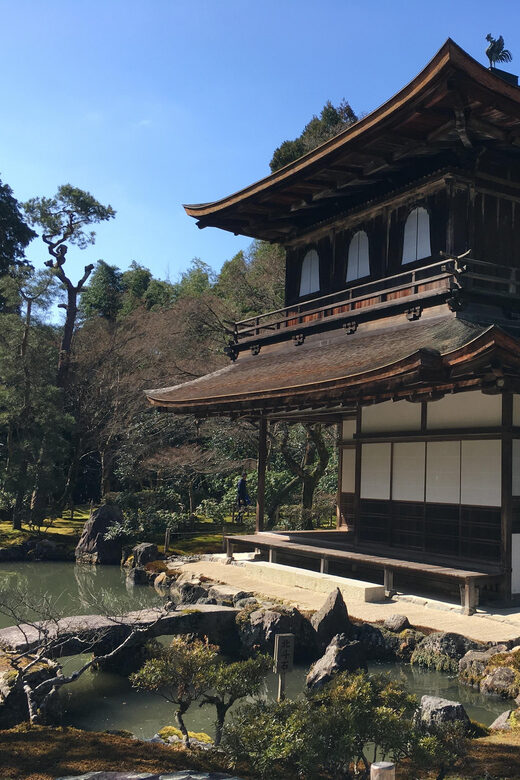
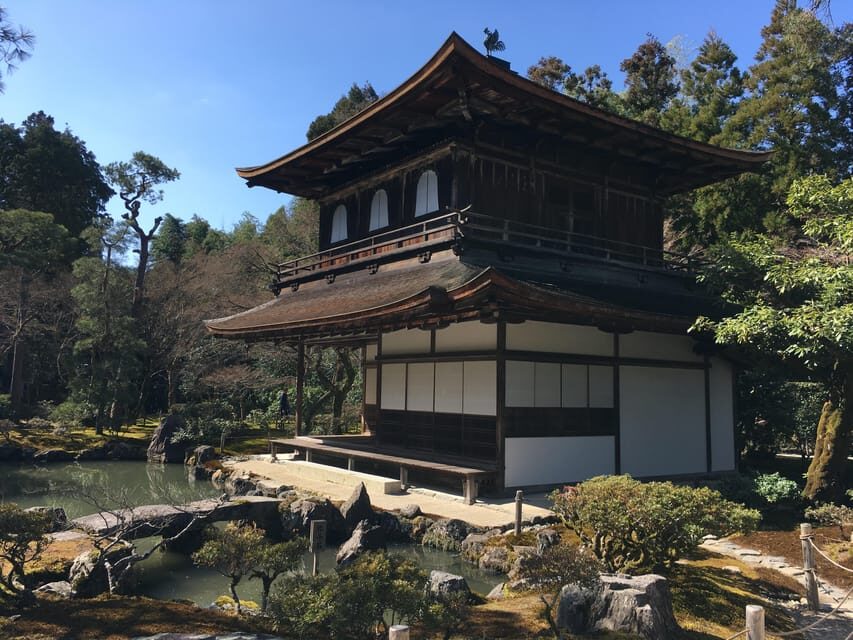
If you choose the East Side course, the core of the day centers on Ginkaku-ji. That matters because zen gardens set the tone for the whole experience. You’re not just passing by a temple gate—you’re given time for guided stops where you can take in the smells, the atmosphere, and the stillness that makes Kyoto’s temple spaces different from major city attractions.
A key practical win here is timing. The East Side format is described as about 4 hours, which can feel like the right amount of time for first-timers. You’re likely to leave with a strong sense of Kyoto’s temple world without the “we’re seeing everything” fatigue.
One review detail that I find useful: people mention the route feeling relaxed and that the guide didn’t overload the day with constant talking. That’s a real quality-of-life factor. You want the guide to explain when it counts, then let you actually experience what you came for.
Philosopher’s Path: where the ride turns into wandering
After Ginkaku-ji, you head toward the Philosopher’s Path, a stretch that invites slow movement. The tour includes bike time here (about 30 minutes described), which is smart. You get the ability to move efficiently along a corridor that many people walk slowly, but you still get guided pauses and time to look.
This is where you’ll feel why e-bikes work for this specific area. You can keep a gentle rhythm and not feel like you’re fighting the pace. That helps if you want photos, questions, or just a moment to watch how people move through Kyoto’s calm temple edges.
A detail I like from the feedback: some riders wished they had a little more time in this area. That’s a sign the Philosopher’s Path stops are meaningful, not filler. If this is a must-see for you, you might consider pacing yourself and staying present during the guide pauses, because the “best view” moments can be quick.
Nanzenji Temple and Heian Shrine: variety without the scramble
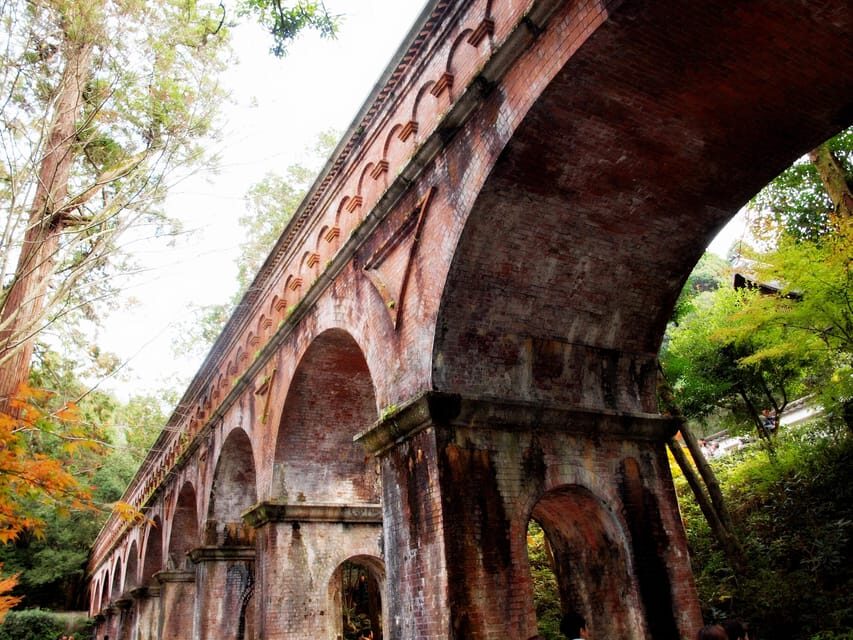
The tour includes stops at Nanzenji Temple and Heian Shrine, with guided time at Heian Shrine (about 45 minutes) and a temple visit segment (about 30 minutes) at Nanzenji. These aren’t just extra dots on a map. They help break up the emotional rhythm of the day.
Here’s the practical way I think about it. If your day only focuses on one big temple aesthetic, you can start to feel repetitive. Adding different sacred spaces keeps your senses awake. One place gives you garden stillness; another adds a sense of ceremony and shrine energy.
This also makes the tour feel balanced for different travel styles. If you love gardens, you’re covered. If you’re more into architecture, atmosphere, or learning what people believe and practice, you get guided time that’s specifically framed as religious context.
A few more Kyoto tours and experiences worth a look


Wild West course: Arashiyama bamboo, Golden Pavilion, and Ryoanji rock garden
Some departures run longer—about 6 hours—and lean toward the western side of Kyoto’s biggest “wow” stops. That’s where Arashiyama Bamboo forest, the Golden Pavilion, and Ryoanji Rock Garden come in.
This route choice is for you if you want the iconic Kyoto images in the same day as a smooth cycling experience. It’s also a strong pick if you’re already comfortable with the idea that some temple viewing is quick and some is slow, and you’d rather have both than only one.
From the feedback, guides like Kevin and Philippe often get credit for pacing and flexibility on these longer days. One person praised a guide for taking the route at a comfortable speed and even helping with a short hike. That’s not guaranteed, but it hints at the style: the guide is paying attention to your comfort and interests.
If you’re choosing the Wild West, expect the day to feel fuller. One review mentions bamboo forest plus surrounding areas and even monkey park time. That suggests some routes may include extra nearby moments when time allows and conditions are right.
UNESCO sites and why they’re worth building into your route
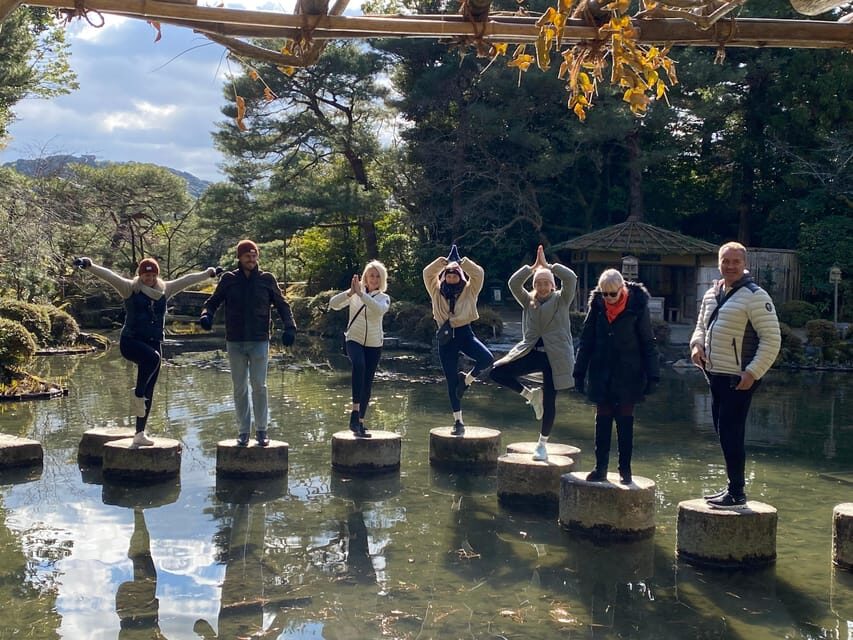
The tour mentions UNESCO World Heritage sites as part of what you’ll see. In Kyoto terms, that’s useful because it anchors your day around places with global significance, not just local favorites.
The value for you is simple: you don’t have to spend mental energy figuring out what counts. The guide handles the sequencing so you can focus on the experience—quiet pauses, garden time, and cultural context.
This matters even more because you’re mixing UNESCO-level stops with smaller atmosphere moments like shrines and garden visits. That balance can be hard to create on your own unless you already know the geography well.
How guides make Shinto and Zen click
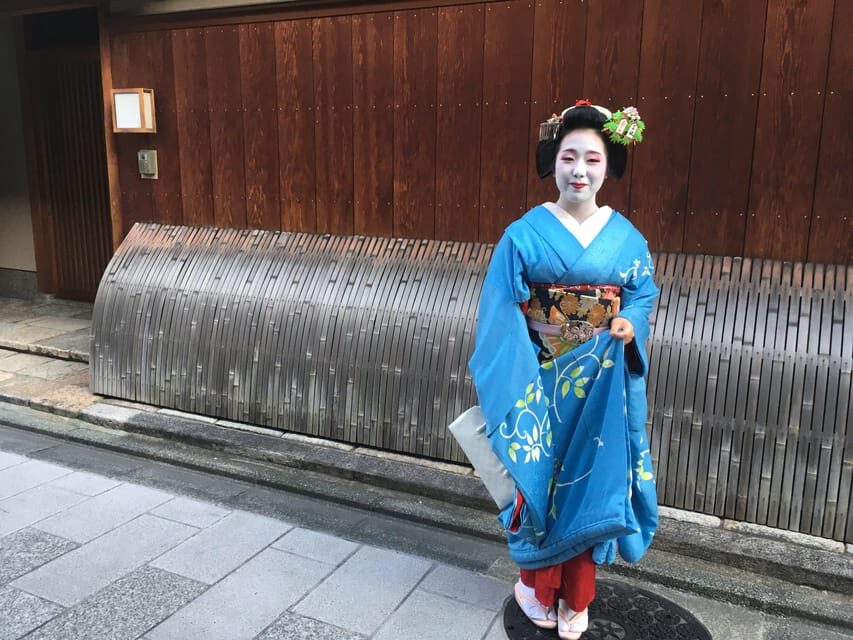
This is one of the tour’s strongest selling points: you’re taught about Shinto and Zen by a guide who stays friendly and practical. Multiple guides show up in feedback—Phillip, Philippe, Kevin, Tim, Salomé, and Niall—yet the common thread is how they explain ideas without turning the day into a lecture.
One review detail that I think you’ll feel on the bike: the guide doesn’t bombard you with information from start to finish. Instead, the guide shares the parts that matter for what you’re seeing right then. That approach keeps you engaged and prevents the “temple facts overload” problem.
Another practical plus: guides seem to tailor a bit. One person even described a picnic that was improvised for lunch with dietary restrictions in mind. That’s not part of the standard listing, but it shows a guide who thinks about your needs beyond the exact script.
If you want a Kyoto day that’s more than photo stops, this is where the tour earns its place.
E-bike comfort, helmets, and the confidence factor
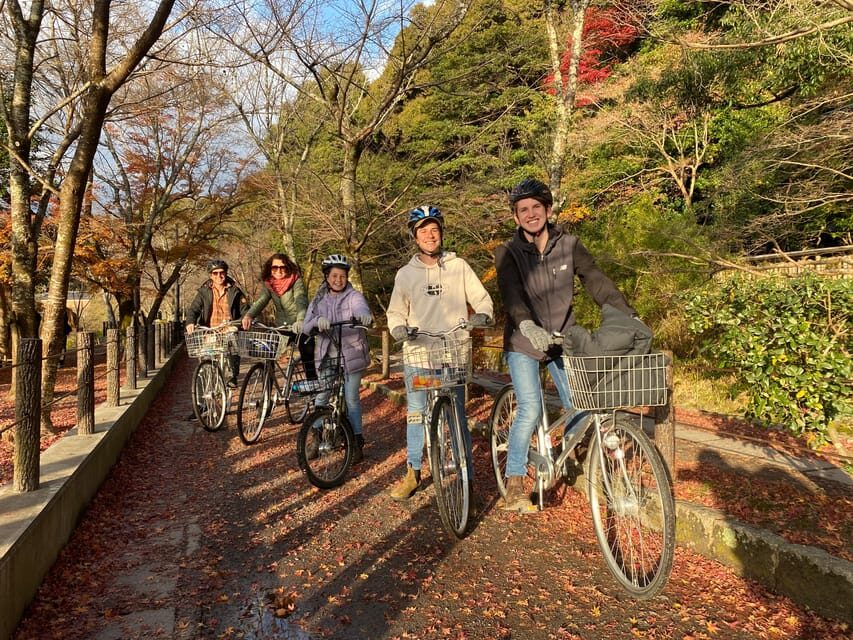
You get an e-bike rental and a helmet, which removes two common travel headaches: hunting gear and worrying about safety basics. The ride is described as helping with gentle hills around Kyoto, so you can stay comfortable even if you’re not used to long cycling days.
But the most important reality check is in the safety note: the provider can end the tour if they’re concerned about anyone’s safety. So be honest with yourself when you book. If you’re not a confident cyclist, this might turn into stress instead of sightseeing.
If you are comfortable, the ride time should feel doable. One review mentions about 9 miles of easy biking. Another says the route was almost all flat ground. Even if your exact mileage varies by route, those comments line up with what the tour seems built for: enough movement to cover highlights, not so much that you’re exhausted before you even reach the gardens.
Timing and distance: choosing the right length for your day
The listing gives a 210-minute duration, but it also describes different course lengths: around 4 hours for the East Side route and around 6 hours for the Wild West route. So treat the experience as flexible within a day.
Here’s how I’d choose:
- Pick the shorter East Side style if you’re new to Kyoto or you want a calmer “temple + path + garden” emphasis.
- Pick the longer Wild West option if you want the big-name icons—bamboo, the Golden Pavilion, and the rock garden—plus more biking time.
A 6-hour tour can be a great use of time in Kyoto, but it’s still a long chunk. If you don’t want your day to feel stretched, aim closer to the 4-hour option.
Price and value: why $69 feels fair here
At $69 per person, this tour can be good value because the price bundles several things that usually add up:
- E-bike rental
- Tour guide
- Entry fees to gardens
- Helmets
What’s not included is also clear: hotel pickup and drop-off, plus lunch. So you’ll still need to plan where you’ll eat and how you’ll get to the meeting point.
To me, the best value angle is the guide + entry-fee combo. Entry fees can be the annoying surprise part of temple days. Here, you pay one total and you get help timing pauses and understanding what you’re looking at.
The tour also offers private or small groups, which can make the experience feel less like a conveyor belt. If you’ve got a group of friends or you prefer quieter attention, that option can be especially worth considering.
Who should book this Kyoto e-bike tour
This is a strong fit if you:
- Want Kyoto highlights without spending half your day stuck in slow transfers
- Like gardens and religious context, and you enjoy explanations that connect to what you’re seeing
- Prefer cycling for efficiency, especially if you want to cover more than you could comfortably walk
- Want a relaxed pace with a guide like Phillip, Philippe, Kevin, Tim, or Salomé leading the way
It might not be your best match if you:
- Are not confident on a bike (since safety can end the tour)
- Want a fully independent DIY day with zero structure
- Expect the tour to include lunch or hotel pickup (it doesn’t)
Practical notes you can plan around
Light rain is handled with choices: you can try to reschedule, switch to a walking tour, or go ahead wearing a poncho. If rain is heavy, the provider may cancel and issue a full refund.
So if you’re booking for a specific day, it helps to keep your schedule flexible. Kyoto weather can change fast, and having options is a real quality-of-life advantage.
Also, meeting point can vary by option, so don’t assume your exact start location until you confirm.
Should you book this tour?
I’d book it if you want a guided Kyoto day that mixes Zen gardens, a signature walk corridor like the Philosopher’s Path, and real city riding. The strongest reasons are the e-bike practicality, the included garden entry fees, and the guide-led Shinto/Zen explanations that help the day feel meaningful.
I’d skip it or choose a different approach if you’re worried about bike safety or you know you’ll be anxious about cycling. In that case, the structure that makes the tour efficient can also make it stressful.
FAQ
What is the duration of the Best of Kyoto e-bike tour?
The listed duration is 210 minutes. The tour also describes course options that run about 4 hours for the East Side route and about 6 hours for the longer Wild West route.
Where does the tour start?
The meeting point may vary depending on the option booked. One listed starting location is Kyoto Bike Rentals at 222 Koyamachō.
What’s included in the price?
Included are an e-bike rental, a tour guide, entry fees to gardens, and helmets.
Is hotel pickup or drop-off included?
No. Hotel pickup and drop-off are not included.
Are the guides available in English and other languages?
Yes. The tour is listed with live guides in English and French.
What happens if it rains?
For light rain, you can reschedule, switch to a walking tour, or continue with a poncho. If rain is heavy, the provider may cancel the tour with a full refund.
Do I need to be a confident cyclist?
Yes. The provider can end the tour if they’re concerned about anyone’s safety, so you should only book if you’re a confident cyclist.