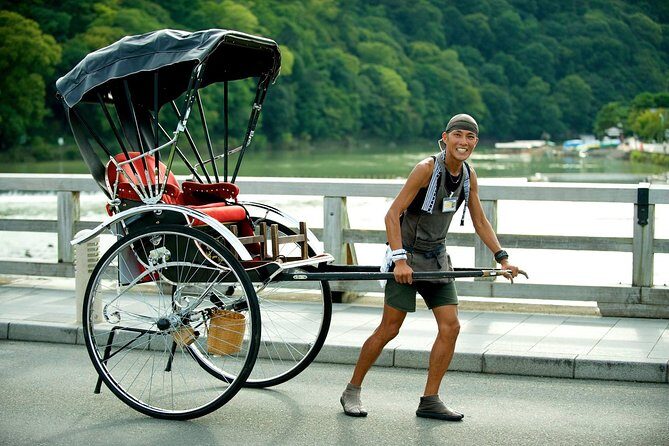
Kyoto looks different from a bike. This 3 to 3.5 hour e-bike tour lets you cover real ground without feeling like you’re sprinting between stops, and it’s led by Aska—an English-speaking guide with a lived-in perspective from North Carolina and London.
I especially love the calm route philosophy: you skip Kyoto’s most crowded lanes so you can actually talk, ask questions, and enjoy the ride. And the e-bike makes the whole thing feel doable—smooth for river paths, helpful on small hills, and relaxing when the day is hot. One thing to consider: you do need to be comfortable riding a bike in a city with pedestrians and some traffic.
The route is built around places that are historical but not the hardest-to-reach “famous only” circuit. You’ll start near the Gojo area, bike toward Ginkaku-ji, then continue along the Philosopher’s Path to Nanzen-ji, and finish at Heian Jingu Shrine—ending back at the rental shop. The biggest drawback is simple: if you’re not a confident cyclist, you might find the mix of river areas and busier crossings stressful, even with e-bike help.
In This Review
- Key takeaways before you book
- Why Kyoto by e-bike feels easier (and more human)
- Meet-up in the Gojo area: fast access from Kyoto Station
- Ginkaku-ji and the Kamogawa River stepping stones
- Philosopher’s Path: quiet cycling and a slower kind of sightseeing
- Nanzen-ji and the big-picture views
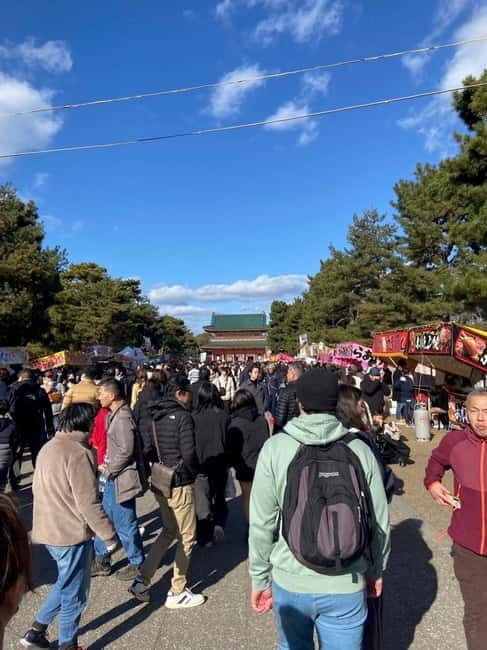
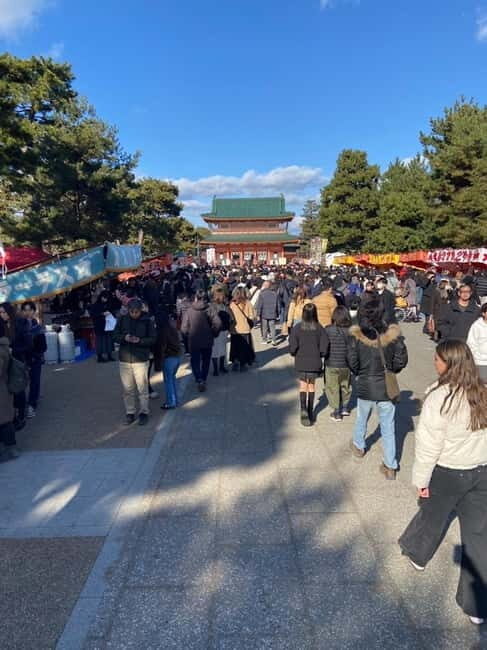
- Heian Jingu Shrine finish: a calm end to the loop
- Your guide matters: Aska’s approach and the international perspective
- Price and value: what you’re really paying for at $75
- What the bike ride feels like in real Kyoto traffic
- Who this tour is best for (and who should skip)
- What to pack for a smooth ride (and avoid silly problems)
- The best way to get the most out of the tour
- Should you book the Kyoto hidden-gems e-bike tour?
- FAQ
- How long is the Kyoto e-bike tour?
- Where do I meet the guide?
- Is the tour guided in English?
- What’s included in the ticket price?
- Do I need to bring water or food?
- What happens if it rains?
Key takeaways before you book
- Small group (max 8) keeps the ride social but not chaotic
- English-language guidance with real conversation, not just a slideshow
- Low-crowd route focus so you can actually enjoy the sites and the streets
- Ginkaku-ji + Philosopher’s Path + Nanzen-ji + Heian Jingu in one smooth loop
- E-bike support makes the cycling feel easier, even on slight inclines
Why Kyoto by e-bike feels easier (and more human)
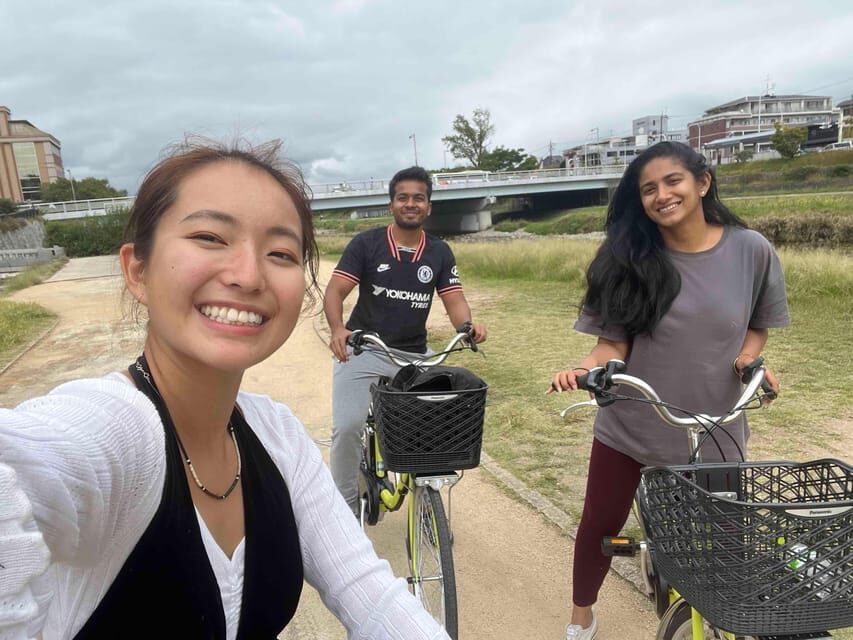
Kyoto can wear you down if you’re doing it the hard way—walk, wait, walk, wait. This tour trades that for steady motion. You still visit temples and shrines, but the in-between parts matter too: the river stretches, the neighborhood streets, and the chance to pause when something catches your eye.
I like the pacing because it doesn’t feel like a checklist. You bike, you stop, you look, and then you get moving again. That rhythm helps you see Kyoto as a living city instead of a series of entrances and exits.
The e-bike support is a real factor in the value. At this price point, you’re not just paying for a guide—you’re paying for the ride itself, including a helmet and a bike rental you can’t easily replicate on your own without planning and support. The result is that even if you’re moderately fit, you still get a “day out” without wrecking your legs.
Other cycling tours in Kyoto


Meet-up in the Gojo area: fast access from Kyoto Station
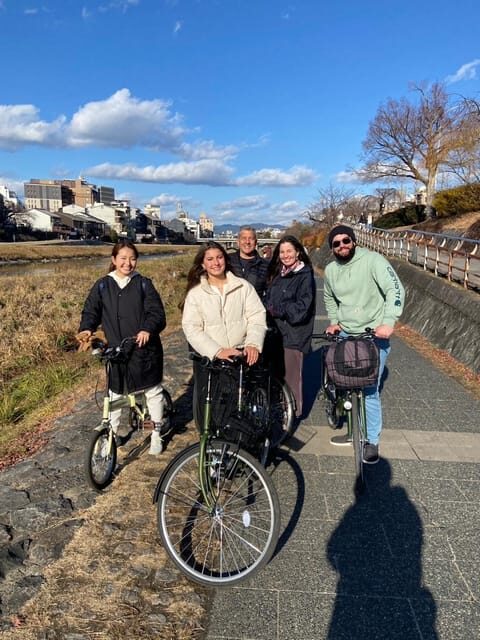
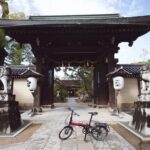
Your day begins at a rental cycling shop in the Gojo area. The meeting point is about 6 minutes from Kyoto Station by train and 20 minutes on foot, so you’re not trapped in a complicated transfer plan.
You’ll get set up with the electric bike and a helmet. One practical note from how the ride is described and how guides manage small groups: the better you are at handling your bike at a relaxed pace, the more fun you’ll have when you’re rolling over crossings and around pedestrians.
If you’re short on time in Kyoto, this is also a smart choice. It’s long enough to feel like a real outing (210 minutes), but not so long that you’re stuck late into the evening without a fallback plan.
Ginkaku-ji and the Kamogawa River stepping stones
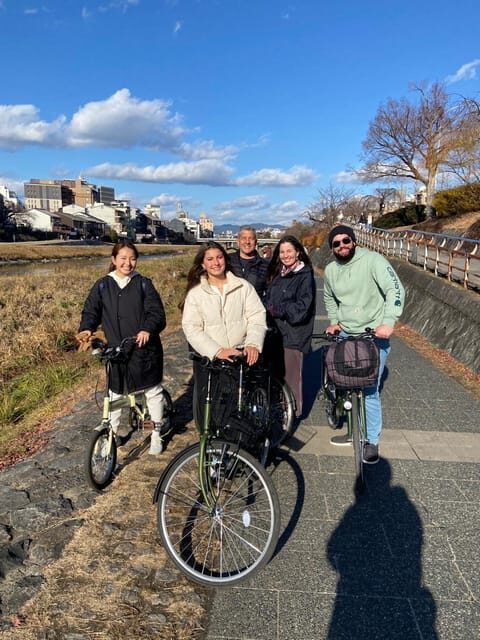
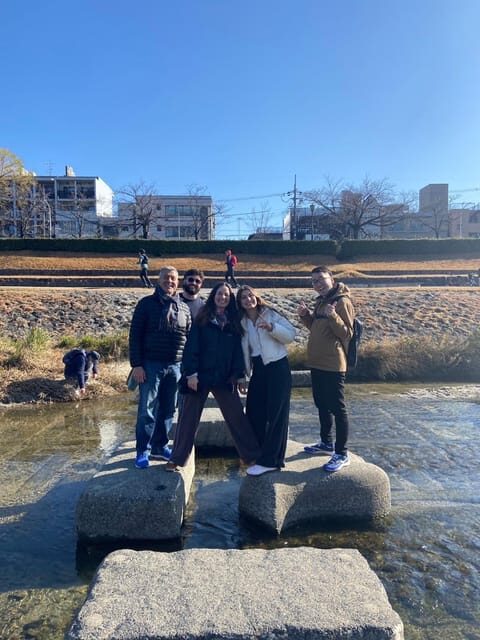
The first major stop is Ginkaku-ji. Before you even reach it, you bike along the Kamogawa River, and yes—the tour includes a playful moment: you can hop across the stones when conditions allow.
That stone-crossing detail is exactly the kind of small Kyoto moment I enjoy. It’s not just scenery; it’s an experience you can do with the group, guided by someone who knows the route and timing. It also breaks up the ride so the day feels like more than just “temple visits.”
Near Ginkaku-ji, there’s time for wandering and low-pressure breaks. You get free time in the nearby shopping street for souvenirs, a coffee stop, and even matcha crepes. This is one of the best parts of the tour structure: you’re not herded. You can move at your speed, decide what you want to browse, and still stay on schedule.
Potential drawback? Ginkaku-ji and nearby areas can still attract people, especially in busy seasons. The tour is designed to avoid the busiest places, but you should still plan to navigate normal crowds in and around popular temple areas.
Philosopher’s Path: quiet cycling and a slower kind of sightseeing
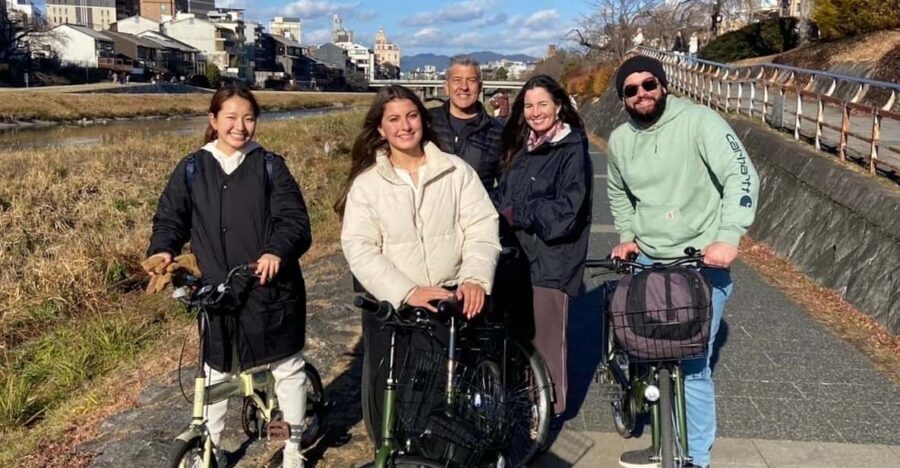
After Ginkaku-ji, you bike to the Philosopher’s Path. This section matters because it’s where the ride starts to feel like Kyoto itself—pedestrian-friendly atmosphere, canal-side or walkway-side feel, and a calmer tempo than typical bus routes.
The biggest advantage here is how the guide works with the group. Because the tour is small (up to 8), you’re not fighting for positioning. You can hear explanations, ask questions, and take photos without constantly stopping and restarting.
This stretch also shows why a bike tour is worth it in Kyoto. On foot, Philosopher’s Path can be a long slog. By bike, you can enjoy it as movement through the city rather than a single long walk.
If you’re sensitive to heat or fatigue, plan on dressing smart. The tour doesn’t provide water, and the ride depends on you staying comfortable enough to keep cycling. Bring comfortable clothes, and I strongly recommend you plan for hydration even if it’s not included.
Nanzen-ji and the big-picture views
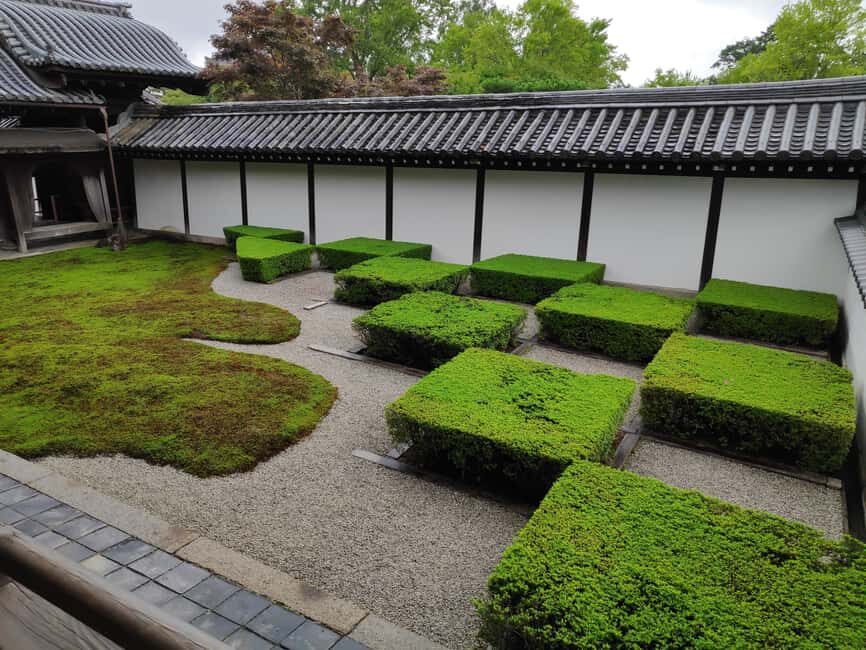
Next up: Nanzen-ji. The highlight here is the gigantic view you get when you reach the main area. Whether you’re there for photos, atmosphere, or the sense of scale, this stop is designed to give your eyes a real payoff after the cycling segments.
It’s also a good example of the tour’s “not the busiest places” approach. You’re not just going from one entry ticket to another. You’re getting sight angles that feel like you’re experiencing different layers of the city.
Some reviews mention a connection to an aqueduct during the broader ride, and that kind of surprise is part of the charm of a local-guided route: it’s not only about the official sights. If your day includes it, treat it like a bonus photo stop and a moment to slow down and look.
Other guided tours in Kyoto



Heian Jingu Shrine finish: a calm end to the loop
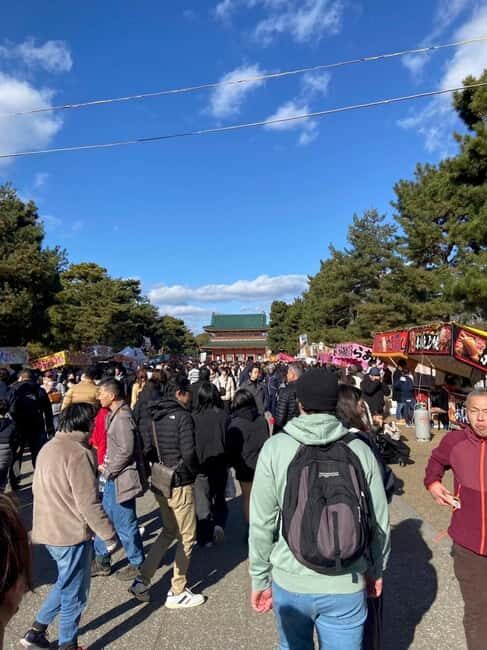
After Nanzen-ji, you head to Heian Jingu Shrine. The tour ends with this shrine visit and then returns you to the bike rental shop, so you’re not stuck wondering where you’ll be left at the end.
There’s a practical reason this ending structure feels good: you can close the loop without extra navigation stress. And because you return to the shop, you can also handle follow-on plans easily—like continuing to rent the bike if you want.
If you want to keep going after the official tour, the operator says they can arrange continued rental. Just ask during the tour so you don’t have to rush decisions at the finish.
Your guide matters: Aska’s approach and the international perspective
The tour is led by Aska, a Japanese guide who has lived abroad and studied in the UK. She’s described as someone who enjoys meeting people from different countries, sharing Japanese culture, and learning about yours in return.
What that tends to mean on the ground is a tour that feels conversational. The route isn’t only facts. It’s also context—how to think about what you’re seeing, how daily life in Japan works, and how to handle travel plans while you’re there.
One extra detail that helps is that guides may sometimes be different Japanese young folks, but they’re described as friendly and having lived abroad. In practice, that matters because cycling tours can fail when you get a guide who talks at you. Here, the expectation is you’ll be able to talk back, ask questions, and shape the pace within reason.
Price and value: what you’re really paying for at $75
At $75 per person for 210 minutes, you’re paying for more than an entry-ticket bundle.
Here’s what’s included:
- E-bike rental and helmet
- Tour guide (English)
- Entering ticket
- Parking fees
And what’s not included:
- Water and food
For value, the key is the e-bike piece. If you try to DIY this route, you’d still need bike access, and you’d still need someone who knows how to connect the stops without getting trapped in the wrong streets or the most crowded corridors. The guide also adds value by helping you understand what you’re seeing and by offering help for your broader Kyoto plans—where to eat, what to visit next, and how to spend your time efficiently.
So the price feels fair when you compare it to a “temple-only” experience. This tour buys you movement, timing, and context in one package.
What the bike ride feels like in real Kyoto traffic
This tour is built around the idea that biking is a great way to move through Kyoto. You’ll mix quiet river cycling with some roads that have pedestrians and other movement.
That’s why confidence matters. One review notes that you should be a confident cyclist because traffic and pedestrians can be part of the ride. E-bikes reduce effort, but they don’t remove the need for steady control and attention.
If you haven’t ridden an e-bike before, you might worry about it—but the way this tour is described suggests the assistance is enough that you can pedal lightly and still keep up. You’re not expected to sprint or “be a cyclist.” You just need basic comfort with balance and steering.
Who this tour is best for (and who should skip)
This is a practical tour for the people who want a light adventure with real stops.
You’ll likely love it if you:
- can ride a bike comfortably
- want a small group experience rather than a big bus tour
- enjoy chatting with a local guide and asking questions
- want to see multiple Kyoto sites in one morning/afternoon without exhausting yourself
It’s not suitable if you can’t ride a bike, and it also lists restrictions:
- children under 12
- pregnant women
- wheelchair users
- people with diabetes
- people who experience altitude sickness
- people with low level of fitness
- people over 95
If you’re in any of those categories, you should choose a different format that doesn’t rely on cycling.
What to pack for a smooth ride (and avoid silly problems)
The tour asks for comfortable shoes and comfortable clothes. That’s your baseline for comfort because you’ll be walking a bit at stops, and you’ll be on the bike for a while.
Not allowed:
- high-heeled shoes
- oversize luggage
- luggage or large bags
Also, bring water even though it’s not included. It’s simple. A longer cycling outing plus temple breaks means you’ll want to refill.
If rain shows up, the tour offers a practical fix: you can wear raincoats or reschedule. It’s a useful detail because Kyoto weather can change fast, and cycling rain can be uncomfortable.
The best way to get the most out of the tour
Show up ready to move. That’s the whole trick with bike tours.
Here are a few ways to make the day smoother:
- Arrive with time to get comfortable on the bike before you roll out
- Wear clothing you don’t mind sweating in if the weather is warm
- Ask your guide questions early; the guide is there to help with Japanese culture and your overall trip planning
- Use the free time near Ginkaku-ji to do something small and local, like a coffee or matcha crepe, rather than rushing through shopping
If you want a “more Kyoto, less commute” day, this tour delivers that feel well.
Should you book the Kyoto hidden-gems e-bike tour?
If you want Kyoto with less walking fatigue and more local rhythm, I think this is a strong book. The combo of small group size, an English-speaking guide like Aska, and a route that aims to avoid the worst crowd pockets makes it a good value for $75.
Book it if:
- you can ride a bike and you want a real city experience
- you like temples and shrines but also enjoy river routes and quiet streets
- you want someone to help with what to do next in Kyoto
Skip it if:
- you’re not confident cycling in a city
- you need a fully wheelchair-accessible format
- you’re looking for a strictly “major sites only” itinerary with no cruising between areas
If you fit the bike-and-comfort profile, this is one of the more fun, practical ways to see northern Higashiyama-style Kyoto without turning your day into an endurance test.
FAQ
How long is the Kyoto e-bike tour?
It lasts about 210 minutes, roughly 3 to 3.5 hours.
Where do I meet the guide?
You meet at a rental cycling shop in the Gojo area. It’s about 6 minutes from Kyoto Station by train, or about 20 minutes on foot.
Is the tour guided in English?
Yes. The live tour guide speaks English.
What’s included in the ticket price?
The price includes electric bike rental and a helmet, the tour guide, entering tickets, and parking fees.
Do I need to bring water or food?
Water and food are not included, so you should plan to bring your own or buy it during free time.
What happens if it rains?
If it rains, you can wear raincoats or the tour can be rescheduled.