Kyoto is best when you can move. This full-day bike tour packs major sights plus quieter temple stops into one smooth route, so you’re not stuck choosing between the Golden Pavilion and the charming backstreets. I love the small-group setup (max 8 travelers) and that you’re provided the bike, helmet, lunch, and bottled water. The main drawback is simple: it’s a long day with real effort, so you’ll want to be comfortable riding and prepared to sweat a bit.
What makes this feel different from the usual checklist tour is how the day is paced. You get guided stops for the big attractions—like Kinkaku-ji and Fushimi Inari-taisha—while also getting time at spots that don’t eat up your whole day in crowds. Guides you might get, like Juan, Paul, Indra, Karl, Jay, Jamie, and Quinn, are repeatedly praised for keeping the ride safe and the commentary practical.
If you’re expecting a relaxed stroll, this probably isn’t it. Think more like a steady bike ride with short walks at the stops, plus enough time to see what matters without rushing through everything.
In This Review
- Key things to know before you go
- Why Kyoto by bike beats walking and buses
- Starting at Cycle Kyoto: gear up and get your bearings
- Nishi Honganji and Kitano Tenmangu: two quieter stops with big atmosphere
- Kinkaku-ji (Golden Pavilion): make the 30 minutes count
- Rolling past imperial vibes: the palace-area ride-by
- Gion without losing your mind: short stop, big payoff
- Tofuku-ji: the bridge view moment
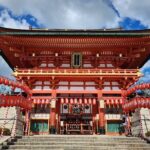
- Fushimi Inari-taisha: crowd navigation done for you
- Pace, fitness, and what you’ll feel at the end
- Value check: what $119.38 really buys you
- Bikes, comfort, and the real-life gear limits
- Your guide makes or breaks the day
- Weather and timing: the day depends on it
- Should you book this Kyoto full-day bike tour?
- FAQ
- How long is the full day biking tour?
- What’s the group size?
- What does the price include?
- Is lunch provided?
- Where is the meeting point?
- Do I need to already know how to ride a bike?
- What’s the minimum age?
- Are there dietary accommodations?
- Is the tour near public transportation?
- What happens if the weather is bad?
- Is free cancellation available?
Key things to know before you go

- Helmet + Cannondale bike included, so you don’t burn time shopping or hauling gear
- Lunch and bottled water are in the price, and it’s a proper stop, not a vending-machine moment
- Max 8 travelers means you actually get help when you need it and attention at each site
- Golden Pavilion and Fushimi Inari both get guide time, which helps with flow and crowd navigation
- A generally flat, safe route makes it a great first biking day in Kyoto (if you can ride)
Why Kyoto by bike beats walking and buses
Kyoto is built for walking, sure—but it’s also spread out. That’s where biking changes the day. With a bike, you can cover ground fast enough to include both the famous stops and the less-obvious ones without feeling like you’re constantly waiting for trains or squeezing into long bus lines.
I like that the tour doesn’t treat biking like a gimmick. You’re biking because it gives you a different Kyoto experience: you ride through neighborhoods and side streets, see everyday life between the headlines, and then step off to slow down at temples and shrines.
The other big win is timing. A bus tour can drop you at big places but leaves little room to explore. This format gives you a more human rhythm—ride, stop, look, listen, then ride again.
Other cycling tours in Kyoto


Starting at Cycle Kyoto: gear up and get your bearings

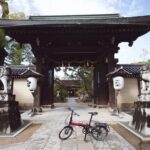
Your day begins at Cycle Kyoto in Minami Ward, near public transport and close to Kyoto Station. If you’re coming by train, this is one of the practical reasons this tour works well for first-time visitors: you’re not starting in some far-off neighborhood you still need to “figure out” that morning.
At the shop you meet your guide and the rest of your group, get your bike fitted, and get a helmet on before you roll. That matters more than you’d think. Bikes can feel totally different from the last one you rode, and a quick fit helps you stay comfortable later—especially on a long day.
Most groups keep a steady flow after setup, and the route is designed to feel safe and easy to follow. In the reviews, people repeatedly note the backroads and small streets feel calmer than the main roads.
Nishi Honganji and Kitano Tenmangu: two quieter stops with big atmosphere

After you get moving, you’ll hit Nishi Honganji. This is one of those stops people miss when they only chase the most famous “name temples.” It’s also a standout for scale: the tour highlights it as one of the largest wooden buildings in the world. Even with a short visit, that kind of structure changes how the space feels. You’re not just looking at a signboard—you’re seeing the physical scale of Buddhist architecture.
Next up is Kitano Tenmangu Shrine. This one leans more local in mood. You’ll join the shrine goers and feel the day-to-day side of a Shinto shrine visit, including the calm rhythm that builds around people praying and moving through the grounds.
In a perfect world, these two stops are a breather before the big hitters. If your first morning in Kyoto is only crowds and photos, these moments help the day feel balanced.
Kinkaku-ji (Golden Pavilion): make the 30 minutes count

Kinkaku-ji is the headline. The Golden Pavilion is one of the most visited attractions in all of Japan, and the tour gives you time plus commentary so it’s more than a quick picture.
You’ll spend about 30 minutes here, and the tour format is built for staying present. People also note you can grab an ice cream and relax, which sounds small but matters. When you’re biking all day, a planned pause keeps you from feeling like you’re rushing.
One practical tip: don’t treat this stop like a museum sprint. Look first for the pavilion and its surroundings, then shift your attention to what the guide points out. The best views come from taking a minute to adjust your angle rather than only shooting straight-on.
Rolling past imperial vibes: the palace-area ride-by

Between the big temple moments and the geisha district, you get a ride through the grounds of the former seat of Japan’s imperial family. You’re not just transporting yourself—you’re getting a sense of Kyoto’s power center through the feeling of the landscape as you move through it.
This is also a good “energy management” part of the route. You’ve done two concentrated stops (Nishi Honganji and Kitano Tenmangu), and now you transition into the afternoon circuit with a segment that’s more about the journey than another long walking stop.
If you love Kyoto for history, this ride adds context. If you’re more into street life, it still gives you a noticeable shift in atmosphere and scale compared to the neighborhood streets.
A few more Kyoto tours and experiences worth a look


Gion without losing your mind: short stop, big payoff
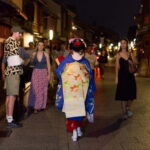
Gion is famous, and it can be intense. This tour handles it with a focused, short stop designed to help you experience the district without getting stuck in total chaos.
You’ll spend around 15 minutes here, enough time to walk through key lanes, absorb the look and feel of the area, and keep your eyes open for what might appear in the background—like geisha district cues and the kind of carefully managed street scene Kyoto is known for.
The best part is how you’re not wandering alone and guessing. With a guide, you can move through the area efficiently and still feel like you’re seeing it with intention.
I also like that Gion is placed after the palace-area ride. By then you’ve already built momentum into the day, so you can enjoy Gion as a change of pace rather than a stressful peak-crowd test.
Tofuku-ji: the bridge view moment

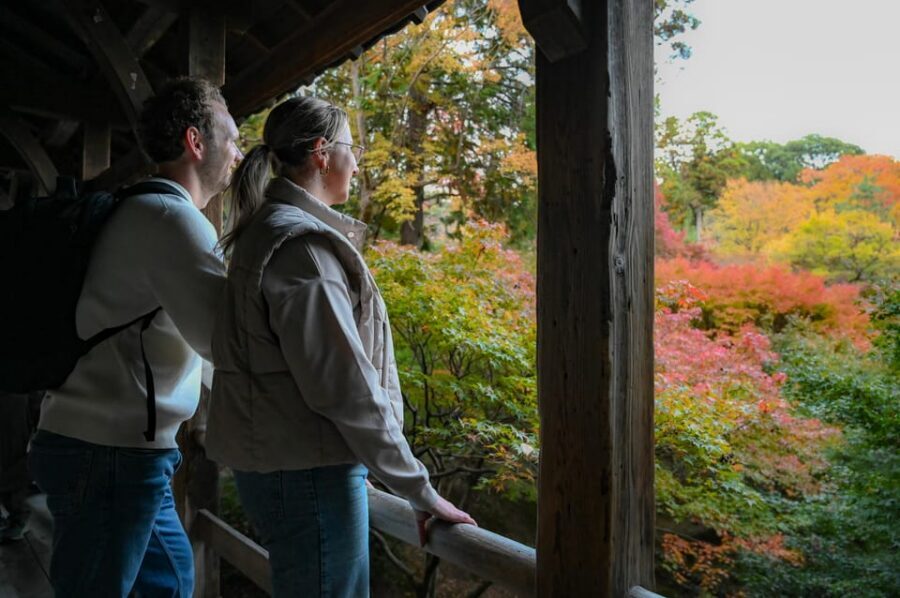
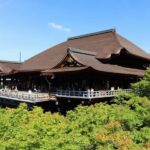
Tofuku-ji is a Zen temple stop that’s shorter on paper but satisfying in practice. You’ll swing by and get time to enjoy the spectacular views from the bridge, plus space to appreciate the surroundings. The tour frames it as one of the oldest and largest Zen temples in the country, and even a brief stop can help you see why that reputation sticks.
This is also where the bike tour format shines. Instead of turning your whole day into a single “temple day,” you get a quick architectural and landscape moment that refreshes your eyes before the final push.
If you tend to get temple-fatigue, this is a good one. It’s not long, but it gives you a viewpoint and a sense of place.
Fushimi Inari-taisha: crowd navigation done for you

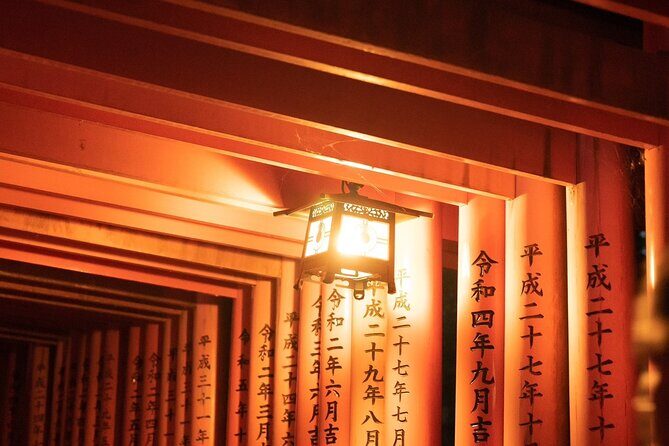
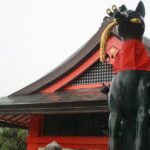
Fushimi Inari-taisha is the big finale, and it’s also where crowds can swallow your time. The tour explicitly tackles that issue: your guides pick a path to help you enjoy the shrine without getting stuck in the most difficult crowd flow.
You’ll have about 20 minutes here. That’s enough time to see the famous torii experience and absorb what makes it feel special—especially when you’re not spending half your visit trying to push through people.
Here’s what I’d do with your 20 minutes: pause early, scan the space around you, then keep moving at a steady pace rather than stopping every five steps. You’ll get better overall impressions, and you won’t feel like you missed the best portions.
Pace, fitness, and what you’ll feel at the end
This is a 7–8 hour day, and you should plan for fatigue. Reviews commonly mention around 18 miles to 20 miles of biking, plus a lot of walking steps during the stop times. Even if the route feels generally flat, you’re still building endurance over hours.
That said, it’s not described as technical biking. It’s more about staying comfortable on the bike, following a simple route, and being ready for heat depending on the season. One review noted the day was cloudy, but they still worked up a sweat.
Your best prep:
- Wear breathable clothes and comfortable shoes you can walk in.
- If you’re the type who bikes occasionally, this will likely feel manageable.
- If you’re not used to riding longer distances, start slow and use the provided water.
Also: you need moderate physical fitness and you must be comfortable riding a bicycle. The minimum rider age is 13.
Value check: what $119.38 really buys you
At $119.38 per person, the value mainly comes from what you don’t have to organize yourself.
You’re getting:
- A high-quality Cannondale bike
- Helmet
- Bottled water
- Lunch
- Guided time at major sites
- Admission tickets that are included for Kinkaku-ji (with others listed as free)
That’s important in Kyoto. If you try to cobble together a “self-guided” version, you’ll spend time planning routes, figuring out ticket costs, and probably buying a bike or hauling gear. Here, the tour bundles logistics into one ticket so you can focus on seeing.
People also highlight that the lunch is better than some tours they’ve done elsewhere. When food is included, it changes your day: you don’t have to scramble for a place that fits your schedule, and your energy stays steadier.
If you hate wasting time between attractions, this price makes more sense than a cheaper tour that cuts corners on bike quality, food, or guide support.
Bikes, comfort, and the real-life gear limits
The tour includes a bike and helmet, and most people say the rides feel comfortable and the route is safe. One note from a review: an eco bike upgrade might be offered, though the rider found the seat less comfortable over a long day.
There’s also a practical limit on bike storage. One reviewer mentioned the bike had only a small pouch for a phone and wallet. If you bring a backpack, you’ll likely need to carry it during the ride, since there isn’t much built-in space.
So pack light. Think day bag or small items you can manage for 7–8 hours.
Your guide makes or breaks the day
With a small group, the guide matters a lot. The reviews are heavy on this point: guides like Quinn, Juan, Paul, Indra, Carl/Karl, Jay, and Jamie/Jaimie are praised for keeping people engaged and for sharing stories that connect the sights to how Kyoto works.
You’ll get commentary at stops, and guides are also described as organized with the group—helping you arrive, look, and move on without confusion. Some guides also add cultural side moments, like Japanese phrases, counting, or detours when something interesting appears.
If you care about understanding what you’re seeing (not just snapping photos), this is one of the strongest reasons to choose a guided bike day over a casual bike rental.
Weather and timing: the day depends on it
This experience requires good weather. If it’s canceled due to poor weather, you’re offered another date or a full refund.
Plan for sweating and sun even on mild days. Since you’re biking for hours, the weather changes comfort quickly. If you’re sensitive to heat, bring water habits seriously—because the tour gives you bottled water, but you’ll still feel the pace.
Should you book this Kyoto full-day bike tour?
Yes—if you want a single-day overview that still includes space to breathe.
Book this tour if:
- You want major Kyoto landmarks plus quieter religious sites.
- You enjoy learning through guided storytelling rather than only reading plaques.
- You can handle a full day on a bike and short stop walks.
- You like small groups and practical pacing more than big-bus rushing.
Skip it (or consider something less physical) if:
- You’re not comfortable riding a bike for long stretches.
- You hate long days and would rather break your sightseeing into smaller chunks.
- You’re traveling with kids who aren’t confident bikers (minimum age is 13).
If you match the fitness and riding comfort requirements, this is one of the more efficient ways to see Kyoto without turning your trip into a waiting-and-transit marathon.
FAQ
How long is the full day biking tour?
It runs about 7 to 8 hours.
What’s the group size?
It’s a small-group tour with a maximum of 8 travelers.
What does the price include?
The tour includes bike use and a helmet, bottled water, lunch, and guided sightseeing. Admission ticket details are listed per stop, with Kinkaku-ji included.
Is lunch provided?
Yes, lunch is included.
Where is the meeting point?
The start point is Cycle Kyoto, 7 Higashikujō Nishisannōchō, Minami Ward, Kyoto, 601-8003, Japan. The tour ends back at the meeting point.
Do I need to already know how to ride a bike?
You must be comfortable riding a bike, and the tour is intended for riders with at least moderate physical fitness.
What’s the minimum age?
Riders must be at least 13 years old.
Are there dietary accommodations?
Dietary requirements need to be known ahead of time, so let the provider know before the tour.
Is the tour near public transportation?
Yes, the meeting point is near public transportation.
What happens if the weather is bad?
The tour requires good weather. If it’s canceled due to poor weather, you’ll be offered a different date or a full refund.
Is free cancellation available?
Yes. You can cancel up to 24 hours in advance for a full refund.