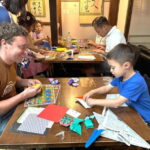
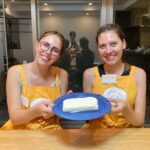
That first bite of your own cooking is the payoff. This Kyoto morning bento class turns a famous Japanese lunch tradition into a hands-on lesson, with English-speaking instruction and a full bento lunch at the end. I like how focused it is on real, doable techniques (not just watching), and I like that the class includes lunch you actually cooked—so the morning feels productive, not just educational.
One thing to plan for: there’s no hotel pickup or drop-off, so you’ll need to get to Cooking Sun on your own before class starts.
In This Review
- Key things I’d highlight before you book
- A morning in Kyoto’s kitchen: Cooking Sun and getting there
- Bento isn’t just lunch: what the tradition teaches you
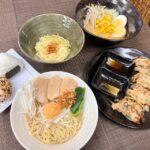
- Your hands-on menu: sushi, tempura, teriyaki chicken, miso soup
- Sushi: more assembly than intimidation
- Tempura: technique that’s easier than it sounds
- Teriyaki chicken: flavor you can actually replicate
- Miso soup: a warm reset inside the bento
- A fuller spread than you expect
- How the class stays workable: pacing, group size, and English support
- Dietary needs: yes, when you ask early
- Lunch is the point: eating your bento (and taking it home in your head)
- Value check: is $67 a fair deal for 3 hours?
- Who this Kyoto bento class is best for
- Small practical tips before you go
- Should you book this Kyoto Morning Japanese Bento Cooking Class?
- FAQ
- Where is the meeting point for the Kyoto bento cooking class?
- How long is the class?
- What dishes will I learn to make?
- Is the instructor able to teach in English?
- What’s included in the price?
- Is hotel pickup or drop-off included?
- Can the class accommodate dietary requirements?
- Is the class wheelchair accessible?
- What’s the cancellation policy?
Key things I’d highlight before you book
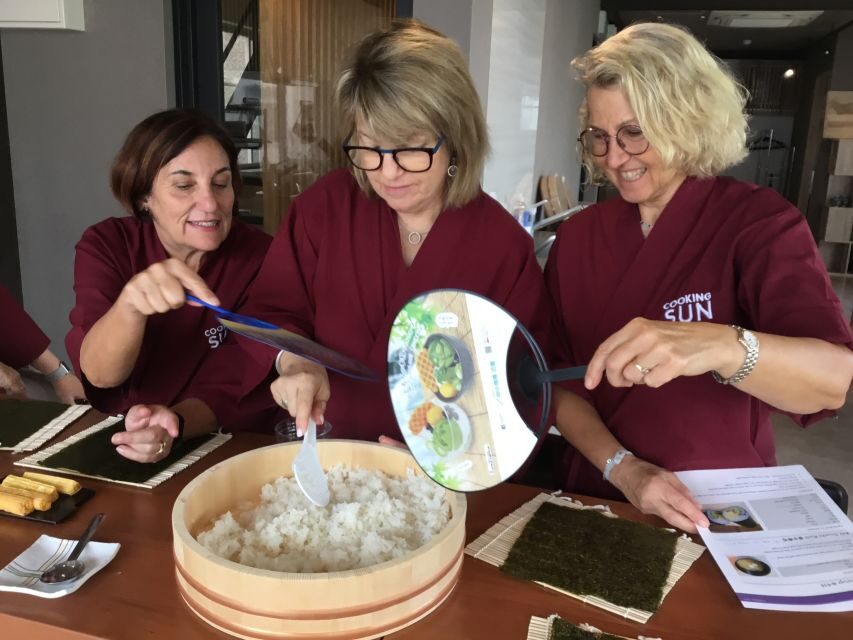
- Small-group vibe: many sessions run around 4–8 people, so you’re not lost in the crowd.
- Hands-on cooking, step-by-step: sushi, tempura, teriyaki chicken, miso soup, plus a fuller bento-style spread depending on the session.
- English instruction with practical recipes: you get written guidance and clear directions from instructors like Mei, Mae, Tomoko, Yukari, Coco, and Ikari.
- Dietary accommodations when requested: classes can do no-shellfish versions and also support vegetarian needs if you ask ahead.
- You eat what you make: the bento lunch is part of the experience, not an optional add-on.
A morning in Kyoto’s kitchen: Cooking Sun and getting there
This class is held at Cooking Sun, in Funayacho, Shimogyo Ward (Kyoto 600-8466). The whole idea is to make your morning in Kyoto feel like a real local routine: show up, roll up your sleeves, cook, and then eat what you made.
When you arrive, you’ll typically grab what you need right away: ingredients, an apron, and utensils. That setup matters more than you might think. A lot of cooking classes waste the first chunk of time on logistics. Here, the morning is designed to get you working quickly, so you spend your energy on learning techniques and assembling your food—not tracking down the right tool.
Because hotel pickup isn’t included, I’d treat this like a destination activity. Plan your route the night before and give yourself a little buffer if you’re using transit. The good news: the class runs for about 3 hours, so once you’re there, the pace stays tight.
Other cooking classes in Kyoto


Bento isn’t just lunch: what the tradition teaches you
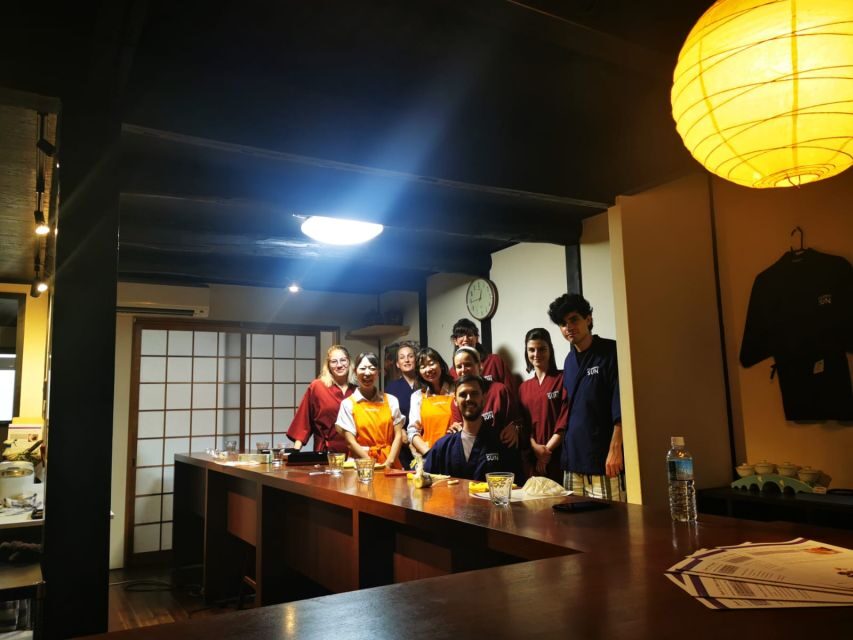
The chef explains the bento concept while you cook. It’s more than a cute lunch box. Bento traces back to the late Kamakura Period (1185 to 1333), and today it’s a staple of Japanese food culture—packed, portioned, and meant to travel well.
This context helps you cook better. When you understand bento’s purpose, you start caring about details that matter in Japan: neat portions, smart flavor balance, and textures that make sense in a box. Even if you’ve never made sushi before, the class frames everything as part of a larger lunch composition, not random dishes thrown together.
One bonus from the way the class is taught: you learn the small tricks that make food look and taste right in a bento setting. The instructors don’t just say what to do—they explain why that technique works, which is what helps when you try repeating it at home.
Your hands-on menu: sushi, tempura, teriyaki chicken, miso soup
The headline dishes are classic and satisfying: sushi, tempura, teriyaki chicken, and miso soup. What you’ll find in practice is that the class is built so you can complete a lot in a short morning.
Here’s what to expect from each dish, in the way the cooking typically feels:
Sushi: more assembly than intimidation
Sushi can look intimidating, but this kind of class usually keeps the focus on getting you producing something you can recreate. You’ll be guided through the steps, and because the class is time-managed, you won’t spend the morning stuck on knife work. One important point from participant feedback: ingredients are often prepped in advance, so you’re not in a pure cutting-only “knife skills” workshop.
Tempura: technique that’s easier than it sounds
Tempura is all about lightness and timing. You’ll practice the steps the chef demonstrates and follow along with clear directions in English. If you’ve never handled batter before, tempura is one of those dishes where having a teacher show the method once and then guide you through it makes a big difference.
A few more Kyoto tours and experiences worth a look



Teriyaki chicken: flavor you can actually replicate
Teriyaki tastes like comfort food, but it’s still technique-driven—how you glaze and how the sauce clings. In a class like this, you learn the process, not just the ingredient list. That means when you cook at home later, you’re not guessing.
Miso soup: a warm reset inside the bento
Miso soup ties the box together. It’s practical because it tastes good at a normal temperature, and it balances the other items. You’ll learn how to put it together and understand the basics behind the flavor.
A fuller spread than you expect
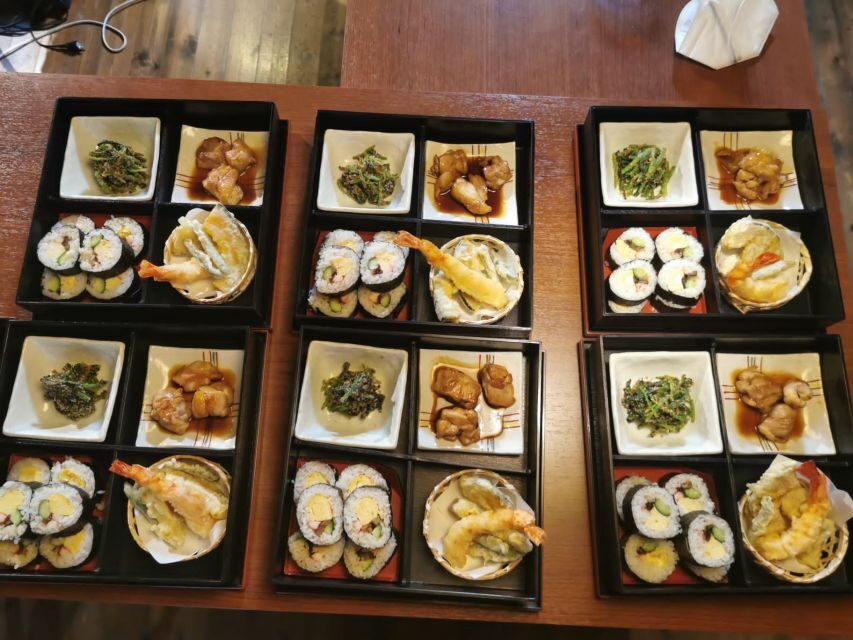
While the listed highlights include those four dishes, many participants report cooking six to seven dishes within the timeframe. That usually means the bento lunch becomes a more complete set of components than the bare minimum. The overall theme stays consistent: you leave with a real bento box spread, not just a single main item.
How the class stays workable: pacing, group size, and English support
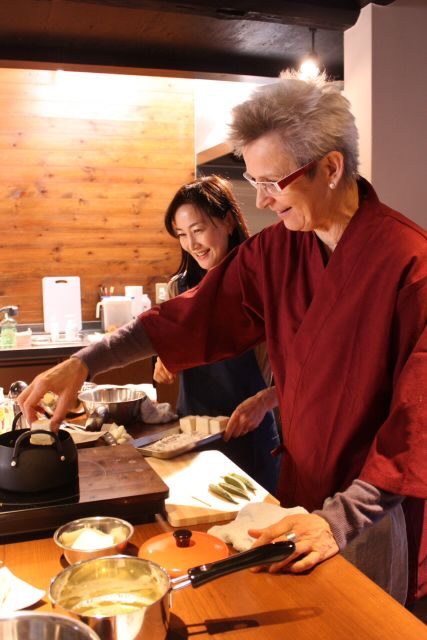
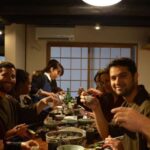
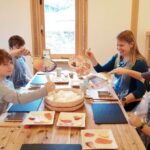
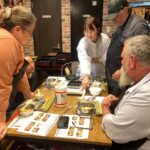
This is where the experience gets unusually good for the price. The class tends to be small, with feedback commonly pointing to groups around 4–8 people. Small groups matter because it makes the instruction feel personal. It also reduces that awkward moment where you’re waiting for an instructor to notice you.
Many sessions run with two chefs or more, and instructors are known for being clear and patient. Reviews mention instructors such as Mei, Mae, Tomoko, Yukari, Coco, and Ikari teaching with step-by-step directions that work even if you don’t know Japanese cooking terms.
The class is English-instructed, which is a huge quality-of-life upgrade. Even if you’re comfortable traveling in Japan, cooking vocabulary can still trip you up. Clear English directions reduce frustration and help you focus on the food.
One more practical note: if you prefer to do things at your own pace, you may still feel a little shared-apparatus reality (like you’re working near others). But the pace is generally described as nicely paced and productive—especially since you’re making multiple items and eating them afterward.
Dietary needs: yes, when you ask early
If food restrictions are part of your travel planning, this class is worth a look. Participants reported that the team could provide a no-shellfish version, and others said they could accommodate vegetarians when they booked with the right details.
Here’s the practical takeaway: the class asks you to advise of dietary requirements when booking. Don’t wait until you arrive. If you know you need no-shellfish or vegetarian adjustments, send that information with your reservation so the instructors can plan the menu and ingredients.
Lunch is the point: eating your bento (and taking it home in your head)
After cooking, you sit down and enjoy your lunch. This is one of those rare experiences where the meal isn’t an afterthought. It’s integrated. When you eat what you cooked, you instantly understand what worked and what you’d tweak next time.
There’s also an emotional payoff: you’ll notice how different items work together. In a good bento box, the flavors don’t fight. They complement. The miso soup acts like a reset. The teriyaki brings sweetness and depth. Tempura adds crunch. Sushi adds that clean, bite-sized balance. That’s the logic behind the tradition, and the class makes that logic visible.
Then comes the “repeat at home” part. Multiple participants mention leaving with helpful written recipes, and some said they bought tools or items so they could keep cooking after returning home. You also get little real-world tips, like guidance on finding ingredients—useful if you’ve ever tried to hunt down Japanese pantry items outside Japan.
Value check: is $67 a fair deal for 3 hours?
At $67 per person for about 3 hours, the value mostly comes from what’s included:
- cooking class instruction
- ingredients
- apron and utensils
- lunch
If you price this out as buying ingredients plus paying for restaurant meals plus paying for an instructor, it often starts looking more fair than it first appears. The class isn’t just tasting; you’re producing multiple dishes and eating them immediately.
The main value trade-off is the one you control: because there’s no pickup, you might spend more time (or a little money) getting to the meeting point. If you’re staying near Kyoto transit, that’s usually easy. If you’re farther out, it’s worth factoring that in so you don’t feel “nickel-and-dimed” by logistics.
Still, the overall pattern in feedback is strong: people come for a fun bento morning, and then leave feeling like they gained techniques they can repeat.
Who this Kyoto bento class is best for
This experience fits best if you want hands-on Kyoto that isn’t just walking and looking.
I think it’s especially great for:
- Food lovers who learn faster by cooking than by reading
- Travelers who want a morning activity that stays focused and doesn’t drag
- Couples, friends, and small groups who like shared instruction
- Families with kids old enough to handle a cooking session (there are mentions of twin 10-year-olds enjoying it, and teenagers being supported too)
If you hate cooking (or you want a hands-off cultural lesson only), you’ll likely feel constrained by the active format. Also, if getting to Cooking Sun is difficult for you, the lack of pickup could be a dealbreaker.
Small practical tips before you go
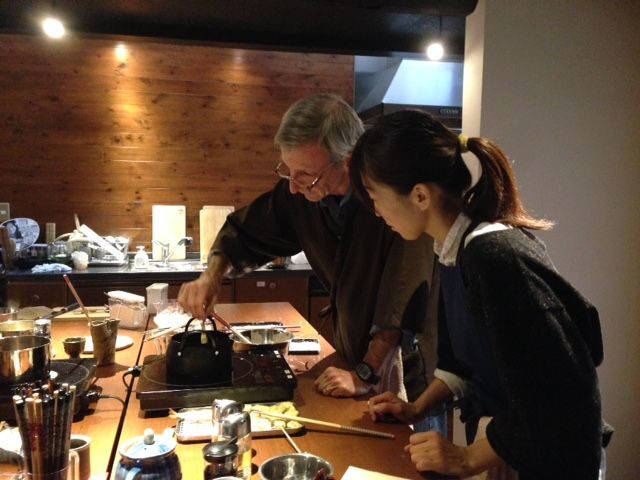
A few things will make your morning smoother:
- Bring your appetite. You’re cooking multiple items and then eating them.
- Let them know dietary needs when booking, especially if you’re avoiding shellfish or following a vegetarian diet.
- Expect ingredients to be handled and staged for speed. This isn’t a full knife-skills course, so don’t plan to sharpen cutting technique here—plan to learn cooking workflow and assembly.
- Wear comfortable clothes. You’ll be in a working kitchen environment for a few hours.
Should you book this Kyoto Morning Japanese Bento Cooking Class?
I’d book it if you want Kyoto with a direct result: a bento box you made yourself, recipes you can use later, and a short morning that feels like it gives back to your skills. The combination of small-group teaching, English support, multiple dish components, and a included lunch makes the math work.
Skip it if you need a totally passive cultural activity, or if you strongly prefer activities with included transit from your hotel. This is a hands-on food class, and you’ll get the most from it when you show up ready to cook.
If you’re on the fence, use this rule: if you enjoy learning by doing—this one’s a solid bet.
FAQ
Where is the meeting point for the Kyoto bento cooking class?
The class meets at Cooking Sun, Funayacho, Shimogyo Ward, Kyoto, Kyoto 600-8466.
How long is the class?
The duration is 3 hours (listed as 2.5 to 3 hours depending on the session).
What dishes will I learn to make?
You’ll learn to make sushi, tempura, teriyaki chicken, and miso soup as part of the bento cooking experience.
Is the instructor able to teach in English?
Yes. The instructor is listed as English.
What’s included in the price?
The price includes the cooking class, ingredients, apron and utensils, and lunch.
Is hotel pickup or drop-off included?
No. Hotel pickup and drop-off are not included.
Can the class accommodate dietary requirements?
You should advise of any dietary requirements when booking. The class has been able to provide no-shellfish and vegetarian options when requested.
Is the class wheelchair accessible?
Yes. The experience is wheelchair accessible.
What’s the cancellation policy?
There’s free cancellation up to 24 hours in advance for a full refund.