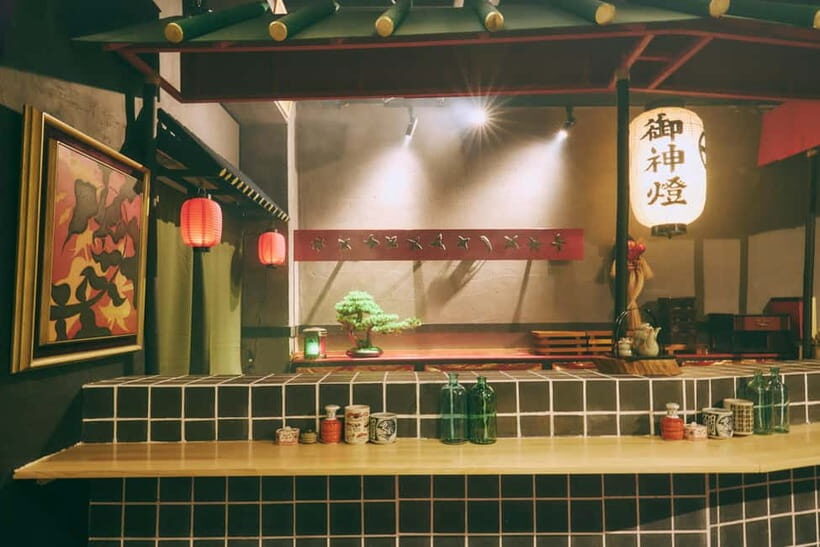
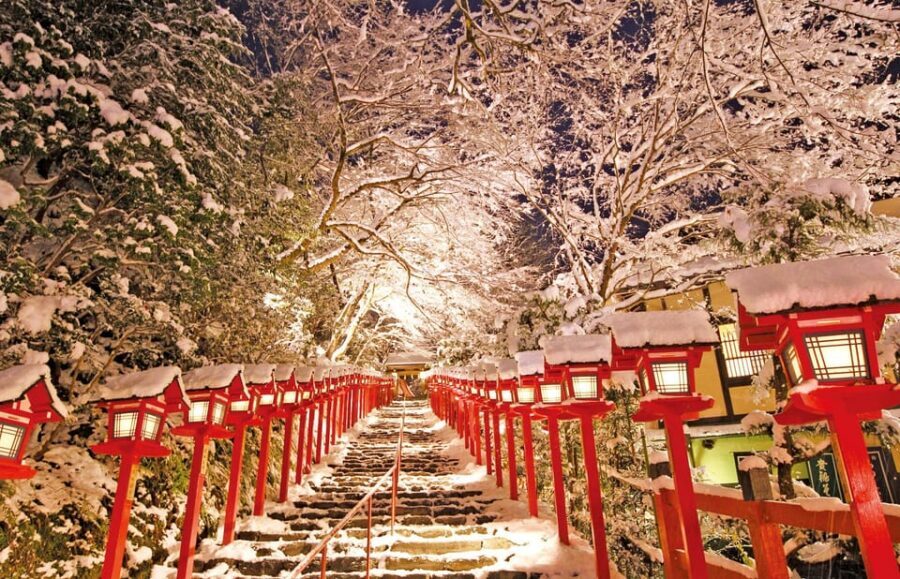
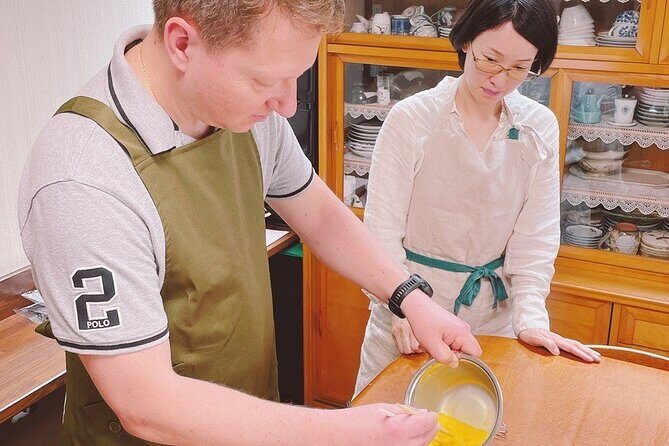
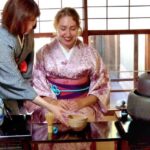
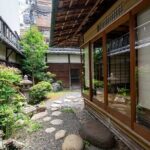
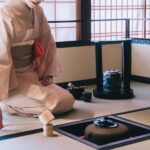
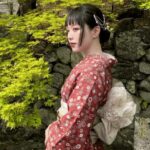
Matcha gets real in this tiny Kyoto room. This newly opened tea ceremony at Sanjo Chasuian turns a traditional ritual into a hands-on lesson you can actually repeat back home. You also step through a Nijiriguchi crawl-in entrance, then settle into a quiet tea room where the outside world disappears.
I love how the host guides you step-by-step, including the meaning behind the motions, with clear explanations in English. And you get to make and taste two bowls of matcha—one prepared by the tea master, plus the one you whisk yourself.
One thing to plan for: timing is strict. You can enter only 5 minutes before the start time, and once the door locks you can’t join (even if you’re just a minute late). Bring socks or wear them, and expect some floor sitting even though chairs are available.
In This Review
- Key things that make this Kyoto tea ceremony feel special
- Sanjo Chasuian tea ceremony: a one-hour matcha class done quietly
- Arriving on time: the door locks, and lateness ends the session
- The Nijiriguchi crawl-in: why that low entrance matters
- Matcha step-by-step: what you watch, then what you do
- Choose your tea bowl and whisk
- Two bowls of matcha in one session
- Traditional seasonal sweets: the Kyoto side of the ritual
- Seating, socks, and what to wear in a tea room
- Tea ceremony pacing: why the hour feels right
- Buying matcha and utensils: practical souvenirs, not just photos
- Price value: what $32.77 includes (and why it’s fair)
- Who should book this Kyoto matcha tea ceremony?
- Should you book Sanjo Chasuian’s Kyoto tea ceremony?
- FAQ
- How long is the Kyoto tea ceremony session?
- How many people are in the group?
- What’s included in the price?
- Do I only watch, or do I make matcha too?
- How many cups of matcha will I drink?
- What is the Nijiriguchi?
- Do I need to bring socks?
- Is seating provided?
- Where is the meeting point?
- What’s the cancellation policy?
- Is transportation included?
Key things that make this Kyoto tea ceremony feel special
- Nijiriguchi crawl-in entrance that sets the mood from the first second
- Two matcha cups: host-made first, then your own whisking practice
- Small group size (max 10) for a calmer, more personal pace
- Seasonal Japanese sweets included, served alongside your tea
- You choose your bowl and whisk tool so it feels hands-on, not like a show
- Possible dress-up option with an uchikake (available in some sessions) for extra photo-worthy fun
Sanjo Chasuian tea ceremony: a one-hour matcha class done quietly
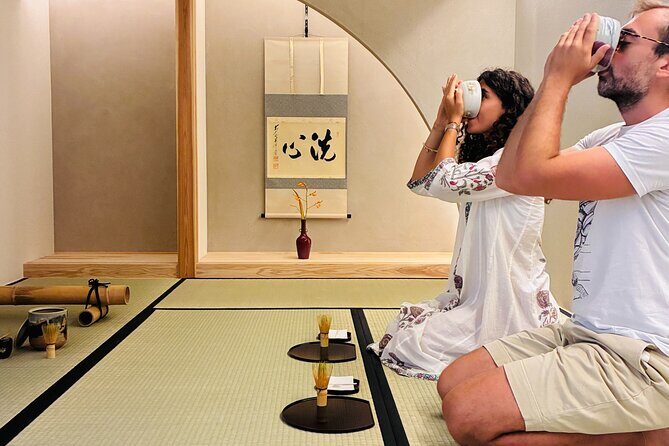
This experience is built around a simple idea: tea ceremony should be felt, not just watched. In about one hour, you’ll follow a structured flow—watch first, then do it yourself—inside a setting designed to be serene and quiet. That timing matters in Kyoto, because you’re likely stacking this alongside other stops, yet you still get proper instruction.
The session is capped at up to 10 participants, so the host can actually answer questions instead of racing through the steps. The tea master’s teaching style (including Q&A) is a big part of why this works for first-timers, not just tea nerds.
One practical note: the venue uses a mobile ticket, and you’ll want to have your phone ready at arrival. It’s also described as near public transportation, which helps if you don’t want to plan around taxis.
A few more Kyoto tours and experiences worth a look
Arriving on time: the door locks, and lateness ends the session
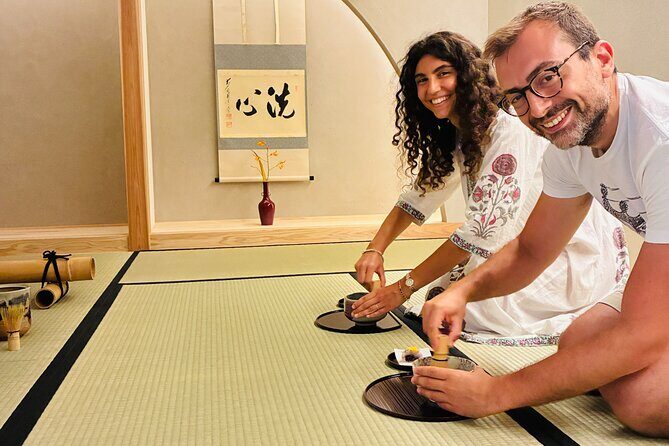
Tea ceremony is part ritual, part etiquette class, and Sanjo Chasuian enforces that. Entry is allowed from 5 minutes before the start time, and once the session begins the door is locked. If you’re even 1 minute late, you can’t join—and there’s no refund.
So your best move is to treat this like a train connection: aim to be there early enough that you won’t sprint through the last block. If you’re using Google Maps, the venue has a tip that’s worth saving: it can sometimes route you onto a smaller street at the corner, so stick to the main street and look for a green matcha ice cream cone out front.
The Nijiriguchi crawl-in: why that low entrance matters
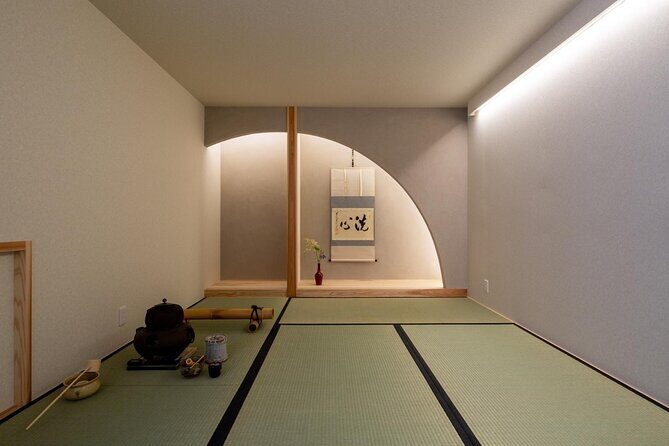
You don’t start in the main room. You start by passing through a Nijiriguchi, a crawl-in entrance designed to leave the outside world behind. Even if you’ve only seen Nijiriguchi entrances in photos, the physical act of entering changes the tone instantly.
It’s also a reminder that a tea room is meant to be different from the street—quiet, slow, and intentional. If you’re traveling with a camera in your hand, consider putting it away before entry so you can fully switch gears.
Matcha step-by-step: what you watch, then what you do
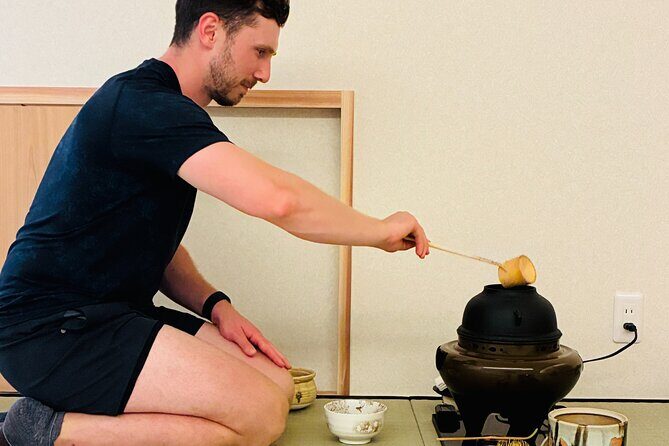
The core of the ceremony is matcha preparation—how the tea is whisked, how the utensils are handled, and how each step supports the overall feel of the moment.
First comes observation. You’ll watch the tea master perform the motions professionally, and you’ll get step-by-step explanations of what each part means and why it’s done that way. The host also covers the history and customs behind the ceremony, not just the technical how-to. That helps you understand what you’re practicing, instead of copying movements without context.
Then comes the part you’ll remember: your turn.
Choose your tea bowl and whisk
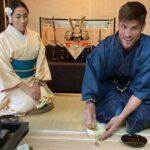
You’ll pick a tea bowl and whisk your matcha. That choice is small, but it makes the lesson personal—your tools and your pace matter. You’ll also see how the tea master’s movements guide the process, which helps you avoid common mistakes like uneven whisking or rushing the moment.



Two bowls of matcha in one session
You’ll have two servings:
- one cup prepared by the host (so you can taste the ideal result), and
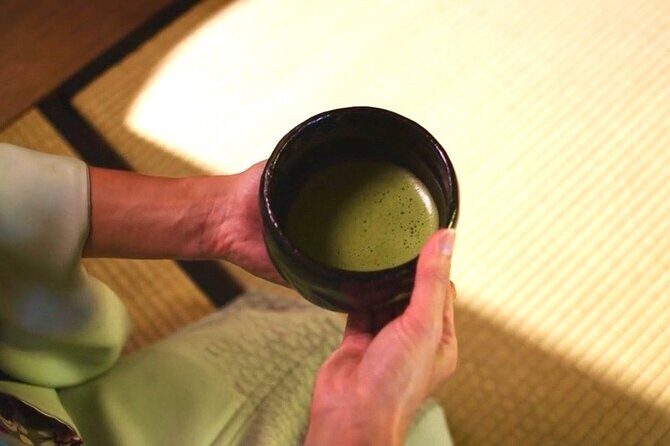
- one cup made by you (so you can practice and learn by doing).
This “host then you” structure is one of the highest-value parts of the experience. Many tea ceremonies end after watching and drinking one cup. Here, you get practice, which means you’ll walk away with skills you can actually recreate.
Traditional seasonal sweets: the Kyoto side of the ritual
Your tea isn’t served alone. The ceremony includes traditional seasonal Japanese confectionary, brought in from a Kyoto sweet shop with over 100 years of history.
You can expect sweets that look as carefully made as they taste. Some sessions include types like mochi, and the presentation is part of the point: the sweets help pace the experience and add a Kyoto flavor layer beyond matcha.
Because the sweets are included, you don’t need to make a separate dessert stop afterward just to feel like you got your money’s worth.
Seating, socks, and what to wear in a tea room
This is a calm experience, but it has rules.
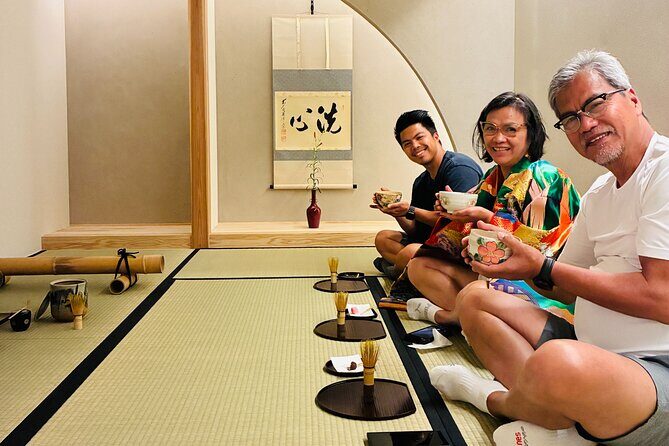
- Bring or wear socks. The ceremony asks you to do this, so don’t show up in bare feet or outside shoes you can’t remove.
- Chairs are available, but you should still expect some floor sitting depending on how the room is set for your group.
- The atmosphere is quiet once the session starts, so plan to arrive with a mindset that’s comfortable being still.
If you’re sensitive to sitting positions, this is the main “consideration” to weigh. The room setup includes both chairs and floor seating, but the crawl-in Nijiriguchi entrance confirms this is a traditional-style tea space.
Tea ceremony pacing: why the hour feels right
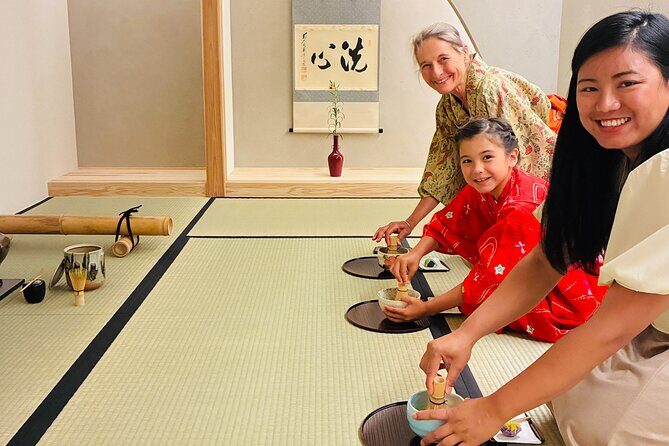
This session is designed to land in that sweet spot: long enough for meaningful instruction, short enough for a busy Kyoto day. Expect a flow that moves from introduction and customs, to demonstration, to hands-on whisking, to tasting and a relaxed finish.
What’s valuable is the balance between education and calm. The host explanations are meant to be accessible, with time for questions, and the room stays focused. If you want a break from Kyoto’s “see everything” energy, this is one of the better ways to slow down without sacrificing learning.
Buying matcha and utensils: practical souvenirs, not just photos
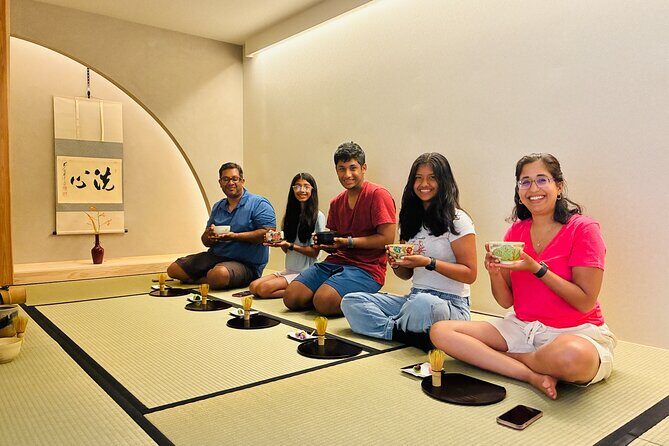
The venue notes that matcha, tea bowls, and select items are available for purchase. That matters if you want to practice at home after your session.
So yes, plan on the possibility of shopping—but in a controlled, intentional way. If you’re the type who likes to bring home something you’ll actually use, this is where that usually becomes possible: you’re buying tools that match what you learned.
Price value: what $32.77 includes (and why it’s fair)
At $32.77 per person, you’re paying for more than a tasting. The value comes from four things happening in one package:
- an expert-led step-by-step matcha lesson,
- hands-on time where you whisk and drink your own matcha,
- two cups total (host-made and your-made), and
- traditional seasonal Japanese sweets included.
Even if you’ve taken other food experiences in Kyoto, this one is a skill-builder. You’re not just consuming; you’re learning how to do a specific ritual action. That’s why the price feels reasonable for a short, high-instruction session.
Also, the small group cap (up to 10) supports the price. A lower crowd count usually means more attention per person during the hands-on part.
Who should book this Kyoto matcha tea ceremony?
You’ll likely enjoy this most if:
- you’re doing your first Kyoto tea ceremony and want a complete introduction,
- you want to learn matcha preparation in a way you can copy at home,
- you like quiet cultural activities with time to ask questions,
- you want a small-group setting rather than a bigger, scripted performance.
It may be less ideal if you strongly dislike strict timing rules or if sitting low (even if chairs are available) will be hard for you. The Nijiriguchi entrance is part of the experience, so if crawling in a low entry is a problem, you’ll want to think carefully.
Should you book Sanjo Chasuian’s Kyoto tea ceremony?
Yes—if you want a genuine, hands-on matcha lesson with the calm tone Kyoto is known for, this is a strong pick. The best reason to book is simple: you get to taste matcha twice and whisk your own cup, not just watch a demo.
Book it if you’re okay being a few minutes early, wearing socks, and staying quiet once the session starts. Skip it if you need flexible arrival time or you know floor seating and a crawl-in entrance won’t work for you.
If you’re building a Kyoto itinerary and you want one stop that’s both skill-focused and relaxing, this is exactly the kind of experience that pays off later when you’re making matcha at home.
FAQ
How long is the Kyoto tea ceremony session?
It lasts about 1 hour.
How many people are in the group?
The group size is capped at a maximum of 10 travelers/participants.
What’s included in the price?
You get two cups of matcha (one made by the host and one you make) and traditional seasonal Japanese confectionary.
Do I only watch, or do I make matcha too?
You do both. You’ll watch the host prepare matcha and then choose a bowl and whisk your own matcha.
How many cups of matcha will I drink?
You’ll enjoy two servings of matcha during the session.
What is the Nijiriguchi?
It’s a crawl-in entrance that leads into the tea room, helping set a quieter, more ritual-focused mood.
Do I need to bring socks?
Yes. You’re asked to bring or wear socks during the experience.
Is seating provided?
Chairs are available, though you may still find some floor sitting depending on the room setup.
Where is the meeting point?
The meeting point is at Tea Ceremony & Sake Tasting Kyoto – Sanjo Chasuian, 324-2 Sanjōchō, Nakagyo Ward, Kyoto, 604-8205, Japan.
What’s the cancellation policy?
You can cancel for free up to 24 hours in advance for a full refund. If you cancel within 24 hours, the amount paid is not refunded.
Is transportation included?
No. Private transportation and hotel transfers are not included, and there’s no transfer to the venue included.