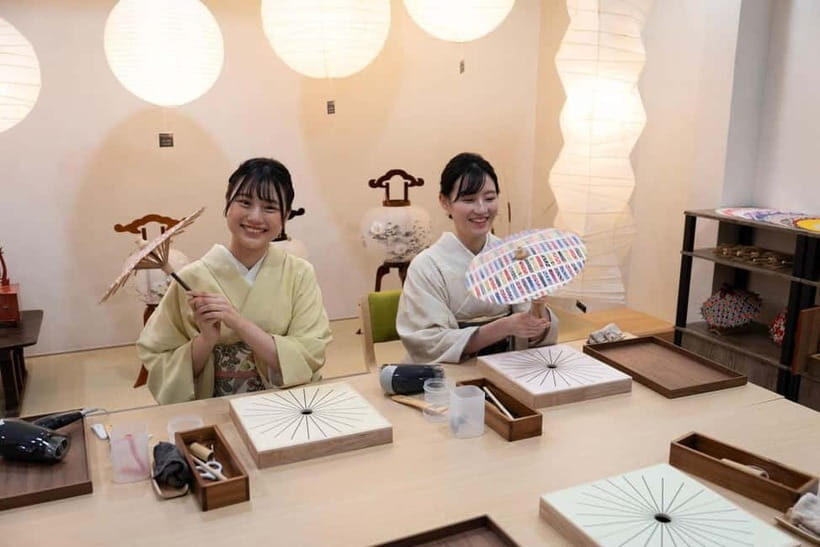
Make a tiny umbrella, learn a whole craft. In central Kyoto, you get hands-on instruction to create a mini wagasa using genuine Japanese materials, guided in a calm shop setting with traditional lights and displays.
What I like most is the skill transfer: instructors stay patient and helpful, including Ai Takenaka, so you can actually finish a finished piece you’re proud of. The other big win is the take-home value, since you get the umbrella plus a bamboo stand, a decorative box, and a carry bag. One consideration: making a mini umbrella takes real attention to detail, so it’s not a class for people who want a fast, casual souvenir.
In This Review
- Key things you’ll notice right away
- Traditional Mini Umbrella Workshop in Kyoto: What the 90 Minutes Is Really About
- Where You’ll Meet: Central Kyoto, 2 Minutes from Shijo-Kawaramachi
- The Workshop Flow: From Materials to a Finished Mini Wagasa
- A note on finishing touches (optional, extra fee)
- The Instructors: Patient Guidance Is the Real Luxury Here
- What You’ll Make: Designing a Mini Wagasa That Feels Personal
- Picking your design energy
- Included Take-Home Items: Why the $70 Feels Fair
- Optional finishing touches can change the final price
- Who This Workshop Is Best For (and Who Might Want Another Option)
- Practical Rules: Small Boundaries That Keep the Class Comfortable
- How to Fit It Into Your Day Around Shijo-Kawaramachi
- Should You Book the Kyoto Mini Umbrella Workshop?
- FAQ
- How long is the Kyoto Traditional Mini Umbrella Making Workshop?
- Where is the workshop located in Kyoto?
- What will I make and what materials are included?
- What take-home items are included?
- Is the workshop suitable for children?
- Can I add finishing touches, and is there help in English?
- Is wheelchair accessibility available?
- Is free cancellation available?
- Is pay-later available?
Key things you’ll notice right away
- A workshop style that feels calm and craft-focused (not a rushed factory stop)
- Instruction that centers on patience—you’ll be guided step by step
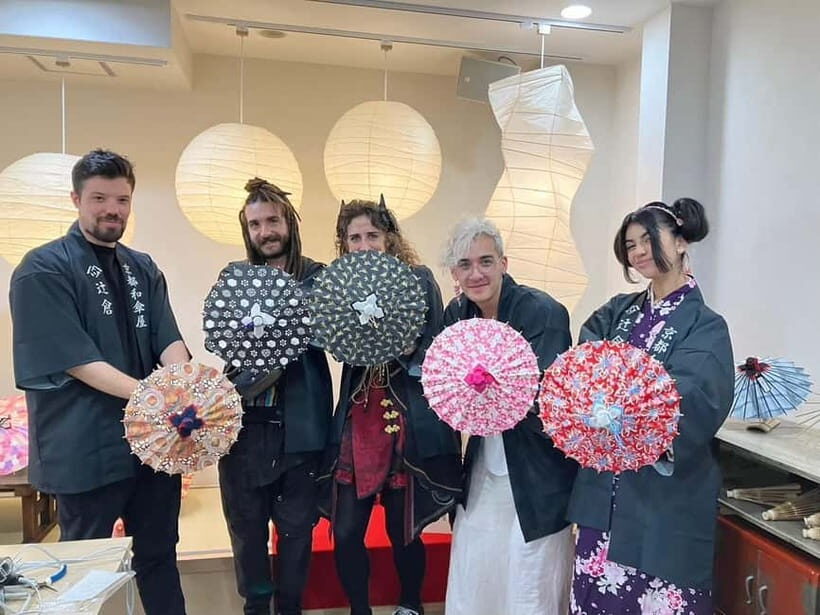
- Your own mini Japanese umbrella made from genuine Japanese materials
- Take-home presentation included, including a bamboo stand and carry items
- Optional finishing touches available for an extra fee
Traditional Mini Umbrella Workshop in Kyoto: What the 90 Minutes Is Really About
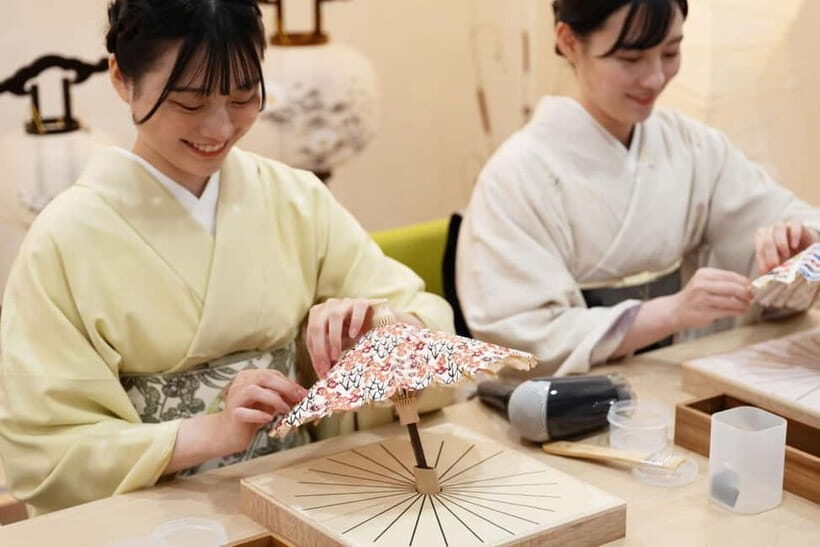
A mini umbrella sounds small. The experience isn’t.
This class is built around traditional wagasa-making at an umbrella shop known as Japan’s oldest umbrella shop. You’re not just watching. You’re making. That’s the point. You’ll spend about 90 minutes shaping and assembling your own mini hime wagasa, guided by an instructor who speaks Japanese and English.
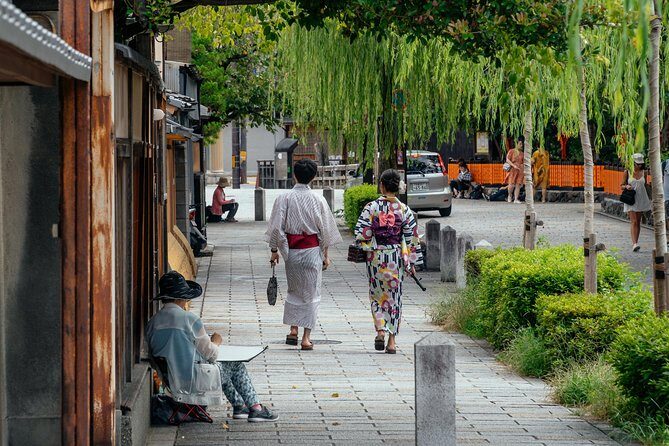
I like experiences like this because they teach you the rhythm of a craft—slow, careful, and precise—without needing you to already know the language or the techniques. And because it’s a Kyoto workshop (right by one of the city’s main shopping intersections), it’s an easy add-on to a day of temples and neighborhoods.
A few more Kyoto tours and experiences worth a look



Where You’ll Meet: Central Kyoto, 2 Minutes from Shijo-Kawaramachi
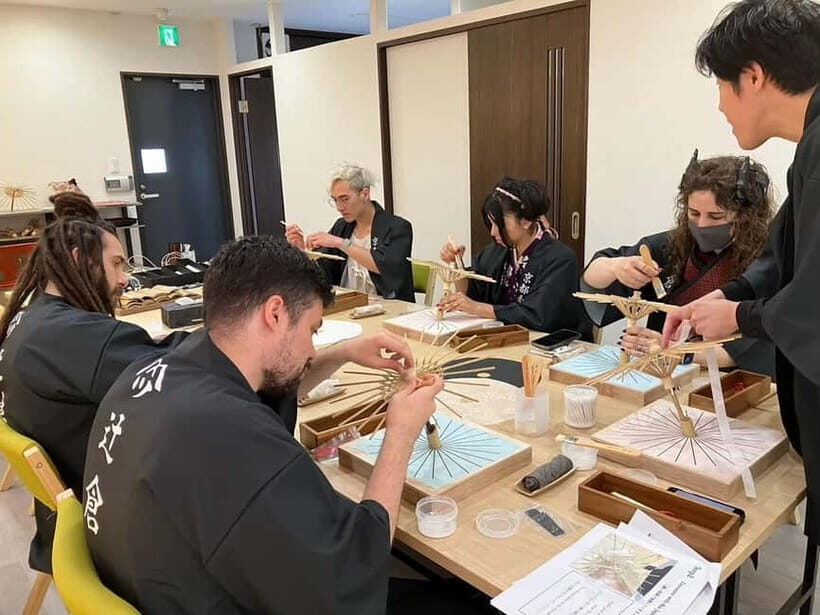
The meeting point is in central Kyoto, just a two-minute walk north from the Shijo Kawaramachi intersection. That matters more than you’d think.
If you’re spending time around Shijo Kawaramachi, you can drop into the workshop without a big transit plan. It also means you’ll likely have plenty of food and shops nearby before or after class. The workshop location is close enough that a late start doesn’t instantly derail your whole itinerary.
Also, the workshop is wheelchair accessible, which makes it one of the more practical “try-a-craft” options if you want something hands-on without relying on stairs or steep transfers.
The Workshop Flow: From Materials to a Finished Mini Wagasa
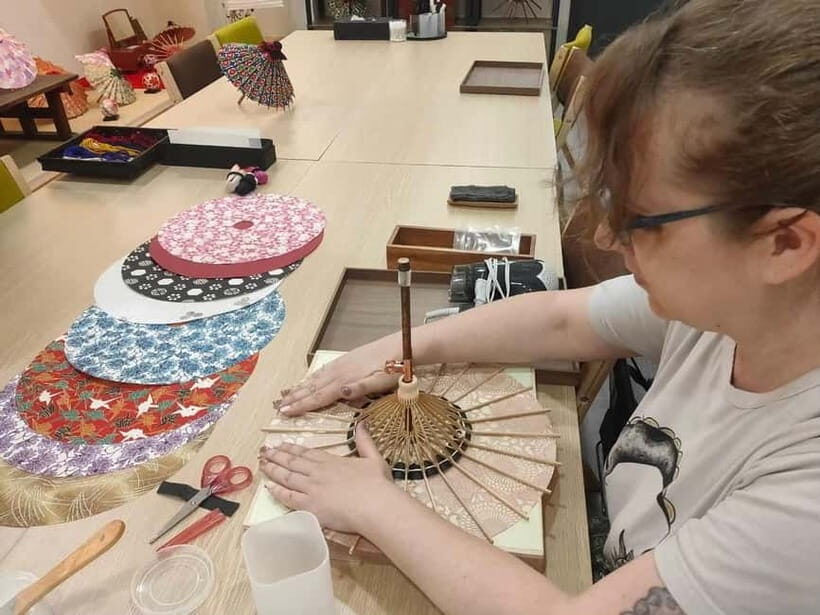
You’ll start once you arrive at the workshop space. Then you’ll move through a guided sequence that turns materials into a finished umbrella.
Here’s what the workshop focuses on, in plain terms:
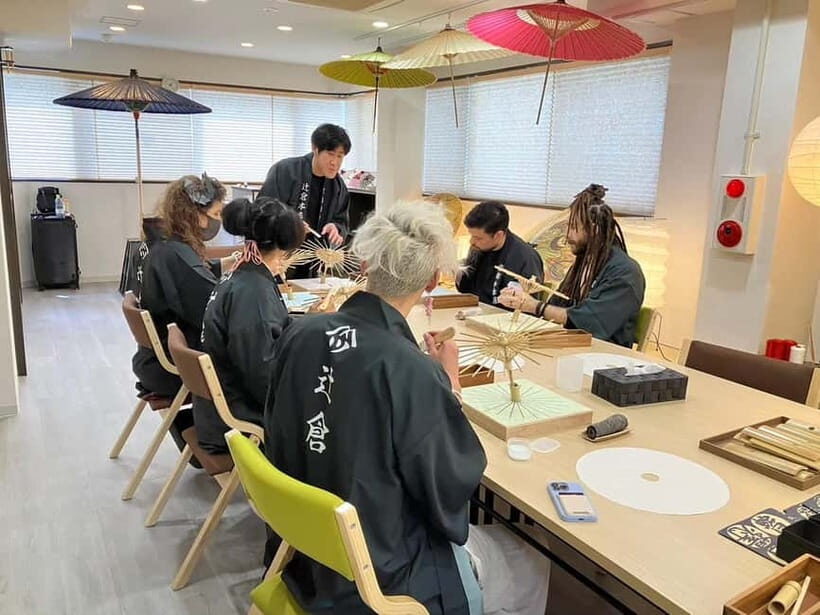
First, you learn the core steps of assembling a mini Japanese umbrella (called a hime wagasa in the description). Your instructor walks you through what you’re doing and helps you get the timing right.
Then comes the part where you’ll feel how craft work differs from typical souvenir shopping: shaping and assembling each component with care. The mini size doesn’t make it easier. It can actually make precision more important. One review noted that mini umbrellas require a lot of attention to detail, and that lines up with the “everything depends on the fit” feeling you get with handcrafted objects.
Finally, you’ll complete your umbrella and get set up for what comes next: display and carrying. You’re not leaving with an awkward, loose item. You’re leaving with presentation.
A note on finishing touches (optional, extra fee)
If you want the piece to look extra polished, the workshop offers an option to have a craftsman add finishing touches for an additional fee. This can be a good choice if you’re worried about matching the clean, final look you see in display umbrellas.
The Instructors: Patient Guidance Is the Real Luxury Here
In many Kyoto workshops, the room can feel a bit hectic. Here, the best part is the teaching style.
The workshop instructors are described as friendly and helpful, and multiple reviews highlight patience. People specifically call out how the guide helps with technique and the best way to complete the craft. Another review mentioned the class keeps your mind focused, which is exactly what you want when you’re working with careful steps.
One name you’ll see in the feedback is Ai Takenaka. The way the reviews describe the instruction fits what the workshop is promising: a friendly atmosphere where you can ask questions and slow down enough to do the work correctly.
English support is included (the instructor is listed as Japanese, English), so you’re not stuck guessing. Even if your Japanese is basic, you should be able to follow along.





What You’ll Make: Designing a Mini Wagasa That Feels Personal
The umbrella you make isn’t just a replica. You’re encouraged to design something that reflects your style while staying within the traditional format.
The workshop highlights call out a unique mini Japanese umbrella that embodies elegance and tradition. The “mini” part is key: you get the satisfaction of making something meaningful without needing hours and days like you’d see in longer craft apprenticeships.
You’re also making something with a cultural story attached. The umbrella is framed as a symbol of happiness, and part of the experience is the idea that you might gift your wagasa. That’s a nice shift from the usual “buy and go” mentality.
Picking your design energy
Your design choices aren’t described in detail (like specific pattern options), but the intent is clear: you’re creating a personalized piece. Even when you’re making something guided by tradition, personalization is what turns the class from a demo into a keepsake.
If you like crafts because you enjoy detail work, you’ll likely love this. If you like crafts because you enjoy the story behind objects, you’ll also enjoy it. The class hits both.
Included Take-Home Items: Why the $70 Feels Fair
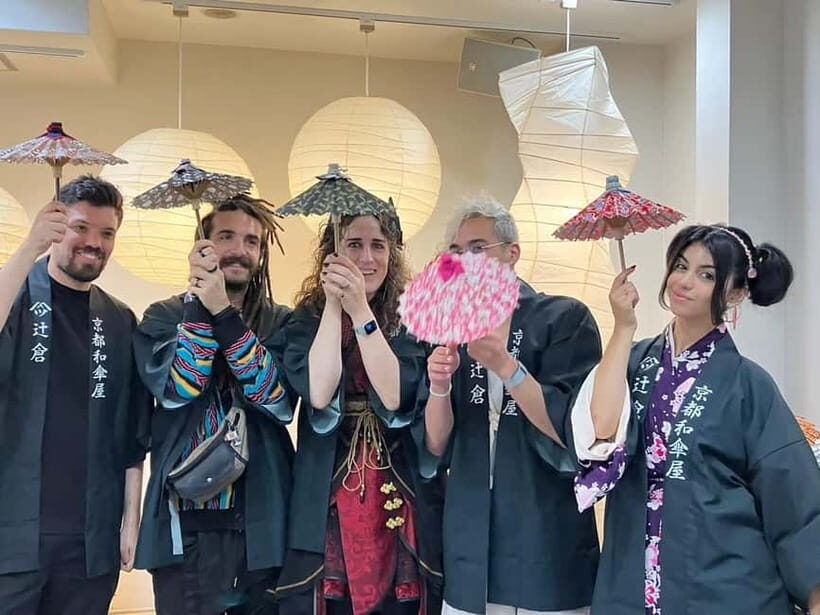
Let’s talk value, because $70 per person can feel like a lot until you understand what’s included.
You’re paying for:
- All materials to craft your own hime wagasa
- A bamboo umbrella stand to take home
- A decorative box and carry bag
That package is important. It means your umbrella isn’t just “finished.” It’s ready to display and transport. Bamboo stands are the kind of small detail that turns an umbrella into a showpiece rather than a folded item. And the decorative box and carry bag help protect your work after you leave Kyoto’s workshop and start moving through the rest of your trip.
Compare that to the cost of buying a similar souvenir umbrella that looks nice but won’t carry the maker story. Here, you’re paying for the skill time, the guided process, and the materials—then you take home the full display-ready set.
Optional finishing touches can change the final price
If you add the craftsman finishing option, your total spend goes up. But you’re also choosing a “best possible finish” route. If you’re the type who wants your final piece to look gallery-clean, it’s worth considering.
Who This Workshop Is Best For (and Who Might Want Another Option)
This is ideal if you:
- Want a hands-on Kyoto activity that’s more than a photo stop
- Like calm, focused work (and don’t mind slowing down)
- Enjoy crafts where the details matter
- Want a giftable souvenir with meaning
The workshop is not suitable for children under 6. So if you’re traveling with a mixed-age group, plan around that age limit. One review described a group with kids as young as 3, but the workshop policy still lists under-6 as not suitable—so it’s smart to check with the provider for your specific group situation.
It’s also a strong choice if you’re trying to balance culture with practicality. You don’t need a long day. At 90 minutes, it fits cleanly between sightseeing blocks.
Practical Rules: Small Boundaries That Keep the Class Comfortable
The workshop has straightforward rules: no smoking, no alcohol or drugs, and no explosive substances. Those aren’t unusual, but they do signal that the space is meant to stay calm and focused.
One more practical expectation: this is a craft, so you’ll be working carefully with your hands. The mini umbrella requires attention to detail, so plan to show up ready to concentrate.
How to Fit It Into Your Day Around Shijo-Kawaramachi
Because the meeting point is so close to Shijo Kawaramachi, I suggest treating this like a mid-day reset.
A good strategy is:
- Go shopping or eat nearby, then come to the workshop with a clear head
- After the class, use the carry bag and box to keep your umbrella safe while you continue exploring
This is also a useful activity on a day when the weather turns. A workshop like this doesn’t rely on long outdoor walking. It gives you a cultural experience even if you’re dealing with rain or a temperature shift.
Should You Book the Kyoto Mini Umbrella Workshop?
If you want a Kyoto souvenir with actual craftsmanship behind it, I think this workshop is a solid pick.
Book it if:
- You want to make something you can display back home
- You appreciate patient instruction and careful step-by-step work
- You like the idea of a wagasa with a happiness story you can share
Skip or reconsider if:
- You’re looking for a quick, low-effort activity
- You dislike detail-oriented work
- You’re traveling with children and need clarity on the under-6 suitability rule
For most people, the mix of hands-on crafting, excellent guidance, and take-home display value makes this one of the more worthwhile “make it yourself” experiences in Kyoto.
FAQ
How long is the Kyoto Traditional Mini Umbrella Making Workshop?
The workshop lasts 90 minutes.
Where is the workshop located in Kyoto?
It’s in central Kyoto, about 2 minutes’ walk north from Shijo Kawaramachi.
What will I make and what materials are included?
You’ll craft your own Hime Wagasa (traditional mini Japanese umbrella). The class includes all materials you need.
What take-home items are included?
You receive a bamboo umbrella stand, plus a decorative box and a carry bag for your umbrella.
Is the workshop suitable for children?
It’s not suitable for children under 6 years.
Can I add finishing touches, and is there help in English?
Yes. You can opt for a craftsman to add finishing touches for an additional fee. The instructor is listed as Japanese and English.
Is wheelchair accessibility available?
The workshop is wheelchair accessible.
Is free cancellation available?
Yes—free cancellation up to 24 hours in advance for a full refund.
Is pay-later available?
Yes. You can reserve now and pay later, paying nothing today.