Kyoto feels complicated. This makes it simple.
On this private guided 7-hour highlights tour, I like that you get one-on-one context while you move through Kyoto’s top sights without the usual guesswork. I also like the clear structure of the northwest vs. southeast routes, so you can match the day to your interests. One possible drawback: you’ll do a fair amount of walking and stairs at temples, so plan comfy shoes and take your time when crowds build.
The tour starts at 09:00 from the Hotel Granvia Kyoto in the JR Kyoto Station building and ends at 16:00 near Gion, the geisha district. You also get a 1-day bus pass that you can use after the tour, which helps if you want to keep exploring on your own. It’s also set up as a focused day: you visit major attractions, then step into the vibe of Gion right when the light and evening energy start to shift.
In This Review
- Key things to know before you go
- How a 7-hour private day in Kyoto actually works
- Starting at JR Kyoto Station and getting moving fast
- Northwest route: Bamboo Grove, Ryoanji rock garden, Golden Pavilion, and the castle-or-market choice
- Bamboo Grove
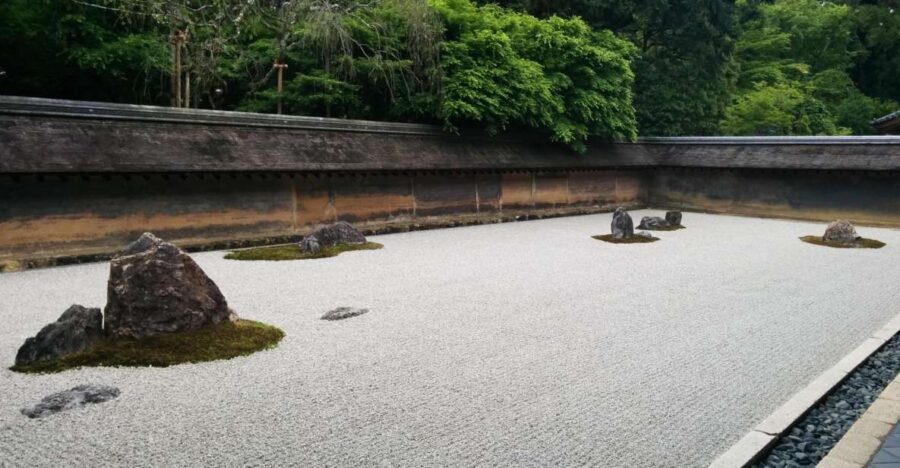
- Ryoanji Temple’s rock garden
- Golden Pavilion
- Nijo Castle or Nishiki Market
- Southeast route: Sake brewery, Fushimi Inari, Sanjusangendo, Kiyomizudera, and the Ninenzaka/Sannenzaka slopes
- Sake brewery stop
- Fushimi Inari Taisha
- Sanjusangendo Temple
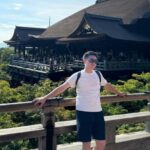
- Kiyomizudera Temple
- Ninenzaka or Sannenzaka slopes
- Why the Gion finish at 16:00 is a smart move
- Price and value: what you’re really paying for at $215 per person
- Guides, pacing, and the “few mistakes” factor
- Who should book this Kyoto private highlights tour
- Should you book it
- FAQ
- What time does the tour start and end?
- Where do I meet the guide?
- Which route should I choose: northwest or southeast?
- How many places will I visit?
- What’s included in the price?
- What isn’t included?
- Can I cancel and get a refund?
Key things to know before you go
- Private licensed guide: You get English commentary tailored to your pace, not a group script.
- Two route options: Northwest for bamboo, Zen, the Golden Pavilion, and a castle or Nishiki Market; southeast for Fushimi Inari, sake, classic temples, and the slopes.
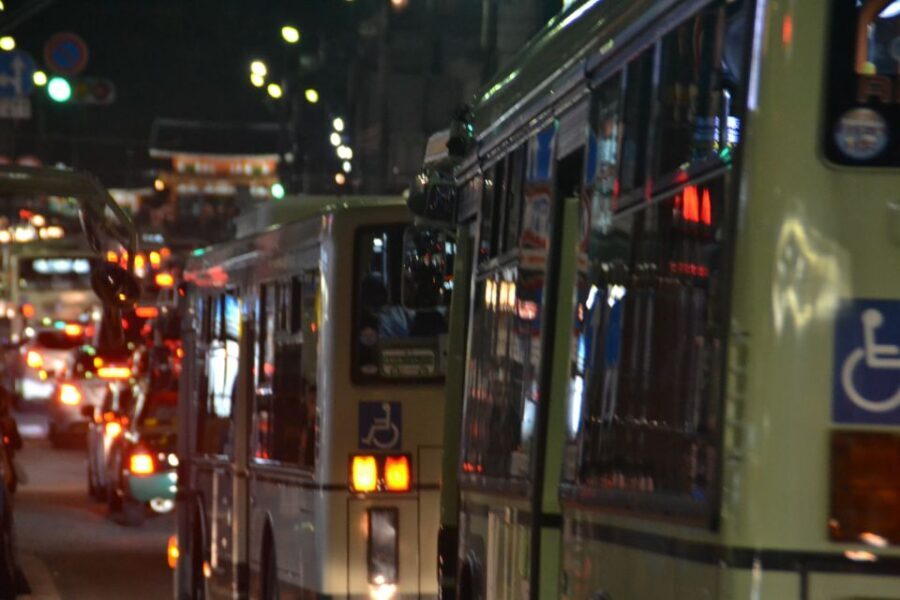
- Designed for transit ease: Transportation is included, plus a bus pass for what you do next.
- Temple entrance fees included: You won’t have to manage many ticket moments at temple stops.
- Finish near Gion at 16:00: Easy to continue into the evening with a dedicated Gion night plan.
How a 7-hour private day in Kyoto actually works
A Kyoto highlights day can turn into a stamina test: crowded trains, confusing bus routes, and ticket lines everywhere. This tour cuts that stress by giving you a private licensed guide plus transportation, and by building the day around a route you choose at booking time.
The timing is practical. A 09:00 start means you beat some of the worst crush at your first major stop. By mid-afternoon, you’re finishing close to Gion, which is a smart choice because Kyoto sightseeing tends to feel best when you can wander a little afterward. You’re not locked into a constant back-and-forth shuffle; instead, you’re moving along an efficient path.
One more detail that matters: it’s set up so you can take just one route or, if you want more variety, take both routes at a relaxing pace to see 8 different locations across the two days. That’s a good fit if you hate the idea of cramming everything into one rushed day.
Finally, the vibe: this is not just a photo checklist. The guides are praised for giving historic and cultural context in a way that helps you connect what you’re seeing to how Kyoto works. Names that have come up include Mie and Choco/Choca, plus Mei, and the consistent theme is that conversations feel natural, not like you’re being lectured.
Other guided tours in Kyoto
Starting at JR Kyoto Station and getting moving fast
You meet at a central, easy-to-find spot: the tour begins at 09:00 at the Hotel Granvia Kyoto, located inside the JR Kyoto Station building. This is a big deal in Kyoto, where “close” can still mean a confusing walk and a waiting time you didn’t plan for.
Because pickup is arranged from a centrally located meeting point, you don’t have to worry about hailing the right bus or matching your schedule to transit gaps. Transportation is included in the tour, and you also get a 1-day bus pass that you can use after the guided portion ends. That pass can help you keep your momentum without having to re-plan every ride once you’ve reached Gion.
Here’s the practical tip I’d give you: before the tour starts, take a minute to confirm where you’ll be dropped or where you’ll pick up the bus pass paperwork. The tour ends at 16:00 near the Gion area, and the meeting point is described as ending back at the meeting point. In plain terms, you should expect an easy transition back to where you can continue exploring.
Also, language matters. This experience is offered in English, and the private format means the guide can help you avoid misunderstandings later in the day. In Kyoto, small navigation mistakes can cost time and patience, so getting your bearings early is worth a lot.
Northwest route: Bamboo Grove, Ryoanji rock garden, Golden Pavilion, and the castle-or-market choice
Pick the northwest-bound itinerary if you want a classic Kyoto combo of nature, Zen, and “wow” architecture, plus either a historic castle experience or a lively market stop.
Bamboo Grove
The day often begins with the bamboo area, where you’ll notice immediately why this spot is famous. Even when crowds gather, the scale and geometry of bamboo makes it feel quietly special. The guide’s context is usually what turns a pretty scene into a meaningful stop: you learn what you’re looking at and why this style of setting matters in Kyoto culture.
Practical note: the bamboo stop can be visually intense but time-limited. If you want longer photos or a slow walk, it helps that you’re with a private guide, so you can pace yourself a bit more comfortably than on a bus tour.
Ryoanji Temple’s rock garden
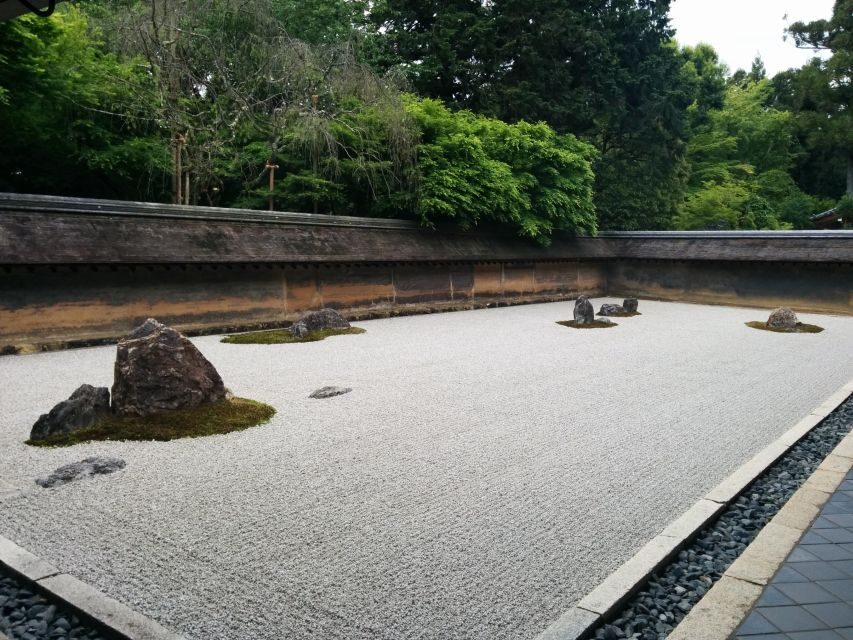
Next is the Rock Garden at Ryoanji Temple. This is where Kyoto sightseeing becomes more than snapping pictures. The garden is famous for how it invites contemplation. You’ll likely spend time looking closely, and a good guide helps you notice what you’d otherwise miss.
A consideration here: this style of viewing can be slow, and you’ll also likely be near other visitors. If you don’t like quiet, patient spaces, you may find it slower than your usual museum pace. But if you do enjoy “look again” moments, it’s one of Kyoto’s best uses of time.
Other private tours in Kyoto


Golden Pavilion
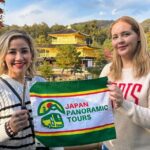
Then comes the Golden Pavilion, a stop that delivers immediate visual payoff. The guide can help you understand the symbolism and the setting, so it lands as more than just a photo spot. This is the type of place where people take the same angle over and over; with a private guide, you can shift your plan and spend your time more intentionally.
One drawback to plan for: this area can be crowded around peak hours. Your earlier start helps, but you should still expect a steady flow of visitors.
Nijo Castle or Nishiki Market
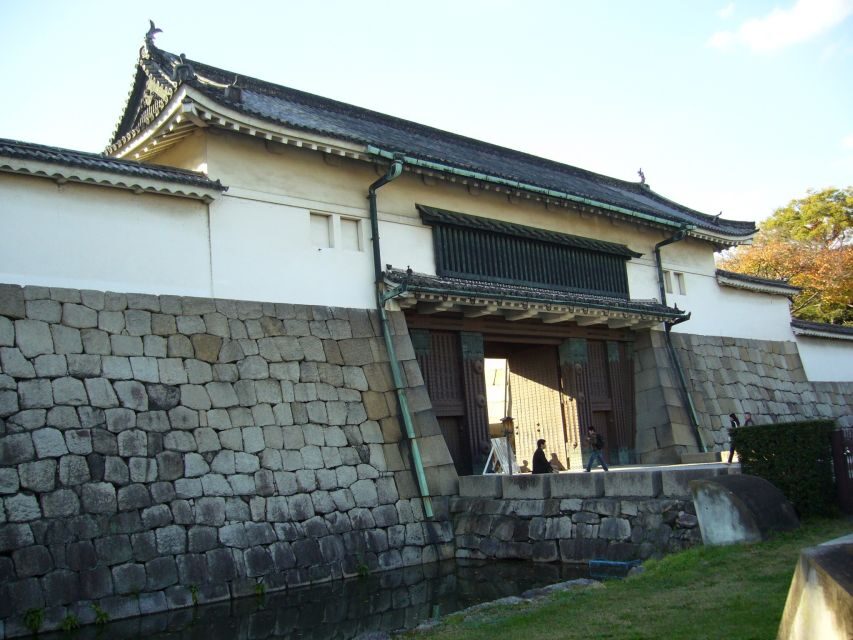
The itinerary gives you a choice here: Nijo Castle or Nishiki Market. This is a genuine decision point.
- Choose Nijo Castle if you want historic structures and the sense of Kyoto’s political past.
- Choose Nishiki Market if you prefer a sensory stroll and shopping energy where you can snack and browse at your own speed.
One caution: your temple entrance fees are included, but the specific included fees for non-temple stops aren’t spelled out. If Nijo Castle is important to you, it’s smart to double-check what’s covered so you’re not surprised by ticket costs.
Southeast route: Sake brewery, Fushimi Inari, Sanjusangendo, Kiyomizudera, and the Ninenzaka/Sannenzaka slopes
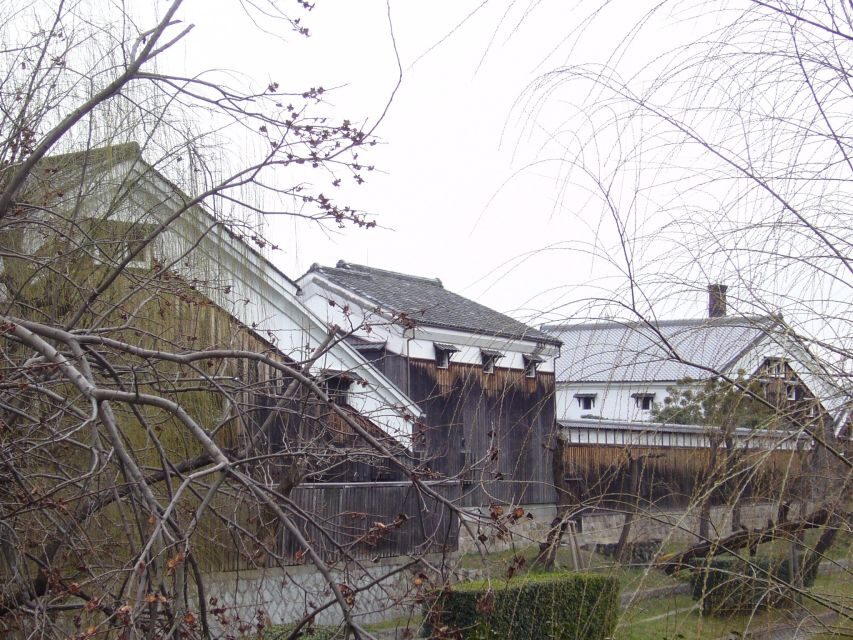
If the northwest route feels like nature and Zen, the southeast option feels like Kyoto’s spiritual center, plus a strong dose of street atmosphere.
Sake brewery stop
The southeast route starts with a sake brewery. This is a fun way to add something you can’t get from a quick temple-only itinerary. It gives you a taste of Kyoto’s craft culture, and it also sets you up to understand later stops through a broader cultural lens.
A practical thought: if you’re sensitive to smells or crowds, a brewery stop might feel more enclosed than an outdoor shrine. Plan to move slowly through the space and don’t rush your questions. A private guide is the advantage here.
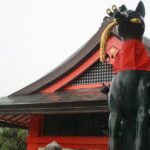
Fushimi Inari Taisha
Next is Fushimi Inari Taisha, famous for its torii gates and the feeling of walking through a shrine corridor. This is one of those sites where the “main view” is only half the story; the real magic is the path and the way you gradually register the scale.
A consideration: if you choose the route when lines and crowds are thick, you may find the beginning packed. Starting at 09:00 helps, but you should still accept that it’s a popular stop. The upside is that a guide can help you move through efficiently and keep the experience from feeling chaotic.
Sanjusangendo Temple
Then you’ll visit Sanjusangendo Temple. This stop is known for its intense visual presence and deep religious meaning. The value of having a guide is that you won’t just see something impressive; you’ll understand the why behind it, which changes how you remember it later.
Kiyomizudera Temple
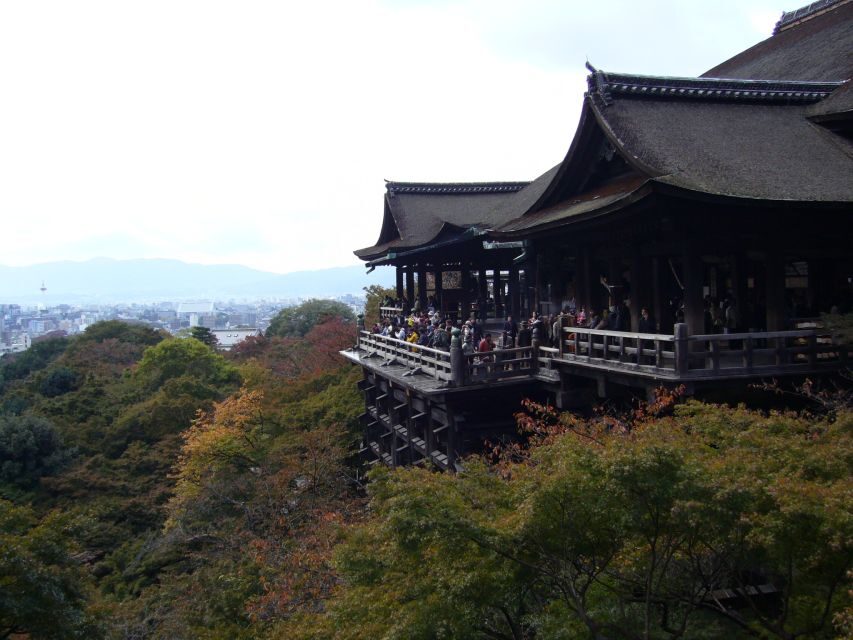
After that is Kiyomizudera Temple, one of Kyoto’s most recognizable names. Expect classic temple atmosphere and a layout designed for people to circulate, pause, and take in views. This is another stop where stairs and walking add up, so it’s worth pacing yourself and letting your guide help you choose the route through the complex.
Ninenzaka or Sannenzaka slopes
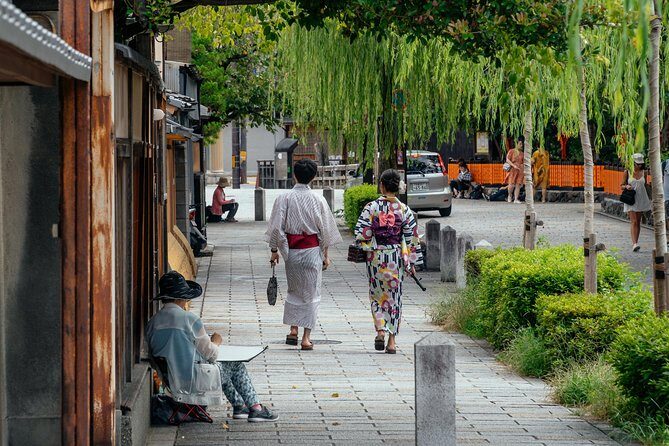
Finally, you finish with Ninenzaka or Sannenzaka slope, the stone-paved lanes that feel like Kyoto in miniature. This is the part where you slow down. You’ll likely get a chance to notice textures, shops, and the “old street” rhythm that makes these areas so memorable.
And the timing matters: after this, you head toward Gion territory by 16:00.
Why the Gion finish at 16:00 is a smart move
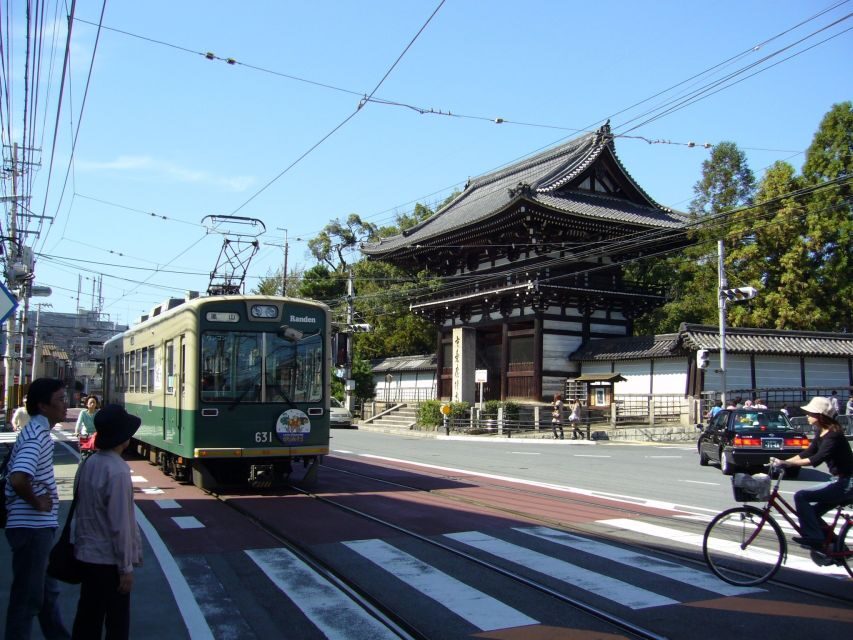
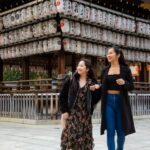
Ending near Gion at 16:00 is one of the quiet best decisions in this tour design. Late morning temple crowds are one thing; a mid-afternoon arrival in Gion gives you the option to linger when the atmosphere shifts.
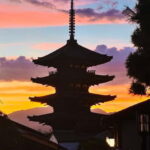
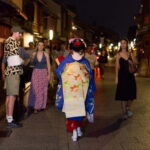
You’re also recommended to take part in Night Walk in Gion, which makes sense because Gion is designed for night lighting and slow wandering. If you like the idea of seeing Kyoto in a different mood, this pairing can be a high-value combo. Even if you don’t do the night walk, finishing here puts you in the right zone to keep the day feeling like Kyoto, not just a set of monuments.
Practical tip: don’t force your schedule to “tick off” every street right away. With a private tour, you’ve already covered big landmarks. In Gion, you’ll enjoy the details more if you give yourself time to wander at human speed.
Price and value: what you’re really paying for at $215 per person
At $215 per person, this isn’t the cheapest way to see Kyoto. But it also isn’t pretending you can get the same experience by yourself with no effort.
Here’s what the price buys you, in plain terms:
- A private licensed guide in English
- Transportation during the tour
- Entrance fee for temples
- 1-day bus pass that you can use after the tour
The big value is time and decision-making. In Kyoto, the cost of being slightly off schedule is often more painful than the cost of a guided day. A private guide helps you avoid wrong turns, reduces the friction of transit planning, and gives context that makes photos more meaningful.
I also think the private format improves the day’s flow. The guides are praised for friendly, engaging conversation and for helping foreigners avoid later mistakes with navigation and local transportation. If you want a Kyoto day that feels smooth and organized, this price starts to look reasonable.
One caution on value: since temple entrance fees are specified as included, but not every possible stop is clearly described as covered, you may still want to confirm what tickets are included for your chosen castle or market option. That way, your budget stays tidy.
Guides, pacing, and the “few mistakes” factor
The biggest theme from the experience is that the guide isn’t just there to point. It’s the human pace that changes everything. Names like Mie, Choco/Choca, and Mei come up for strong historic context, friendly energy, and the ability to keep the day lively without rushing.
What I like about that for you is simple: one-on-one conversation means you can ask questions as you go. Kyoto has a lot of vocabulary—temple types, shrine terms, architecture details—and it’s easy to feel lost if you’re reading signage alone. With a guide, your brain gets the quick explanations right when you need them.
Pacing is another quiet win. The tour is described as leisurely yet engaging, and it’s designed to be comfortable enough that you can think while you walk. In a city where every stop can feel like a sprint, that calm pace matters.
If you’re traveling as a couple or small group, private touring can be a smart way to control the day. If you’re traveling solo, it can feel like you’ve got a personal translator for Kyoto logic, not just a sightseeing companion.
Who should book this Kyoto private highlights tour
This tour is a great match if you:
- Want major Kyoto icons without planning every step
- Prefer a private English guide and conversation over group pacing
- Like getting context that makes temples and gardens feel connected, not random
- Would rather finish near Gion and keep exploring than end stuck at a transit hub
It’s also a good fit if you’re the type who likes to choose your route based on mood: northwest for bamboo, Zen calm, Golden Pavilion, and either a castle or a market; southeast for sake culture, shrine energy at Fushimi Inari, big temple names, and the traditional slope streets.
If you’re the kind of traveler who hates walking and stairs, you should take extra care with planning shoes. Temples and shrine grounds generally involve stepped areas and uneven paths, and this day includes multiple sites of that type.
Should you book it
I think you should book this tour if you want Kyoto’s top hits handled with a guide, plus a schedule that leaves you time to enjoy the city afterward. The price makes sense when you factor in private guiding, transportation, temple entrance fees, and the bus pass that stretches the value beyond the 7-hour window.
Choose it especially if you:
- Want less friction and fewer navigation headaches
- Enjoy asking questions and getting context on what you’re seeing
- Plan to keep exploring after 16:00, ideally with a Gion evening plan
If you want zero structure, maximum free roaming, and you already feel confident planning routes and tickets alone, you might find a self-guided day works. But if you want Kyoto to feel organized and meaningful, this private highlights setup is hard to beat.
FAQ
What time does the tour start and end?
It starts at 09:00 from the Hotel Granvia Kyoto in the JR Kyoto Station building and ends at 16:00 near the Gion area.
Where do I meet the guide?
The meeting point may vary depending on the option booked. The tour start location is stated as Hotel Granvia Kyoto in the JR Kyoto Station building.
Which route should I choose: northwest or southeast?
Choose based on what you want to prioritize. The northwest route includes bamboo, Ryoanji rock garden, the Golden Pavilion, plus either Nijo Castle or Nishiki Market. The southeast route includes a sake brewery, Fushimi Inari Taisha, Sanjusangendo, Kiyomizudera, and Ninenzaka or Sannenzaka slope.
How many places will I visit?
The tour visits multiple major Kyoto attractions. The northwest route covers Bamboo Grove, Ryoanji (rock garden), the Golden Pavilion, and either Nijo Castle or Nishiki Market. The southeast route covers the sake brewery, Fushimi Inari Taisha, Sanjusangendo, Kiyomizudera, and Ninenzaka or Sannenzaka slope.
What’s included in the price?
Included items are pickup at a centrally located meeting point, a private licensed guide, entrance fee for temples, transportation, and a 1-day bus pass for use after the tour as well.
What isn’t included?
Food and drinks are not included, and hotel pick-up and drop off aren’t included beyond the tour’s stated meeting point arrangements.
Can I cancel and get a refund?
You can cancel up to 24 hours in advance for a full refund. Otherwise, cancellation fees apply: 50% charged 2 days before the tour, and 100% charged 1 day before the tour or on the same day.