Gold repairs, wearable and quietly moving.
This kintsugi jewelry workshop turns broken ceramics into jewelry you can actually wear, not just admire. I like the way the instructor walks you through each step with patience (the vibe stays calm even when you’re slow), and I like the big menu of choices—pottery shards plus colorful natural stones, pearls, and even stained-glass options—so your final piece really feels one-of-a-kind. You’ll also get the meaning of kintsugi in Japanese culture and how it connects to wabi-sabi.
One thing to plan for: there’s no parking at the atelier, and the street directly in front is a narrow alley that isn’t for vehicles. So you’ll want to arrive on foot from the nearby station and be okay with a short walk.
In This Review
- Key moments you’ll care about
- Why this workshop feels different from the usual Kyoto activity
- Your 100-year-old townhouse workshop setup near Fushimi Inari
- How kintsugi jewelry works: lacquer, gold powder, and patience
- Picking pottery types and stones: this is where your piece becomes yours
- Pottery shards you can select from
- Stone and material choices
- What you’ll make: earrings, rings, brooches, and more
- Learning the meaning of repair while you create
- Timing and what “150 minutes” really means in your day
- Price and value: what $106 buys you (and why it’s not just a bargain craft)
- Getting there without stress: walk from Inari Station or Ryukoku Daimae-Fukakusa
- Who should book this workshop—and who might not love it
- Should you book it?
- FAQ
- How long is the kintsugi jewelry workshop?
- What is included in the price?
- What languages is the workshop taught in?
- Can I take my jewelry home the same day?
- Is the class designed to help with allergies?
- Is parking available at the atelier?
- Is the workshop wheelchair-friendly?
- Can I cancel and get a full refund?
Key moments you’ll care about
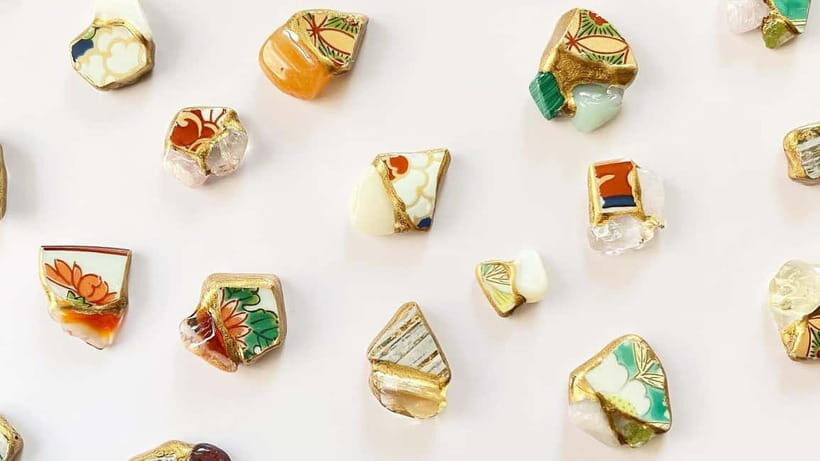
- A small group (max 10) so you get real help, not just a lecture
- Synthetic lacquer + gold powder for the classic kintsugi look, with allergy considerations in mind
- Pick from multiple pottery styles like Arita, Karatsu, Oribe, Kyoto, Shigaraki, and Hagi
- Accessories beyond rings: earrings, brooches, tie pins, cufflinks, and more
- A 100-year-old Kyoto townhouse setting, about a 3-minute walk from Fushimi Inari Taisha
Why this workshop feels different from the usual Kyoto activity
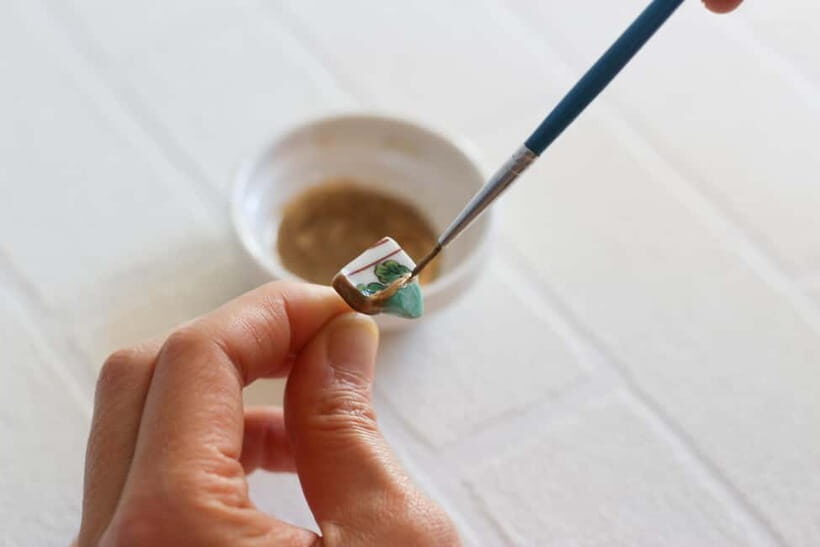
Kyoto has plenty of things to see, but this is one of the few that slows you down on purpose. The craft is tactile and step-by-step, so you’re not just watching—you’re making choices that become part of your jewelry. When you’re done, you’re left with an object that carries “repair” in the story, which is exactly what kintsugi is about.
It also makes a smart contrast to shrine-and-street days. If your Kyoto plan is crowded with photo stops, this is the break where your hands do the work and your brain gets quiet. The workshop runs 150 minutes, and with a small group, it doesn’t feel like you’re competing for time at a shared table.
A few more Kyoto tours and experiences worth a look
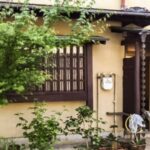


Your 100-year-old townhouse workshop setup near Fushimi Inari
The workshop happens in a traditional, one-story Kyoto townhouse in a calm neighborhood corner. Look for a one-story home with a white noren curtain at the entrance. That 100-year-old building matters more than it sounds—everything feels intimate and residential, like you stepped into someone’s craft space rather than a factory classroom.
Location is a big plus. It’s about a 3-minute walk from Fushimi Inari Taisha, so after you finish, you can pop out for the sights without trekking across town. It’s also convenient for that classic Kyoto problem: you find yourself near Fushimi Inari, then you realize you have hours to fill. This gives you a meaningful, hands-on way to spend that time.
A small practical note: you’ll be walking in from the nearest stations. There’s no parking, and the front street is described as a narrow alley not suitable for vehicles. If you’re coming by taxi or rental car, just plan to switch to walking for the last part.
How kintsugi jewelry works: lacquer, gold powder, and patience
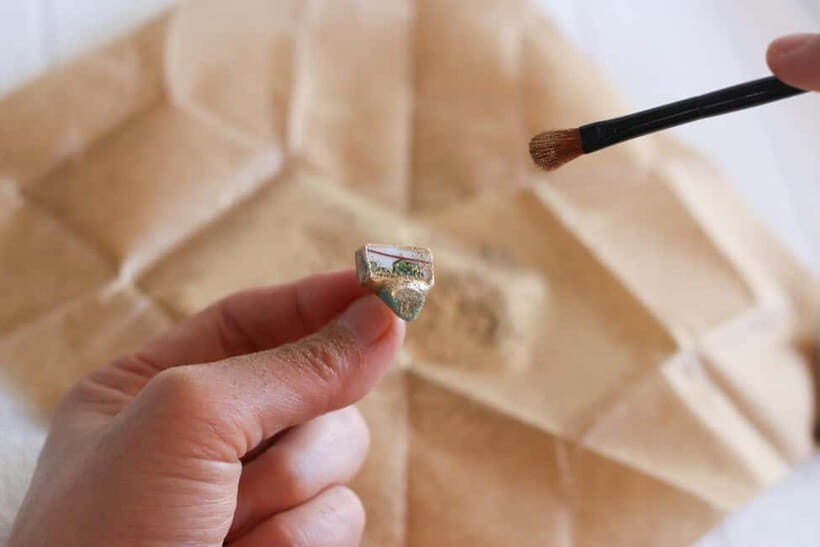
At the heart of the class is kintsugi—the traditional Japanese technique for repairing broken ceramics. Here, that idea gets translated into wearable art. You’re not just gluing shards together; you’re learning the logic of the method: repair lines are part of the design, often finished with gold so the break becomes a feature.
This workshop uses synthetic lacquer plus gold powder. That’s important for practical reasons. Synthetic lacquer is specifically noted as being used to avoid allergic reactions, which is a reassuring touch if you’ve ever reacted to strong adhesives or craft materials.
You’ll also learn the cultural meaning behind the technique. The instructor covers the history and significance of kintsugi in Japanese culture, plus the connection to wabi-sabi. Translation: you’re not only learning a craft trick; you’re learning why people value repair and imperfection.
And yes, the pace is humane. In the experience notes and participant comments, the instructor is calm and patient, and the class doesn’t feel rushed. One person even said the instructor spent nearly double the allocated time without pressuring. That’s the kind of environment where you can move carefully, make decisions slowly, and actually enjoy the process.
Picking pottery types and stones: this is where your piece becomes yours
The most fun part is the choosing. You start with a set of options built around broken pottery pieces and then build your design from there.
Pottery shards you can select from
You can choose pottery shards from several recognizable Japanese styles, including:
- Arita
- Karatsu
- Oribe
- Kyoto
- Shigaraki
- Hagi
Even if you don’t know the look of these styles yet, you’ll see fast that each fragment has its own character—color, glaze texture, and pattern. The class lets you treat the shard like a “main stone,” then surround it with the right jewelry setting.




Stone and material choices
You’re also choosing natural stones and can add options such as:
- shells and pearls
- stained glass
- other stone selections listed for the workshop
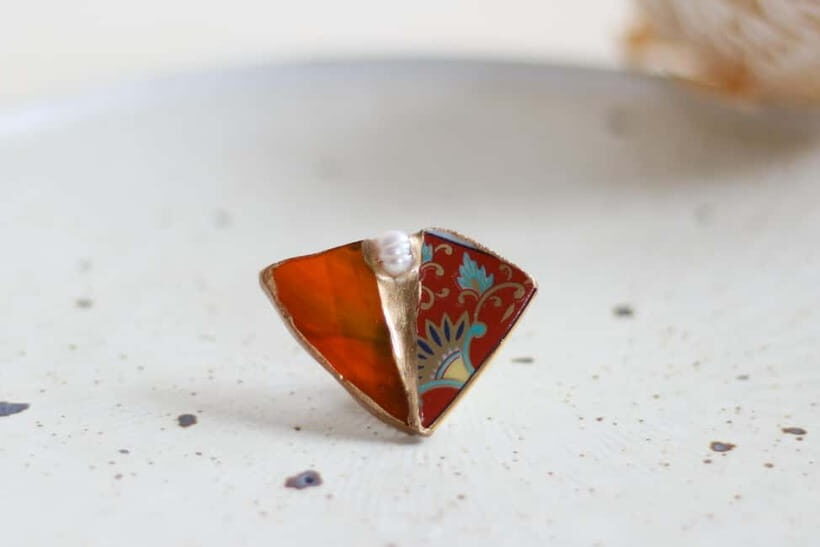
This variety is what creates the one-of-a-kind outcome. Kintsugi itself makes the break visible, and then your materials add personality—bright color, soft glow, or a more subtle, earthy feel.
A good tip: don’t only think about what looks pretty in your hand. Think about how the shard line and gold finish will read when the piece moves. Jewelry isn’t static art—it catches light differently as you wear it.
What you’ll make: earrings, rings, brooches, and more
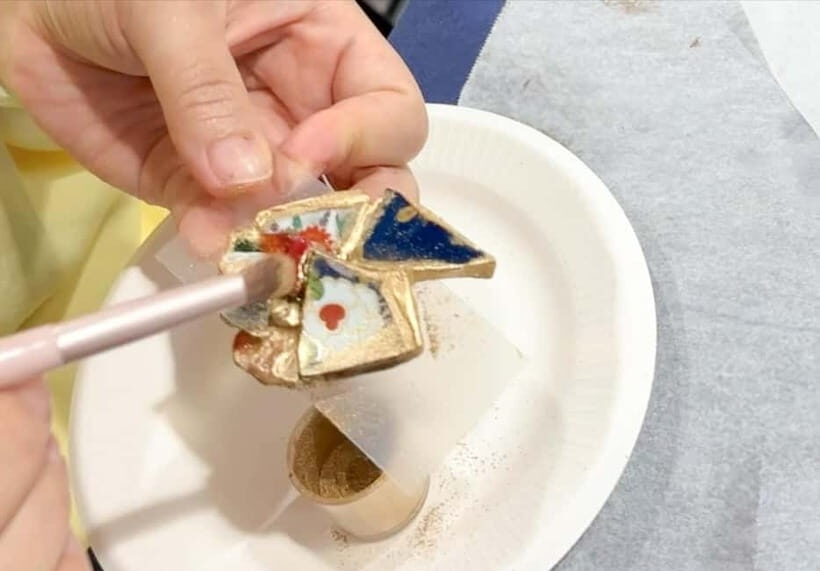
The workshop includes a choice of accessory types, so you’re not forced into a single jewelry format. Depending on what you pick, you could make items like:
- earrings
- rings
- necklaces
- brooches
- tie pins
- cufflinks
- and more options listed for the workshop
You can also decide how many pieces you want to focus on. Some participants reported finishing multiple pieces, including two jewelry items, thanks to the time and instruction pace.
Because your base is a shard of pottery, your design can lean sculptural. The final look often has a ceramic-and-gold “linework” effect that feels very Japanese, but still modern enough to wear with everyday outfits.
One practical upside: you’ll be guided through the steps, so even if you’re not crafty, you’re not left on your own with supplies. The instructor gives assistance throughout, and the small group size helps with that.
Learning the meaning of repair while you create
This isn’t a purely decorative workshop. The instructor explains how kintsugi became meaningful in Japanese culture and how it connects to wabi-sabi—the idea that value can live in imperfections.
That matters for how you’ll remember the experience. A souvenir purchased off a shelf is forgettable after the shopping dopamine fades. A handmade piece made from broken ceramic shifts the story from consumer to maker. You leave with an object that feels like proof you slowed down and made something on purpose.
If you’re the kind of person who enjoys crafts but wants them to feel grounded in culture, this is a strong match. You’re learning a technique with cultural context, not just copying a craft trend.
Timing and what “150 minutes” really means in your day
The total duration is 150 minutes, and it’s set up to balance instruction with hands-on building. In a class like this, you’ll typically spend time at the beginning understanding materials and the repair process, then doing the fun part: choosing shards and stones and assembling your design.
The biggest timing benefit is that you can take home your creation on the same day. That turns the workshop into a real plan element, not a “come back later” hassle. It also helps if your Kyoto itinerary is tight—this gives you a full activity block that ends with a tangible result.
One more plus: people described it as a great option on a rainy day. If Kyoto weather turns, you want activities that don’t require long walking stretches or last-minute ticket scrambling. This one is indoors in a cozy setting, and the work itself stays engaging even when the city feels gray outside.
Price and value: what $106 buys you (and why it’s not just a bargain craft)
The price is $106 per person for 150 minutes. That sounds like a craft class, but the value comes from a few specific things built into the workshop:
- Materials are included, including synthetic lacquer and gold powder
- You get choice of pottery shards and natural materials (stones, shells, pearls, stained glass options)
- You receive instructor assistance through the making process
- Small group size (max 10) keeps attention on you, not just the room
In other words, you’re paying for the materials and the guidance that turns fragile ceramic shards into something wearable. If you like making things, the take-home result is the whole point—and it’s not a generic bracelet kit. Your design choices directly affect what you leave with.
Getting there without stress: walk from Inari Station or Ryukoku Daimae-Fukakusa
Your closest stations are:
- a 5-minute walk from Keihan Ryukoku Daimae-Fukakusa Station
- or a 5-minute walk from JR Inari Station
From there, use the provided photo route (there’s no parking at the atelier, and the street directly in front is narrow). The entrance is easy to spot once you’re there—look for the traditional townhouse feel and the white noren curtain.
If you’re arriving late morning or afternoon, plan a calm start. You’ll do better if you show up not rushing, because kintsugi work rewards patience.
Who should book this workshop—and who might not love it
You’ll probably love this class if:
- you want a hands-on Kyoto experience that produces a real keepsake
- you like crafts, but also care about cultural context
- you enjoy slow, precise work
- you want a break from temples and crowds
- you want jewelry made from upcycled broken ceramics
There’s one clear mismatch from the provided info: it’s not suitable for wheelchair users. If mobility access is a concern for you, skip this one and look for a different workshop format.
Should you book it?
Yes, I’d book it if you want a Kyoto memory with weight. This isn’t a quick photo-op craft. It’s a structured, calm session where you learn kintsugi basics, choose pottery and materials, and take home jewelry made with synthetic lacquer and gold powder. The small group size and patient guidance make it a good fit even if you’re not “good at crafts.”
Skip it only if you strongly prefer activities that require minimal walking and zero access constraints, since parking isn’t available and the location approach involves a narrow alley.
FAQ
How long is the kintsugi jewelry workshop?
The workshop lasts 150 minutes.
What is included in the price?
You get the kintsugi jewelry workshop, materials (including synthetic lacquer and gold powder), a selection of pottery shards and natural stones/pearls, plus assistance from an instructor.
What languages is the workshop taught in?
The instructor works in English and Japanese.
Can I take my jewelry home the same day?
Yes. You can take your creation home on the same day.
Is the class designed to help with allergies?
The workshop uses synthetic lacquer specifically to avoid allergic reactions.
Is parking available at the atelier?
No. There is no parking available at the atelier, and the street in front is a narrow alley not suitable for vehicles.
Is the workshop wheelchair-friendly?
No. The workshop is not suitable for wheelchair users.
Can I cancel and get a full refund?
Yes. You can cancel up to 24 hours in advance for a full refund.