Kyoto gardens click faster this way. This private tour puts you with a government-licensed guide who helps you read what designers meant when they placed rocks, sand, moss, and plants. I love the custom mix of garden styles (Zen rock gardens plus seasonal planting gardens). One thing to plan for: entrance fees and getting around on your own are not included, and it is a walking day.
The best part for me is how human it feels. Guides like Kaeko and Shun (from past tours) handled late changes and kept things flexible without turning the day into chaos. If you like Japan when it slows down, you’ll likely enjoy this pace a lot.
In This Review
- Key highlights you should care about
- Why Kyoto Gardens Make More Sense With a Licensed Guide
- How the 6-Hour Day Works (and How to Choose Your 3–4 Gardens)
- Stop-by-stop: What You’ll Experience at Each Garden and Temple
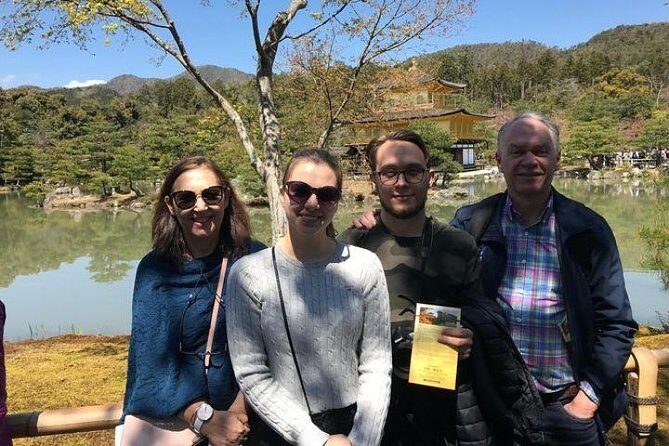
- Kinkakuji Temple (Golden Pavilion)
- Ginkakuji Temple (Silver Pavilion)
- Honen-in
- Nanzenji Suirokaku
- Tofuku-ji Temple
- Kyoto Imperial Palace (Kyoto Gosho)
- Shugakuin Imperial Villa (Shugakuin Rikyū)
- Ryoan-ji Temple (Rock Garden)
- Taizo-in
- Daitoku-ji Temple (Zen Temple Complex)
- Katsura Imperial Villa (Katsura Rikyū)
- Togetsukyo Bridge
- Bamboo Forest Street (Arashiyama Bamboo Paths)
- Okochi Sanso Garden
- Gio-ji Temple
- Kyoto Botanical Garden
- Kennin-ji Temple
- Byodoin Temple (Phoenix Hall) in Uji
- Price and Logistics: What $153.11 Gets You (and What It Doesn’t)
- Practical tips to get more from every 20–30 minutes
- Who this tour suits best
- Should you book this Kyoto Japanese Garden Private Tour?
- FAQ
- How many sites will we visit?
- Is this a walking tour, and is there pickup?
- Are entrance fees included?
- Is it a private tour?
- What type of guide do you get?
- How long is the tour?
Key highlights you should care about
- Government-licensed interpreter: You are not just getting tips. You get cultural and historical context from a certified guide.
- Pick 3–4 stops: Short stays (often 20–30 minutes) mean you actually look closely instead of rushing.
- A real garden menu: From Kinkakuji and Ginkakuji to Ryoan-ji and Arashiyama bamboo.
- Private group, on foot: You meet the guide in a designated area and keep moving at walking speed.
- Flexibility for your interests: Previous tours included itinerary changes, even on the fly.
Why Kyoto Gardens Make More Sense With a Licensed Guide
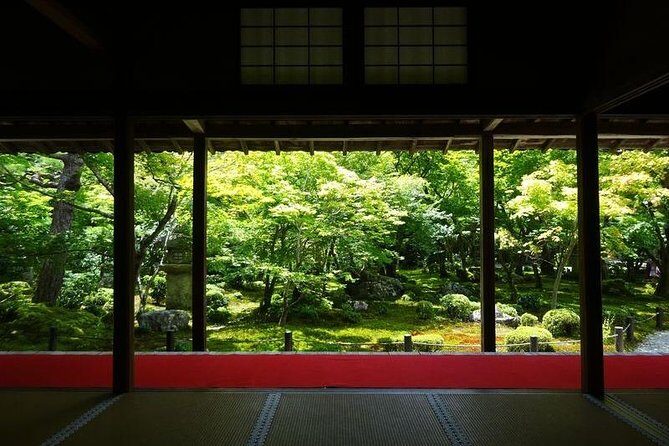
Kyoto gardens look simple until you start noticing patterns. Where a path bends. How sand is framed. Why a rock sits where it sits. A licensed guide helps you connect the art to the people and the era, so you stop seeing gardens as pretty scenery and start seeing them as a designed message.
This tour is built around that idea. You choose what you want to focus on from a list, and the guide helps you hit the right spots without wasting time. You also get a multilingual, local guide experience, not a one-size-fits-all script.
And because this is a private walking tour for your group, you are not fighting for space at every stop or getting swept along by strangers. The tradeoff is simple: plan on walking and budgeting for entrance tickets at the sites where they are required.
Other guided tours in Kyoto


How the 6-Hour Day Works (and How to Choose Your 3–4 Gardens)
The tour runs about 6 hours on average. You do not see everything on the menu. Instead, you pick 3–4 sites, and your guide builds a route that fits those choices.
That matters because Kyoto sites can be spread out. Even when a visit is only 10–20 minutes, getting from one garden entrance to the next takes time. Some stops in the menu also hint at extra travel time, especially Byodoin Temple in Uji, so your guide’s routing choices can affect your overall enjoyment.
When choosing your 3–4 stops, I suggest you aim for variety:
- At least one famous rock or dry-garden style stop (if you want to understand Zen aesthetics fast).
- One seasonal feel stop if you are traveling in autumn or want lots of moss/maple moments.
- One place that lets you simply walk and breathe, like Arashiyama bamboo paths or a temple garden where you can slow down.
Also, this tour includes a meet-up on foot within a designated area of Kyoto. So wear real walking shoes and bring a light layer. Even on clear days, garden shade can change fast.
Stop-by-stop: What You’ll Experience at Each Garden and Temple
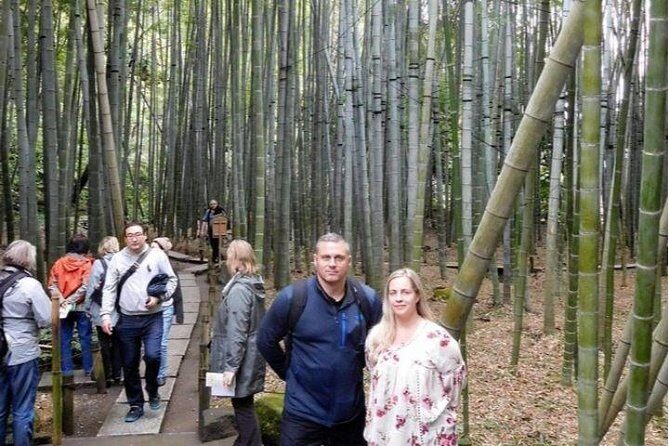
Below is the full menu of stops you can select from. Your actual route will depend on what you pick for your 3–4 sites.
Kinkakuji Temple (Golden Pavilion)
- Time on site: about 20 minutes
- Entrance fees: not included
Kinkakuji is the Kyoto garden moment most people recognize instantly: the top two floors are covered in gold leaf. Formally it is known as Rokuonji, and it was the retirement villa of shogun Ashikaga. The guide can help you look past the postcard shine and understand how the setting and sightlines contribute to the overall effect.
A practical tip: with only about 20 minutes, you’ll want to know where you want your photos and where you want to stand for viewing. Ask your guide to help you pick a viewing rhythm that matches your interests (details vs. wide views).
Ginkakuji Temple (Silver Pavilion)
- Time on site: about 20 minutes
- Entrance fees: not included
Ginkakuji sits along Kyoto’s eastern mountains in the Higashiyama area. It was built in 1482 by shogun Ashikaga Yoshimasa as a retirement villa, and the design is described as being modeled after Kin. If Kinkakuji is about dazzling surfaces, Ginkakuji often feels more about restraint and atmosphere.
This is a strong choice if you like gardens where quiet details matter. With a limited time slot, focus on the garden feeling rather than trying to see everything at once.
Other private tours in Kyoto




Honen-in
- Time on site: about 20 minutes
- Entrance fees: not included
Honen-in starts before you even reach the courtyard. The approach is described as incredibly scenic, culminating in a moss-covered gate. Inside, you pass between two sand mounds with symbolic meaning (the description is incomplete, but the key idea is that the sand mounds are part of the design).
This stop tends to reward patience. If your route includes Honen-in, slow your pace. Let the approach and entrance details do some of the work for you.
Nanzenji Suirokaku
- Time on site: about 20 minutes
- Entrance fees: not included
Nanzenji’s setting is a big part of its appeal: spacious grounds at the base of the forested Higashiyama mountains. The temple is presented as one of the most important Zen temples in Japan and the head temple of a major Zen line (the exact wording is cut off, but the rank is clearly emphasized).
If you want a Zen temple day that doesn’t feel only “tourist,” this is a good selection. It also works well when you want your garden stops to connect to temple architecture and grounds, not just the garden view.
Tofuku-ji Temple
- Time on site: about 20 minutes
- Entrance fees: not included
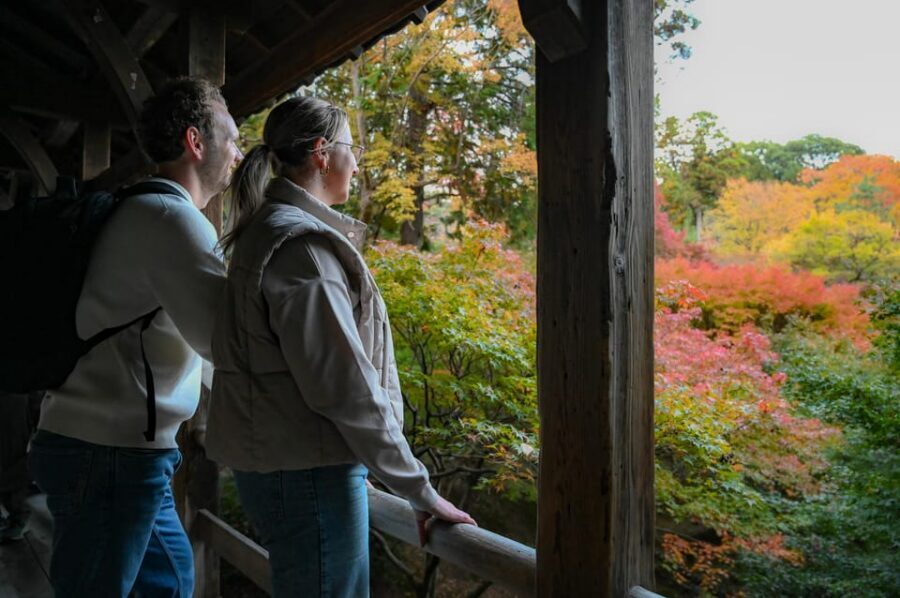
Tofuku-ji is especially known for spectacular autumn colors. It was founded in 1236 at the behest of the Fujiwara family (the text cuts off after that point, but the key founder detail is there). Even if you are not traveling in peak autumn, the guide can help you understand why this temple’s timing matters.
Pick it if seasonality is part of your Kyoto plan. If your dates are outside peak color, you might enjoy it more if you pair it with a different garden style so the day feels balanced.
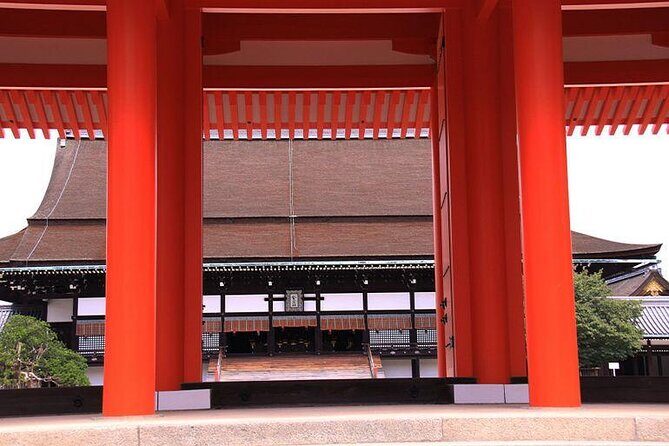
Kyoto Imperial Palace (Kyoto Gosho)
- Time on site: about 20 minutes
- Entrance fees: not included
This is a change of pace from pure garden viewing. The Kyoto Imperial Palace was the residence of Japan’s Imperial Family until 1868, when the emperor and capital moved from Kyoto to Tokyo. The site sits in spacious grounds, and it’s on the list as a stop you can pair with gardens for a fuller “Kyoto aesthetics” day.
If you like history that feels grounded in place, it’s worth selecting. Just remember: the garden theme is not the only focus here, so your guide’s explanation will make or break your enjoyment.
Shugakuin Imperial Villa (Shugakuin Rikyū)
- Time on site: about 20 minutes
- Entrance fees: not included
Shugakuin Imperial Villa was built in the 17th century by Emperor Gomizuno and is managed by Japan’s Imperial Household Agency. It is described as consisting of Upper, Middle, and Lower Villa areas. This stop is more architecture-and-garden design than a quick temple photo stop.
If you are drawn to the way gardens can frame a residence, choose Shugakuin. Because your time here is only about 20 minutes, prioritize the parts of the design you care about most and let the guide point out the “why.”
Ryoan-ji Temple (Rock Garden)
- Time on site: about 20 minutes
- Entrance fees: not included
Ryoan-ji is famous for Japan’s most well-known rock garden and it attracts hundreds daily. The site started as an aristocrat’s villa in the Heian Period and was converted into a Zen temple. This is the stop to choose if you want a crash course in the idea that limited elements can still create depth.
In practice, crowds can affect your viewing. The good news is that a guided plan can help you find a workable viewing window, and that’s exactly the kind of advantage you paid for.
Taizo-in
- Time on site: about 20 minutes
- Entrance fees: not included
Taizo-in’s garden is described as among Kyoto’s most famous. The tone is consistent: it’s highly recommended in any season. In a past tour, a guide helped time it so there were no other visitors at first, and the garden felt peaceful before bigger groups arrived.
That points to a smart strategy: if Taizo-in is on your short list, ask your guide about timing on your specific day. Even small timing shifts can change how calm the garden feels.
Daitoku-ji Temple (Zen Temple Complex)
- Time on site: about 20 minutes
- Entrance fees: not included
Daitoku-ji is presented as a complex with temples within temples. The description also notes that Michael Lambe guides you through the history and significance of many meditative gardens.
If you like the idea of multiple garden “rooms” rather than one main scene, this selection makes sense. It’s also a good choice when you want your guide to connect garden design to Zen practice, not just beauty.
Katsura Imperial Villa (Katsura Rikyū)
- Time on site: about 20 minutes
- Entrance fees: not included
Katsura Imperial Villa is described as one of the finest examples of Japanese architecture and garden design, with the villa and garden completed in 1645. If Shugakuin feels like imperial calm, Katsura tends to fit the same taste: gardens as part of a designed living world.
Choose it if you care about how buildings and garden paths work together. With limited time, your guide’s pointing-out is what will help you notice connections quickly.
Togetsukyo Bridge
- Admission: free
- Time note: included as part of the Arashiyama area walk
Togetsukyo Bridge, meaning Moon Crossing Bridge, is Arashiyama’s iconic landmark. It was built during the Heian Period and reconstructed in the 1930s. This is a good “breather” stop after temple dense hours.
Because entry is free, you can treat it like a transition point: grab a quick moment for views, then move into the bamboo walk while the day still feels light.
Bamboo Forest Street (Arashiyama Bamboo Paths)
- Admission: free
- Time note: included
Walking paths cut through bamboo groves, and the description calls out why that matters: the groves look best with a light wind as the bamboo stalks sway. This is not a garden you study for symbolism for hours. It’s a sensory walk, and it’s worth selecting if you want Kyoto to feel cinematic.
If you choose both Togetsukyo and bamboo, do it early in your day plan. Then you can carry the calm into the next temple/garden stop.
Okochi Sanso Garden
- Time on site: about 30 minutes
- Entrance fees: not included
Okochi Sanso is a former villa of actor Okochi Denjiro (1896–1962), located behind Arashiyama’s bamboo groves. It includes several different gardens and buildings, including living quarters (the description cuts off, but the idea of multiple sections is clear).
This stop gives you a quieter, more curated feel within the Arashiyama theme. If you only have time for one “villa garden” type experience, this is a solid choice.
Gio-ji Temple
- Time on site: about 30 minutes
- Entrance fees: not included
Gio-ji is described as more forested than nearby temple comparisons and known for a moss garden punctuated with tall maple trees. The entrance gate and small main hall have thatched roofs.
Pick Gio-ji if you want moss-and-maple contrast. It also tends to work well when you want a place that feels like a garden first and a temple second.
Kyoto Botanical Garden
- Time on site: about 30 minutes
- Entrance fees: not included
This is on the list for a reason: it’s described as overlooked and affordable. If you want variety from temples, this is where you can shift to a more modern garden setting without losing Kyoto’s slow pacing.
It’s also a good option when your chosen garden stops are mostly temple complexes and you want a breath of different green.
Kennin-ji Temple
- Time on site: about 1 minute (as a stop)
- Entrance fees: not included
Kennin-ji is close to Hanamikoji and Shijo streets. The grounds are described as expansive and pleasant to walk, and it has two karesansui (dry landscape gardens).
That one-minute time estimate suggests you may treat this as a quick highlight stop rather than the main event. If you love dry gardens, you might want to make sure your selected time elsewhere includes a slow rock-garden moment too.
Byodoin Temple (Phoenix Hall) in Uji
- Time on site: about 10 minutes
- Entrance fees: not included
- Extra travel time expected
Byodoin Temple is known for the Phoenix Hall, a National Treasure of Japan and a UNESCO World Heritage site. It’s located in Uji city, so extra travel time is expected even though the on-site time estimate is short.
Choose Byodoin if UNESCO and national treasures are part of your Kyoto-to-do list. If your other picks are already temple-heavy, this can be the “big-name” capstone—just accept that the visit window may be tight because of location.
Price and Logistics: What $153.11 Gets You (and What It Doesn’t)
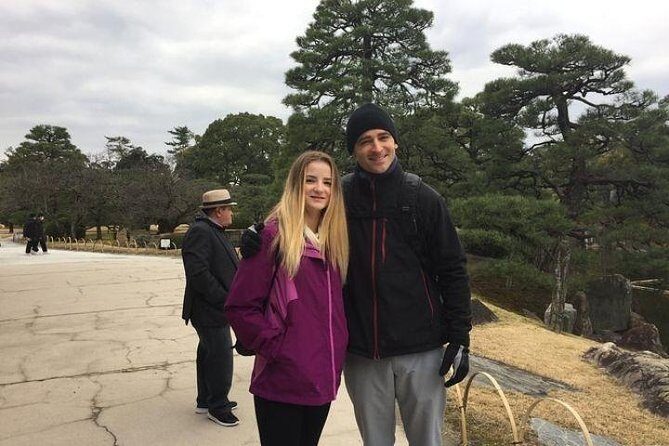
At $153.11 per person, the value here is not just the sites. It’s the fact that you get a private, licensed guide and a planned 6-hour walking experience with a customizable set of stops.
What you should plan for:
- Entrance fees are not included at the sites that list tickets as not included.
- Transportation fees are not included, and there is no private vehicle.
- Lunch is not included.
So your final cost depends on which 3–4 places you choose. If you pick several ticketed temples and villas, your day spend rises. If you balance ticket stops with free moments like Togetsukyo Bridge and bamboo paths, you can keep things more predictable.
Also note the format: it’s a walking tour with meet-up on foot. The “pickup offered” language can sound like a car, but the practical setup is meeting the guide within a Kyoto area, then walking.
Practical tips to get more from every 20–30 minutes
Here’s how to make this kind of private garden day pay off:
- Pick your “musts” first. Then fill remaining slots with contrast: rock vs. moss vs. villa design.
- Ask the guide to help you prioritize viewing time. Many stops list around 20 minutes, so your viewing plan matters.
- If you care about quieter moments, timing is everything. A past tour specifically benefited from visiting Taizo-in before larger groups arrived.
- Bring a small umbrella or light rain layer. Kyoto gardens look different in rain, and guide timing can help you avoid the worst downpours.
- Wear shoes you can trust. This is a day of walking, and you will feel it by stop 5 if your footwear is wrong.
Who this tour suits best
This experience is a strong match if you:
- Want a private, government-licensed English-speaking guide.
- Like Japanese aesthetics enough to want the meaning behind design choices.
- Prefer a walking pace over coach travel.
- Want customization without spending days planning a route.
It’s less ideal if you hate walking, have limited stamina, or you only want a quick highlight sweep with no time for explanation.
Should you book this Kyoto Japanese Garden Private Tour?
I’d book it if your goal is understanding, not just sightseeing. The price is fair for a licensed guide and a day built around 3–4 garden-focused stops, where you can actually slow down and look.
Skip it or adjust expectations if you want everything to be included and effortless cost-wise. Entrance fees and transport are on you, and you’re committing to a walking day.
If you can handle that and you care about how gardens work—sand, rocks, moss, and seasonality—this is the kind of Kyoto day that leaves you thinking about what you saw long after you leave the gates.
FAQ
How many sites will we visit?
You choose a customizable walking tour of 3–4 sites from the tour’s listed options.
Is this a walking tour, and is there pickup?
Yes. It is a walking tour, and pickup is described as being on foot, with you meeting the guide within a designated area of Kyoto.
Are entrance fees included?
No. Entrance fees are not included, and the itinerary lists admission tickets as not included for most stops.
Is it a private tour?
Yes. It is a private tour/activity where only your group participates.
What type of guide do you get?
You get a licensed local English speaking guide. The tour also describes government-licensed guide interpreter certification tied to knowledge of Japanese culture and history.
How long is the tour?
The duration is about 6 hours on average.