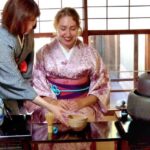
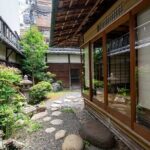
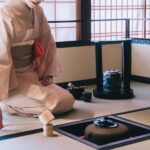
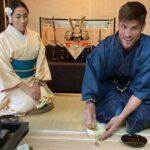
Matcha teaches you how to slow down. In Kyoto, this one is special because it happens inside a 100-year-old townhouse where the quiet feels built in. Two things I really like: you learn the Omotesenke-style steps with an English-speaking tea master, and you get hands-on practice making your own matcha (not just watching). One possible drawback: it is only 45 minutes, so if you want a longer, slower deep-dive, you may feel a bit rushed.
What makes the experience feel worth it is how it balances tradition and conversation. Hosts such as Miki-san, Aki, Yoko, Joko, and Kiyoka are repeatedly praised for clear explanations and patience, and the small group size (limited to 10) keeps the Q&A actually useful. Just note the practical rules: no food or drinks in the venue, and please skip perfume or cologne so matcha aroma isn’t competing with you.
In This Review
- Key points before you go
- A 100-year-old Kyoto townhouse makes matcha feel like a break
- Omotesenke-style flow: what you do during the 45 minutes
- Making matcha yourself: etiquette, whisking, and the small details that matter
- The sweet, the aroma rules, and how to get the full sensory payoff
- Price and value: is $45 fair for matcha and instruction?
- Finding the place near Gojo: simple directions and real logistics
- Who should book this Kyoto matcha workshop
- Souvenirs and crafts: what you might take home (and what to expect)
- Should you book it? My straight answer
- FAQ
- How long is the tea ceremony workshop?
- What is included in the price?
- Is it taught in English?
- Is kimono and hair styling included?
- Where do I meet the host in Kyoto?
- Is hotel pickup and drop-off provided?
- Are bikes allowed during the experience?
- Can I eat or bring snacks and drinks?
- Is the venue wheelchair accessible?
- Can I get a full refund if I cancel?
- What should I avoid wearing?
Key points before you go
- 100-year-old Kyoto townhouse setting that naturally supports a calm pace
- Omotesenke training guiding the etiquette and the why behind each step
- Small group (up to 10) means more interaction and more chances to ask questions
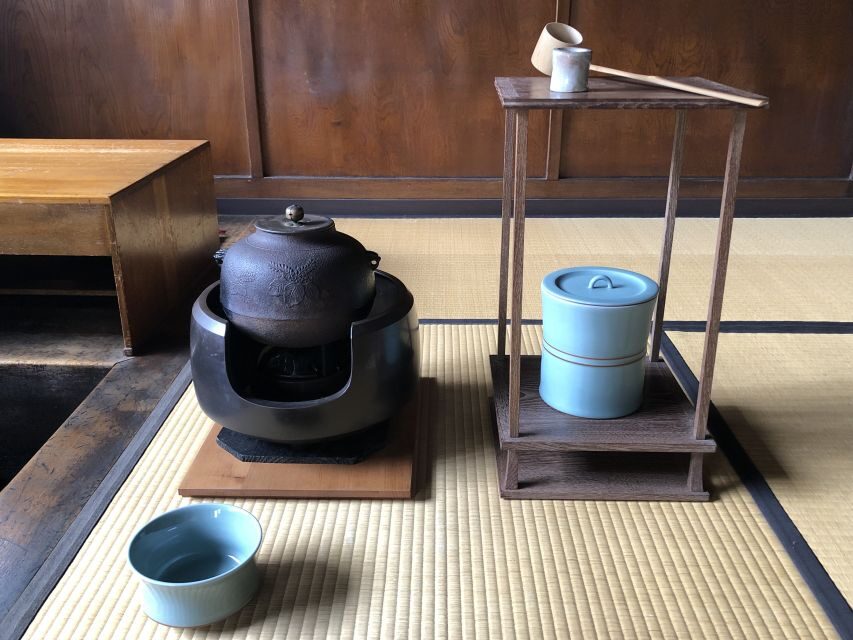
- Hands-on matcha making with authentic, handcrafted utensils
- Includes one cup of matcha plus a traditional sweet so you finish with the full ritual
- End-of-experience craft/souvenir browsing (items may be available to purchase on-site)
A 100-year-old Kyoto townhouse makes matcha feel like a break
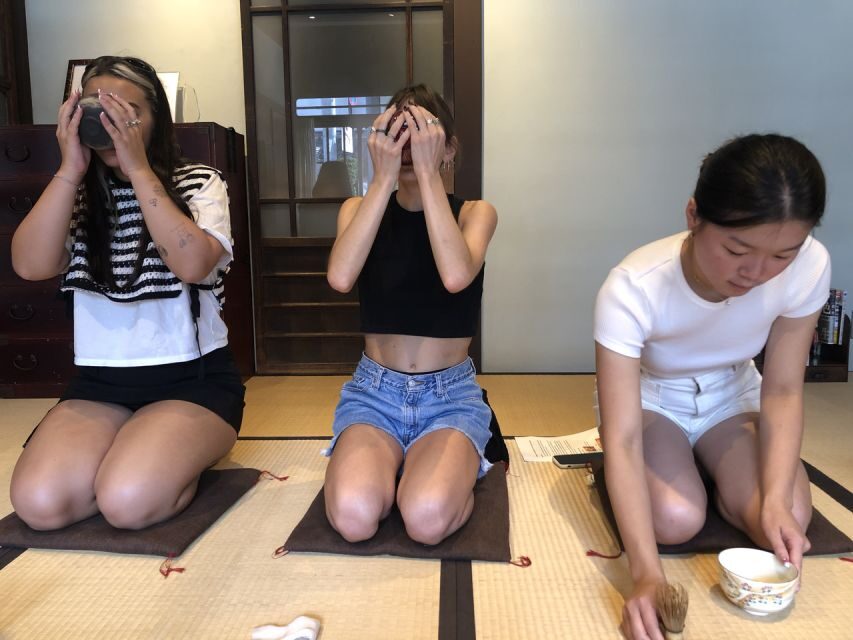
This workshop starts the moment you step inside. You’ll be in a traditional Kyoto townhouse with the kind of atmosphere that makes your shoulders drop: tatami scent, quiet rooms, and a setting designed for careful attention. That matters, because tea ceremony isn’t only a drink. It is a way of moving slowly, using your hands deliberately, and treating a simple bowl with respect.
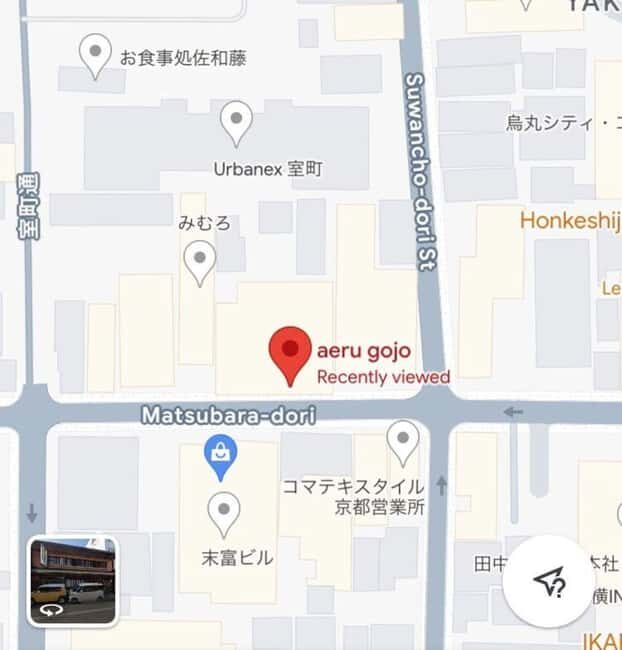
The location is also a real plus for scheduling. You’re not sent to the edge of town. You meet in the central Kyoto area near Gojo, with a straightforward landmark route (Family Mart corner on Karasuma-dori, then about one block to the sign for aeru gojo).
And yes, you’ll be making matcha yourself. The most consistent praise is how interactive the session feels for a short time: watch a step, try a step, and then reset as the host checks your technique. That hands-on rhythm is often what turns a “tourist activity” into a small memory you keep.
A few more Kyoto tours and experiences worth a look


Omotesenke-style flow: what you do during the 45 minutes
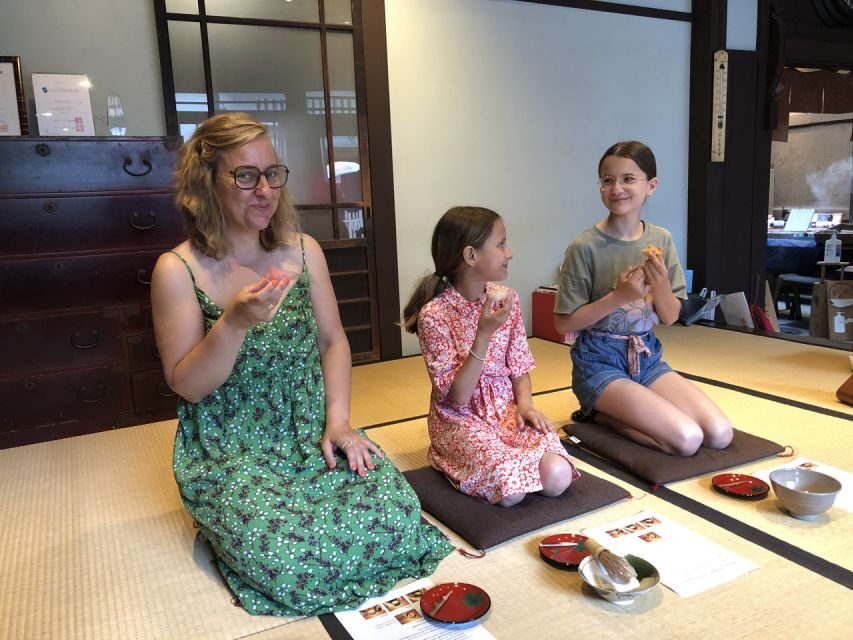
Your session runs about 45 minutes, and it follows a clear teaching arc. Expect a short introduction, a guided demonstration of the matcha-making sequence, and then your turn at the bowl. The host guiding you is trained in the Omotesenke tradition, which is one of the best-known schools of tea ceremony in Japan.
Here is the practical rhythm you’ll feel:
- Arrival and setup in the tatami space. You’ll settle into the room and learn what the host wants you to do (and not do). This is where the rules matter, like no food or drinks in the venue.
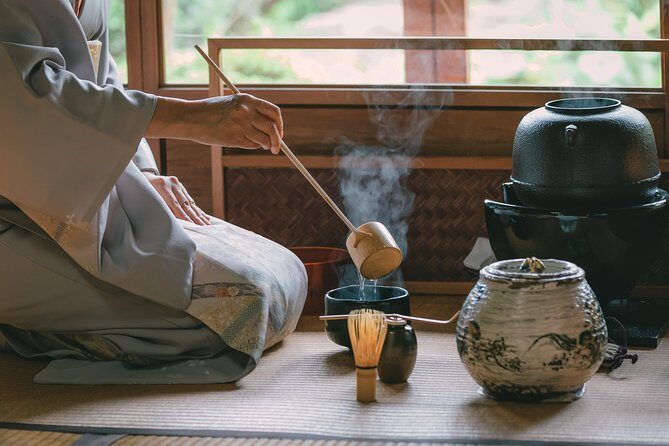
- Demonstration first, then your turn. The host shows the motions and the order: how the utensils are handled, how matcha powder and water work together, and how the whisking technique affects texture.
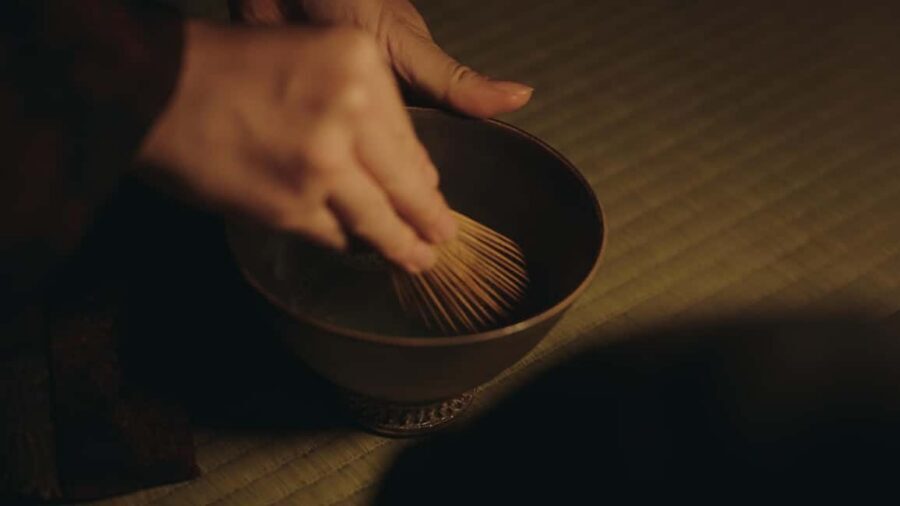
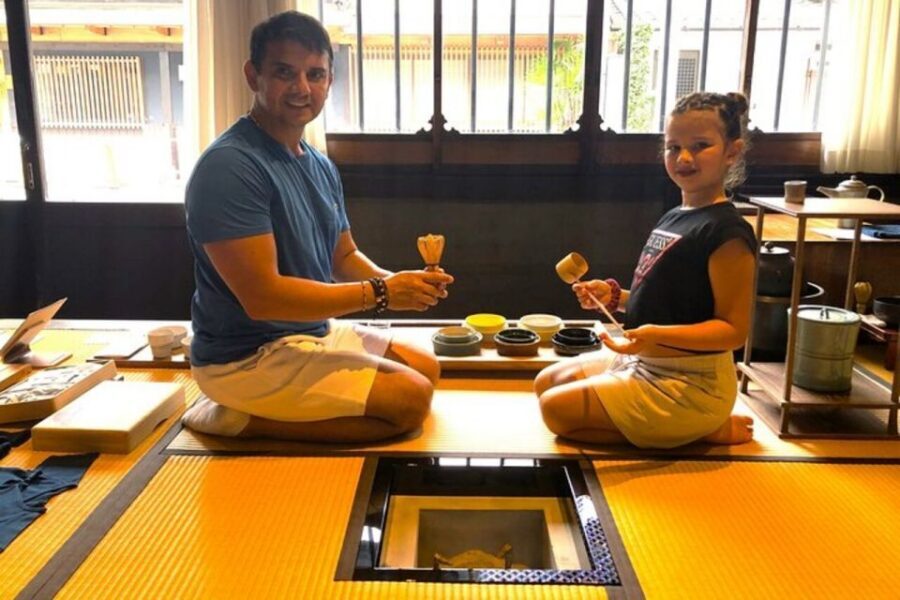
- Your hands at the utensils. After the demo, you’ll make your own bowl using the authentic tools.
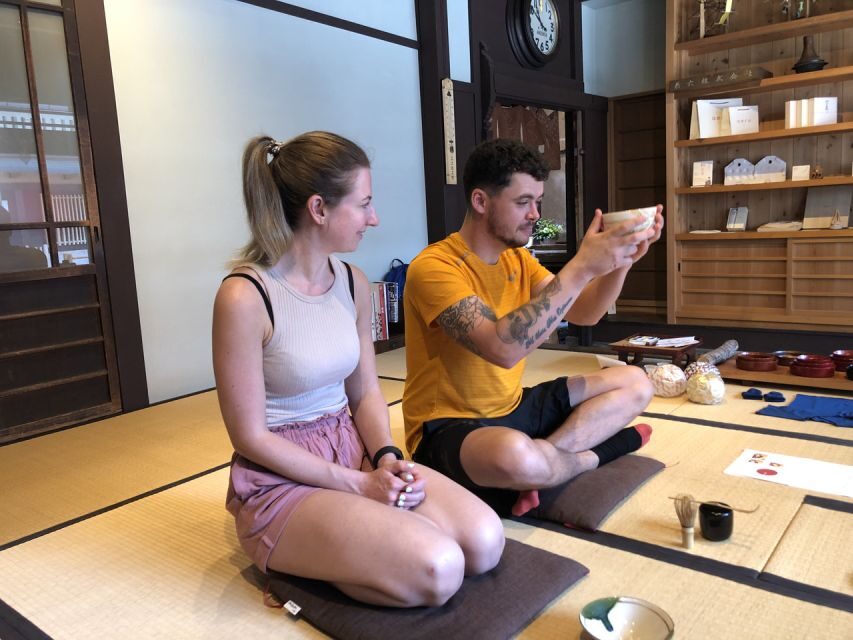
- Enjoy your matcha with a traditional sweet. You finish by drinking the matcha you made, plus a sweet included with the experience.
- Questions and conversation. The English-speaking tea masters actively welcome questions, which is where the session often becomes more than technique.
Because the format is tight, timing matters. You should arrive no earlier than 10 minutes before your scheduled time. The space is limited, and it is not suitable for eating. If you come hungry, grab food before (or after) somewhere nearby, then show up ready for the quiet.
Making matcha yourself: etiquette, whisking, and the small details that matter
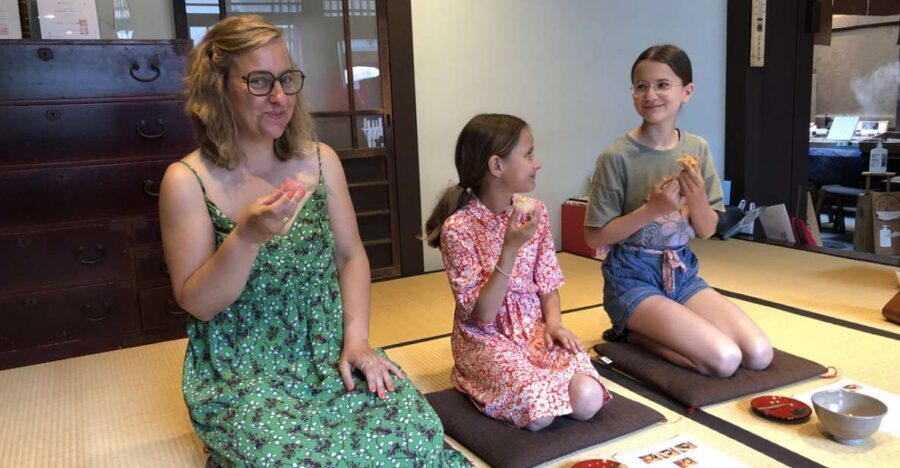
Learning matcha is partly about learning your hands. If you’ve only ever had latte-style matcha, the taste and texture can be a surprise, and the ceremony context changes how you experience it. The host usually explains both technique and etiquette, so you understand what you’re doing instead of copying motions blindly.
You’ll practice with handcrafted utensils made by skilled artisans. That detail matters more than it sounds. Different tools change how the whisking feels and how the matcha clings and froths. In short: you are not just performing a moment for photos. You are learning a small craft with the right equipment.
Technique-wise, the key is whisking properly. You’ll be taught the way to whisk matcha so it becomes smooth and properly combined, not clumpy. Hosts like Miki-san and Aki are repeatedly described as patient and encouraging questions, and that’s exactly what you want here. If something feels awkward, you need a teacher who will slow down.
Etiquette is part of the teaching too. Even if you do not become a tea expert by the end (you probably won’t), you will leave with a better sense of why certain gestures exist, and what the host is watching for when you try the steps.
The sweet, the aroma rules, and how to get the full sensory payoff
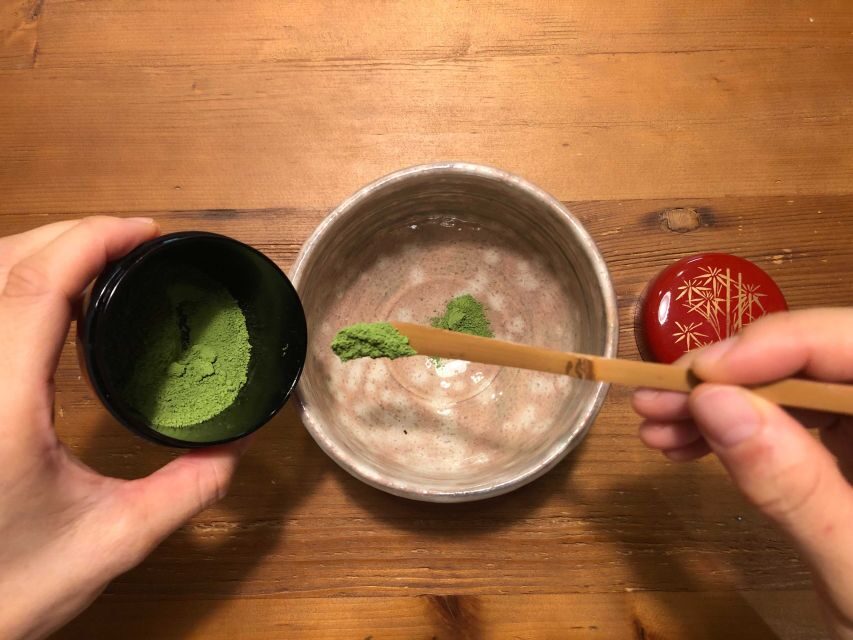
This is one of those experiences where the included sweet is not an afterthought. You’ll enjoy your freshly prepared matcha with a traditional Japanese sweet, included in the ticket. Having the sweet at the right moment helps you taste the matcha more clearly, instead of treating the matcha as a quick sip and moving on.
Also, pay attention to the rules about scent. The venue asks you to refrain from wearing perfumes or colognes so you can enjoy the aroma of matcha and keep the experience comfortable for everyone. That is practical advice, not a random request. Matcha is aromatic. Strong fragrance can overpower it fast.
What you should wear is simple: something comfortable enough to focus on careful hand movement. Beyond that, just avoid anything that makes you feel rushed or self-conscious. Since you’re in a small group, you’ll be doing a lot more “showing your work” than you might expect.
Price and value: is $45 fair for matcha and instruction?
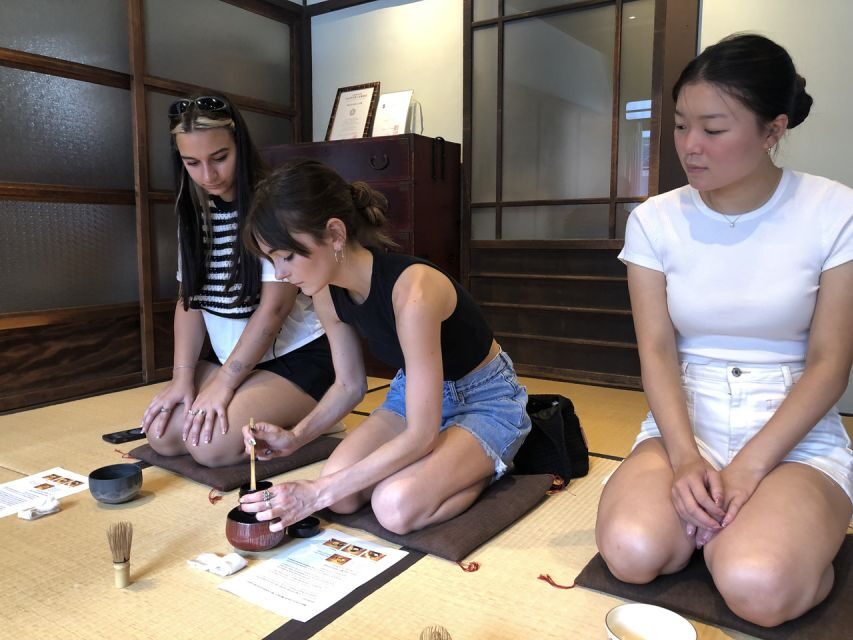
$45 per person for a 45-minute tea ceremony can feel like a splurge until you break down what you actually get.
You are paying for:
- Instruction in Omotesenke-style matcha making
- Use of authentic, handcrafted utensils
- A finished moment that includes one cup of matcha and a traditional sweet
- A small group setting (limited to 10), which is where the real value shows up
- English-speaking tea masters who actively answer questions
In practical terms, this is good value when you want a real learning experience without spending half a day in a long class. It’s also often better than the cheaper “watch and snap a photo” style of tea performance, because you actually make the tea yourself.
Is it value for everyone? If you are already a serious matcha tinkerer with your own tools and you crave hours of practice, you might prefer a longer workshop. But for most people visiting Kyoto for the first time, it is a smart use of time.
A few more Kyoto tours and experiences worth a look



Finding the place near Gojo: simple directions and real logistics
No one likes hunting for an address in Kyoto. The meeting point is pretty clear, and it’s close to major streets.
From Karasuma-dori Street, you turn at the corner with the Family Mart convenience store, then go straight for one block. Look for the sign for aeru gojo next to Only Corporation, across from Zen Kyoto.
A few logistics notes that matter:
- There is no parking lot.
- If you’re arriving by rental bicycle, bikes are not allowed in the experience, and you’ll need public parking spaces nearby. The closest public parking is linked on the route provided by the operator.
- There is no hotel pickup/drop-off, so you’ll want to plan to walk, take public transport, or use a taxi to get to the meeting point.
One more timing note: the space is limited, so don’t arrive too early. Arriving exactly when you should makes everything smoother for you and the host.
Who should book this Kyoto matcha workshop
This workshop fits best if you want a genuine, calming Japanese cultural activity that still feels interactive.
You’ll likely enjoy it if:
- You want to learn matcha-making technique and not just watch
- You like asking questions in a friendly, English-speaking setting
- You appreciate doing something quietly and carefully for a short chunk of time
- You prefer small groups over large shows
Families can work well here too. One family experience specifically mentioned children around 8 and 10 getting a good mix of learning and hands-on time, and the tone is described as patient and accommodating.
If you are very sensitive to smells, keep to the perfume rule. If you are traveling with a strict food schedule, remember no food or drinks are allowed in the venue. Plan meals around the session.
Souvenirs and crafts: what you might take home (and what to expect)
The highlights mention time for Japanese crafts and meaningful souvenirs. In practice, many tea experiences include items available for purchase at the end, and some people mention that utensils and related goods can be bought on-site.
The safe way to think about it: this is not an aggressive shopping stop. It’s more like a chance to browse after you’ve learned the ritual, when the tools and objects make more sense. If you want something to remember the lesson, this is where you’ll likely get that option.
If you’d rather keep expenses low, you can simply enjoy the end-time browsing and pass on purchases. The core experience still stands without buying anything.
Should you book it? My straight answer
Book this if you want a Kyoto tea ceremony that is calm, practical, and actually teaches you how to make matcha. The combination of Omotesenke training, a small group up to 10, and hands-on whisking makes it feel like more than a performance.
Skip it if you have one of these needs:
- You want a longer session than 45 minutes
- You expect food included beyond the sweet (no food/drinks are allowed in the venue)
- You were hoping for a kimono experience (kimono and hair setting are not included)
If your goal is to add a real Japanese tradition to your Kyoto days without spending hours in transit, this one is a strong choice.
FAQ
How long is the tea ceremony workshop?
It lasts about 45 minutes.
What is included in the price?
You get the tea ceremony experience, one cup of matcha tea, and Japanese traditional sweets.
Is it taught in English?
Yes, the instructor is English.
Is kimono and hair styling included?
No. Kimono and hair setting are not included.
Where do I meet the host in Kyoto?
You meet near Gojo: from Karasuma-dori Street, turn at the corner with the Family Mart, go straight one block, and look for the sign for aeru gojo next to Only Corporation across from Zen Kyoto.
Is hotel pickup and drop-off provided?
No, hotel pickup and drop-off are not included.
Are bikes allowed during the experience?
No. Bikes are not allowed.
Can I eat or bring snacks and drinks?
No. Food and drinks are not allowed, and the venue is not suitable for eating.
Is the venue wheelchair accessible?
Yes, it is wheelchair accessible.
Can I get a full refund if I cancel?
Yes. You can cancel up to 24 hours in advance for a full refund.
What should I avoid wearing?
Please refrain from wearing perfumes or colognes so you can enjoy the aroma of matcha and keep the experience comfortable for others.