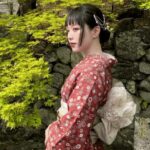
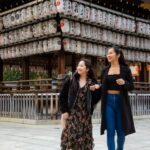
Arashiyama can be magic, even on a busy day. I love that this is private and personalized, so the day actually fits your pace and interests instead of marching to someone else’s script. I also love the mix of big-name stops (like Tenryu-ji) plus smaller, weirder temple moments that make the whole area feel lived-in. The main drawback to plan for: it’s a walking tour with some serious uphill segments, especially around the monkey park and during temple hops.
What makes it work so well is the way your guide shapes the route around you. You choose which temples you want to focus on, and you’ll get a pre-tour questionnaire plus direct communication with your host to refine the order and timing. That personalization matters here because Arashiyama’s top sights can get crowded fast, and the best experience often comes from timing and thoughtful reroutes when weather or energy levels change.
In This Review
- Key highlights you’ll care about before you go
- Why Arashiyama feels different with a local guide
- 6 hours, lots of walking: what your body should expect
- Bamboo Grove time: timing matters more than you think
- Choosing your temples: Tenryu-ji, Jojakko-ji, and the swap options
- Monkey Park Iwatayama: a steep hike with big payoffs
- Okochi Sanso Villa: where the day turns quieter
- The quirky rakan temple: 1,200 faces for your imagination
- Daikaku-ji and the Genji link: culture that feels human
- Price and value: is $288.17 per person worth it?
- Rain plans, family pacing, and how guides handle real life
- Who should book this tour (and who should reconsider)
- Should you book Arashiyama from Kyoto with a private local guide?
- FAQ
- What’s included in the tour?
- How does the temple selection work?
- Is this tour private?
- Do I need to arrange transportation between stops?
- How much walking should I expect?
- What if I need to cancel?
Key highlights you’ll care about before you go
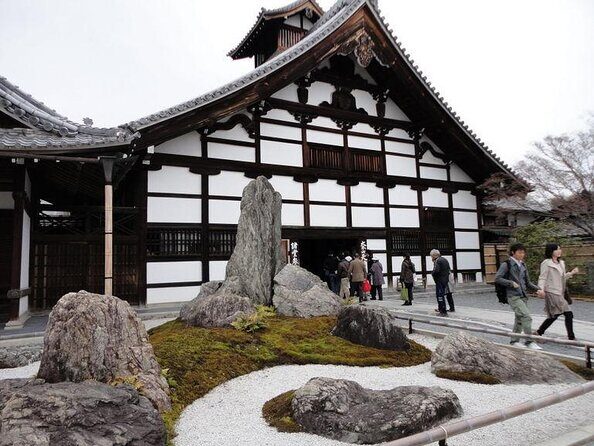
- Four temples chosen your way: pick 4 out of 5, then let your guide set the order for your group
- UNESCO Tenryu-ji plus temple variety: Zen temple gardens, mossy pagoda views, and an offbeat statue-filled stop
- Monkey Park Iwatayama included: a real hike for views, with your guide’s tips for respectful wildlife interaction
- Okochi Sanso Villa admission included: a calm, classic Japanese house-and-garden break from the crowds
- Guides adapt quickly: rain plan, kid pacing, and even help when someone needs to slow down
- Walking-based day (6 hours): expect lots of footsteps, plus potential transit by local train or taxi between sites
Why Arashiyama feels different with a local guide
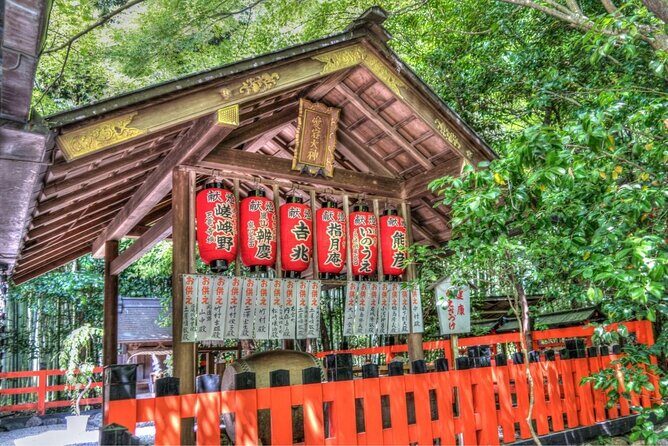
Arashiyama is famous for bamboo, but it’s really a whole patchwork of hills, temples, and old footpaths. The biggest win with a guided private day is that you’re not just collecting sights. You’re learning how the area hangs together: where to step aside for quieter lanes, what to notice in temple design, and what details to look for in the gardens.
Another major plus is the pick-and-choose temple approach. You’re not stuck with one fixed route. You can select four of the five major temples in the program, which helps if you already know what you care about—Zen gardens, moss scenery, or the more story-driven imperial-villa connection.
Your guide also uses a pre-tour questionnaire to tailor the experience. That shows up in how long you linger, which shortcuts or alternate stops you get, and how the explanations match your interests—history, culture, and the kind of photo moments your family will actually use.
A few more Kyoto tours and experiences worth a look

6 hours, lots of walking: what your body should expect
This is a walking tour first and foremost. A vehicle isn’t part of the plan, so you’ll be on foot for the bulk of the day, with possible public transport or a taxi transfer between some stops.
Be especially prepared for the steep parts near Monkey Park Iwatayama. The climb can feel like a big uphill workout in real life, and you’ll want shoes with grip. If you’re traveling with kids or someone who tires easily, plan for slower pacing and breaks—guides are used to adapting when groups need it.
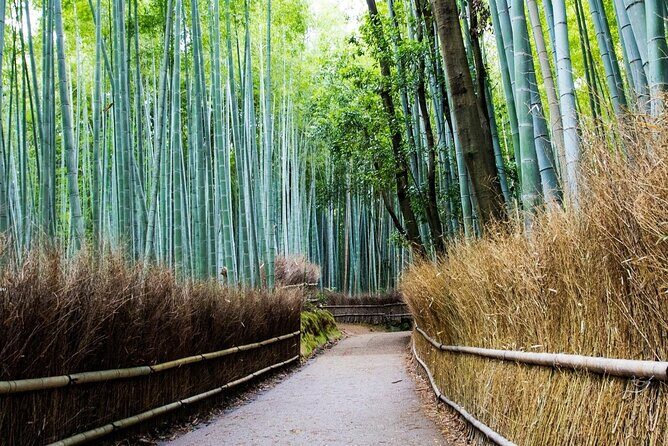
One more practical note: the bamboo grove can be stunning, but it can also be a crowd magnet. If you’re hoping for calmer photos and more quiet moments, ask your guide about an earlier start (when you have schedule flexibility). Even if you can’t dodge crowds entirely, your guide can often help you time the most peaceful stretches and find less-chaotic viewpoints.
Bamboo Grove time: timing matters more than you think
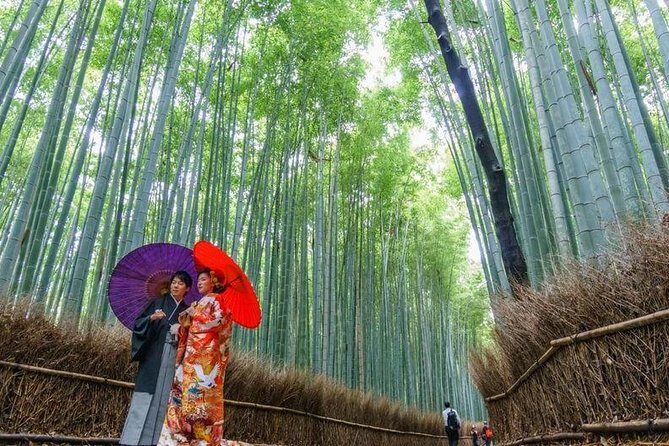
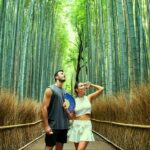
Bamboo Grove gets all the headlines, and it’s worth seeing in person. The trick is not just seeing it—it’s seeing it at the right speed and angle. A guide helps because you’re not trapped standing in the thickest traffic flow the entire time.
If your group is photo-focused, you’ll likely appreciate how the guide thinks about movement: where to slow down, when to step into calmer corridors, and how to keep the day from feeling like a sprint. Guides are also known for adjusting plans when it’s raining, including skipping the bamboo segment temporarily in favor of other temple-and-shrine stops that still feel special.
There’s also the reality that bamboo groves can feel like there’s nowhere to sit and decompress. If you like to pause for a snack, tea, or just a breather, you’ll want to build those pauses around the temple gardens and villa stop later in the route.
Choosing your temples: Tenryu-ji, Jojakko-ji, and the swap options
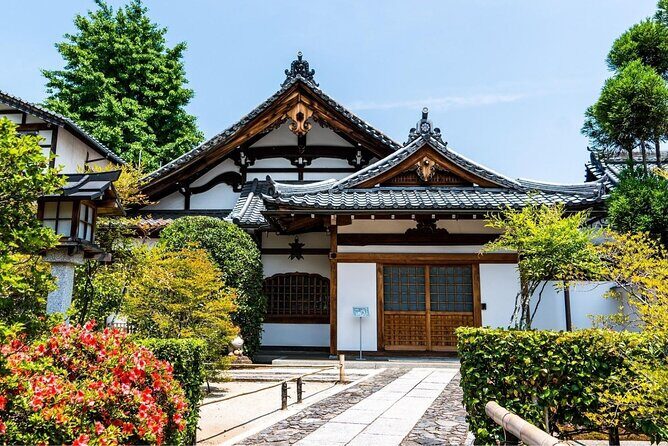
The program includes admission to four temples out of five major choices. Tenryu-ji and Jojakko-ji are two of the key anchors, but your choices can change the vibe of the whole day.
Tenryu-ji (UNESCO, one of the great Zen temples)
This is Kyoto Zen at full volume. You’ll stroll through one of the most famous garden designs in the area, with its composed views and big “slow down and look closely” energy. It’s a good stop when your group wants both beauty and meaning—Buddhism context is part of how your guide frames what you’re seeing.
Jojakko-ji (moss gardens and a tall pagoda viewpoint)
This stop focuses on texture: lush moss, quieter corners, and a 12-meter pagoda that gives panoramic views over Arashiyama. If you love scenery that feels less theme-park and more hillside-real, this is a standout.
The swap temples that add surprise
One included option on the outskirts is a quirky temple filled with over 1,200 rakan statues, each with its own expression. It’s the kind of place where your guide’s commentary can keep it from feeling like just a wall of faces—suddenly you start spotting patterns and personality.
Another included option is Daikaku-ji, a former imperial villa turned temple. This is where your guide can connect the setting to The Tale of Genji, a story often tied to the cultural history of court life and early Japanese literature. The stop also includes a serene pond atmosphere that makes it easier to reset after hill climbing.
There’s also a fifth temple option (Gio-ji) that you might swap in depending on what your guide suggests and what you choose ahead of time.
Monkey Park Iwatayama: a steep hike with big payoffs
The monkey park is one of those Arashiyama experiences that feels very different from temple sightseeing. You’ll meet Japanese macaques in their natural habitat, and your guide shares tips for respectful wildlife interaction.
The payoffs are twofold. First, you’re up on a hillside with excellent views. Second, it’s a hands-on way to experience the area beyond gardens and stone halls—this is Japan’s nature-right-there energy.
In practice, the park is also a family favorite. Some guides are especially good at making the experience work for kids, including spending time so children can actually enjoy what’s happening rather than watching from the edge of the group.
Just be honest with yourself about the physical side. The hike up can be steeper than you expect, so build in time and choose a pace that keeps everyone comfortable. If your group has someone with mobility limitations, tell your guide early. The better you communicate needs, the more the day can stay fun instead of stressful.
Other guided tours in Kyoto


Okochi Sanso Villa: where the day turns quieter
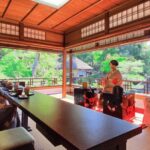
After the bamboo and the temple circuit, Okochi Sanso Villa is a great reset. It’s a traditional Japanese home and garden, and it’s listed as a national cultural property. Think of it as the “slow your brain down” stop.
This villa-style setting is especially helpful if your group wants a calmer moment for photos, reflection, or just breathing space. It’s also a nice contrast to the busy bamboo grove. Where the grove can be all about crowd flow, the villa gives you a more contemplative pace with garden views and classic architecture cues.
Since admission is included, this is a good use of time rather than an optional add-on you might skip. I like stops that feel special and remove logistical friction—this one checks both boxes.
The quirky rakan temple: 1,200 faces for your imagination
One temple stop on the outskirts brings something most visitors don’t expect: over 1,200 rakan statues, each with its own expression. It’s playful without feeling silly, and it’s a strong reminder that temple art in Kyoto isn’t always solemn and same-same.
What makes this stop work better with a guide is interpretation. Your host can point out ways to look: patterns in expression, how the statues fit the spiritual setting, and why the “quirky” look is actually part of how Buddhist figures are represented.
This is also a good choice if your group gets tired of repeating temple layouts. The rakan wall is visually different enough that the day feels like it’s changing pace, not repeating.
Daikaku-ji and the Genji link: culture that feels human
Daikaku-ji is the “story and setting” temple in this program. It began as a former imperial villa and later became a temple, and your guide can connect it to The Tale of Genji.
This is one of those places where context helps. Without a guide, you might admire the pond and buildings and move on. With a guide, you’ll likely understand why the setting matters culturally—how the garden, water, and architecture connect to court-era life and literature.
The pond-focused calm also helps balance the day. After temples, stairs, and the monkey park climb, the slower atmosphere at Daikaku-ji helps you finish the tour feeling like you didn’t just “see stuff,” you experienced the rhythm of Arashiyama.
Price and value: is $288.17 per person worth it?
At $288.17 per person for about 6 hours, you’re paying for a private guide plus included admissions—not just directions. What you’re getting is the whole temple-ticket stack: four temples plus Okochi Sanso Villa and Monkey Park Iwatayama.
Value-wise, that matters because Arashiyama’s top sights add up. Temple entry fees and timed admissions can make a DIY day feel expensive after you factor in missed opportunities and the stress of squeezing everything into one afternoon.
The other value piece is tailoring. The guide uses a questionnaire and direct communication to adjust the order and the pace. That’s not a luxury if you’re traveling with kids, if someone needs a slower rhythm, or if rain changes your mood. In the feedback patterns for this tour style, guides like Vanessa, Alex, Ada, and Fatima are singled out for flexibility—especially when weather forces a change or when families need more time at the monkey park.
So for me, this works best when you want a high-effort day in one package, with someone handling the sequencing and the explanation.
Rain plans, family pacing, and how guides handle real life
Weather can ruin a bamboo-centric plan. This is where a private guide can save the day. Guides have been described as adapting when it’s raining—sometimes skipping the bamboo forest at the moment and redirecting to other shrine-and-temple stops that still feel meaningful.
Family dynamics matter too. If you’re traveling with young kids or teenagers, you’ll want a guide who knows when to slow down and when to keep moving. The best guides in this program are praised for making the day work for children, including spending extra time where kids actually care—like at the monkey park—and also offering helpful suggestions for what to do after the tour.
There’s also the “someone’s tired or hurt” reality. One reason I like booking a private guide here is that the itinerary can flex. If you share needs early, your guide can often adjust the route so the day stays enjoyable rather than turning into a forced march.
Who should book this tour (and who should reconsider)
I’d recommend this tour if:
- You want a private, guide-led Arashiyama day without doing the temple fee math and route planning
- You care about temples and also want nature and wildlife in the mix
- Your group values pacing—especially families, multigenerational groups, or anyone who wants breaks
I’d be cautious if:
- You have limited mobility or you know you can’t handle steep uphill segments. The monkey park climb is a real factor, and the walking is substantial.
- You want a lot of “sit down and linger” time. The bamboo grove doesn’t always offer ideal seating, and the day is designed around movement.
Should you book Arashiyama from Kyoto with a private local guide?
If you’re choosing between a DIY day and a guided one, I’d lean guided for this specific area. Arashiyama is too big and too hill-driven to “figure out fast” when you also want the best timing for bamboo and a calm villa moment later.
Book it if you want a smooth, meaningful day that includes major sights plus the quirky temple art stop, with enough flexibility to keep the day from feeling like a checklist. Skip it only if your group can’t handle uphill walking or you strongly prefer to roam on your own without a structured plan.
If you do book, send your questionnaire honestly. Tell the guide what you want most—temple focus, views, wildlife time, or photo calm—and you’ll get a better day in return.
FAQ
What’s included in the tour?
The tour includes a private walking experience with a local host, admission tickets to four of the five temples (Tenryu-ji, Jojakko-ji, Gio-ji, Otagi Nenbutsu-ji, Daikaku-ji), admission to Okochi Sanso Villa, and admission to Monkey Park Iwatayama.
How does the temple selection work?
You can choose tickets for four of the five major temples in the area. Your guide helps craft the full order based on your interests and the departure time you pick.
Is this tour private?
Yes. It’s a private tour/activity, so only your group participates.
Do I need to arrange transportation between stops?
The experience is primarily walking. Public transportation or local taxis may be used to transfer between sites, and exact transportation costs can be discussed with your host after your reservation is finalized.
How much walking should I expect?
Expect a walking-focused day. It includes several temple visits and a hike up to Monkey Park Iwatayama, so comfortable shoes are important.
What if I need to cancel?
Free cancellation is available up to 24 hours in advance of the experience start time for a full refund. If you cancel less than 24 hours before, the amount paid is not refunded.