That Nara deer-and-Osaka neon combo works.
This private van day is built for people who want two cities in one go without the stress of trains and transfers. I especially like having a real local guide, Daiki, who keeps the stories clear and helps with smart photo timing, and I like the flexibility to adjust the route to your interests instead of marching on a fixed coach schedule. One consideration: you’re packing a lot in, so it helps to keep expectations realistic about walking time and crowds, especially at Dotonbori and Nara Park.
You start the day in the afternoon (1:00 pm start) and you’re back in Kyoto for the evening vibe. The van is air-conditioned and private, so you can ask questions, stop for quick photo breaks, and get a restaurant suggestion that fits your schedule.
In This Review
- Key things to know before you go
- Why this Osaka and Nara day trip feels smarter than a bus
- How pickup from Kyoto (or Osaka/Nara) actually saves your day
- Nara Park deer and the easy walk that sets the tone
- Osaka Castle: short visit, big icon energy
- Yoshikien Japanese garden: the calm reset stop
- American Village: Osaka’s youth-culture street vibe
- Todai-ji Temple and the Great Buddha: go prepared for the ticket
- Osaka street energy after Todai-ji: Dotonbori to Shinsaibashi
- The Red-Line district stop: understand what you’re seeing
- Todai-ji Shoro (Bell Tower): timing the 8 pm bell ritual
- Dinner and restaurant guidance: how to avoid the tourist-food trap
- What I’d expect about your guide experience with WadaF Tours
- How much walking and crowds to plan for
- Who this Osaka and Nara private van tour is best for
- Should you book this Osaka and Nara in 1 day tour?
- FAQ
- FAQ
- How long is the Osaka and Nara private van tour?
- What time does the tour start?
- Can I get picked up from Kyoto, Osaka, or Nara?
- Is this a private tour?
- Which major sites are included, and is Todai-ji admission extra?
- Are lunch and dinner included?
- What vehicle will I ride in?
- What is the cancellation window?
Key things to know before you go
- Private van with flexible pickup/drop-off across Kyoto, Osaka, and Nara (even different start and end points)
- Local expert guide in fluent English with photo help and local recommendations
- Nara Park deer time built in early, plus time for Todai-ji later in the day
- Osaka highlights in short bursts like Osaka Castle and the Dotonbori neon riverfront
- Shopping arcades and street energy from Shinsaibashi to Tsutenkaku Hondori
- Todai-ji admission matters: Todaiji ticket is not included (¥800 per person)
Why this Osaka and Nara day trip feels smarter than a bus
Osaka and Nara are close enough that people try to do both in one day. The catch is logistics: trains, transfers, station changes, and the slow shuffle of a big group. This is built as a private outing, so the schedule stays in your control more than it does in a timetable.
The real value here is the pairing. Nara gives you that instantly memorable moment with the deer roaming around you. Osaka gives you the city mood—neon signage, busy shopping streets, and street snacks that taste like you’re eating where the locals actually hang out.
And because you ride in a private vehicle, your guide can adjust the order as the day unfolds. That’s not a small thing on a day when crowds and walking are part of the deal.
A few more Kyoto tours and experiences worth a look

How pickup from Kyoto (or Osaka/Nara) actually saves your day
You can choose your pickup and drop-off point, including locations within Kyoto, Osaka, and Nara. That flexibility is handy if you’re staying near a train line, near a cruise port, or somewhere a bus would be inconvenient.
You also get roundtrip driving without the mental math of switching lines. The vehicle is air-conditioned and private—either a Nissan Serena (for 2–6 people) or a mini convertible for 1 person. Fuel, highway fees, parking fees, and a local guide/driver are included, which matters because these small road costs can add up when you’re renting or hiring on your own.
One small detail that still makes a difference: the tour uses a mobile ticket. So you’re not scrambling with paper vouchers at the start.
Nara Park deer and the easy walk that sets the tone
Your day begins at Nara Park, with about 1 hour on the ground. This is the part people remember for the rest of the trip: deer that are used to people and roam through the park, near paths, temples, and even along roads. It’s not the scary, park-at-a-distance feeling you might expect. It’s closer to the deer being part of the scenery.
Your guide can help you with photo timing and respectful behavior in a place where deer are basically the main attraction. If you want clean pictures, you’ll usually want to step slowly, avoid sudden movements, and let the deer come to you rather than chasing angles.
Nara Park is also the calm contrast before Osaka’s intensity. After this, you’re ready for neon.
Osaka Castle: short visit, big icon energy
Next up is Osaka Castle for roughly 20 minutes. This is one of Osaka’s most iconic symbols, tied to stories that reach back centuries. Even if you don’t go deep into castle history, the grounds and the landmark itself give your brain a clear mental map of Osaka’s identity.
The downside is time. Twenty minutes doesn’t let you linger in every corner, so go with a mindset of: see the main views, take the photos, and then move on. The benefit is you don’t waste the afternoon wandering when you’ve got more districts to cover.
Yoshikien Japanese garden: the calm reset stop
Then you hit Yoshikien, a Japanese garden with areas that change through seasons—think flowers, trees, and moss that look good year-round. It’s a short stop (around 15 minutes), but it works like a palate cleanser: you go from castle landmark views to a slower, quieter pace.
This is also a good point in the day to refocus. If you’re feeling “temple-and-streets fatigue,” a garden moment is a nice reset before Osaka’s busier neighborhoods.
Other guided tours in Kyoto




American Village: Osaka’s youth-culture street vibe
After the garden, you’ll spend time around American Village. The atmosphere is described as a blend of Tokyo-style youth energy—people compare it to Shibuya and Harajuku, but with Osaka flavor. This is where you can feel a more modern Osaka mood, plus photo moments that feel less historical and more street-scene.
The practical move here is to treat it as a walk-and-look stop. You’re not supposed to do homework. Just absorb the style and decide what to circle back to if something catches your eye.
Todai-ji Temple and the Great Buddha: go prepared for the ticket
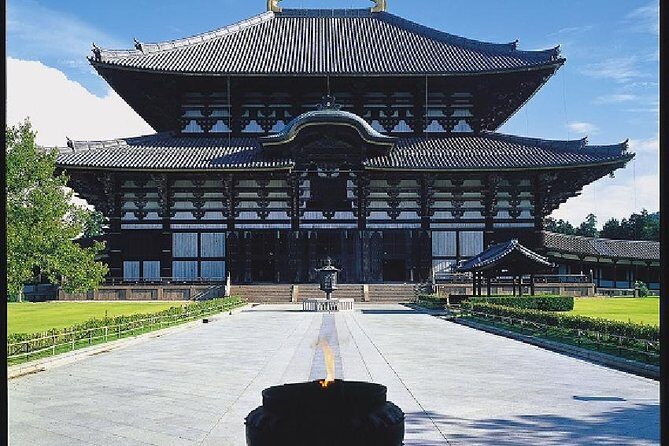
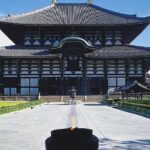
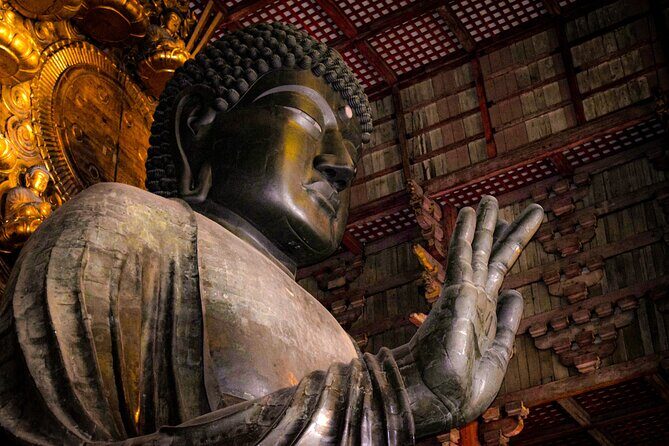
Later you’ll reach Todai-ji Temple, one of Japan’s most important Buddhist sites. It’s famous for massive wooden architecture and for housing a giant Buddha statue inside. The stop is about 1 hour.
Important money note: Todai-ji admission is not included and costs ¥800 per person. Everything else listed in the day is marked as free in the tour details, but Todai-ji is the one you need to budget for.
If you’re the kind of person who likes to understand what you’re looking at, your guide can help connect the scale to the stories people associate with the temple. If you’re more of a photo-first person, take a slower pace inside so you don’t rush past the scale of the main hall.
Osaka street energy after Todai-ji: Dotonbori to Shinsaibashi

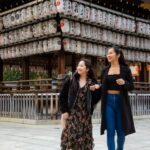
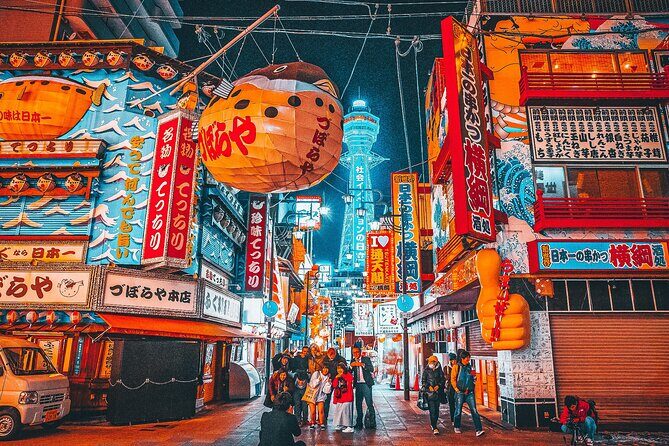
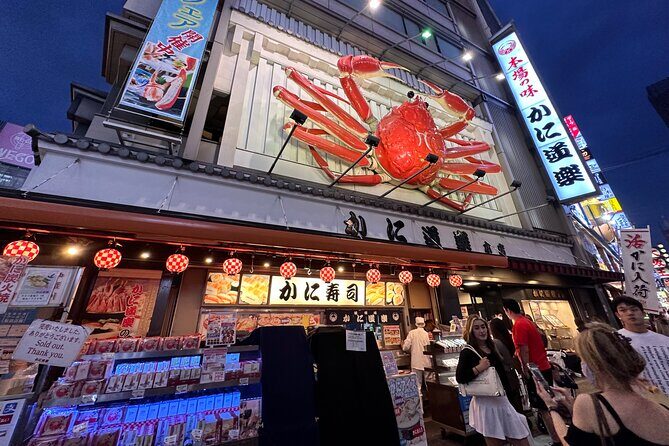
Once the day shifts back into Osaka neighborhoods, it gets loud—in a good way. The first major hit is Dotombori District, including the riverside and neon signage area around Dotonbori/Shinsaibashi. This is where you’ll see the famous running man sign and get the feeling that Osaka’s “nightlife pulse” lives in this corridor.
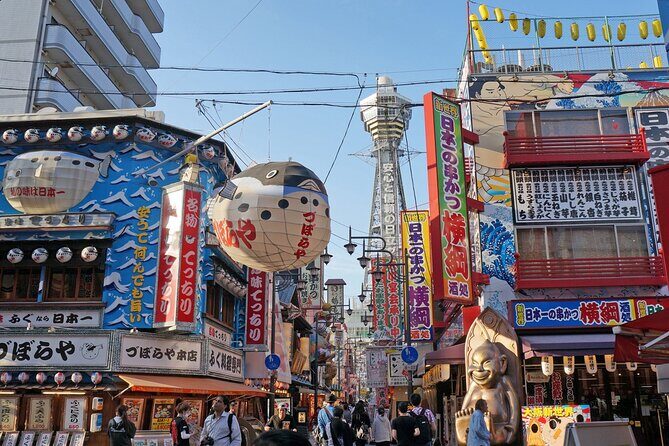
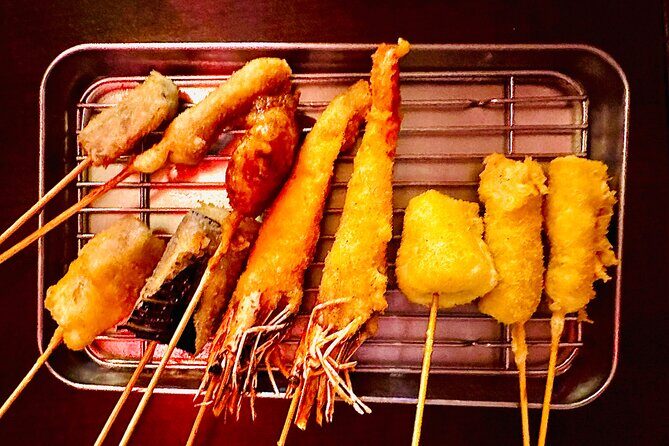
From there you’ll go through Tsutenkaku Hondori Shopping Street, known as a symbolic Osaka street with local shops and a lively crowd. It’s also a street where food is part of the fun. If you want to try street snacks, this is a sensible moment because you’ll be walking and looking anyway. (You’ll want to share or pace yourself—street food can stack fast.)
Then comes Shinsaibashisuji Kita Shotengai, one of the most crowded shopping arcades. Think lots of people, lots of storefronts, and a constant flow that feels like you’re walking through the city’s everyday pulse.
Two practical tips for these Osaka shopping districts:
- Keep your hands free for photos and small purchases, since crowds can make bags annoying.
- If you’re sensitive to noise, step into side streets for short breaks, then come back.
The Red-Line district stop: understand what you’re seeing
The plan also includes a stop at the so-called red-line district area. The tour description points out that this is a place where you may see sex work from traditional-looking houses, including costumes styled like school uniforms. You may also see people waving from along the street.
This isn’t a spot to gawk at like a spectacle. It’s more useful as a cultural reality check—Osaka has corners that feel very different from the cute postcard version. The respectful approach is simple: look briefly, stay safe, and follow your guide’s lead on where to stand and how to move.
Todai-ji Shoro (Bell Tower): timing the 8 pm bell ritual
To finish the Nara temple part, you’ll visit Todai-ji Shoro (Bell Tower), about 10 minutes. This stop is tied to the famous bells at Todai-ji, including a bronze bell described as among Japan’s top three bells and noted as sounding at 8 pm.
The tour details mention a monk rings the bell every 8 pm, and that it will sound for days even when it never hits the target. Whether you hear it perfectly or just catch the build-up, this is one of those stops that can add a special time-of-day feeling—especially if your schedule lands you in the area close to evening.
Even if you’re not a bell person, it’s a great closing image: bronze, ceremony, and the shift from day sightseeing into night atmosphere.
Dinner and restaurant guidance: how to avoid the tourist-food trap
This tour includes a dinner-time plan with a local restaurant guide, but dinner itself isn’t included. That’s useful because Osaka has plenty of places that look good from the street but can be hit-or-miss once you’re seated.
In the guide feedback, Daiki is praised for bringing people to good food spots and for helping with what to order. That matters most when you don’t speak Japanese and you’re hungry but don’t want to waste time guessing.
If you’re picky about timing, tell your guide early. The day runs from mid-afternoon into the evening, so you’ll want dinner to feel like part of the schedule, not an afterthought.
What I’d expect about your guide experience with WadaF Tours
The standout theme in the guide notes is consistent: Daiki shows up on time, explains things clearly in English, and adjusts the day to your interests. People also mention his safe driving and his ability to use back streets and side routes that you’d never find on your own.
A more subtle plus: he helps with photos, including where to stand for the best shots. That can save you time when you’re dealing with crowds and quick stops.
So this tour doesn’t just move you between famous places. It turns those stops into a story you can actually follow.
How much walking and crowds to plan for
Even though it’s private, you’re still doing a lot of sightseeing. Nara Park has deer roaming and walkways that can be crowded. Dotonbori and Shinsaibashi are busy by nature—lots of people, bright signs, and fast-moving crowds.
Your advantage is that you’re not fighting public transportation. Your challenge is that you’ll want comfortable shoes, water, and a flexible pace. If you’re traveling with someone who needs long seating breaks, you’ll likely want to request shorter walk moments when the day feels crowded.
Who this Osaka and Nara private van tour is best for
This works especially well if you want:
- A simple day plan that hits both Nara and Osaka without train transfers
- A guide who can translate culture and context, not just read off a checklist
- Nighttime city atmosphere, since the schedule is set to include Osaka evening energy and the bell timing at Todai-ji
It may be less ideal if you want a slow, museum-heavy trip with lots of free time. This is built for seeing major highlights in a single afternoon-to-evening window.
Should you book this Osaka and Nara in 1 day tour?
I’d book it if you like the idea of pairing Nara’s deer-and-temple moments with Osaka’s neon street energy, and you want a private van plan that includes pickup flexibility and a local guide named Daiki. It’s also a good match if you’d rather spend your energy enjoying the sights than figuring out transit.
Before you pay, do two quick checks:
- Budget the one admission you’re likely to need: Todai-ji ¥800 per person.
- Make sure you’re okay with a packed schedule, plus crowds in Dotonbori and Nara Park.
If that sounds like your kind of day, this is a strong value way to experience Osaka and Nara without the hassle.
FAQ
FAQ
How long is the Osaka and Nara private van tour?
The duration is listed as about 6 hours 30 minutes to 7 hours 30 minutes.
What time does the tour start?
The start time is 1:00 pm.
Can I get picked up from Kyoto, Osaka, or Nara?
Yes. Pickup and drop-off are available anywhere within Kyoto, Osaka, and Nara cities, and pickup and drop-off points can be different.
Is this a private tour?
Yes. It’s a private tour/activity, meaning only your group participates.
Which major sites are included, and is Todai-ji admission extra?
Nara Park and Osaka Castle are included with free admission in the tour details. Todai-ji Temple admission is not included and costs ¥800 per person.
Are lunch and dinner included?
The tour includes a local restaurant guide for dinner time, but dinner is not included. Lunch time is also not included.
What vehicle will I ride in?
It’s listed as an air-conditioned private car: Nissan Serena (2–6 pax) or a mini convertible (1 pax).
What is the cancellation window?
You get free cancellation up to 24 hours in advance for a full refund.