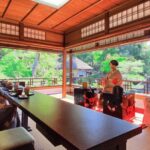
Gion can feel like a movie set. This tour is your guided way into the real rhythms behind the scenery, from Kabuki’s origins to Zen temples, then right into a maiko dance moment with time to ask questions. I love how the walk mixes stories with actual places, not vague legends. I also love the small-group feel (max 9) that makes it easier to hear, ask, and keep up. One drawback to keep in mind: it’s a nighttime walk with some steps, so it’s not the best pick if you have leg problems.
The second half is the main event: a 45-minute meeting and show with an apprentice geisha, plus a Q&A. Guides like Akari and Ken (Ken’s Tours Kyoto) are repeatedly praised for being respectful and for clearing up misconceptions in plain language. If you choose the dining option, read the details carefully, because a meal can be a make-or-break value point depending on what’s included for your booking.
You’ll move at a steady walking pace through Gion’s narrow streets, temple lanes, and shrine grounds. Good weather matters since the experience is weather-dependent, so plan for layers and an attitude of “Kyoto does what it wants” when rain hits.
In This Review
- Key things to know before you go
- Why Gion feels different with a guide-led walk
- The 3-hour rhythm: what happens from start to finish
- Stop 1: Izumo-no-Okuni and Kabuki’s early roots
- Stop 2: Minamiza Theater and the old-stage to new-technology thread
- Gion Shirakawa and Hanamikoji: the streets that carry the myths
- Tatsumi-jinja Shrine: a Shinto stop that makes Gion make sense
- Kennin-ji Temple and Zenkyoan: Zen, then boar guardians
- The 45-minute maiko meeting and show: what you’re really buying
- Dining options: how to judge value if your booking includes a meal
- Price at about $121: what’s included, what might cost extra
- Weather, comfort, and etiquette tips that make the night smoother
- Who should book this Gion Cultural Walk & Geisha Show
- Should you book this tour?
- FAQ
- How long is the Kyoto Gion Cultural Walk & Geisha Show?
- Is there a geisha show included?
- How many people are in the group?
- Which stops are included on the walk?
- Are temple admissions included?
- What is the cancellation policy?
Key things to know before you go
- Small group (max 9): more time for questions and easier photo help than big buses.
- 45-minute maiko meeting + show: dance performance plus a Q&A, not just a quick hello.
- Gion basics you’ll actually use: you’ll connect geisha/geiko traditions to the city’s theater and religion.
- Several major sights are free to enter on this route: most stops list free admission.
- Two temple stops may cost extra: Kennin-ji and its subtemple have tickets not included.
- Optional dining can change your value: some bookings include a family-style meal, others don’t.
Why Gion feels different with a guide-led walk
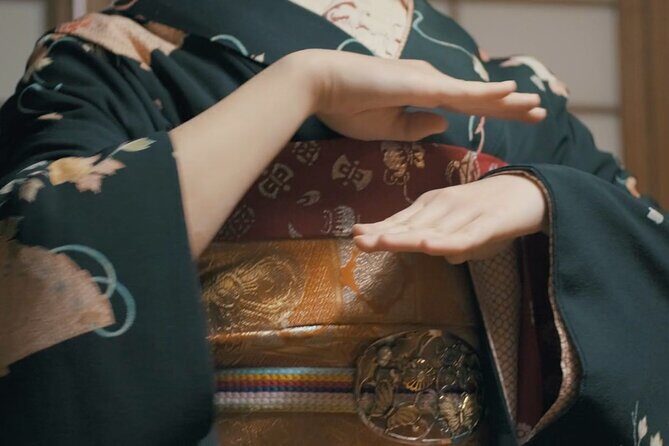
Gion looks postcard-perfect at first glance. The real payoff here is that your guide puts the scenes into context while you’re still there, so the details start meaning something.
You’ll hear how performance culture, religion, and neighborhood life connect in Kyoto. For example, the tour starts by linking Kabuki’s early theater story to the later evolution of female performance—and then you trace that thread through Gion, where geiko and maiko traditions still shape daily behavior. It’s the kind of perspective that helps you notice things you’d otherwise miss: the why behind the shrines, the purpose of temple spaces, and the reason certain streets and districts matter.
And because you’re walking with a guide, you’re not stuck playing detective with signage in a maze of lanes. A good host also helps you ask the questions you actually want to know, instead of just staring at pretty streets and hoping to spot the right person.
A few more Kyoto tours and experiences worth a look

The 3-hour rhythm: what happens from start to finish
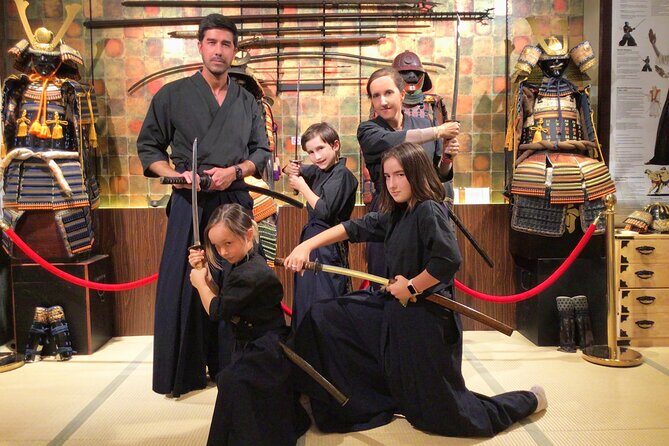
This experience runs about 3 hours. Roughly, you get 1.5–2 hours of guided walking through Gion, then the geisha encounter segment is about 45 minutes with the apprentice geisha’s dance show and time for questions.
Stops are timed so you can actually absorb each place without feeling rushed. Expect short stops—usually 10–15 minutes each—so you can enjoy the atmosphere and then move on while the guide ties each location to the bigger story of geiko/geisha culture in Kyoto.
Also note the tour ends in a different location than where it starts. You’ll want to plan transport for the end point, not just your starting area.
Stop 1: Izumo-no-Okuni and Kabuki’s early roots
Your tour starts at the Statue of Izumo-no-Okuni in Higashiyama. This is a smart opening because it frames the whole night through theater origins rather than starting with sightseeing only.
You’ll learn about Kabuki and the feminine beginnings of the stage. Even if you already know that today’s Kabuki is largely performed by men, this stop gives you the earlier context: how women were part of the story at the beginning. That matters, because it sets up the later theme of performance traditions changing with time—and with social rules.
This stop is also listed as free entry and is short, around 15 minutes. You’re not committing to a long museum visit here. You’re getting a cultural “why” before you step into Gion.
Stop 2: Minamiza Theater and the old-stage to new-technology thread
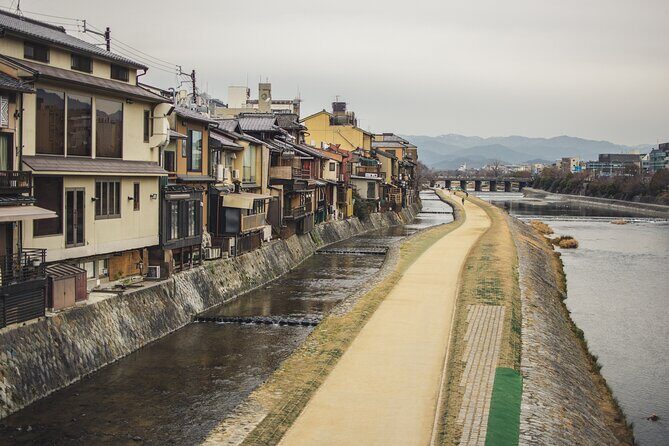
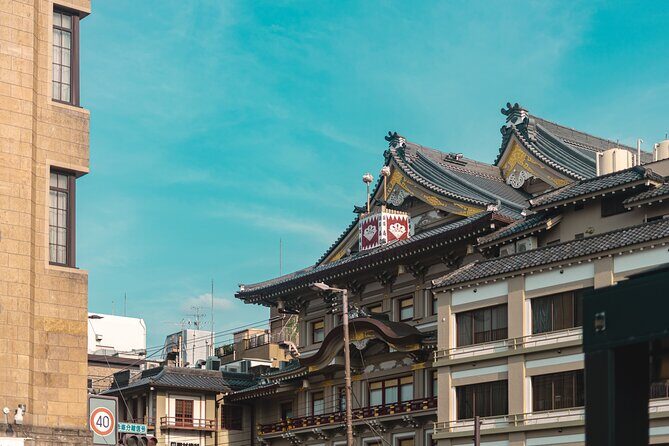
Next up is Minamiza Theater. You get a quick look at the architecture of the oldest Kabuki theater, plus a guided story about how modern tech like VR intersects with Kabuki.
Even if you’re not a tech person, the point is useful: this isn’t just about keeping tradition in a glass case. People are still finding ways to communicate these stories to new audiences. It’s a nice contrast as you transition from theater history into the lived geography of Gion.
This stop is also listed as free admission and about 10 minutes. Short and purposeful.
Gion Shirakawa and Hanamikoji: the streets that carry the myths
Now you’re in classic Gion. The tour highlights Gion Shirakawa first—described as one of the most beautiful parts of Gion, with old-fashioned streets and buildings by the riverside. This is where you start to “read” the neighborhood: the street layout, the rhythm of foot traffic, and the sense that these are working streets, not staged sets.
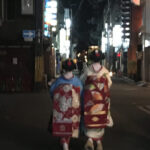
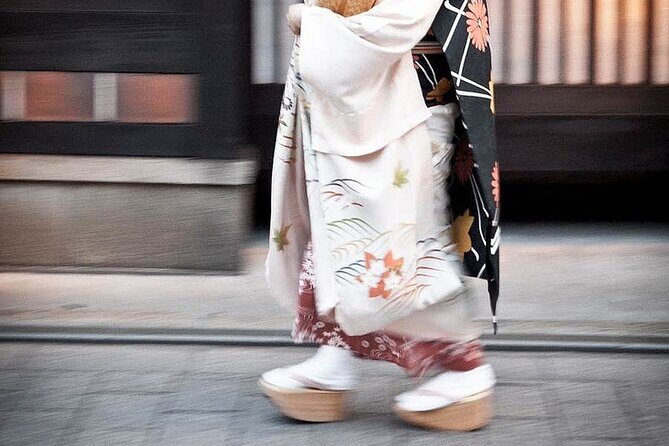
Then you hit Hanamikoji Street, Gion’s main lane. This is one of those places where your eyes naturally want to hunt for geisha. If luck is on your side, you may see geisha walking around. Either way, the real value is that your guide explains what you’re looking at, so you’re not just trying to spot celebrities.
Each of these areas is brief—about 10–15 minutes per stop—but the guide’s commentary is what makes it feel longer.
A practical tip: wear shoes you can walk in comfortably. Gion streets can be uneven, and you’re going to do a lot of slow-moving steps through lanes.
Other walking tours we've reviewed in Kyoto




Tatsumi-jinja Shrine: a Shinto stop that makes Gion make sense
In between the street scenes, you’ll visit Tatsumi-jinja Shrine (Tatsumi Dai-myojin). This is your Shinto context stop, and it’s genuinely useful because it adds another layer to how people think about place in Japan.
You’ll learn what Shinto is and get a sense for the idea of Japan having millions of gods (the tour notes eight million). The takeaway isn’t a trivia dump. It’s the idea that spiritual meaning is woven into everyday spaces, and you can see that in neighborhoods like Gion.
This stop is free entry and about 15 minutes. It’s also a nice mental reset between the busiest streets and the calmer temple spaces ahead.
Kennin-ji Temple and Zenkyoan: Zen, then boar guardians
The later part of your walk turns from shrine and street culture into Zen Buddhist space.
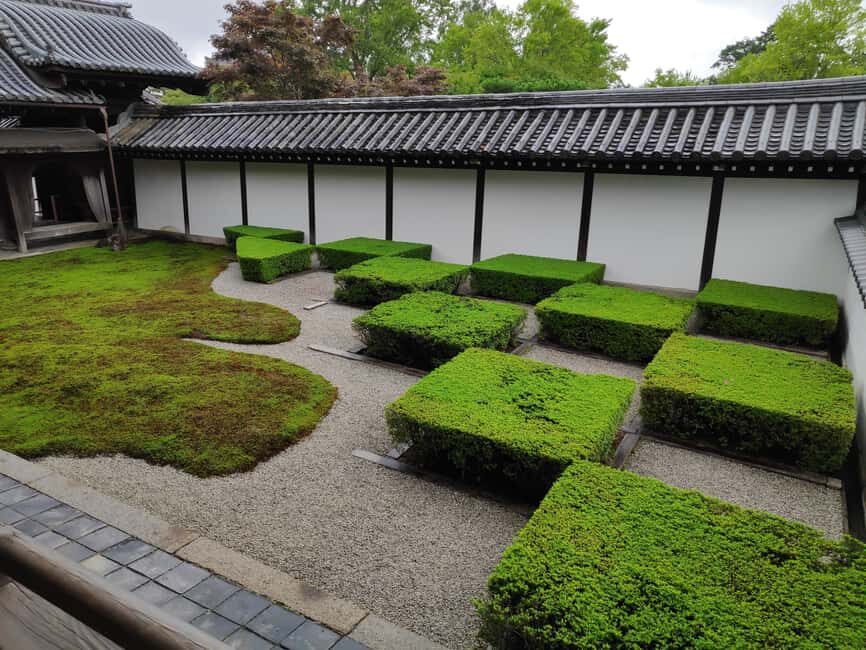
At Kennin-ji, you’ll learn about Zen Buddhism and visit a temple built in 1202. The guide’s job is to connect the spiritual approach to what it looks like on the ground—so you’re not just checking off a landmark, you’re understanding why this kind of quiet space exists inside a district famous for performance.
Kennin-ji is listed as not included for admission. So if you’re budgeting tightly, plan for a ticket cost here.
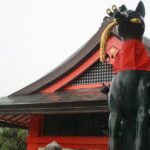
Then you continue to Zenkyoan (Marishitendo), a subtemple in Kennin-ji, known for boar guardians and themes of luck and safety. The boar detail is the kind of thing you’ll remember after the tour ends, and it also helps you understand how temple symbolism protects and guides people in day-to-day life.
Like Kennin-ji, admission for this stop is listed as not included.
The 45-minute maiko meeting and show: what you’re really buying
This is the reason most people book: the geisha show and meeting with an apprentice geisha.
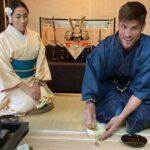
You’ll spend about 45 minutes in this part of the experience, which is a meaningful chunk of time. It’s not a staged photo op and then off you go. The format includes a dance performance—often with one or two songs—plus Q&A time where you can ask direct questions.
What makes it work well is the guide translation and preparation. Guides such as Ken and Akari are singled out for being respectful and for helping everyone understand what’s happening, including answering questions and clearing up misconceptions. That’s important because geiko and maiko culture can feel contradictory if you’ve only seen it through movies.
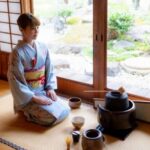
One extra detail to know: tea may be part of the pacing. Several descriptions mention a tea moment before or around the performance segment. It’s a calm reset that also makes the meeting feel more ceremonial and less like a show you just watched.
Photo note: one past guest mentioned restrictions on sharing pictures on social media. I can’t tell you what your exact session allows, but it’s smart to assume you might need to follow instructions about photography. If that matters to you, ask your guide what’s allowed before you start snapping.
Dining options: how to judge value if your booking includes a meal
Your tour is sold with dining options, and that’s where the value can swing.
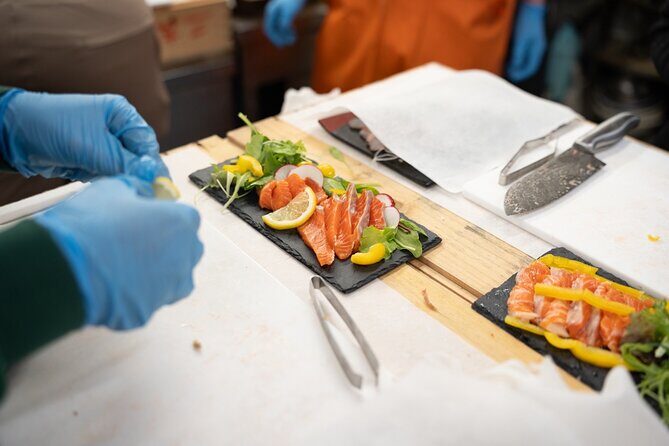
In some versions, the meal is described as served family-style with lots of options, including help for dietary restrictions. Several guests also describe it as delicious and a nice add-on to the geiko/geisha experience.
But one caution shows up too: if you pay extra for a meal, you don’t want to feel shorted. At least one person was unhappy with portion size and said they came out hungry.
So how do you protect yourself?
- When booking, double-check what the meal option includes (type of meal, how it’s served, and whether it’s guaranteed as part of the package).
- If you’re a big eater or you have strong dietary needs, treat the dining add-on as a bonus, not a guaranteed full dinner—unless the package details clearly say it replaces a meal.
If the dining option is clearly described as substantial, it can add comfort after the walk. If it’s vague, you’ll sleep better with a snack plan.
Price at about $121: what’s included, what might cost extra
At $121.37 per person, you’re paying for guided walking, plus a structured meeting-and-show segment with an apprentice geisha. That’s the heart of the value.
Here’s what to consider when judging whether it’s worth it for you:
- Included: about 1.5–2 hours of guiding in Gion and a 45-minute geisha meeting and show with the apprentice geisha.
- Not included: at least some temple admissions (Kennin-ji and Zenkyoan list admission not included).
- Optional: dining options may add cost and can change the overall value based on portion size and what’s offered.
- Small group: max 9 travelers. That can justify the price if you care about asking questions and hearing the guide clearly.
If you’re the type who wants context and access—time with a maiko and a Q&A—this is more like a cultural session than a typical “see the streets” walk. If you mainly want photos and minimal narration, you may feel this is priced high for the walking portion alone.
Weather, comfort, and etiquette tips that make the night smoother
This experience requires good weather, and Kyoto rain can turn a plan into a muddy slog fast. The good news: guides have shown up prepared in past sessions with things like rain ponchos and umbrellas when storms roll in, along with cold towels and small comfort touches like icy drinks.
You should still plan like you might not get those extras every time:
- Bring a light layer for cool evenings.
- Wear grippy shoes.
- If you need help with stairs or uneven surfaces, consider skipping this one; it’s not recommended for travelers with leg problems.
Etiquette matters too, especially around performers. The guide’s role isn’t just translation—it’s also keeping the experience respectful. So don’t treat the meeting like a casual chat. You’re there to learn, watch, and ask questions during the allotted time.
Who should book this Gion Cultural Walk & Geisha Show
You’ll likely love this tour if:
- You want more than wandering Gion on your own.
- You care about the cultural logic behind what you’re seeing—Kabuki roots, Shinto context, Zen spaces, and then the geiko/geisha world.
- You like small groups and question time, not just listening while you walk.
You might think twice if:
- You want a long, unguided roaming schedule. This tour is structured, and stops are timed.
- You’re sensitive to walking. It’s about a 3-hour outing with multiple stops and some temple areas.
- You’re booking dining without clear details. If your meal expectations are high, confirm what’s included.
Should you book this tour?
If you’re visiting Kyoto and you want a real cultural moment with an apprentice geisha—not just a drive-by—this is a strong choice. The main value is the combination: Gion walk with context plus a 45-minute maiko meeting and Q&A.
My advice: book it if you enjoy learning in context and you want to ask questions in a small group. If you’re adding dining, treat the meal as something to verify so you don’t end up disappointed.
FAQ
How long is the Kyoto Gion Cultural Walk & Geisha Show?
The tour runs about 3 hours.
Is there a geisha show included?
Yes. The experience includes a geisha meeting and show for about 45 minutes with an apprentice geisha, including a dance performance and time for questions.
How many people are in the group?
The group size has a maximum of 9 travelers.
Which stops are included on the walk?
The route includes the Statue of Izumo-no-Okuni, Minamiza Theater, Gion Shirakawa, Tatsumi-jinja Shrine, Hanamikoji Street, Kennin-ji Temple, and Zenkyoan.
Are temple admissions included?
Admission is listed as free for several stops (Izumo-no-Okuni, Minamiza Theater, Gion Shirakawa, Tatsumi-jinja, and Hanamikoji). Admission for Kennin-ji and Zenkyoan is listed as not included.
What is the cancellation policy?
Free cancellation is available up to 24 hours in advance for a full refund.