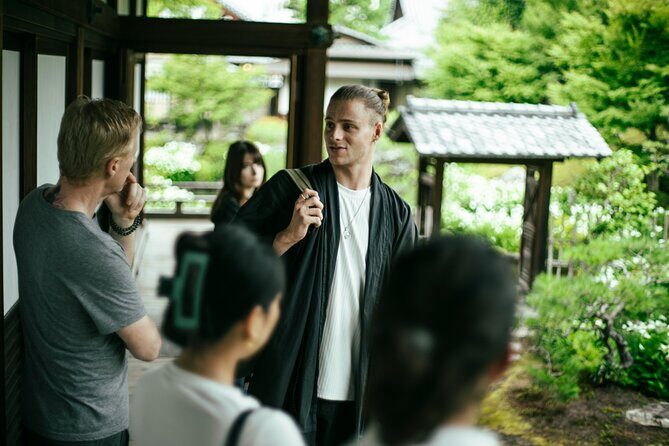
Kyoto by e-bike feels like cheating—in a good way. You zip through Gion, slip into quiet back streets, and land at big sights like Fushimi Inari-taisha without spending your whole day in slow lines. It’s a 4-hour loop with a small group (max 8), led by Maki/Mika, who explains Shinto and Buddhism with humor and real local context.
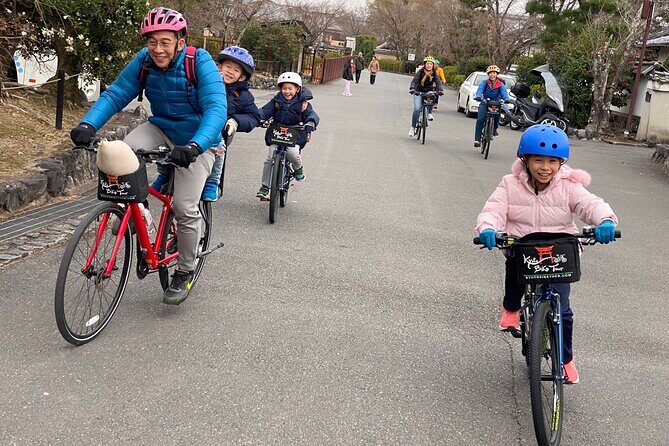
I especially like how the route mixes the famous with the livable. You get short, focused time at the headline temples and shrine gates, plus time in neighborhoods you’d probably bike past on your own. The second big win is how low-stress it is: you’re on an e-bike with helmets, bottled water, and snacks, so your day stays fun even when Kyoto is hot or busy.
One consideration: this is weather-dependent. If it’s not decent out, the tour may be changed or refunded, so build in a little flexibility on your schedule.
In This Review
- Key highlights to pay attention to
- Riding into Gion on an e-bike (and why that start matters)
- Higashiyama’s temple stop: quiet meaning over checklist sightseeing
- Fushimi Inari-taisha and its shrine gates: more than a photo stop
- Tōfuku-ji Temple and the Kamogawa River ride back
- What you learn on the ride (beyond the stops)
- Price and value: $86.22 for what actually gets done
- Who this tour fits best (and who might prefer something else)
- Quick planning tips so you enjoy every pedal
- Should you book Pedal Adventure Kyoto’s e-bike tour?
- FAQ
- How long is the e-bike tour?
- How much does the tour cost?
- Where is the meeting point?
- How many people are in the group?
- What’s included in the price?
- What is not included?
- What kind of ticket do you get?
- Is good weather required?
Key highlights to pay attention to
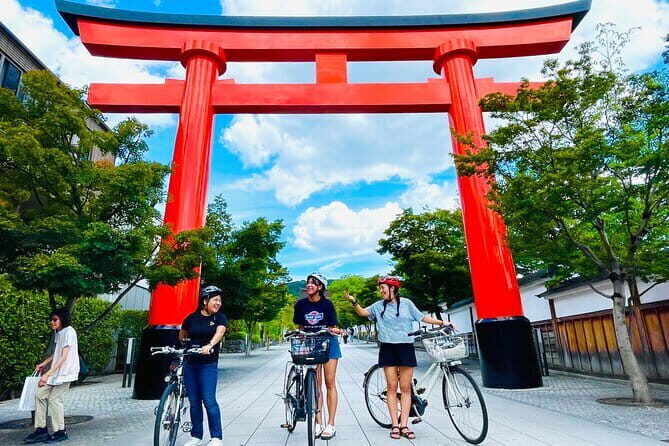
- Small-group pace (max 8) keeps the ride from feeling like a cattle drive
- E-assist makes Kyoto’s roads easier even if you’re not used to biking
- You visit major icons plus quieter lanes instead of only doing the postcard spots
- Gion, Higashiyama, Fushimi Inari, and Tōfuku-ji in one smooth circuit
- Food and water are handled with snacks and bottled water included
- Safety-first guide habits like hand signals and pacing for comfort
Riding into Gion on an e-bike (and why that start matters)
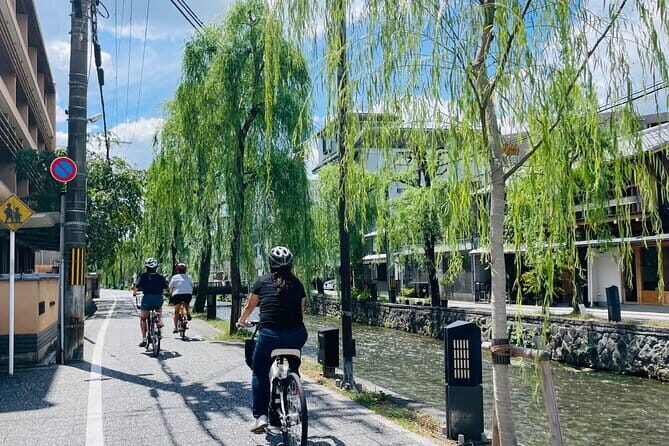
The tour starts at 19 Shōgoin Higashimachi in Sakyo Ward. After you’re fitted with the e-bike and a helmet, you do a short warm-up ride—about 10 minutes—and then you’re in Gion.
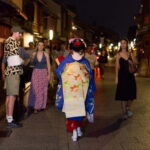
This first stop is a smart setup. Gion is famous, sure, but the value here is timing and angle. You’re not just standing around guessing where to look; you’re moving by bike through the streets and scenery, then taking a brief stop to learn what people are actually referring to when they talk about Geisha culture. The included time is short (about 10 minutes), so don’t expect a long deep dive right at the gate. Instead, think of it as orientation: you get the cultural context so the sights make more sense as the day continues.
Practical note: Gion roads can feel narrow and busy in pockets. The e-bike helps you stay relaxed, but you still want to keep your focus on the guide’s pace and hand signals.
Other cycling tours in Kyoto


Higashiyama’s temple stop: quiet meaning over checklist sightseeing
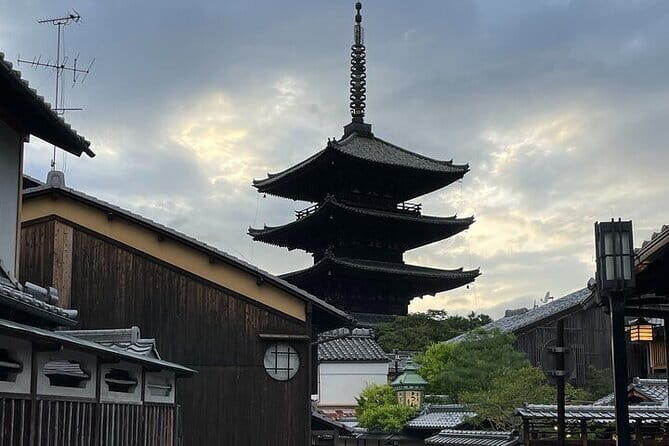
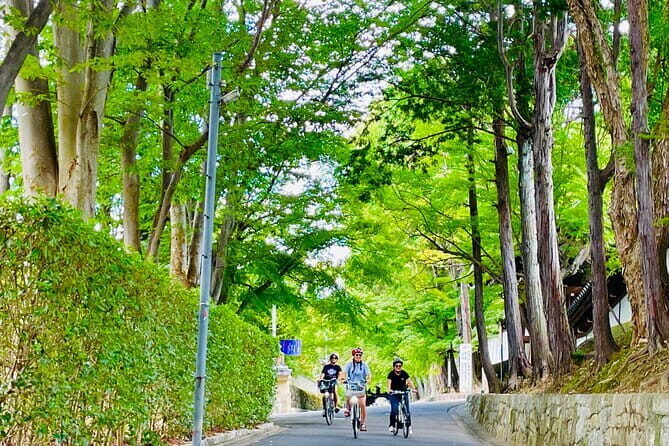
After Gion, you ride roughly 15 minutes into the Higashiyama area. This is where the tour shifts from “see the famous place” to “understand what you’re seeing.”
You’ll visit a temple stop that lasts about 50 minutes. The time matters. A longer temple visit gives you room to notice details you’d miss if you’re rushing between landmarks—things like the way people move through the space, the tone of the grounds, and the cultural rules around what you should and shouldn’t do.
You also get a quick snack during this portion. That small break is more than convenience. It helps you keep your energy steady before the most visually intense stop of the day: Fushimi Inari. And yes, the guide ties it into the big picture—topics like Buddhism and Shintoism come up throughout, not just as a lecture.
Potential drawback at this stop: if you’re the type who wants maximum free roaming at every site, you may feel the structure a bit. The benefit is that the route stays efficient and meaningful; the tradeoff is you’re not always wandering totally on your own schedule.
Fushimi Inari-taisha and its shrine gates: more than a photo stop
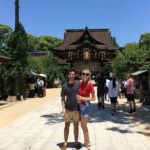
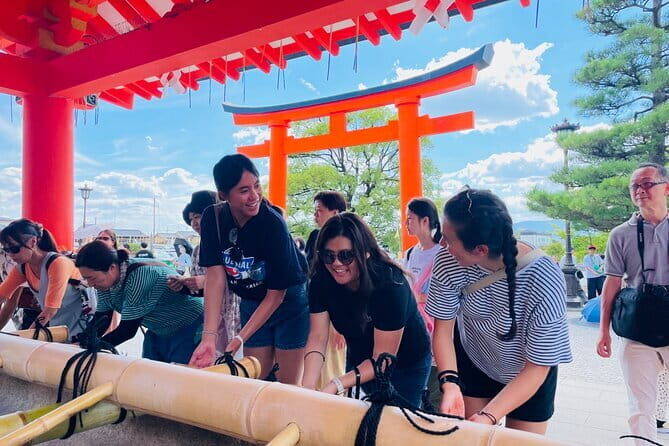
Then comes the headline: Fushimi Inari-taisha Shrine. You’ll spend about 40 minutes here, with time to walk and take in the shrine gates (senbon torii).
This is a place where the “what you’re looking at” matters. The tour’s value is that you don’t just see thousands of gates and think, wow, that’s pretty. You get context tied to Shinto practice—so you understand why the site looks the way it does and what the atmosphere is communicating.
Forty minutes can be just the right amount for this kind of stop. Long enough to experience it without feeling like you have to sprint. Short enough that you don’t lose the group dynamic (and your legs) before the ride back.
One thing to plan for: even with a bike tour route, Fushimi Inari is still one of Kyoto’s most visited areas. You’ll likely encounter crowds at points. That’s normal. The win is that the e-bike tour helps you get there and out of the area smoothly.
Tōfuku-ji Temple and the Kamogawa River ride back
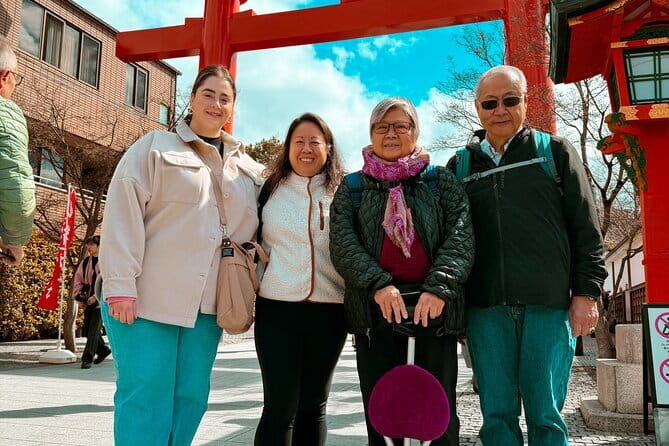
After Fushimi Inari, you bike around 10 minutes to the Tōfuku-ji complex. This portion is shorter—about 20 minutes total at this stage of the day—then you follow the Kamogawa River back toward the start point.
I really like this ending section. The temple stop gives you another cultural anchor, and then the river ride turns the day into something more like a journey. Kyoto by bike along a river path feels calmer than you’d expect. It’s a nice contrast to the gate-dense intensity of Fushimi Inari and the temple quiet of Higashiyama.
Also, this is where you benefit from the e-bike again. Kyoto can be flat overall, but city streets and stop-and-go riding still add up. With e-assist, you stay comfortable and keep moving without arriving totally wiped.
If you’re worried about comfort: some guides use baskets on the bikes, which is a big help for jackets or small bags. It’s the kind of detail that makes the ride feel practical instead of fiddly.
What you learn on the ride (beyond the stops)
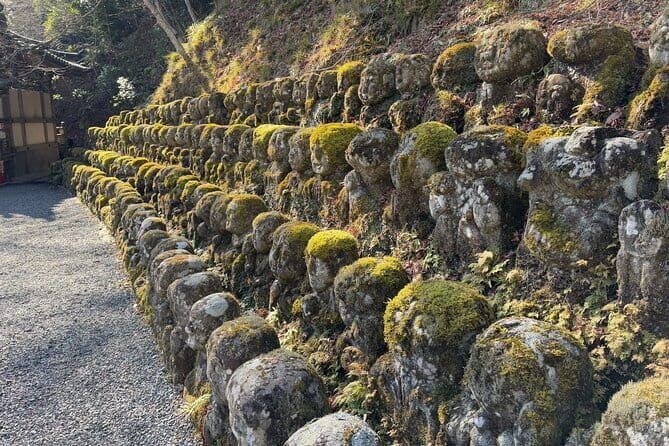
The tour isn’t only about pinning locations on a map. The guide brings in culture topics as you move—things like Samurai, plus how Shinto and Buddhism show up in everyday life.
In the best moments, the explanations don’t feel like facts dumped on you. They connect to what you can see outside homes and on streets—objects and small details that many visitors might walk past without noticing. That’s a big part of why guided e-bike tours work in Kyoto: you’re traveling through neighborhoods, not just between monuments.
You may also hear entertaining culture tidbits. For example, one guide explanation covered why passing food between two people using chopsticks can be taboo, and that there’s even a museum in Odaiiba about poop. Stories like that won’t be your main reason to book—but they make the day stick in your memory.
A few more Kyoto tours and experiences worth a look

Price and value: $86.22 for what actually gets done
At $86.22 per person for about 4 hours, the price is in the “worth it if you want a full, guided circuit” zone.
Here’s what you’re paying for that you’d struggle to replicate solo without extra effort:
- Coordinated routing that links Gion → Higashiyama → Fushimi Inari → Tōfuku-ji → river return
- An English-speaking route coordinator who explains what you’re seeing
- Practical inclusions that reduce friction: e-bike + helmet + bottled water + snacks
Is it cheap? No. But it’s not just a ride. You’re buying time saved, context delivered, and a route designed for short stops that still feel rewarding. For many people, that turns into real value: you cover major sights with less wandering stress and fewer “what do I do now?” moments.
The big “not included” item is lunch, so plan for that on your own. If you’re the type who gets hungry midday, eat before the tour or budget for a meal right after.
Who this tour fits best (and who might prefer something else)
This is a great fit if you want:
- An easy-going way to see Kyoto without tiring yourself out
- A guide who speaks English well and shares personal, local context
- Stops that mix the famous with quieter streets, not just a highlights bus ride
It also works well for families and groups because the pacing is designed to keep people comfortable. In real outings, the guide has handled hot weather with added care like water and cooling comfort items, and built in rest rhythm.
It might be less ideal if:
- You want a free, solo style where you can linger for hours at one shrine
- You hate bike riding at all (even e-assist requires basic comfort)
- You don’t want any weather uncertainty (the experience depends on good weather)
Quick planning tips so you enjoy every pedal
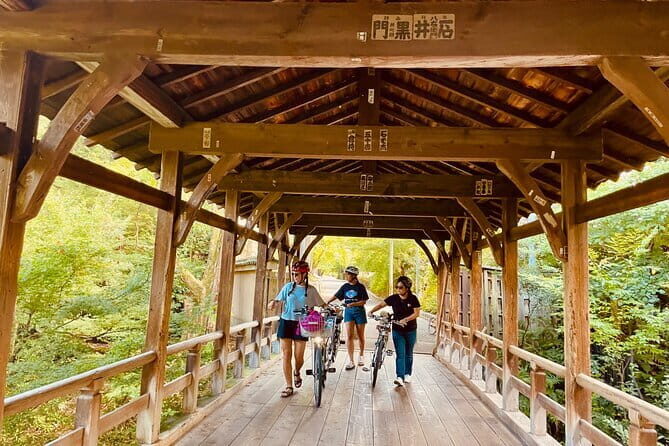
Kyoto by bike is easier when you show up prepared.
- Wear comfortable shoes. You’ll still walk around at each stop.
- If you’re visiting in warmer months, bring a mindset for heat: hydration is included, but extra electrolytes can help your body feel better.
- Keep expectations on timing: the itinerary is structured, so you’ll see plenty, but you’ll also move on when the group moves.
Finally, ask questions. The guide is very willing to tailor explanations to what you care about—culture rules, what things mean, and why certain practices exist.
Should you book Pedal Adventure Kyoto’s e-bike tour?
Yes, if you want a high-efficiency, low-stress Kyoto day that still feels human and local. The route makes sense, the guide’s storytelling (including names like Maki/Mika) turns monuments into context, and the e-bike removes the most annoying part of exploring Kyoto—getting around without burning energy.
Skip it only if you want ultra-flexible free time at each site or if you’re scheduling a day with zero weather backup. If you can stay flexible, this is one of the more practical ways to hit Gion, Higashiyama, Fushimi Inari, and Tōfuku-ji while also getting that quieter Kyoto feeling along the way.
FAQ
How long is the e-bike tour?
The tour runs for about 4 hours (approx.).
How much does the tour cost?
The price is $86.22 per person.
Where is the meeting point?
The meeting point is 19 Shōgoin Higashimachi, Sakyo Ward, Kyoto, 606-8325, Japan.
How many people are in the group?
The tour has a maximum of 8 travelers.
What’s included in the price?
Included are use of the bicycle, a helmet, bottled water, snacks, and an English-speaking route coordinator.
What is not included?
Lunch is not included.
What kind of ticket do you get?
You receive a mobile ticket.
Is good weather required?
Yes. The experience requires good weather, and if it’s canceled due to poor weather, you’ll be offered a different date or a full refund.