Kyoto has a lot of temples. This is about making art.
In a newly renovated boutique workshop, you create a papier-mâché Daruma-style keepsake (plus options like a dog, lucky cat, or kitsune/fox), then personalize it with paint while learning what these shapes mean. It’s hands-on, low pressure, and great when you want a calmer Kyoto moment that still feels local.
What I like most: you leave with something physical you made yourself, not just another bag of souvenirs. And the small group size (up to 4) keeps it personal, whether you’re painting solo or with family. One heads-up: it’s a craft activity, so plan for some careful handling on the way out if it’s raining, since you’ll be using paint.
In This Review
- Quick hits
- A Kyoto craft session where the point is your hands
- What you create: Daruma, lucky cat, kitsune (fox), and dog
- How the 2-hour session usually flows
- The meaning you’ll pick up without it feeling like a lecture
- Painting tips that help you bring it home safely
- The tea-and-sweets break is part of the experience
- Nearby temples and shrines: use the workshop to set up your next stop
- Price and value: why $25 can feel like a steal
- Who this workshop is perfect for (and who might want a different plan)
- Practical details that matter before you go
- Book it or skip it?
- FAQ
- How long is the Kyoto Daruma craft and painting workshop?
- What is the price per person?
- Do I need any prior experience to paint the figurine?
- What figurines can I paint?
- What’s included in the workshop?
- Is the workshop taught in English?
- How big are the groups?
- Is the workshop wheelchair accessible?
- Where do I meet the host?
- Is there free cancellation?
Quick hits
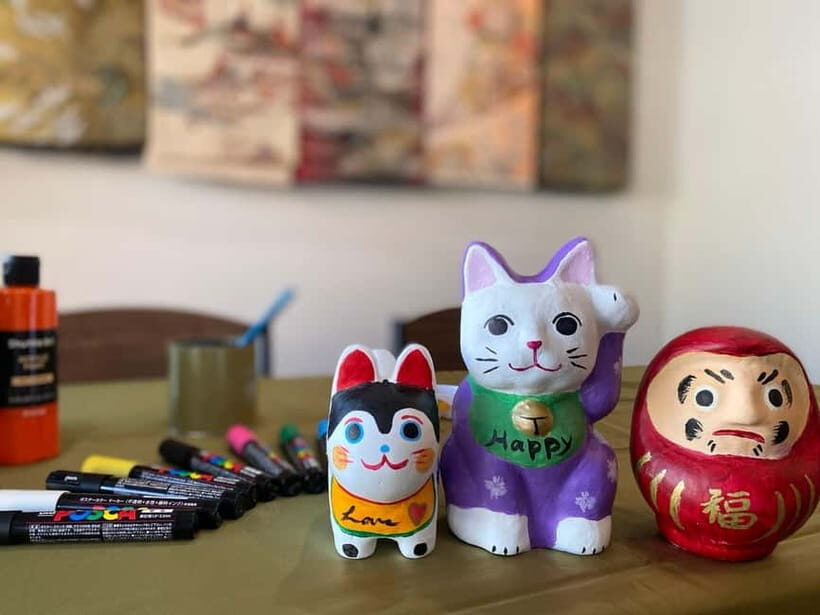
- Make a papier-mâché figurine and paint it in your own style
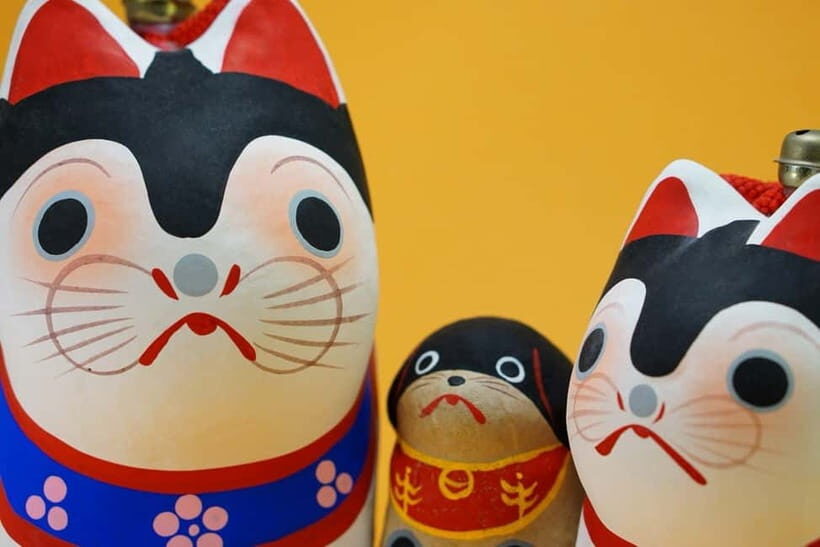
- Choose your character: Daruma, lucky cat, dog, or kitsune/fox
- Free drink + traditional confectionery are included for each guest
- English instruction from a local craftsperson, with lots of encouragement
- Small group pace keeps the session relaxed and un-rushed
A Kyoto craft session where the point is your hands
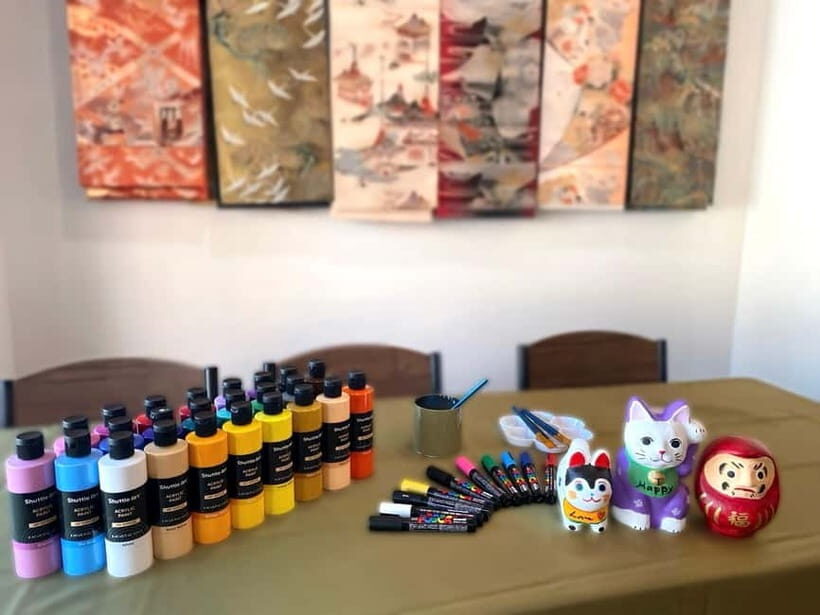
This workshop is the kind of activity that makes Kyoto feel human. You’re not just walking past culture; you’re building it with your own paintbrush and hands. The setting is a boutique craft space, and it feels like you’re stepping into a small artist studio rather than a big, scripted production.
If you like activities that are simple to start and satisfying to finish, you’ll probably enjoy this. In about two hours, you can create a figurine that looks like you—because it is you. People often underestimate how fun it is to slow down and do something creative in the middle of a sightseeing-heavy trip.
The “small group” part matters more than you’d think. When there are only a few participants, your instructor can answer questions, show techniques, and still give you room to do your own thing. That’s the difference between being guided and being managed.
A few more Kyoto tours and experiences worth a look


What you create: Daruma, lucky cat, kitsune (fox), and dog
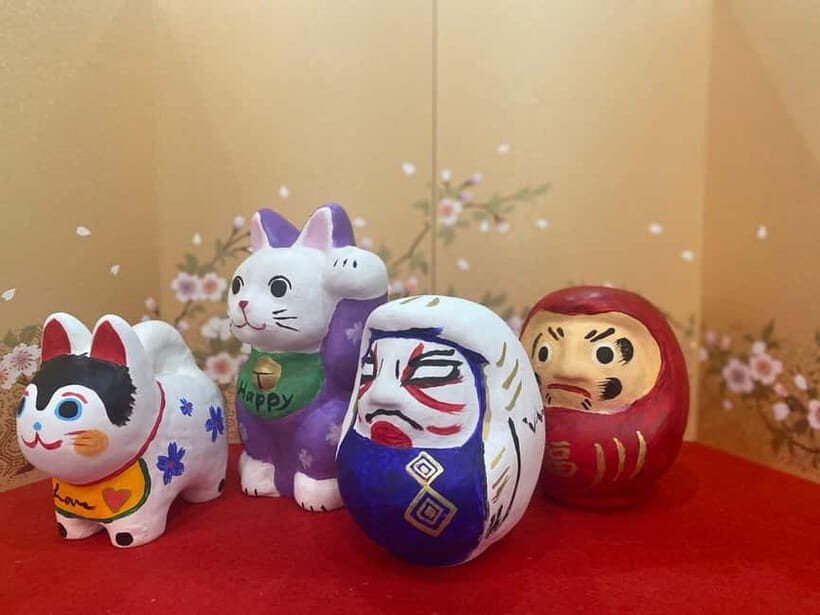
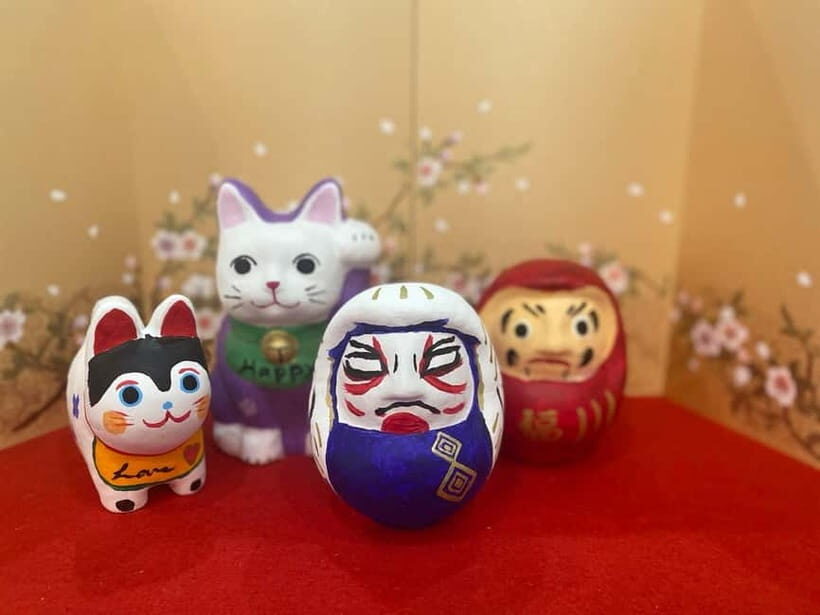
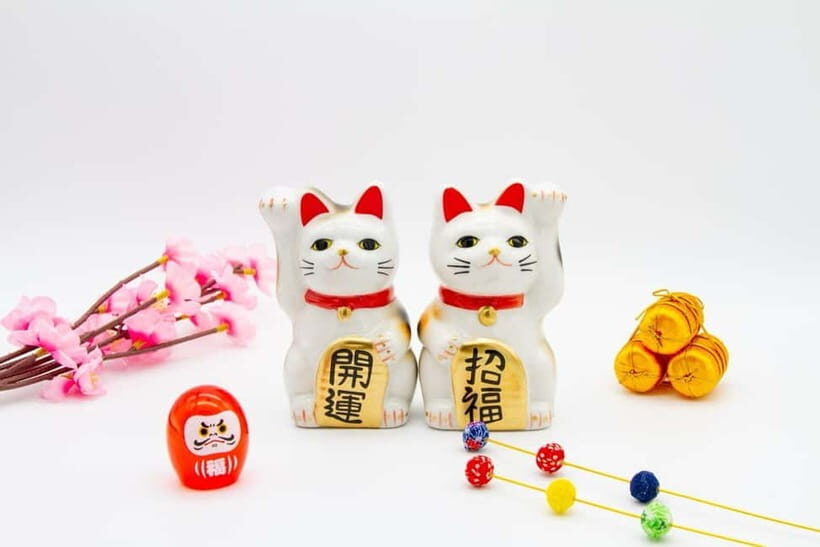
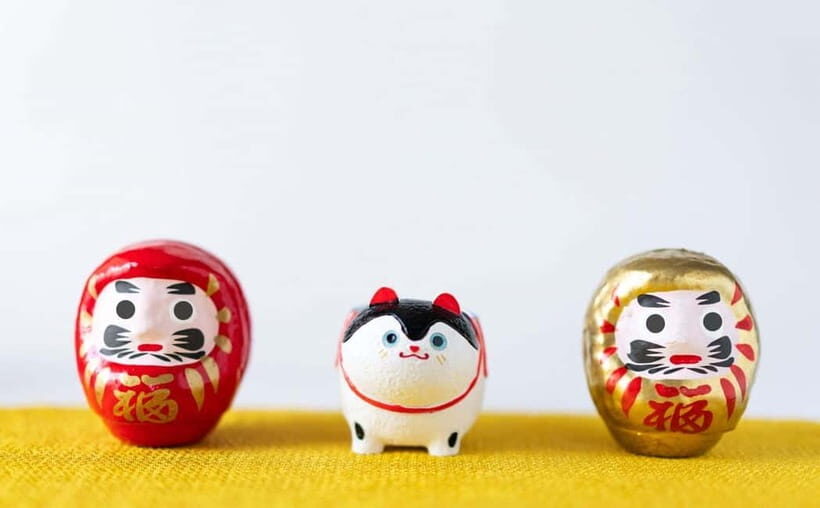
You’ll paint a papier-mâché figurine based on traditional designs. The workshop focuses on the popular “beckoning cat” and Daruma style, with other character options like kitsune (fox) and a dog. The exact choice depends on what’s available during your session, but the core idea stays the same: a handcrafted form you personalize with paint.
Why this is a great Kyoto choice: these aren’t generic “cute cats” off a shelf. They connect to familiar Japanese shapes and symbols, which makes your finished piece more meaningful than it looks.
Also, you don’t need artistic talent. Your instructor will guide you through the process, and the class is built for all ages and all skill levels. If your idea of crafting is coloring in a coloring book, you’re still in the right place.
How the 2-hour session usually flows
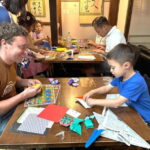
You’ll enter the workshop when you arrive, and your host will greet you. After that, you’ll get set up with the materials you need. The important thing here is that you’re not waiting around for instructions for most of the session—you’ll be working throughout.
A typical flow looks like this:
- You start by shaping and/or getting your papier-mâché figurine ready for painting.
- You paint it in your style, with encouragement and help when you ask.
- You learn the symbolism behind the shapes as you work, so the lesson sticks.
- You finish with a take-home piece you can actually remember.
You also get a complimentary drink plus traditional Japanese confectionery. That break isn’t “dead time.” It helps you reset, especially if you’ve been touring temples all morning and your feet are ready to sit down for a bit.
The meaning you’ll pick up without it feeling like a lecture
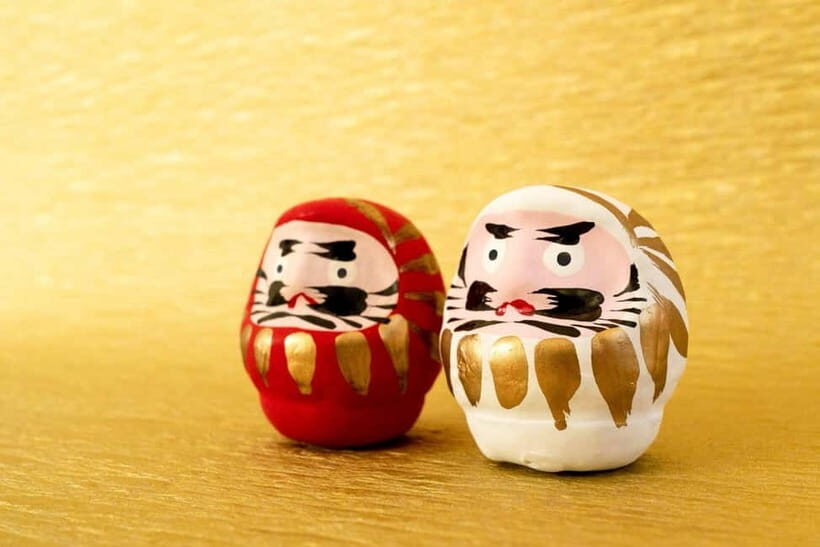
One of the best parts of this workshop is that symbolism is woven into the art, not dumped on you like homework. You’ll talk about what traditional figures represent and what the shapes are associated with in Japanese culture.
This is the kind of information that makes later sightseeing click. Kyoto can feel like it’s all incense and stone until you understand a few cultural references. When you hear about Daruma or kitsune symbolism while painting your own version, you’re more likely to notice similar motifs later—on ema plaques, at shrine grounds, or in everyday design.
I like that the instructor doesn’t just hand you facts. They share context, then let you create your own interpretation. That balance keeps it interesting even if you’re not a “museum person.”
Painting tips that help you bring it home safely
The workshop provides materials, and you paint your figurine with acrylic paints. That’s a practical detail because it affects how you handle your souvenir after class.
If the weather is messy, do yourself a favor:
- Ask what the best way is to protect the finished piece before you leave.
- If it’s raining, plan to wrap or box your item carefully so wet weather doesn’t smudge fresh paint.
Even when the class is relaxed, acrylic paint is still paint. Give your creation a little respect on the way out, especially if you’re taking trains, walking in the rain, or carrying bags.


The tea-and-sweets break is part of the experience
A complimentary drink and traditional Japanese confectionery are included for each guest. This matters because it turns the workshop from “just a craft class” into an actual small cultural pause.
In many sessions, the host chats naturally while you paint. People mention talking over tea and learning about the local area, including suggestions for nearby temples and shrines. That’s a nice bonus because Kyoto planning often gets easier when someone local gives you realistic, low-stress ideas.
You also get a workshop vibe: quiet enough to focus, friendly enough to feel welcomed. It’s the kind of break where you don’t feel rushed to get back on the street the moment you finish.
Nearby temples and shrines: use the workshop to set up your next stop
The highlights for this experience include learning about historically significant temples and shrines in the surrounding areas. You may not get a guided walking tour during the craft session itself, but you’ll likely leave with better ideas for what to see next nearby.
Here’s how I’d use it in your day:
- If you’re doing major sights in the morning, treat this as your reset.
- Ask your host for one or two nearby options you can realistically reach on foot or by transit after your workshop.
- Look for something that matches your energy level—one meaningful stop beats five rushed ones.
This workshop works especially well on rainy days too. People note that it’s a good indoor Kyoto activity when the weather doesn’t cooperate, and the paced, hands-on format keeps the afternoon from feeling wasted.
Price and value: why $25 can feel like a steal
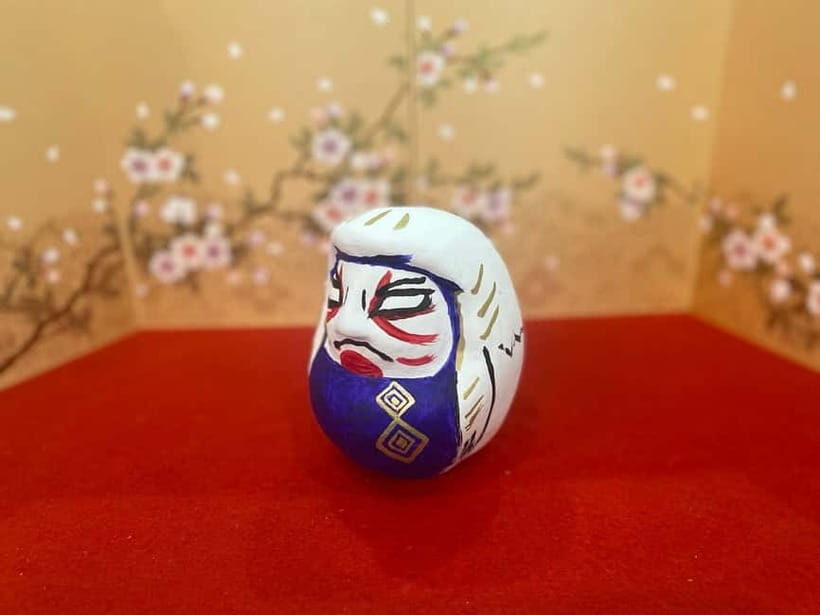
At $25 per person for a 2-hour session, this is priced in the “worth it” zone—mainly because so much is included.
You’re getting:
- Materials and supplies for the crafting and painting
- Instruction in English
- Your own take-home figurine
- A complimentary drink and traditional confectionery
For Kyoto, where you can easily spend money on tours that give you photos but not much else, this is different. You pay for a guided creative experience, then you physically take home what you made. That makes the value feel more personal than the cost.
You’re also paying for the small-group atmosphere (up to 4 participants). That tends to raise the quality of attention you receive, even if the workshop stays relaxed.
Who this workshop is perfect for (and who might want a different plan)
This fits many travel styles. It’s suitable for adults and children, and there’s no prior experience required. If you want a meaningful souvenir that doesn’t involve mass-produced items, you’ll probably appreciate the DIY factor.
It’s also ideal for:
- Families who want a calm indoor activity
- Couples who want a shared experience that’s not just a restaurant
- Rainy-day planning
- Travelers who want something more authentic than another shopping stop
If you only want sightseeing with constant movement, you might find it too slow. But if you’re worn out from temples and crowds, this is a nice counterweight.
Practical details that matter before you go
Meeting point is simple: enter the workshop when you arrive. Your host will be waiting to greet you. Sessions are designed for a small group with a maximum of 4 participants, so you get attention without the “group herding” feel.
The instruction is in English, and the workshop is wheelchair accessible, which is great for travelers who need that level of access.
If you’re booking during busy travel windows, check starting times and pick what fits your day. Since you’re taking home a painted item, plan a smooth route from the workshop back to your hotel so you can handle your figurine easily.
Book it or skip it?
I’d book this workshop if you want a genuinely hands-on Kyoto memory. It’s fun, it’s relaxing, and you’ll leave with a take-home piece that feels like your souvenir. The combination of English guidance, a small group, and included tea and sweets makes it good value.
Skip it only if you don’t like crafts, or if you’re chasing a schedule full of outdoor sights every hour. Otherwise, this is a smart, low-stress way to add personality to your Kyoto trip.
FAQ
How long is the Kyoto Daruma craft and painting workshop?
It lasts 2 hours.
What is the price per person?
The price is $25 per person.
Do I need any prior experience to paint the figurine?
No. The workshop says there’s no prior experience or skills required.
What figurines can I paint?
You can paint a papier-mâché figurine such as Daruma or beckoning cat, with options including dog and kitsune (fox).
What’s included in the workshop?
You get a complimentary drink, traditional Japanese confectionery, and all necessary materials. You’ll also have instruction from a local crafts master/instructor.
Is the workshop taught in English?
Yes, the instructor provides English instruction.
How big are the groups?
The group is small, limited to 4 participants.
Is the workshop wheelchair accessible?
Yes, it is wheelchair accessible.
Where do I meet the host?
You should enter the workshop upon arrival. The host will greet you.
Is there free cancellation?
Yes. You can cancel up to 24 hours in advance for a full refund.