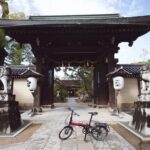
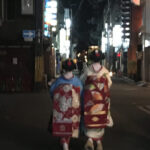
Kyoto works best on foot. This Gion walking tour is built around real street-level details—lantern-lined alleys, preserved wooden townhouses, and the kinds of corners most sightseeing crowds zip past. I especially like how the guide connects geisha and maiko culture to what you’re actually seeing, street by street.
Two more things I really like: you get storytelling that links Kyoto’s past to what’s happening now, and you’re given time to spot small, quiet religious sites between the famous landmarks. The main thing to consider is simple: the route includes lots of steps, so if your legs tire easily, you’ll want to plan your pacing (and maybe choose an easier day).
In This Review
- Key highlights you’ll care about
- Entering Gion with a guide who explains what you’re seeing
- Starting at Ben’s Cookies Kyoto Shijo (easy meeting, smart warm-up)
- Gion Tatsumi Bridge: the moment you start seeing the district pattern
- Chion-in: a major temple stop that gives the walking meaning
- Maruyama Park: a breather before the backstreet turns
- Hōkan-ji Temple: the short stop that keeps the story threaded
- Ninenzaka and Sannenzaka: preserved slopes where you feel Kyoto’s texture
- Kiyomizu-dera Niomon Gate: finishing with a real landmark
- What the geisha culture stories add to your day
- Price and value: why $25 for 3 hours can be a smart deal
- Practical tips so you enjoy it instead of just surviving it
- Who this Kyoto walk is best for (and who should skip it)
- Should you book this tour?
- FAQ
- How long is the Kyoto Gion walking tour?
- How much does it cost?
- Where do I meet the guide?
- Where does the tour end?
- Is the tour guided and in English?
- What’s included in the price?
- What should I bring?
- Is alcohol allowed during the tour?
- Is the tour suitable for people with low fitness?
- Is there free cancellation?
Key highlights you’ll care about

- A local guide’s street stories on geisha culture, training, and daily life in Kyoto
- Gion’s classic lanes plus quiet backstreets and side shrines
- A temple and park rhythm that breaks up the walking with meaningful stops
- A clear 3-hour route with an easy start at Ben’s Cookies Kyoto Shijo
- Photo-ready Kyoto: bridges, temple gates, and preserved slope streets
Entering Gion with a guide who explains what you’re seeing
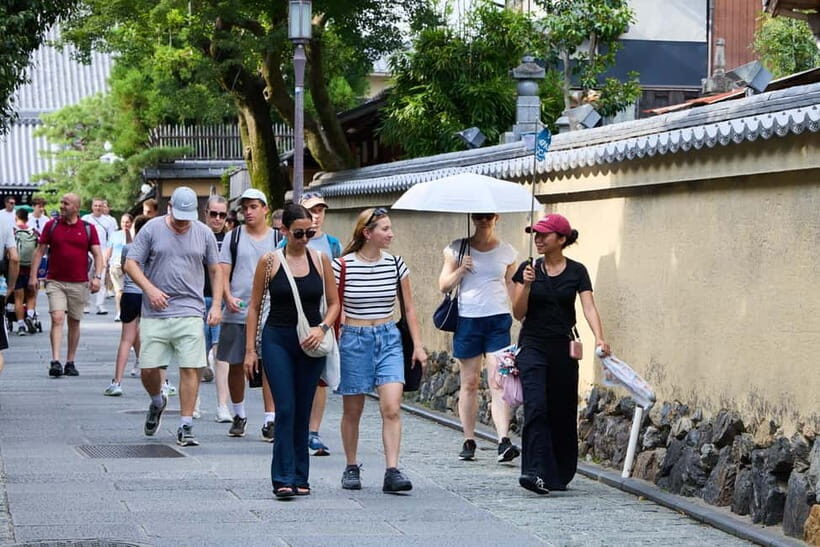
Kyoto can look beautiful but feel confusing if you only treat it like a photo set. This tour helps you do both: you see the big names, and you also understand why the streets, buildings, and rituals feel the way they do.
What makes it work is the guide’s focus on everyday context. You learn about Kyoto’s religious traditions and how the city’s identity changed over time—from imperial capital to a modern cultural center—without turning it into a lecture you can’t use.
And because it’s a live English guide, you can ask follow-up questions as you walk. That matters when you’re trying to make sense of terms like geisha, maiko, and the roles they play in Kyoto culture.
A few more Kyoto tours and experiences worth a look


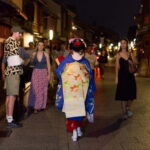
Starting at Ben’s Cookies Kyoto Shijo (easy meeting, smart warm-up)
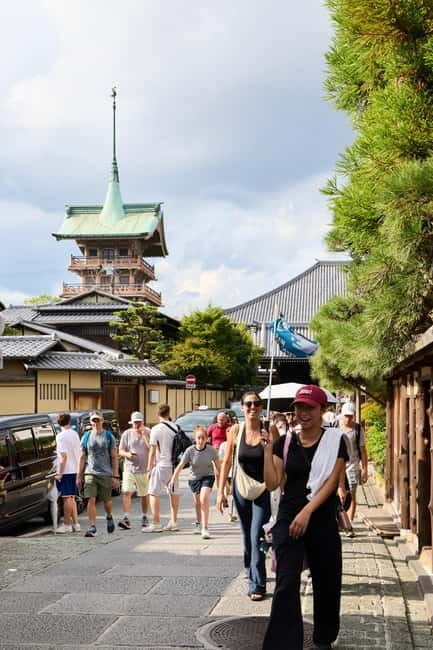
The tour begins at Ben’s Cookies Kyoto Shijo, and the guide will be holding a sign in front of the shop. This is a practical setup: a well-known place to meet, and a quick first stop that gets you oriented before you head into the Gion area lanes.
You’ll spend a short moment there with guided tour time, which is perfect for settling in. It also means the tour doesn’t feel rushed right from the start—you get a smooth handoff into the older neighborhoods on foot.
Since the tour is 3 hours, I like that the pace is built for short attention spans and real walking feet. You’ll still do plenty of steps, but you won’t be stuck in one long, unbroken grind.
Gion Tatsumi Bridge: the moment you start seeing the district pattern
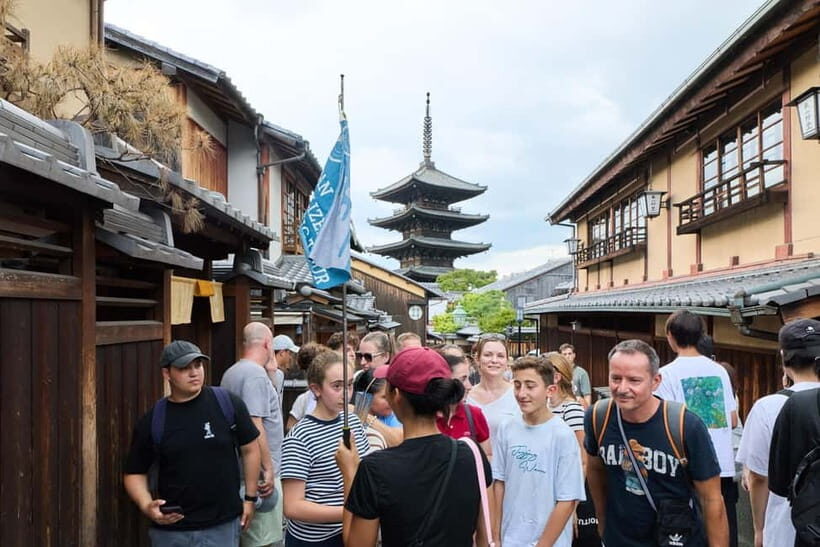
One of the first key stops is Gion Tatsumi Bridge, where you get a guided walk-and-look kind of moment. Bridges in Kyoto aren’t just functional. They often mark changes in neighborhood mood, traffic flow, and even how people move through a space.
This is also a good place to start learning the basics of how geisha culture fits into the area. You’ll hear stories about traditions and daily life, tied back to what you can see in the street layout around you.
If you like taking photos, this stop is a win: you can frame the classic Kyoto look while the guide explains what to notice beyond the obvious.
Chion-in: a major temple stop that gives the walking meaning
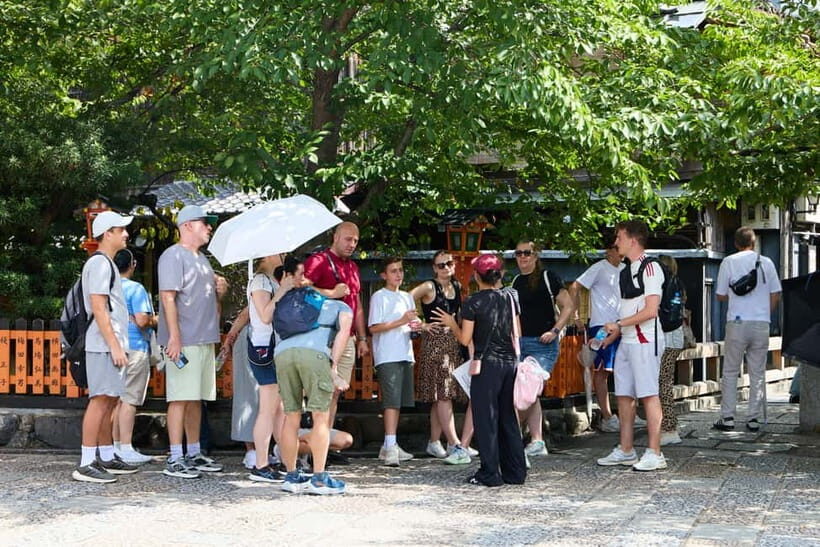
Next up is Chion-in, with guided time designed to help you connect the temple to Kyoto’s religious rhythm. Big temples can feel like a blur if you’re not sure what you’re looking for. Here, the guide helps you understand the role of religious practice in the city’s worldview.
The practical value: you stop, you reset your eyes, and you get a mental framework for the rest of the walk. Then the tour moves back toward street level, where you’ll start noticing how religious sites and local routines show up in everyday blocks.
This is one of those stops where even if you’re not a temple superfan, you’ll still walk away feeling like you learned something useful.
Maruyama Park: a breather before the backstreet turns
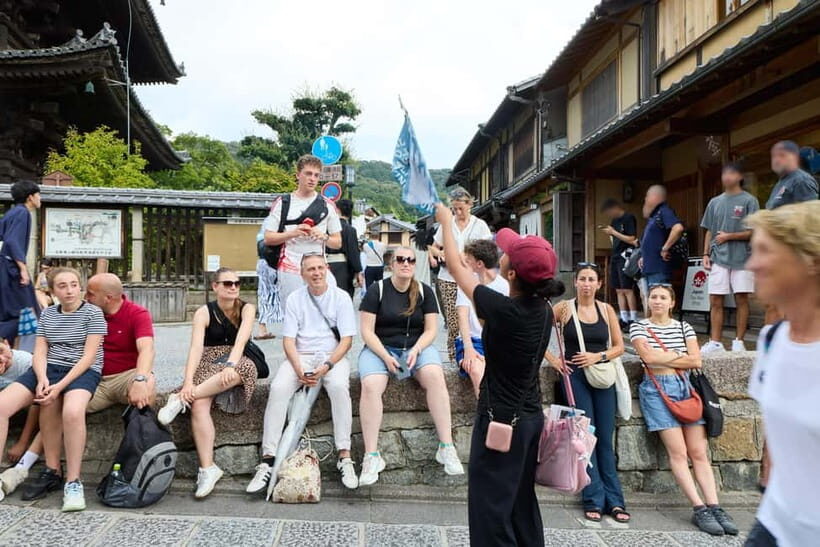
After Chion-in, you’ll head to Maruyama Park. Even though it’s only a shorter guided visit, the park stop matters because it breaks the route into sections.
I like this kind of pacing. When you walk through older districts, the “wow” moments can come fast. A park stop helps you slow down, look around, and then re-enter the lanes with fresh attention.
It’s also a moment where you can catch your breath. The tour is still active, but it’s not nonstop step after step.
Other walking tours we've reviewed in Kyoto






Hōkan-ji Temple: the short stop that keeps the story threaded
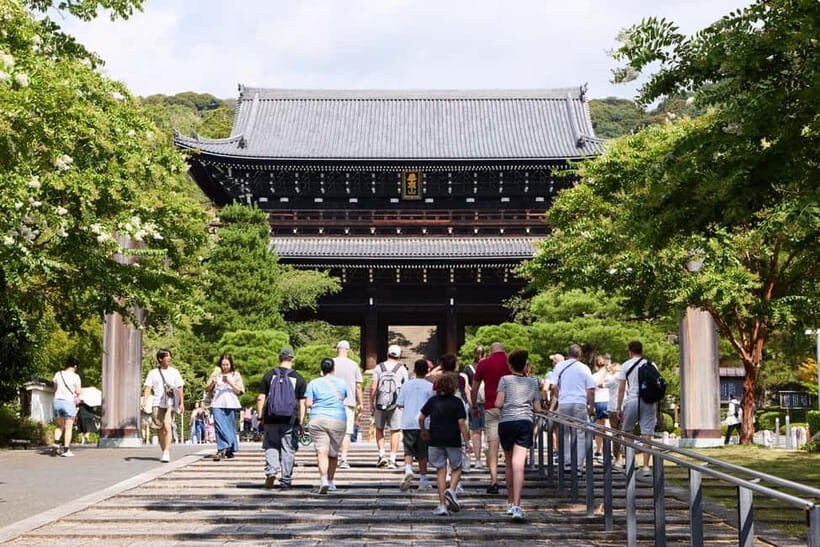
You’ll visit Hōkan-ji Temple next, with a shorter guided segment. The best part of stops like this is that they keep the tour connected. You’re not just bouncing between landmarks; you’re following a theme—how culture, faith, and city life show up in the built environment.
Because the guided time is brief, you can focus on what you’ll remember later: how the guide explains what the temple represents, and how that ties into Kyoto’s broader transformation story.
If your legs feel heavy, short temple stops can be a blessing. You still get meaning, but you don’t spend the whole tour standing in one place.
Ninenzaka and Sannenzaka: preserved slopes where you feel Kyoto’s texture
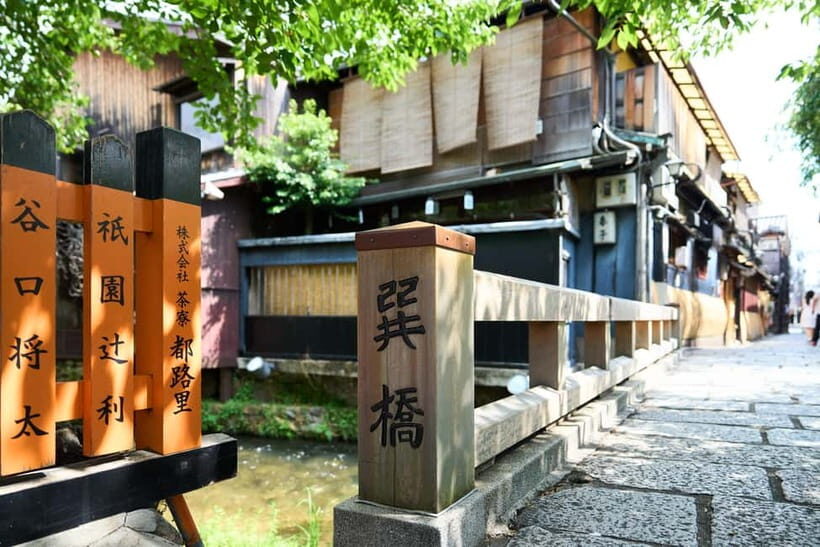
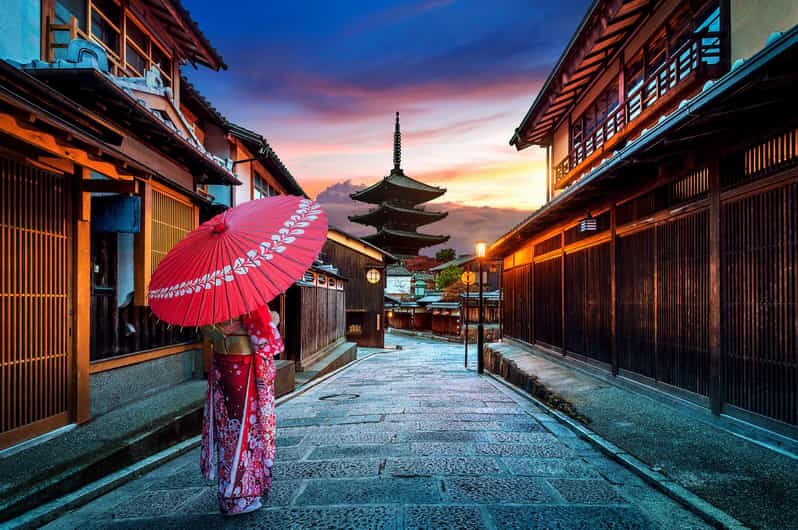
Then you shift into Ninen Zaka Path and Sannenzaka, two of the most distinctive preserved pedestrian areas on this route. These lanes are famous for a reason: they show you how the old street experience worked—close buildings, walking space that feels human scale, and that old-Kyoto visual rhythm.
In a walking tour, these streets are your payoff. The guide’s job here is to point out details so you don’t just wander past them taking random shots.
A quick heads-up: this part of the route includes steps and slope walking. The tour is not designed for low-fitness days, and these streets are where you’ll feel it most if you’re not used to uphill walking.
If you can handle it, you’ll love the chance to slow down and watch how the space shapes movement.
Kiyomizu-dera Niomon Gate: finishing with a real landmark
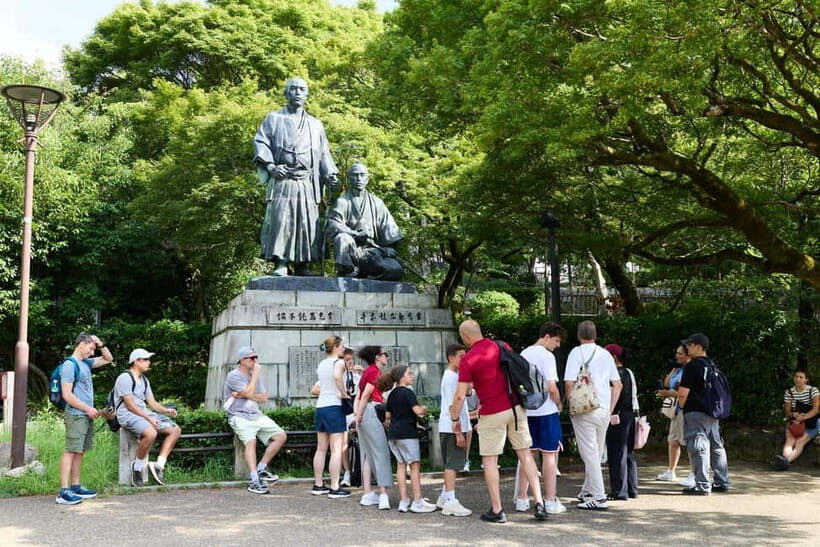
The tour ends at Kiyomizu-dera Niomon Gate, which gives you a strong finish. A gate-and-temple finale works well because it’s a clear “you’re here” moment, and it’s memorable even if you never planned a temple visit that day.
Ending at Kiyomizu-dera also means you can keep your Kyoto day going easily. You’re not stuck back at the starting block, and you’re left with a sense of accomplishment: you started in Gion and walked your way toward one of Kyoto’s most recognizable temple areas.
I also like that the tour’s structure reflects real Kyoto travel. You see the traditional district atmosphere, learn the cultural context, and then close on a landmark that pulls it all together.
What the geisha culture stories add to your day
A walking tour can easily treat geisha culture like a show. This one aims for the opposite: it explains how traditions connect to everyday life and how maiko and geisha train and work.
You’ll hear about how Kyoto’s past shaped what you see now. The guide ties those stories to the locations you’re visiting, which is what makes it stick. When you understand the why, you stop thinking of Gion as just scenery and start seeing it as a living cultural system.
I also appreciate that the tour includes the quieter parts of the district—shrines tucked between buildings and backstreets many visitors miss. Those aren’t just “extras.” They help show you that Kyoto’s cultural life isn’t only on the main postcard lanes.
Price and value: why $25 for 3 hours can be a smart deal
At $25 per person for 3 hours, this tour sits in the budget-friendly end of guided Kyoto walks. The real question isn’t the cost—it’s whether you’re getting something you can’t easily copy on your own.
You are paying for a guide who can translate Kyoto’s patterns. The tour includes guided time at multiple stops, and the value comes from how the guide explains connections between geisha culture, religious traditions, and the city’s changes over time.
If you’re the type who likes to ask why something looks like it does, a guided walk can save you a lot of reading time later. The payoff is in how fast you learn to see.
Practical tips so you enjoy it instead of just surviving it
This tour is simple in concept but physically real. It includes lots of steps, and it’s not marked for low fitness levels. Wear shoes you’d trust on uneven stone and steps. If you’re bringing sandals or soft sneakers, reconsider.
Bring water. Kyoto heat and humidity can sneak up on you, and a walking tour gives you less chance to refuel than a museum day.
Also note what’s not allowed: alcohol and drugs. It’s the kind of tour that stays focused and respectful of the places you’re walking through.
If you want the best experience, plan your day around this tour. Go in unhurried, and save your longest shopping stops for after, once you’re done with the walking arc.
Who this Kyoto walk is best for (and who should skip it)
You’ll probably love this tour if you want a mix of famous Kyoto and the quieter corners that feel more personal. It’s a good fit for first-time visitors who want strong orientation in a short window.
It’s also a great option if you care about culture beyond surface photos. The guide’s explanations of geisha and maiko training, plus daily-life context, are the heart of the experience.
You may want to choose a different plan if you have low fitness or you know you struggle with many steps. Since the route is step-heavy, it can turn from fun walking into pain management fast.
Should you book this tour?
Book it if you want a structured 3-hour walk that teaches you how to read Kyoto’s streets. For $25, you’re buying time with an English guide who connects what you see—Gion lanes, temple stops, and preserved slopes—to the cultural logic behind it.
Skip or adjust expectations if your legs don’t do well with steps. Also, if you only want a fast photo loop, you might find guided storytelling slows your pace.
But if you want to understand Gion while you’re walking it—and you’re okay with step-heavy old-street terrain—this is an excellent way to turn a short afternoon into a real Kyoto lesson.
FAQ
How long is the Kyoto Gion walking tour?
The tour lasts 3 hours.
How much does it cost?
It costs $25 per person.
Where do I meet the guide?
Meet at Ben’s Cookies Kyoto Shijo. The guide will be holding a sign in front of the shop.
Where does the tour end?
The tour finishes at Kiyomizu-dera Niomon Gate.
Is the tour guided and in English?
Yes, it includes a live tour guide and the tour is English.
What’s included in the price?
The price includes the guided tour.
What should I bring?
Bring water.
Is alcohol allowed during the tour?
No, alcohol is not allowed.
Is the tour suitable for people with low fitness?
It is not suitable for people with low level of fitness, because the route has lots of steps.
Is there free cancellation?
Yes. You can cancel up to 24 hours in advance for a full refund.