Tea ceremony in Kyoto can feel like a time machine. This one takes place in a real machiya (a wooden townhouse), and you’re not stuck watching from the back. I love that the tea uses Uji City matcha plus classic Kyoto sweets, and that the hosts actually teach the steps and meaning, not just the motions. A small drawback: the meeting spot is in a residential area and can be a little tricky to locate at first, especially if street signage isn’t in English.
What makes it work for a trip is the pace and the group size. With a maximum of 6 people, you get hands-on practice and clear guidance from the instructors at Ami Kyoto (led by Kimi and her team). The session is about 1 hour, so you’ll leave feeling educated and calm, but you won’t cover every tea tradition detail imaginable.
In This Review
- Key things to know before you go
- A Kyoto machiya tea ritual in a small group (max 6)
- The 80-year-old townhouse at Ami Kyoto: what you’ll notice right away
- Uji matcha and Kyoto sweets: what you’ll taste (and why it’s a selling point)
- How the tea ceremony lesson works in 60 minutes
- Etiquette practice: serving, receiving, and sipping without feeling awkward
- Finding the place and fitting it into your Kyoto day
- Value check: $27.74 for an hour in a real Kyoto townhouse
- Should you book this tea ceremony experience?
- FAQ
- What is the duration of the tea ceremony experience?
- How many people are in the group?
- What’s included in the price?
- Where does it take place and where do we meet?
- Is there a mobile ticket?
- Can I cancel if my plans change?
Key things to know before you go
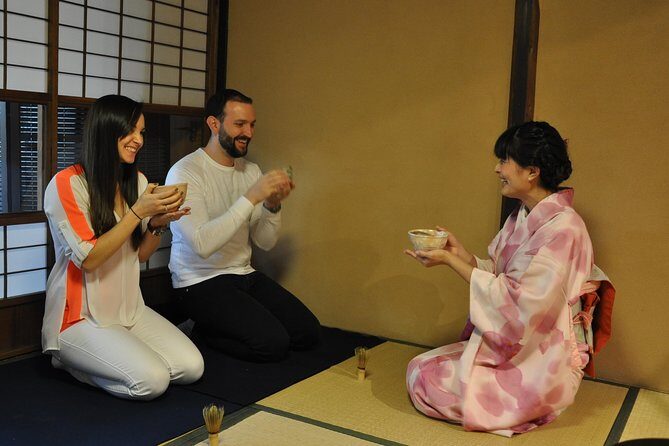
- Small group (max 6): more time for questions and actual hands-on practice
- Traditional machiya setting: about 80 years old, in a Kyoto residential neighborhood
- Uji matcha + Kyoto sweets: you’ll drink a bowl and taste the included confections
- Hands-on lesson: watch the demonstration, then make your own matcha
- Multiple start times: easier to fit into your day
A Kyoto machiya tea ritual in a small group (max 6)
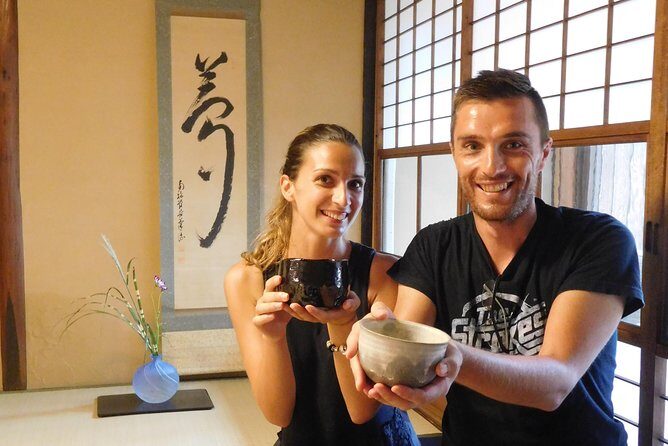
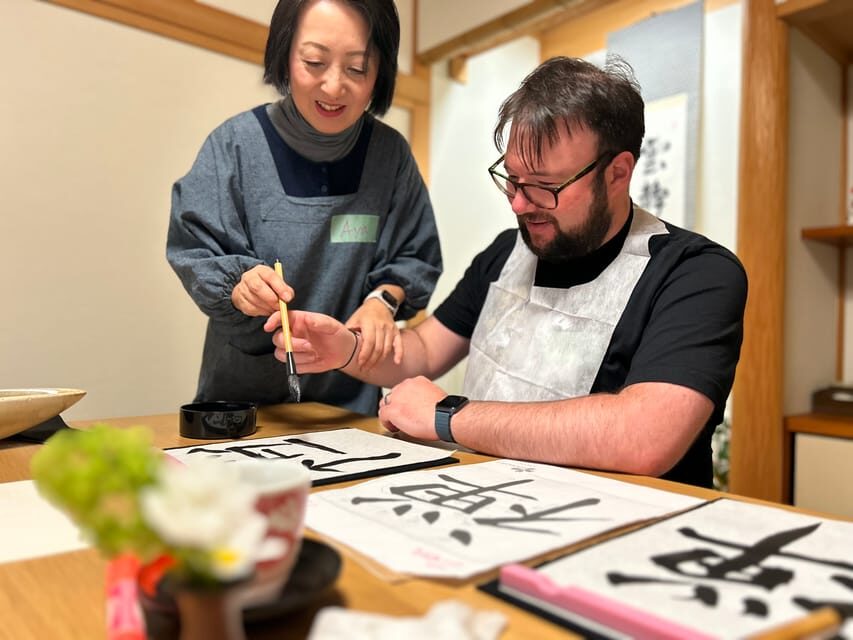
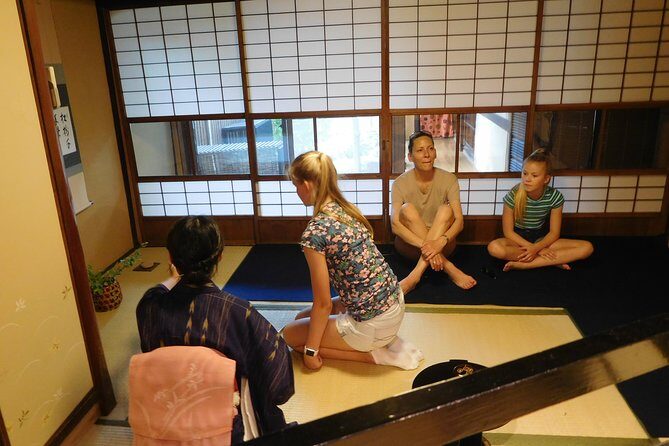
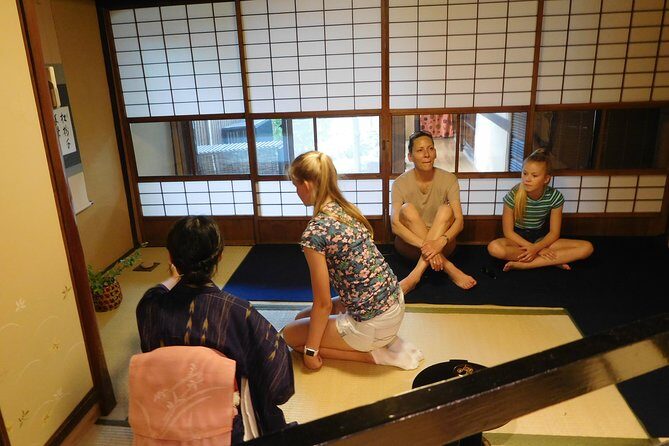
If you want a tea ceremony that feels human-sized, this is a good match. The experience caps at 6 travelers, which changes everything. You’re not one more face in a crowd. You’re in a small room with an instructor who can slow down, correct your hand position, and explain what you’re doing.
This format also helps with the topic itself. Tea ceremony is part choreography and part mindset. When the group is small, the pacing feels natural. You get time to understand why each step matters before you try it. And when you’re practicing a task—whisking matcha, holding the bowl, receiving and serving—practice is easier when the instructor can actually see what you’re doing.
A few more Kyoto tours and experiences worth a look

The 80-year-old townhouse at Ami Kyoto: what you’ll notice right away
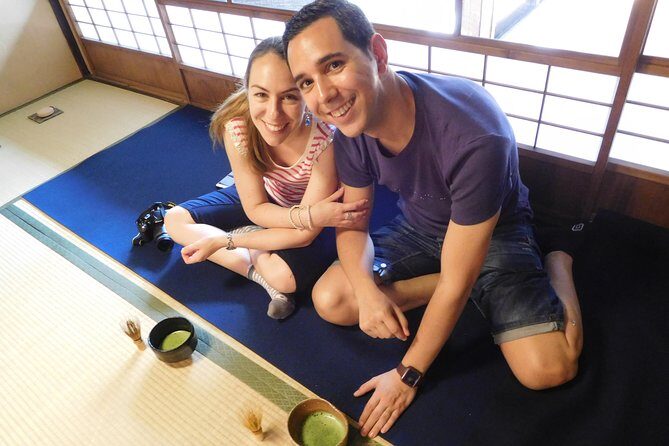
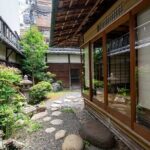
The ceremony happens at Ami Kyoto, in a traditional Kyoto machiya, the kind of townhouse that used to line the city. The venue is described as about 80 years old, and you can feel that age in the details: the simple elegance of wood, the intimate layout, and the sense that you’ve stepped into a space that’s meant for quiet.
This matters for your experience more than you might think. A tea ceremony isn’t only about matcha. It’s about atmosphere—how the room shapes your attention. In a small, traditional townhouse, you naturally lower your volume, slow your body, and focus on what’s in front of you.
One practical note: it’s not positioned like a big storefront with tons of English signage. The meeting point is 605 Nishidachō, Shimogyo Ward. If you’re arriving on your own, use the map/address guidance the organizer provides and give yourself a few extra minutes to get oriented.
Uji matcha and Kyoto sweets: what you’ll taste (and why it’s a selling point)
Food and drink are often where tours get generic. Here, the tea and sweets are specifically positioned as high-quality and Kyoto-linked.
You’ll get a bowl of matcha green tea made with quality matcha from an Uji City tea farm. Uji is practically synonymous with tea in Japan, and using this ingredient gives you a better sense of what matcha is supposed to taste like when it’s made well.
On the sweets side, you’ll have traditional Japanese confectionery from a well-known Kyoto confectioner. In one of the notes from the hosts, the sweet name mentioned is suhama. You can treat the sweets as more than a snack. In tea ceremony, they’re part of the rhythm: sweetness first, then the tea, with both working together to set the mood.
If you’re a matcha fan, this is where the value really lands. You don’t just take a sip; you learn how to drink it properly and why the sweetness and tea are served in the order they are.
How the tea ceremony lesson works in 60 minutes
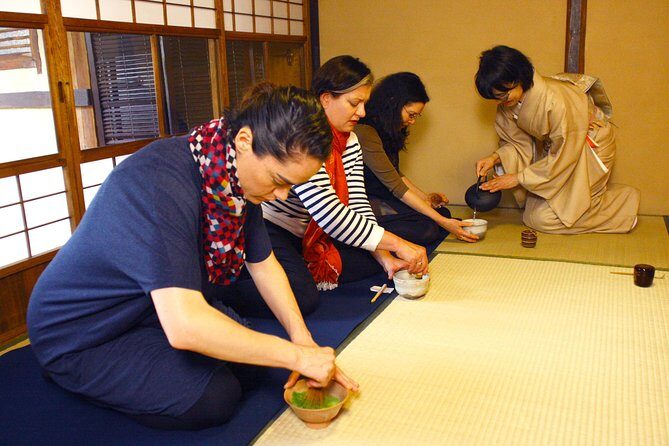
This is designed to fit into a normal travel day: about 1 hour. The structure is straightforward, and that’s a good thing. You’ll watch a demonstration, then you’ll make your own bowl of matcha.
Here’s the flow you can expect:
- You’re introduced to basic concepts and the etiquette used in tea ceremony.
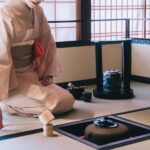
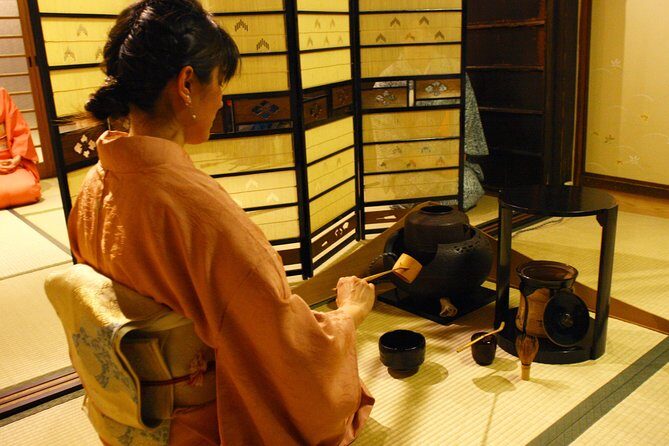
- The instructor shows you how to perform the steps, from entering the tea space to serving and drinking.
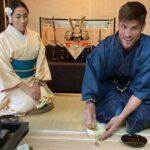
- Then you do the parts hands-on, following guidance as you go.
- You’ll also enjoy the included sweets alongside your tea.
The best part is the teaching style. The hosts explain not only how to do things, but the symbolic and practical meaning behind movements. In a small room, you’ll notice this is less about strict rules and more about thoughtful intention—how stillness, order, and attention make the tea taste better and the experience feel calmer.
If you’re hoping for a quick photo moment, this won’t be that. It’s more like a short class plus a ritual you actually participate in.
Etiquette practice: serving, receiving, and sipping without feeling awkward
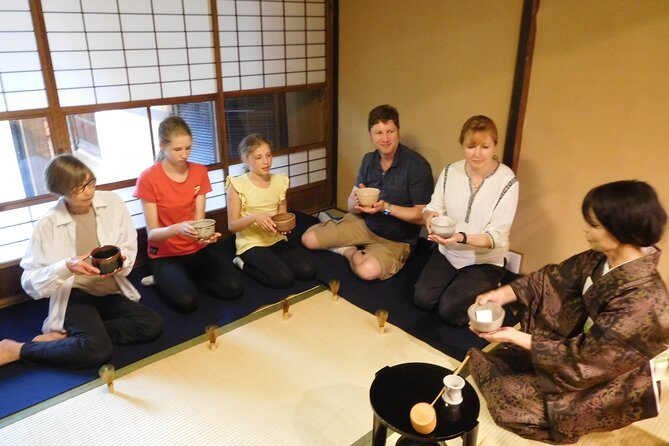
Etiquette is one of those “sounds formal” topics until someone helps you do it correctly. The instructors focus on the required etiquette so you know what to do and how to do it respectfully.
During the ceremony, you learn how to:
- participate in the movements used to enter the tea room setting
- hold and handle the bowl and tea tools properly
- serve and receive items in the intended way
- drink the tea with the right rhythm and attention
This is also where the small group size really pays off. With up to 6 people, you can get corrections without embarrassment. And the instructors are prepared to walk you through the process at a beginner-friendly speed.
A couple of practical tips from the way the session is described:
- Expect the steps to feel precise. The point isn’t to be perfect. The point is to understand the flow.
- Ask questions when you’re unsure. The hosts answer questions and make the experience feel welcoming rather than intimidating.





Finding the place and fitting it into your Kyoto day
No hotel pickup is included, so you’ll want to plan for getting to the meeting point yourself. The activity is listed as near public transportation, which helps. Still, Kyoto’s residential streets can be a little hard to navigate for first-timers.
If you’ve got a tight schedule, take advantage of the multiple start times. The organizer offers options so you can pick a time that works with the rest of your Kyoto plan.
When to go? If you want the best contrast with busy sightseeing, choose a time that isn’t immediately before or after a crowded attraction. Tea ceremony works well when you’re already in a slower headspace—so you don’t spend the whole hour rushing from the previous stop.
Also, this is a “walk into calm” experience. Don’t plan a stressful transfer right afterward. Give yourself a little breathing room. Your brain needs time to go from “Kyoto hustle” to “tea ritual.”
Value check: $27.74 for an hour in a real Kyoto townhouse
At $27.74 per person for about 1 hour, it’s priced in the mid-range for Kyoto tea experiences. Whether it feels like a good deal depends on what you want.
Here’s what you’re getting for the money:
- A real traditional townhouse (machiya) setting instead of a generic space
- High-quality matcha sourced from Uji City
- Included Japanese sweets
- A guided demonstration plus hands-on practice
- A small group cap of 6 for better attention
A key value point is that you’re not only watching. You’re making and drinking your own bowl. That’s the difference between a performance and a participatory experience.
I also like that you have some flexibility: the tour uses a mobile ticket, and confirmation is provided within 48 hours (subject to availability). That reduces the stress of planning.
One small consideration: because it’s one hour, the teaching is necessarily focused. You’ll get a solid introduction, not a multi-hour deep study. If you want a full day of tea training, look for longer-format experiences. If you want a meaningful first ceremony in Kyoto, this length is a sweet spot.
Should you book this tea ceremony experience?
Book it if you want:
- a beginner-friendly tea ceremony where you actually participate
- an authentic-feeling setting inside a machiya
- a class that explains not just steps, but the why behind them
- a quieter cultural stop that’s short enough to fit into a busy itinerary
Skip it if:
- you strongly prefer large, bustling group tours (this is intentionally small)
- you need a long, multi-course or multi-hour tea education experience
- you don’t want any walking to the meeting point (no hotel pickup)
If you do book, go with the mindset of learning. Come ready to slow down. Bring curiosity, not performance pressure. And if you’re tempted to buy matcha after, keep an eye out—there’s mention of having matcha available for purchase at the end, which can be a nice way to bring the taste home.
FAQ
What is the duration of the tea ceremony experience?
It runs for about 1 hour.
How many people are in the group?
The tour is limited to a maximum of 6 travelers.
What’s included in the price?
You’ll receive a bowl of matcha green tea and Japanese sweets.
Where does it take place and where do we meet?
The meeting point is at 605 Nishidachō, Shimogyo Ward, Kyoto, 600-8397, Japan. The activity ends back at the meeting point. Hotel pickup is not included.
Is there a mobile ticket?
Yes, the tour uses a mobile ticket.
Can I cancel if my plans change?
Free cancellation is available up to 24 hours in advance for a full refund. If you cancel less than 24 hours before the start time, the amount paid is not refunded.