Torii gates, temples, and quiet views—at walking speed. This Higashiyama tour strings together Kyoto’s biggest spiritual and street-life stops with a guide who adds context as you go, not just at the front of the group. I love starting at Fushimi Inari Taisha and then getting explanations that make the torii path feel like a story instead of a checklist. I also love that Kodaiji Temple and Kiyomizu-dera admission is included, so you spend less time figuring out tickets and more time looking around. One thing to consider: there’s uphill walking and plenty of steps, so it’s not a great fit for mobility impairments.
You’ll meet right outside the fare gates at JR Inari Station, and the route stays mostly in Kyoto’s Eastern foothills—easy to understand, efficient to do in one go. The group is small (up to 10), and the guide is offered in English, French, Spanish, or Hebrew, which matters when you want real answers, not vague nods.
In This Review
- Key highlights you’ll feel right away
- Why Higashiyama works so well in one 4-hour loop
- Starting at Inari Station: the easiest way to get your bearings fast
- Fushimi Inari Taisha: torii gates, shrine culture, and smart guidance
- The train ride to Gion: efficiency plus cultural context
- Kōdaiji Temple with admission included: gardens, bamboo, and a slower tempo
- Sannenzaka backstreets: where Kyoto gets more human-scale
- Kiyomizu-dera: views, Otowa Waterfall, and the three-stream ritual
- Price and logistics: what you’re really paying for at $106
- Guide styles that make or break the day
- Who should book this Higashiyama tour (and who should skip)
- Should you book this Kyoto Historic Higashiyama Walking Tour?
- FAQ
- How long is the Kyoto Historic Higashiyama Walking Tour?
- Where do we meet for the tour?
- What’s included in the price?
- Is food or drinks included?
- How big is the group?
- Which languages are offered for the live guide?
- Is there a lot of walking or hills?
- What’s the cancellation window?
Key highlights you’ll feel right away
- Small group (max 10) keeps the pace human and makes it easier to ask questions.
- Fushimi Inari Taisha first sets the tone with vermilion torii gates and shrine history.
- Gion by train gives you time-efficient access to the entertainment district without wasting your day.
- Kodaiji Temple included with time for gardens and a bamboo grove feel.
- Sannenzaka backstreets add the Kyoto side streets, not just big monuments.
- Kiyomizu-dera water ritual plus admission, with the view over Kyoto as the payoff.
Why Higashiyama works so well in one 4-hour loop
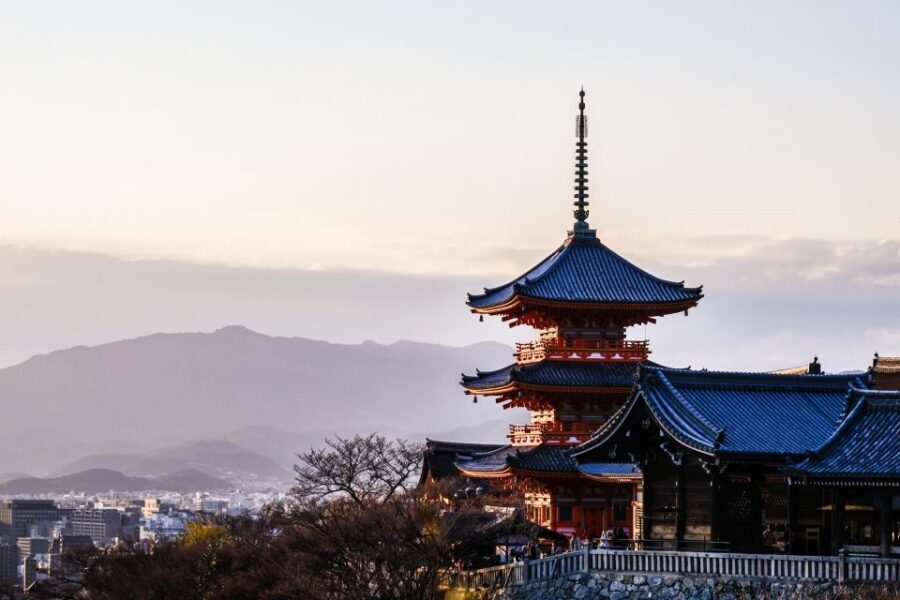
Higashiyama means East Mountain, and this tour uses that idea in a smart way. You start along the southern edge of the mountain range and then work through the foothills district where Kyoto concentrates its famous sights.
Doing it in 4 hours is the big advantage: you get a clear overview of what people come to Kyoto for, while still having room to explore on your own after. You’re also not stuck with a “bus-tour vibe.” This is a walking tour with guided stops—so the places start to connect in your head.
The route mixes sacred and everyday Kyoto. It moves from shrine culture (Fushimi Inari), to a historic entertainment quarter (Gion), to temple serenity (Kodaiji), to the pedestrian lanes of Higashiyama (Sannenzaka), and ends at a viewpoint temple where visitors gather for the famous water ritual (Kiyomizu-dera).
A few more Kyoto tours and experiences worth a look


Starting at Inari Station: the easiest way to get your bearings fast
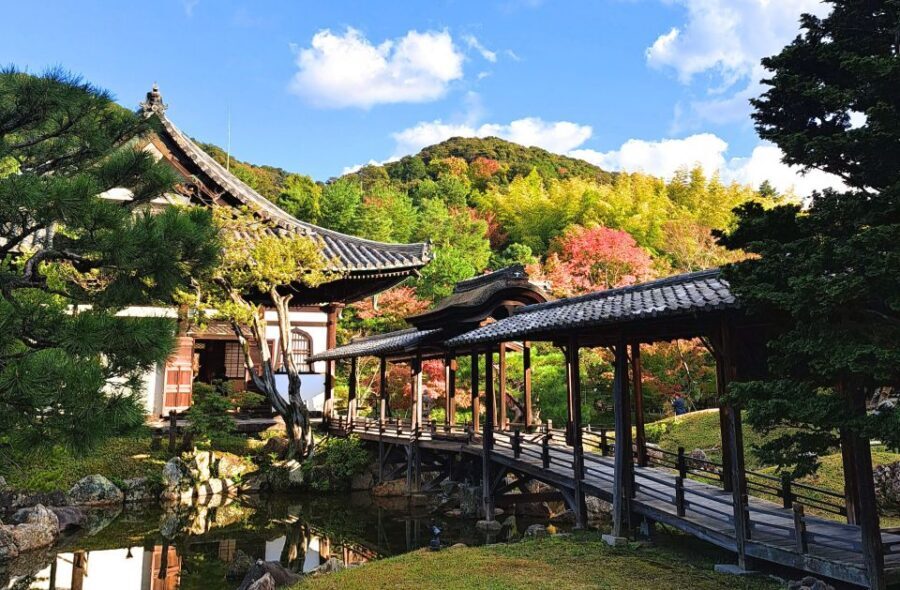
The meeting point is just outside the fare gates of JR Inari Station. If you’re coming from another part of Kyoto, the guidance notes that it may be sensible to use the Keihan train line and then walk a few minutes to JR Inari.
This matters because arriving smoothly helps you start relaxed. If you’re early, you’ll have time to orient yourself before the group regroups. And because the tour begins with Fushimi Inari, you’re not wasting daylight on transit logistics.
Practical tip: wear shoes you trust. Even though the walking isn’t described as exceptionally steep, the tour includes uphill walking and steps, and Higashiyama is the kind of area where you’ll feel it in your legs by the end.
Fushimi Inari Taisha: torii gates, shrine culture, and smart guidance
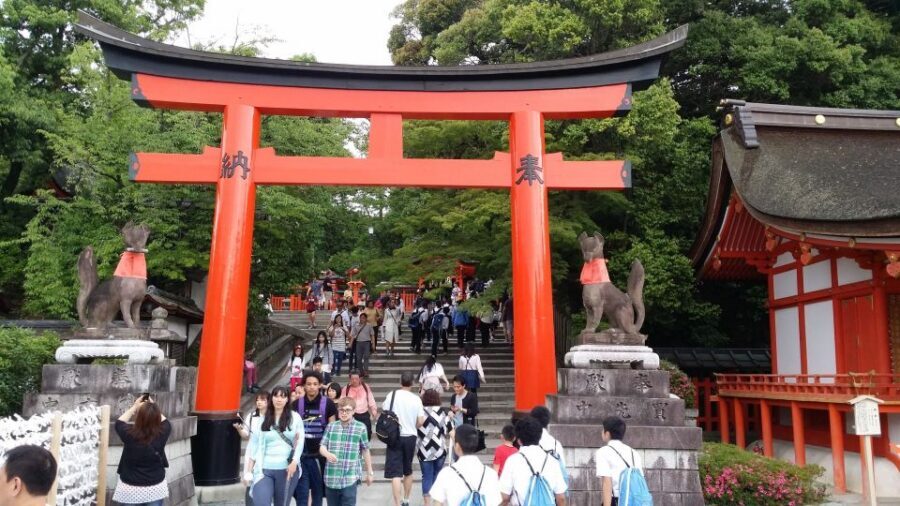
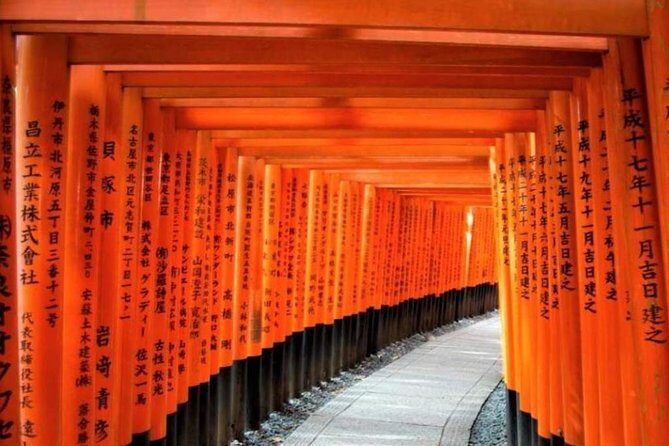
You kick off at Fushimi Inari Taisha, with about 1 hour for the guided portion. This is where the route earns its title before you even reach the viewpoints: vermilion torii gates snake up the mountainside, and the shrine complex is tied to Shinto history and culture.
What makes the guided start valuable is the way the tour frames what you’re seeing. Instead of only pointing at gates and buildings, the guide explains the meaning behind the place. That changes your photo-taking too—you start looking for details that match the stories you’re hearing.
There’s also a chance you’ll go a bit beyond the main flow. Multiple guides on this tour have shown small shrines that are off the main path, which can make the experience feel more personal and less like you’re just “following the crowd.”
One consideration: even if you don’t plan to climb every way up the hillside, the paths still involve walking on uneven surfaces. This is not a park stroll. Treat it like a gentle hike through an attraction.
The train ride to Gion: efficiency plus cultural context
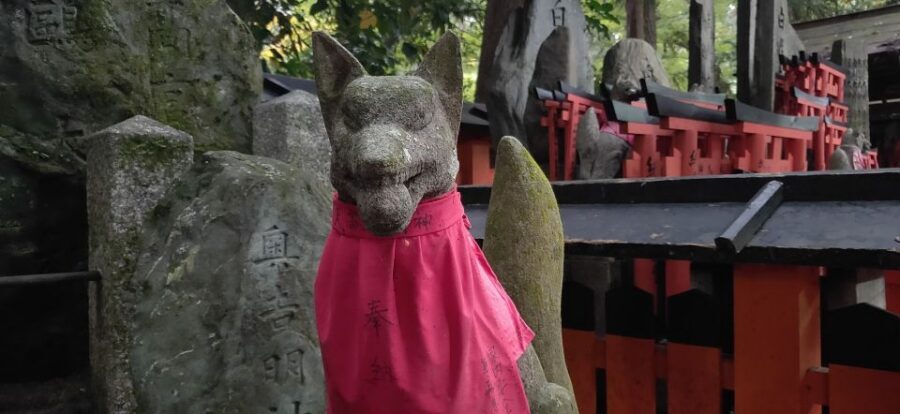
After the shrine time, the tour takes a short train ride from Fushimi Inari to Gion. That’s a quiet but smart move. It saves you time compared to crossing Kyoto on foot, and it reduces the chance you’ll arrive at Gion feeling rushed.
Gion gets about 30 minutes of guided time. In that stretch, you’ll walk and listen to stories about this colorful district and its role in modern-day culture. Gion is known for evening entertainment, but the key value here is understanding why the area has that reputation and how tradition fits into the streets you see today.
If you like street-level travel, this is a good match. You’re not just looking at famous landmarks; you’re learning how a neighborhood works—where the past shows up in present-day life.
Kōdaiji Temple with admission included: gardens, bamboo, and a slower tempo
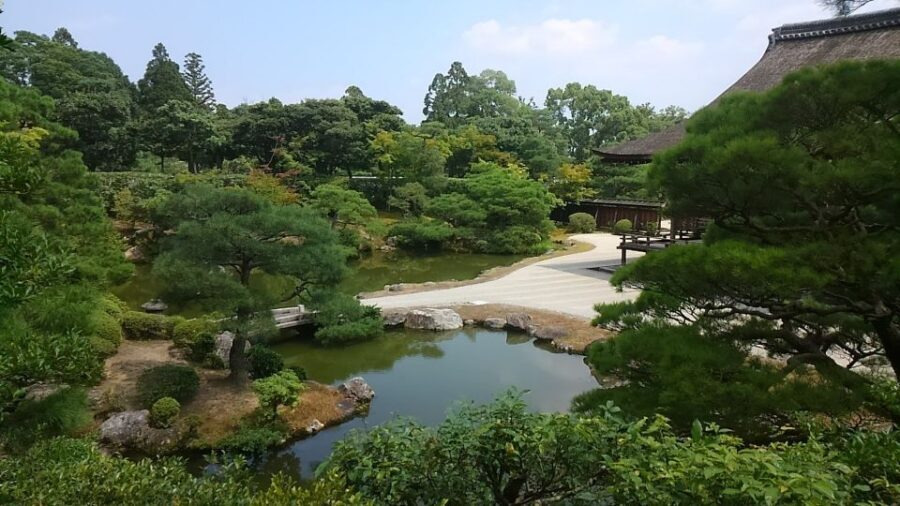
Next up is Kōdaiji Temple, scheduled for about 40 minutes, and admission is included. This is a good contrast stop after the torii gate walk.
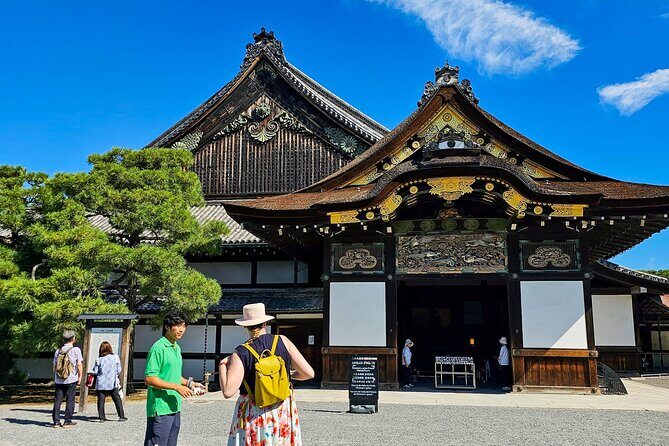
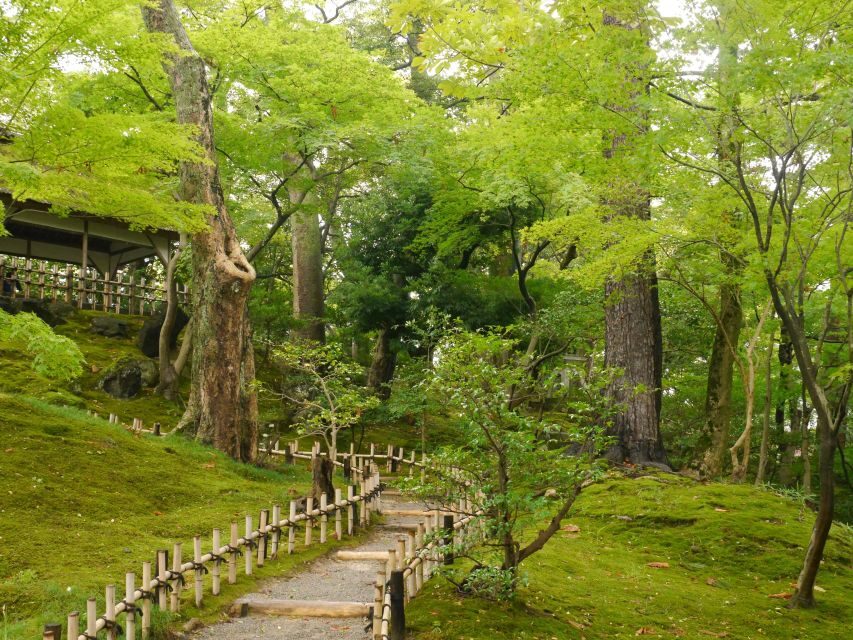
Kōdaiji is known for serenity, and the tour points you toward the gardens and bamboo grove. The complex dates back to the early 17th century, so it’s the kind of place where you can feel the layers without needing a lecture for every turn. A guide’s job here is to help you notice what matters: how the grounds are laid out, what to look for as you move through the temple areas, and how the setting supports the mood.
What I like about including Kōdaiji in this particular route is pacing. You’re not sprinting from big site to big site. There’s a real chance to slow down, breathe, and enjoy the quieter atmosphere before the stairs and crowds of the next area.
Other walking tours we've reviewed in Kyoto
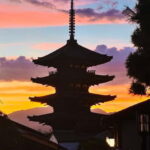





Sannenzaka backstreets: where Kyoto gets more human-scale
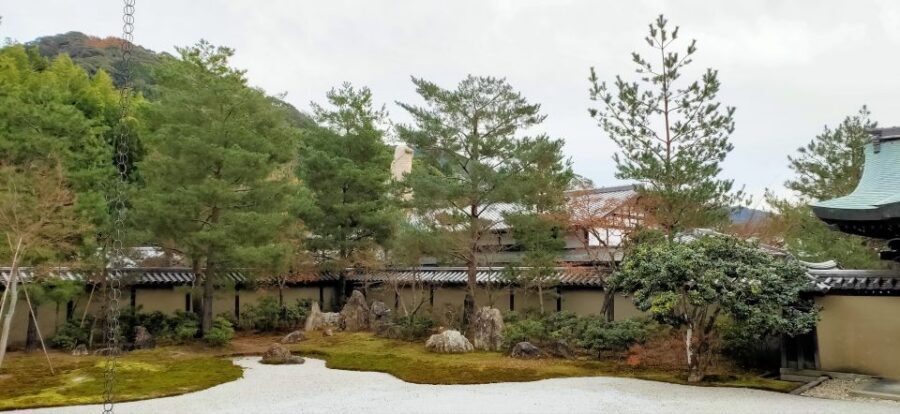
From Kōdaiji, the tour shifts into the Higashiyama pedestrian experience through Sannenzaka and other backstreets. You’ll also have time for snacks or souvenirs along these lanes.
This is one of those parts that makes Kyoto feel like Kyoto. The main sights are dramatic, but the side streets are where you see everyday culture—small shops, traditional-style streetscapes, and the kind of walking rhythm that lets you notice details.
Expect this leg to be more tiring than it looks. The tour notes some uphill walking and steps, and Sannenzaka is famous for stairs and slopes. If it’s hot or humid, it’s worth slowing your pace and taking short breaks before you feel done in.
Kiyomizu-dera: views, Otowa Waterfall, and the three-stream ritual
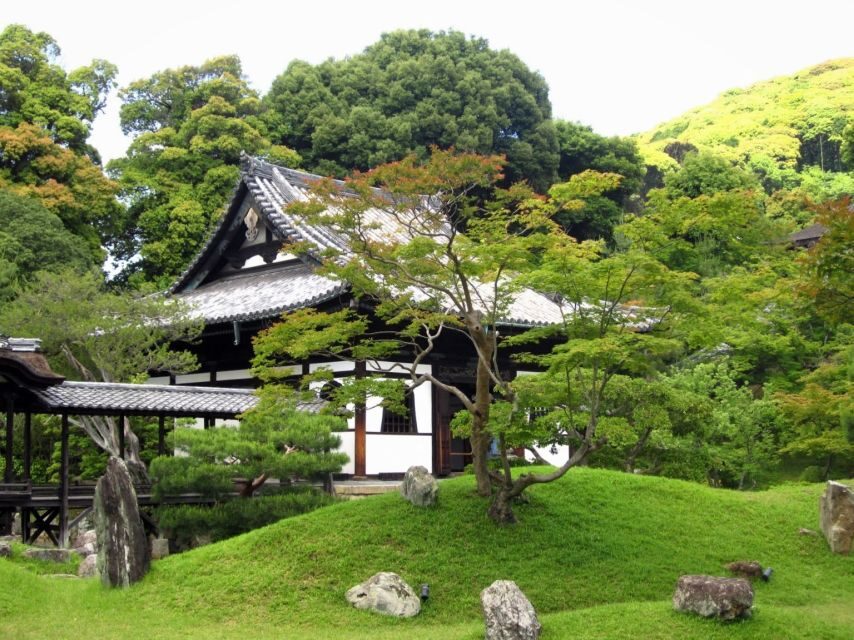
The tour ends with Kiyomizu-dera, guided for about 30 minutes, with admission included.
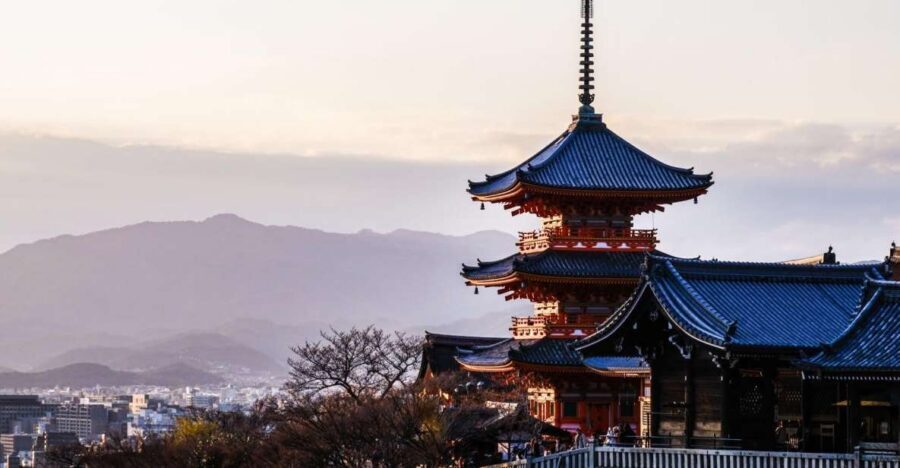
Kiyomizu-dera is famous for the clear, pure water flowing from the mountains into the Otowa Waterfall. The tour also covers the story behind the three divided streams. The idea is that choosing the right stream brings health, wealth, or happiness—and that for greedy people, none of the wishes come true. It’s simple, a little playful, and it gives you something to do besides point your camera at the main stage.
You may even have the chance to sample the water yourself, which is a big part of why people remember this stop. Even if you’re not into rituals, the act of tasting the water adds an extra layer of meaning to what you’re seeing.
Then there’s the practical payoff: once you’re there, you get a spectacular view over Kyoto. This matters because after walking through streets and temple grounds, your brain wants one wide moment of orientation—so you can picture where everything sits in relation to everything else.
Price and logistics: what you’re really paying for at $106
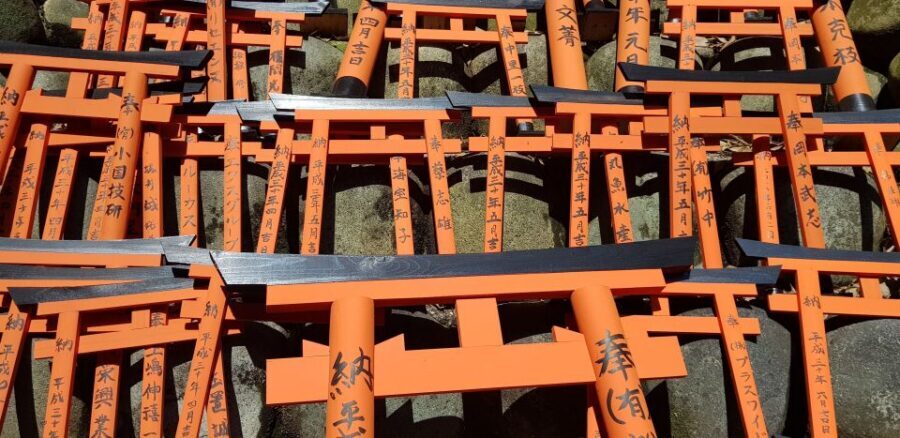
At $106 per person for a 4-hour small-group tour, the value comes from three things you’d otherwise piece together yourself: guided routing, included admission, and included train transit.
Included:
- Entry fees for Kōdaiji and Kiyomizu-dera
- A train ticket between Fushimi Inari and Gion
Not included:
- Food and drinks
So the price isn’t just “getting you to famous places.” It’s getting you a structured flow through a tight area—plus admissions already handled. That can save time and stress, especially if you don’t want to manage tickets while you’re climbing around.
Logistics you should plan for:
- Meeting point: outside the fare gates at JR Inari Station
- What to bring: comfortable shoes
- Not allowed: luggage or large bags
- Walking effort: uphill walking, plus steps (not described as exceptionally steep, but still real)
You’re also doing this with a small group limited to 10 participants, which is a quality-of-experience upgrade. Less waiting. More personal questions. A guide can adjust if someone is slowing down, and that flexibility shows up when the weather is tough.
Guide styles that make or break the day
Guides matter most on tours like this because Kyoto’s details can turn into noise if nobody frames them for you.
The strongest pattern in guide feedback is practical storytelling tied to history and daily life. Names that have popped up include Hugo, Damian, Ferdinand, and Lito—and the common thread is adaptation. For example, one guide adjusted the tour because it was hot and humid and someone was getting tired from steps and hills. Another guide met people at the station even after a delayed arrival, then shaped the route around what the group wanted to see.
If you travel with kids or teens, that engagement can be extra important. At least one guide, Lito, kept younger visitors involved by tying temple stories to wishes and traditional rituals, which is a smart way to make temple time feel less like sitting and more like participating.
Language options (English, French, Spanish, Hebrew) also help ensure you get explanations you can actually use, not just a general overview.
Who should book this Higashiyama tour (and who should skip)
This tour is a great fit if:
- You want a fast, organized overview of Higashiyama without trying to stitch together transport and tickets.
- You’re happy to walk with breaks and handle stairs.
- You like history and culture explained in plain terms while you’re actually walking through the places.
It may not suit you if:
- You need a low-walking route. The tour is not suitable for people with mobility impairments, and it does include uphill walking.
- You’re bringing large luggage, since luggage or large bags are not allowed.
Family-friendly note: the stories and wish/ritual elements can work well for mixed-age groups, especially when the guide engages everyone rather than reading off a script.
Should you book this Kyoto Historic Higashiyama Walking Tour?
Yes, if you want a well-timed Higashiyama sampler that covers the big names—Fushimi Inari Taisha, Gion, Kōdaiji, Sannenzaka, and Kiyomizu-dera—with the important extras handled (admissions and a key train connection). The small group size and the way guides adapt to real conditions make it feel more like a guided walk with a friend who knows the city, not a rigid march.
Skip it if you want minimal walking, need mobility support, or can’t handle stairs. Also consider adding your own snack plan, because food and drinks aren’t included, and Sannenzaka is better when you’re not hungry.
If you’re visiting Kyoto for the first time and want a clean way to understand Higashiyama, this is a strong value.
FAQ
How long is the Kyoto Historic Higashiyama Walking Tour?
The tour lasts 4 hours.
Where do we meet for the tour?
You meet just outside the fare gates of JR Inari Station.
What’s included in the price?
Entry fees are included for Kōdaiji Temple and Kiyomizu-dera, and there’s a train ticket from Fushimi Inari to Gion.
Is food or drinks included?
No. Food and drinks are not included.
How big is the group?
The tour is a small group, limited to 10 participants.
Which languages are offered for the live guide?
The live tour guide is available in French, Hebrew, Spanish, and English.
Is there a lot of walking or hills?
There’s a bit of uphill walking and some steps, though it’s not described as exceptionally steep or demanding.
What’s the cancellation window?
You can cancel up to 24 hours in advance for a full refund.