Kyoto by bike feels like you’ve switched to quiet mode. This slow ride follows Kyoto’s water routes through the Higashiyama area, with stops at major shrines and temple highlights plus calmer streets most people won’t find on foot.
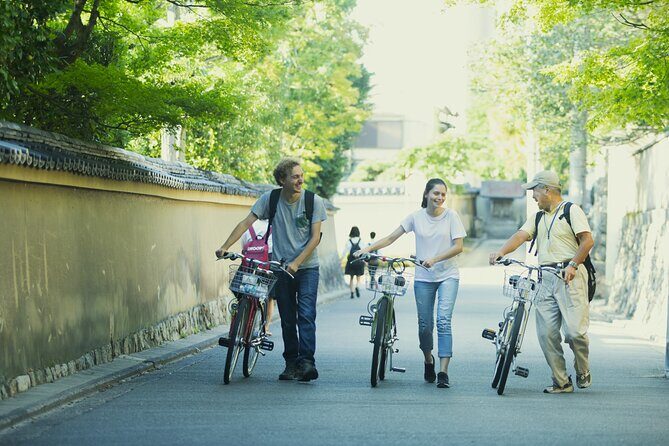
I especially love the BROMPTON vibe here—compact, stylish, and made for weaving along narrow lanes—so photos come easy without feeling like you’re lugging gear around. I also like the way the route flows at a human pace (about 12 km total), so you actually have time to look, not just pedal.
One consideration: this is still cycling for roughly four hours, and the tour requires moderate fitness plus good weather, so rainy or very hot days can change how pleasant it feels.
In This Review
- Key highlights worth knowing
- A Slow Brompton Ride Around Higashiyama’s Waterways
- Price, What You’re Really Paying For, and How It Adds Up
- Getting Rolling: Demachiyanagi Station, Gear, and a Small Group
- Kamogawa River to Shimogamo Jinja: Kyoto’s Water in Plain Sight
- The Philosophy Path and Nanzen-ji: Footsteps, Gates, and Water Logic
- Nanzenji Suirokaku and Keage Incline: Industrial History You Can See
- Kyoto Gyoen National Garden: Imperial Grounds Without the Pressure
- The Navigator Effect: Quiet Streets, Better Timing, and Food Options
- Who This Tour Suits Best (and When to Skip It)
- Should You Book This Kyoto Higashiyama Slow Cycling Tour?
- FAQ
- How long is the Kyoto Higashiyama slow cycling tour?
- What is the total distance for the ride?
- What does the price include?
- Is temple admission included?
- What should I expect in terms of fitness level?
- What happens if the weather is bad?
Key highlights worth knowing
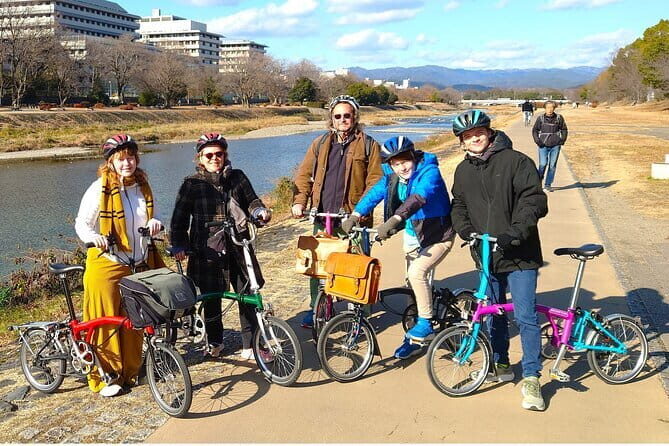
- BROMPTON bikes kept the ride nimble on Kyoto’s smaller streets
- 12 km in about 4 hours means plenty of breaks without killing your day
- A local navigator helps you choose quieter alternatives and photo-friendly angles
- Temple-and-shrine mix with easy timing includes Nanzen-ji and nearby sights
- Waterfront focus gives you a Kyoto feel that isn’t just crowds and storefronts
A Slow Brompton Ride Around Higashiyama’s Waterways
This tour makes a simple promise: you’ll see Kyoto beyond the obvious lanes, and you’ll do it slowly enough to notice what makes the city feel like Kyoto. Riding along the waterways and through temple neighborhoods changes the rhythm fast. On bike, you glide past scenes you’d normally miss when you’re trying to keep up with crowds.
The big win is the balance between iconic stops and quieter roads in between. You’re not just checking boxes at big names—you’re also moving through the in-between places where Kyoto feels local. And yes, the BROMPTON helps. Even if you’ve never ridden one before, it’s the kind of bike that makes you feel like you’re part of the street scene rather than a tourist caravan.
You’ll also get the cultural context tied to what you’re seeing. The tour is designed to connect the dots: rivers, canal-era history, shrine grounds, and the way different parts of Higashiyama developed around water and transport.
A few more Kyoto tours and experiences worth a look
Price, What You’re Really Paying For, and How It Adds Up
It’s $129 per person for the full group experience, about 4 hours, and the value is in what’s covered versus what you’d have to arrange yourself. The cost includes bicycle rental, the navigator, and riding equipment like helmets and bags for wheeled transport. That matters in Kyoto, where renting a bike solo can become a chain of small hassles.
Not included are a couple of extras: an insurance fee of 500 yen, plus any snacks. Also, admission for Nanzen-ji Temple is not included, while the other listed stops are free. So if you want to budget accurately, expect that temple visit to be the one paid admission part of your day.
A small but important detail: the tour ends back at the meeting point, so you’re not spending mental energy on transit logistics mid-ride. You show up, gear up, ride, and you’re done.
Getting Rolling: Demachiyanagi Station, Gear, and a Small Group
You start at Demachiyanagi Station (10:00 am) and you’ll ride with a maximum of 6 travelers. That small group size changes everything. You’re not constantly stopping and waiting for a large pack, and your navigator can adjust the pace if you want more photos or slower moving streets.
Everything you need for cycling is handled: helmet, storage/bags for wheeled transport, and the bike rental itself. That means you can travel lighter—no need to bring cycling shoes or worry about bike-compatible bags. You just wear what you’d normally wear for walking in Kyoto and go.
Since the tour is near public transportation, it’s also easier to fit into the rest of your Kyoto day. You’re not crossing the city just to start pedaling. The route is designed to feel like a local loop around Higashiyama’s water side.
Kamogawa River to Shimogamo Jinja: Kyoto’s Water in Plain Sight
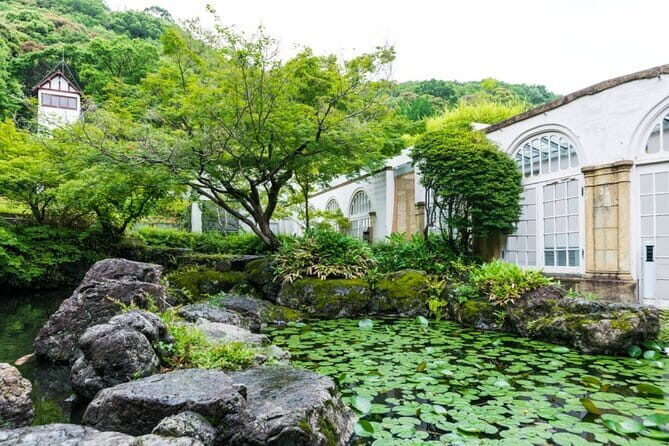
Your first real taste of the area is the Kamogawa River. Even though it runs through the center of Kyoto, it feels like a nature ribbon inside the city. The point here isn’t fancy engineering talk—it’s atmosphere. You’ll notice how the river creates space for greenery and movement, and how that shapes the neighborhoods along it.
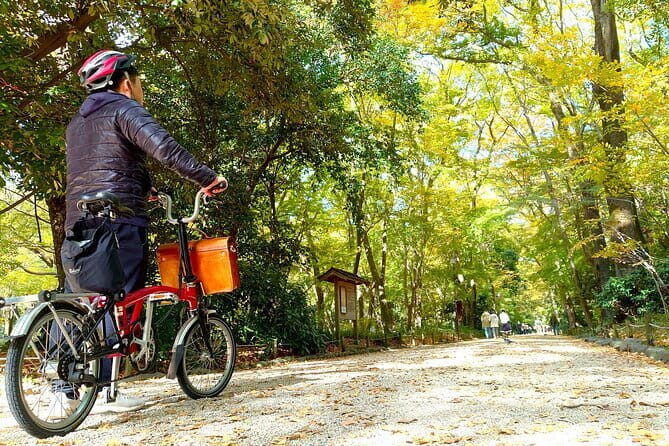
From there, you head toward Shimogamo Jinja, a UNESCO World Heritage Site. The shrine’s Tadasunomori forest is known for that quiet light filtering through trees. This stop is a good reminder that Kyoto isn’t only about big gateways and photo backdrops. It’s also about stillness and the way sound changes when you step into shrine grounds.
Why this pair works in the itinerary: you go from river-side open atmosphere to forest-shadowed calm. The ride helps you feel the shift, instead of simply reading about it later.
Practical tip: wear sunscreen and take a moment in the shade at Shimogamo. The tour is slow, so you won’t feel rushed, but the Kyoto sun can still surprise you.
The Philosophy Path and Nanzen-ji: Footsteps, Gates, and Water Logic
Next up is the Philosopher’s Walk, also called the Philosophy Path. It’s a footpath along the Lake Biwa Canal at the foot of Mount Higashiyama. The name comes from the idea that philosophers strolled there for contemplation. Even if you’re not thinking like a philosopher, the path gives you that same slow, reflective mood.
Here’s what I like about this moment: you’re not just moving on a bike. You get a pause that lets your brain switch gears. Kyoto often overwhelms you with visual noise. This stretch helps you catch up to what you’re seeing.
After that, you reach Nanzen-ji Temple, one of the most prestigious Rinzai temples in Japan. It’s known for its garden and the Sanmon Gate, which has appeared in Kabuki. That connection is useful because it reminds you that Kyoto temples aren’t frozen in time—they’re part of wider Japanese culture and storytelling.
A drawback to plan for: Nanzen-ji Temple admission is not included, so budget that on top of the $129. Also, gardens and temple grounds can mean more walking than you expect right after cycling. The good news is you’re only there for about 30 minutes, and the tour overall is paced for comfort.
Other cycling tours in Kyoto


Nanzenji Suirokaku and Keage Incline: Industrial History You Can See
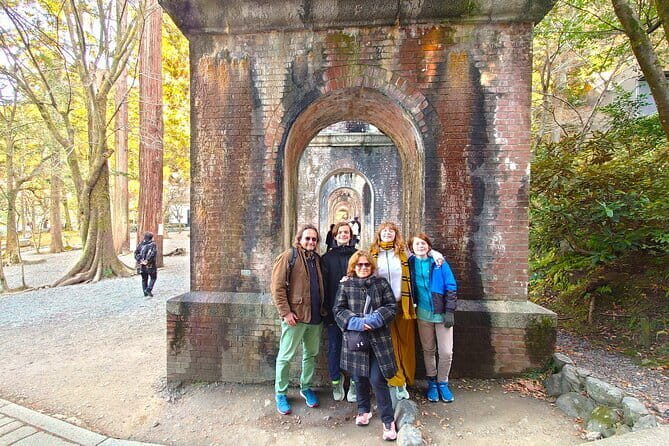
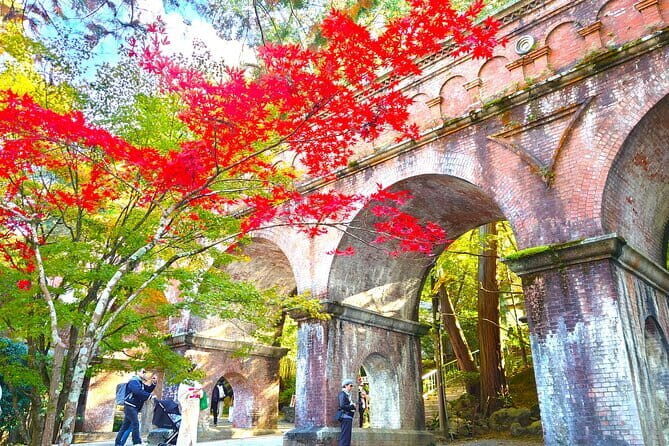
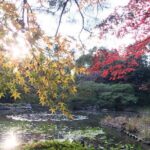
Right near Nanzen-ji is Nanzenji Suirokaku, a brick aqueduct associated with the Lake Biwa water system. It played a major role in modernizing Kyoto in the Meiji era and is still in use today. This stop is the kind of Kyoto detail that makes the whole day feel more grounded. Instead of just admiring beauty, you see the infrastructure story underneath it.
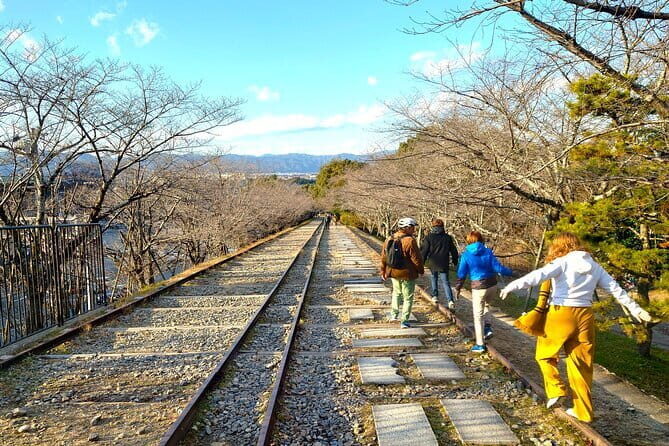
From there you ride to Keage Incline, part of an incline railway sightseeing area tied to boat transport on the canal. What makes it special for this route is the contrast: temples and shrine calm give way to preserved industrial heritage, and the design of the area makes it easy to pause and take photos without blocking other people.
Keage Incline is also lined with cherry blossom trees. Even if you’re not visiting in peak blossom season, the preserved rail form is still visually distinct. It’s one of those places where you can tell Kyoto carefully protects layers of its past instead of flattening everything into modern sameness.
Kyoto Gyoen National Garden: Imperial Grounds Without the Pressure
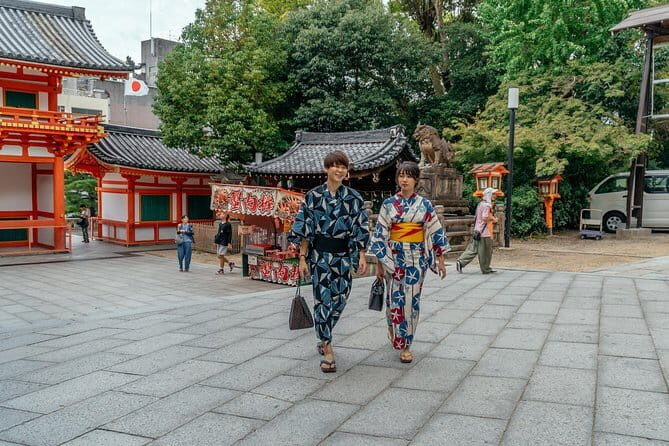
To wrap the loop, you visit Kyoto Gyoen National Garden. This is where the former Kyoto Imperial Palace grounds once stood, when the Emperor lived there until the middle of the 19th century.
This stop is a nice final note because it shifts you away from shrine gates and toward landscaped open space. The atmosphere is different, more formal and park-like. And since you get about 1 hour here, it feels like a buffer before you return to your bike and roll back.
If you tend to get temple fatigue, this is a smart place to slow down. The pacing of the tour doesn’t stack too many heavy stops back-to-back.
The Navigator Effect: Quiet Streets, Better Timing, and Food Options
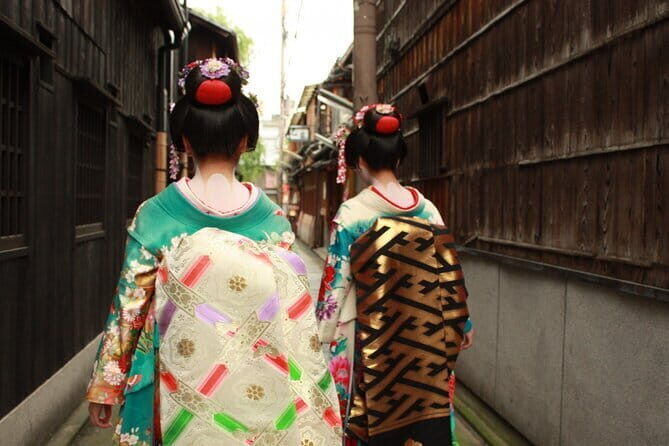
The most praised part of this style of tour is often simple: the navigator helps you avoid the worst chaos. In practice, that means you’re more likely to ride down tiny laneways and quiet streets instead of only moving through the most crowded corridors. That changes the whole experience. Kyoto is famous, yes. But you still want moments when it feels like a city you could live in.
Because you’re on a bike, the navigator can shift your route within the Higashiyama area to keep things calm. It’s not about skipping the big sights—it’s about the in-between minutes. Those are the minutes that make photos look less crowded and your day feel less rushed.
Another value add: the navigator can suggest lunch spots and speciality shops that fit your wishes. That’s a big deal if you don’t want to spend your trip hunting for food while also thinking about where your next temple is. You can keep your day fluid.
One more practical upside I noticed: with cycling, you naturally pass local storefronts and street scenes that don’t show up on a tight walking itinerary. You get to see what people actually do day-to-day.
Who This Tour Suits Best (and When to Skip It)
This tour is best for you if you want a 4-hour Kyoto highlights day but you don’t want to spend it grinding through stairs and back-to-back walking. It’s also a great match if you’re not super confident about your fitness. The ride is slow, and the tour is built around easy pacing rather than athletic challenge.
It may not be ideal if you’re dealing with limited comfort for cycling time. Even with the slow pace and frequent photo/stop moments, you are still riding for the bulk of the experience. Also, the tour depends on good weather, and the provider may reschedule or refund if weather makes it not work.
And if you’re the type who hates wearing a helmet for any reason—well, you’ll want to reconsider. The helmet is included, and it’s part of riding responsibly, especially on busy Kyoto streets.
Should You Book This Kyoto Higashiyama Slow Cycling Tour?
I’d book it if you’re looking for a Kyoto day that mixes waterfront atmosphere, major stops like Nanzen-ji, and calmer side streets you’ll never find as fast on foot. The small group size and included gear make it feel low-stress, and the route length is long enough to feel like a real experience without turning into an all-day ordeal.
I’d skip it only if you want a purely walking temple day, or if you know you’ll struggle with cycling time and weather dependence. Otherwise, this is a smart value play: you pay for a guided loop that saves you planning, adds cultural context, and gets you around efficiently without sacrificing the slow rhythm you came to Kyoto for.
FAQ
How long is the Kyoto Higashiyama slow cycling tour?
It runs for about 4 hours.
What is the total distance for the ride?
The distance is approximately 12 km.
What does the price include?
It includes bicycle rental, the navigator fee, and riding equipment such as helmets and bags for wheeled transport.
Is temple admission included?
Most listed stops are free. Admission is not included for Nanzen-ji Temple.
What should I expect in terms of fitness level?
The tour requires a moderate physical fitness level.
What happens if the weather is bad?
The tour requires good weather. If it’s canceled due to poor weather, you’ll be offered a different date or a full refund.