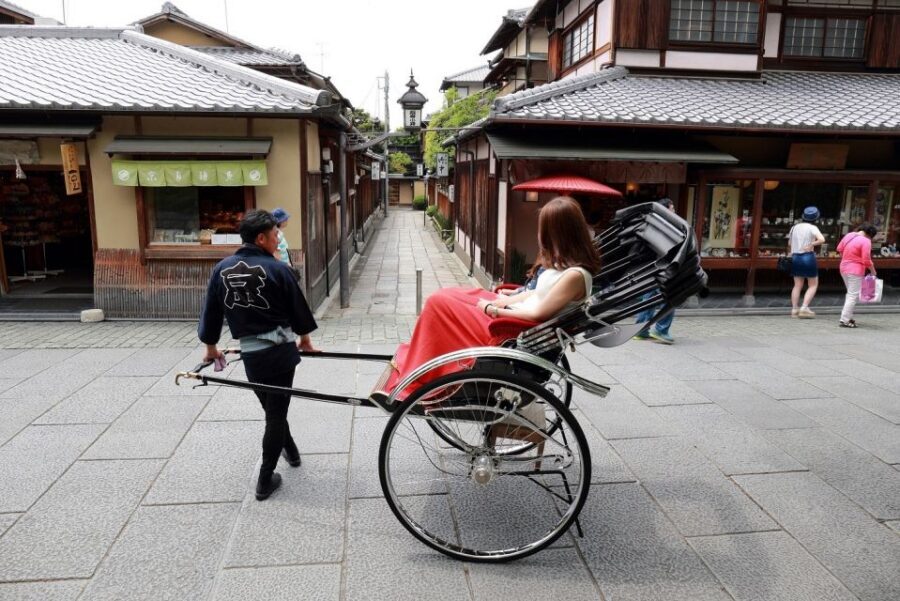
That first turn into old Kyoto is pure magic. This private rickshaw ride takes you through Higashiyama’s traditional streets and into Gion, with photo pauses timed for the best angles. You get a guide who explains what you’re seeing and adjusts the route to your interests, so it feels less like sightseeing and more like meeting Kyoto at street level.
I especially love the way you glide along traditional wooden lanes without the stamina tax of walking steep, crowded areas. The photo stops are another win: guides like Shintaro Hutakeyna and Shiro are the type who help you find great scenes and then get the shots right. One thing to consider: the streets are narrow and the rickshaw is small, so comfort depends on your needs (and it’s not ideal for back issues or early pregnancy).
In This Review
- Key things you’ll notice fast
- Why a private rickshaw through Higashiyama feels worth it
- Starting at Kodaiji Temple: the route begins where Kyoto looks its best
- Higashiyama streets and temples: seeing the “in-between” parts
- Photo stops: how to get great shots without turning your day into chaos
- Rolling into Gion: what you’ll see and how to behave in the geisha area
- The timing choice that can make or break your day: 45 vs 3 hours 10 minutes
- 45-minute intro
- The longer options (up to the comprehensive end)
- Comfort, kids, and physical limitations: read this before you book
- Price and what you truly get for $51 per person
- What to do before you go (so the day runs smoothly)
- Should you book this Kyoto rickshaw tour?
Key things you’ll notice fast
- Private guide, private pace: you choose the vibe, not the schedule.
- Higashiyama first: Kodaiji area to well-preserved wooden streets and temple scenery.
- Photo stops built in: planned moments for your best Instagram-style photos, minus selfie sticks.
- Gion pass: you’ll roll through the geisha district area as part of the route.
- Choose your length: 45 to 130+ minutes changes how much of Higashiyama and northern Gion you cover.
Why a private rickshaw through Higashiyama feels worth it
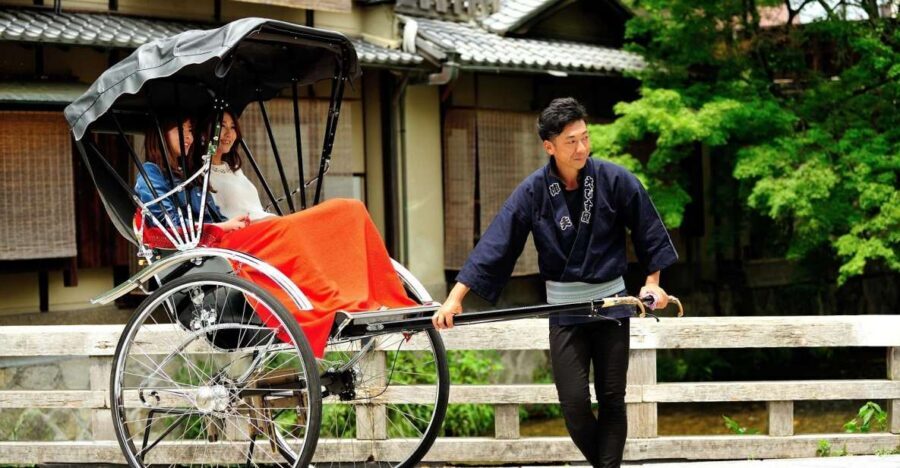
Kyoto is packed with “must-sees,” but the best parts are often the small streets between them. That’s where a rickshaw earns its keep. You’re seated, your guide is steering your attention, and you’re moving at a human pace through lanes that can be a pain to walk—especially if you’re trying to see temples, side streets, and photo spots without getting flattened by crowds.
This tour is also a smart way to get context. The guide isn’t just moving you from A to B. You’ll learn how the neighborhoods work, what the buildings represent, and what to look for as you pass. Some guides you may encounter (like Daichi, Moto, or Fumi) are known for strong English and for explaining Kyoto in a way that actually sticks—simple stories tied to what’s in front of you.
Is it expensive? At $51 per person, it’s not cheap. But you’re paying for three things that add real value: privacy, effort saved, and someone local who helps you see more than you’d notice on your own. Also, the tour includes small keepsakes—a souvenir postcard and sticker—which is minor but nice.
A few more Kyoto tours and experiences worth a look

Starting at Kodaiji Temple: the route begins where Kyoto looks its best
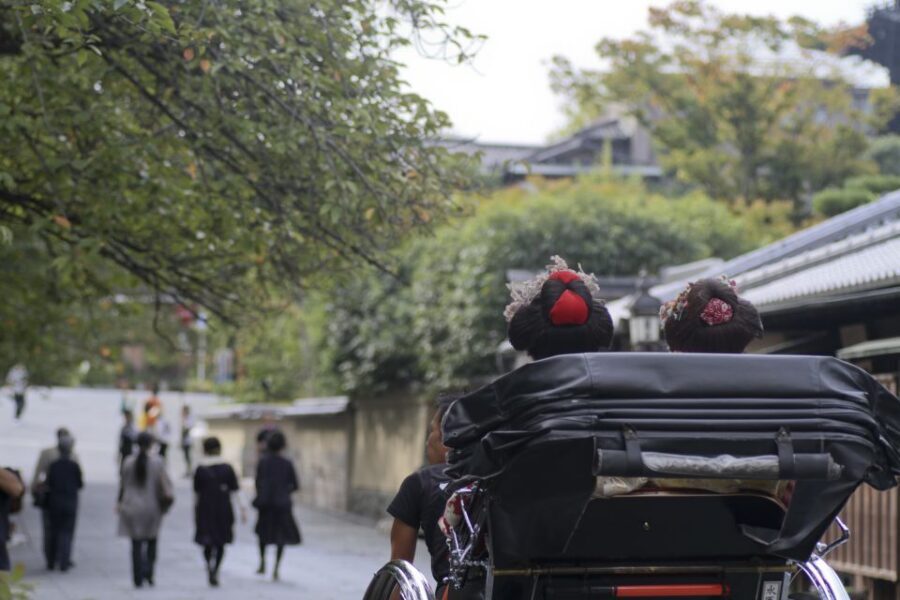
You meet your guide on the corner of Nene Street and Ichinenzaka Street, by Kodaiji Temple. This matters more than it sounds. That area sits right in the historic Higashiyama zone, so your rickshaw ride doesn’t waste time getting you into the old-street feeling.
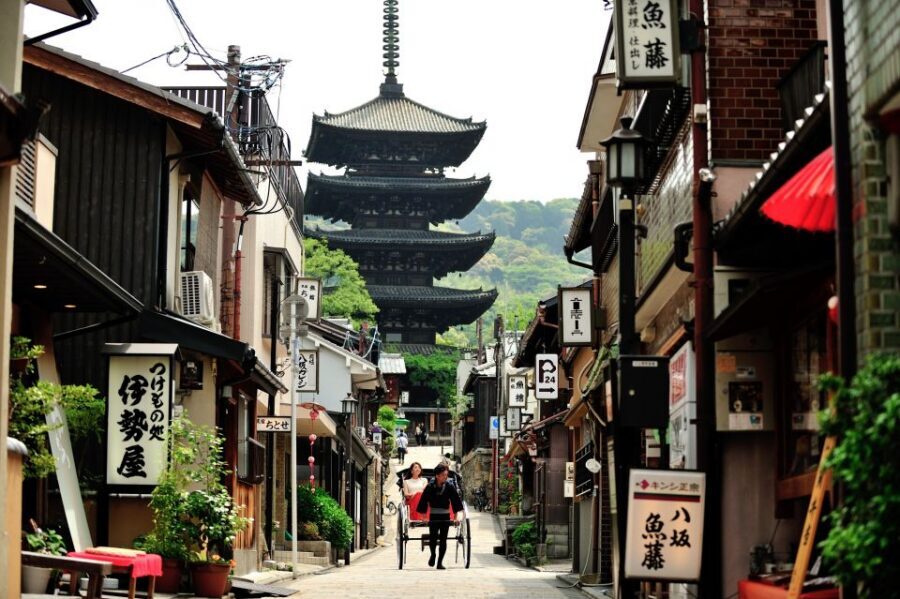
In practice, the first minutes tend to set the tone: cobbled streets, classic architecture, and that sense that you’ve stepped into a real neighborhood rather than a theme park. Your guide then pulls you through lanes lined with traditional shops and buildings, including the well-preserved wooden townhouses Higashiyama is famous for.
One practical consideration: the meeting point is outdoors and in an active area. If you’re arriving from a hotel, plan a little buffer so you’re not stressed hunting the exact corner.
Higashiyama streets and temples: seeing the “in-between” parts
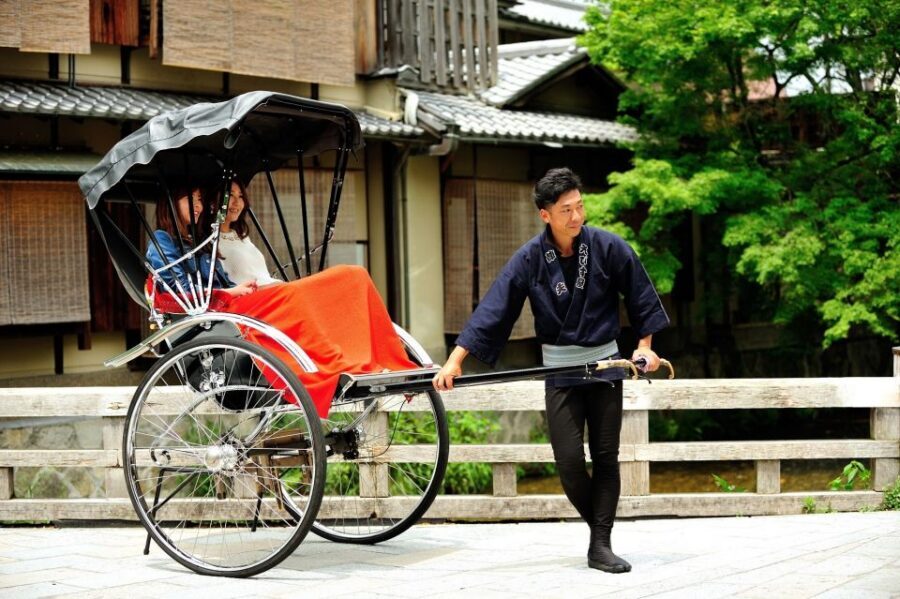
Higashiyama is the main course here. On this tour, you’ll pass through the traditional neighborhood with stops for photos, and you’ll also see some of Kyoto’s famous temple areas along the way.
The big win is motion. Walking Higashiyama can be slow because you stop for photos, you dodge crowds, and you retrace steps if you missed something. On the rickshaw, you keep moving while still getting the chance to pause. That’s why this works so well as a first or second-day plan: it helps you orient yourself, so later you can explore on foot with a better sense of where things are.
What you’ll likely notice as you ride:
- The architecture shifts from street to street, so you can spot patterns in rooflines, wooden façades, and how buildings face the lane.
- You’ll pass small storefronts and traditional storefront rhythms that are hard to catch from a bus or train.
- The guide steers your attention to “why this place matters,” not just “what it is.”
You should also know that longer options take you further. The basic idea stays the same—Higashiyama first—but for the longer rides you continue into more of northern Gion and additional highlights around the Higashiyama area.
Photo stops: how to get great shots without turning your day into chaos
Photo stops aren’t an extra add-on here—they’re part of the design. Your guide will pause at scenic points during each location, and the route typically includes some of the most photogenic views in the area.
A key detail: no selfie sticks. That doesn’t mean no photos—it means your best shots come from smart positioning, short bursts, and letting your guide pick spots. Many guides on this route are used to dealing with phones in hand, and in the feedback you’ll find examples of guides creating short keepsakes (like video moments) or taking creative shots for your camera.
To make the photo stops work for you:
- Have your phone ready before you arrive at the stop, so you don’t fumble while everyone else is waiting.
- Tell your guide what you want: full street view, portrait-style angles, or shots that show the wood-and-stone textures.
- If it’s raining or windy, bring a light layer for your phone and yourself; you’ll spend those pauses outside.
If you care about images as much as stories, this is one of the better-priced Kyoto experiences for getting both.
Rolling into Gion: what you’ll see and how to behave in the geisha area
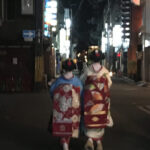
The ride continues into Gion, including time passing through the geisha district area. This is one of Kyoto’s most recognizable cultural zones, and seeing it from a rickshaw changes the feel. You’re not just looking at buildings—you’re experiencing the street scale, the way lanes funnel people, and the overall mood of the neighborhood.
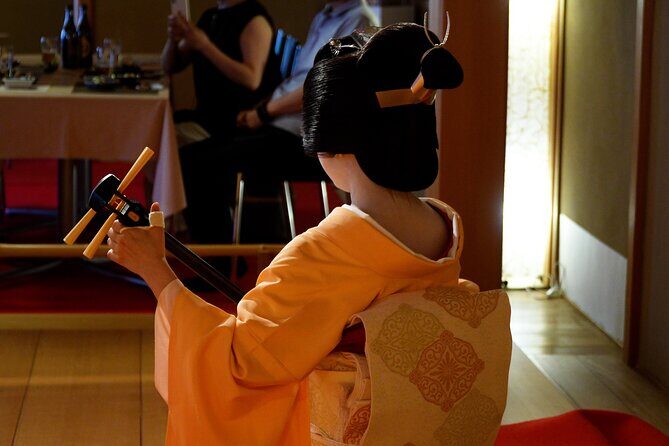
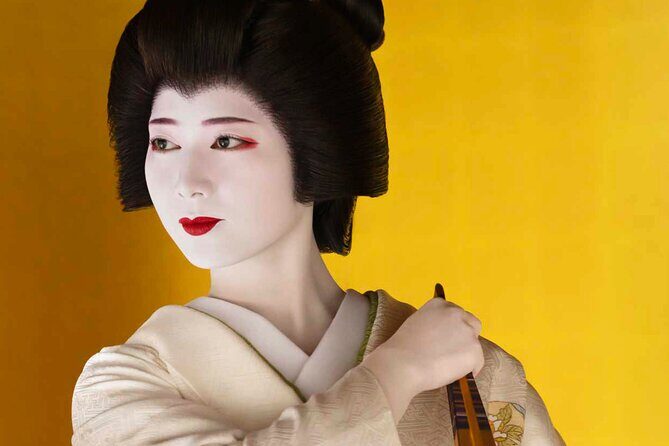
You may also spot women in traditional attire and hear the buzz of cameras and street chatter nearby. The tour doesn’t promise a specific famous sight photo, but it does position you to move through the area at the right time and in the right way—slow enough to notice details, fast enough to avoid getting stuck at the busiest points.
How to stay respectful while you’re there:
- Keep your voice down during passes near residences and side streets.
- Don’t block the lane where people need to move.
- If something feels private, step aside and let your guide steer you forward.
If you’re hoping to feel the “Kyoto atmosphere” more than check off a list, the Gion portion is where that clicks.
A few more Kyoto tours and experiences worth a look

The timing choice that can make or break your day: 45 vs 3 hours 10 minutes
You can pick from multiple lengths, with 45 minutes as the intro option and longer choices reaching 3 hours and 10 minutes. That range is not just time—it changes what “success” looks like.
45-minute intro
Best when:
- You’re only in Kyoto briefly.
- You want the rickshaw experience plus a taste of Higashiyama and Gion without committing to a long block.
- You’re already doing temples on foot earlier or later.
This is usually enough to get the feel of the historic streets and snag several photo stops, but you’ll have less room for extra detours if something catches your eye.
The longer options (up to the comprehensive end)
Best when:
- You want more walking avoided, but still want more sights.
- You like slower travel and more explanation from your guide.
- You want more time in both Higashiyama and the northern Gion area.
Longer rides also help on days when Kyoto is crowded. Instead of rushing through photo stops, you can enjoy them and keep the day from feeling like a checklist sprint.
Quick rule of thumb: if you’re unsure, pick the length that matches how much you like photos and how much walking you want to avoid.
Comfort, kids, and physical limitations: read this before you book
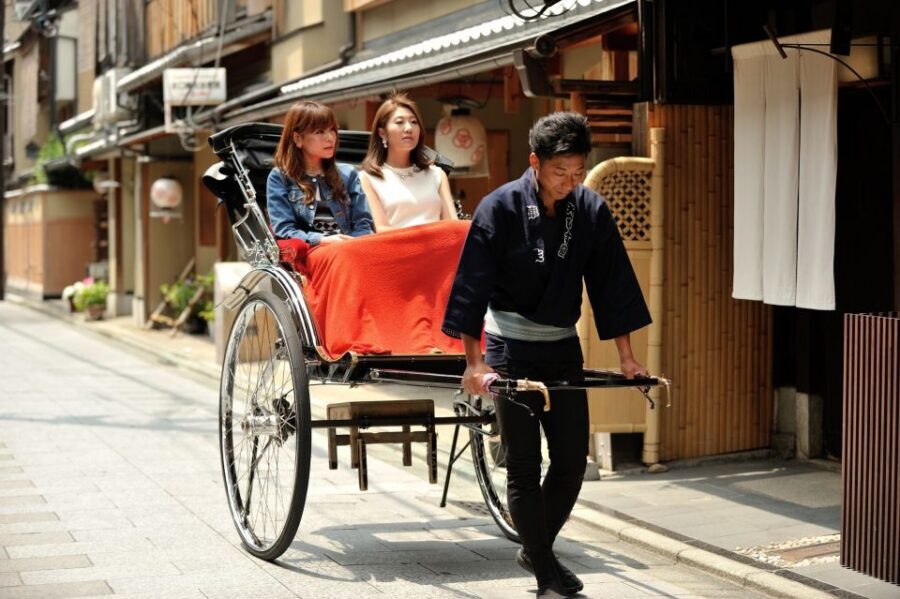
This rickshaw is part transport, part cultural experience, and it comes with some real-world constraints.
Key points from the tour rules:
- Selfie sticks are not allowed.
- Not recommended for expecting mothers in the first 16 weeks.
- Not suitable for people with back problems.
- Wheelchair and stroller-friendly are noted as possible.
- Each rickshaw is 21.1 inches (74 cm) wide, so space can be tight. If you’re sharing and your group includes taller or wider passengers, it might be more comfortable to book individual rickshaws.
- Seating rules for children depend on age, including the note that children aged 5 and under have lap-seat rules and a specific case where booking as an adult may be required if a child will use one of the two seats.
This is one of the most important value checks you can do. A rickshaw is short and controlled, but you still need to be comfortable sitting during the drive and turns. If your body needs frequent position changes, consider a longer tour only if you’re sure you can handle the seated time.
If you’re traveling with kids, the private setup helps a lot because your guide can manage pacing and stops around your group.
Price and what you truly get for $51 per person
Let’s talk value without hype. At $51 per person, you’re not paying just for transportation. You’re paying for:
- A private rickshaw experience
- A guide who explains what you’re seeing (English and Japanese are available)
- Photo stops built into the tour
- A couple small souvenirs: postcard and sticker
- Customization based on your interests
What’s not included:
- Entry fees to temples/paid sites (so if you plan to enter places, budget separately)
- Food and drinks
- Hotel pickup and drop-off
That means the tour is best as a “guided sightseeing and photo experience,” not as a complete all-in-one for attractions that require paid entry. If you want to go inside many sites, plan to add those costs. If you’re happy viewing from outside and photographing, the included value stretches further.
Also, private pricing tends to be about your total group experience. If you’re traveling as a couple, it’s usually great. If you’re a family of four, you may want to think about whether one rickshaw vs two makes the most sense for comfort, especially given the rickshaw width.
What to do before you go (so the day runs smoothly)
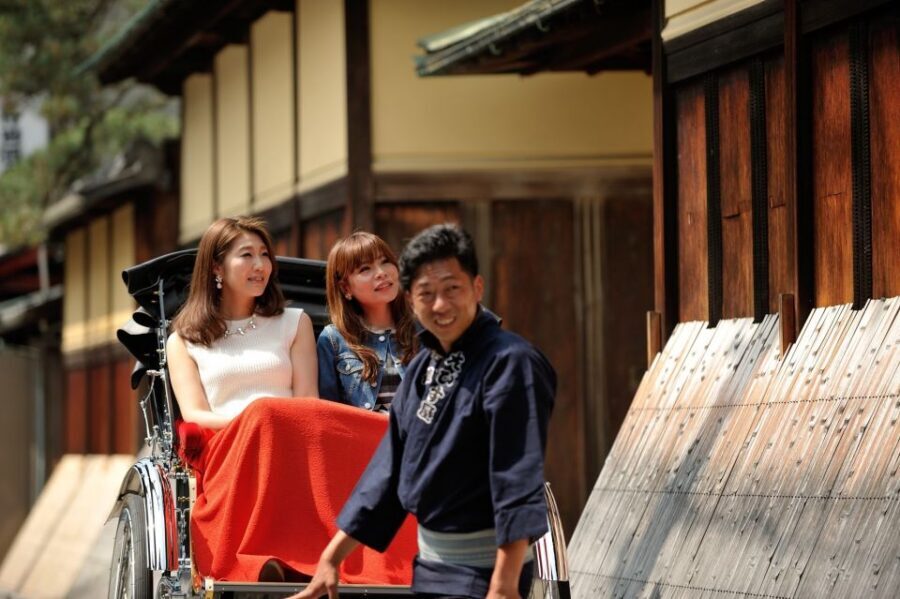
A rickshaw tour sounds easy. It is. But a few small choices make it much better.
- Wear shoes you can stand in while waiting for your photo stop. You’ll likely be out briefly at each pause.
- Bring a light layer. Kyoto weather can swing, and you’re outside during stops.
- Decide your priorities before you meet: wooden streets, temples, Gion atmosphere, or photo-heavy routing. Your guide can customize based on that.
- If you care about photos, set expectations early. Ask for the kind of shots you want: close texture shots, wider street scenes, or portrait-style framing.
And for groups: if you have someone with mobility or comfort needs, discuss the option of booking separate rickshaws. The width limitation is real, and it can affect how relaxed the experience feels.
Should you book this Kyoto rickshaw tour?
Book it if you want:
- A private way to experience Higashiyama and pass through Gion
- Built-in photo stops with a guide who helps you get the angles right
- Less walking but still meaningful sightseeing and explanations
- A customizable route that fits your pace
Skip or reconsider if:
- You have back problems or need frequent position changes
- You’re in the first 16 weeks of pregnancy
- You need lots of inside-the-gate ticketed attractions covered, since entry fees aren’t included
My take: if you’re aiming for Kyoto that feels personal—street scale, traditional architecture, and a guide to help you notice what matters—this tour is a strong use of money. Pick the duration that matches your comfort and photo goals, show up at Kodaiji, and let the slow ride do its job.