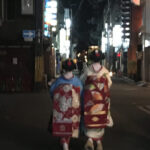
Gion feels different after dark. This tour threads you through the narrow lanes of the famous district of Gion while a guide adds context on geisha culture and what to look for. You also get a sake tasting along the way, plus guided stops at standout shrines and temple spots like Yasaka Shrine.
Two things I especially like: the size is kept small (a max of 10 travelers), which makes it easier to ask questions as you go, and the guide commentary connects the dots between Gion, samurai-era stories, and ideas like Zen meditation. I’ve seen past guests mention guides such as Shumpei and Mune, and that’s the vibe you should expect: friendly, talkable, and focused on helping you read the neighborhood.
One drawback to plan for: it involves a lot of walking in residential streets at night, and the group pace is not built for long lingering. Wear comfortable shoes and keep your voice down, and if you’re drinking the provided alcohol, do it responsibly.
In This Review
- Quick hits before you go
- Why a Sake-in-Hand Gion Walk Works at Night
- Price and Time: What $27.84 Really Buys
- Meeting Point at Kikunoi Roan: Where to Start and How It Ends
- The Kamo River Opening: A Calm Break Before Gion
- Gion’s Narrow Lanes and Hanamikoji Street: The Real “You Are Here” Moment
- Yasui-Konpiragu Shrine: A Sharp Cultural Stop
- Hokan-ji Temple (Yasaka Pagoda): Kyoto’s Five-Story Icon
- Sannenzaka and Ninenzaka Slopes: Old Kyoto Footsteps Under Your Shoes
- Nene-no-Michi: A Quiet Path With a Named Story
- Yasaka Shrine Finish: Where the Night Walk Lands
- What the Guide Actually Does (Beyond Pointing)
- Comfort and Etiquette Tips for Night Walking in Gion
- Should You Book This Gion Geisha and Sake-in-Hand Walking Tour?
- FAQ
- How long is the Kyoto Gion geisha district and sake walking tour?
- What is the group size for this tour?
- What is the price per person?
- Where does the tour start and where does it end?
- Is admission free for the stops on the route?
- Does the tour include sake?
- Are there any age requirements?
- Is this tour good for people who don’t like a lot of walking?
- What landmarks and areas are included along the walk?
- What happens if the weather is bad?
- Is it possible to cancel and get a refund?
Quick hits before you go

- Small group max 10 travelers for a more personal night walk through Gion
- Sake tasting included so you can enjoy Kyoto’s flavors as the streets glow
- Geisha-culture commentary with tips on where and how you might spot geiko and geisha
- Iconic stops in the Higashiyama/Gion orbit including Yasaka Shrine and Yasaka Pagoda (Hokan-ji)
- Old-street walking on stone-paved lanes like Ninenzaka and Sannenzaka
- Residential-area etiquette built into the experience, not optional
Why a Sake-in-Hand Gion Walk Works at Night
Kyoto after dark can feel like a different city. The big draw here is that you are not just sightseeing from one temple to the next. You’re walking the kind of streets where the mood matters—narrow alleys, preserved traditional houses, and lantern light that makes everything look more “in-scene.”
I like that the tour gives you cultural context while you’re moving, not just a list of places. The guide commentary is built around geisha culture (and the respectful ways to observe it), but it also touches samurai culture and Zen meditation themes. That matters because it turns random street corners into meaningful details you can actually notice.
Then there’s the sake. You’re not getting a lecture about sake history; you’re tasting it during the walk, when the atmosphere is doing the heavy lifting. Even if you don’t consider yourself a big sake person, the tasting becomes an easy way to slow down and pay attention for a few minutes.
A few more Kyoto tours and experiences worth a look


Price and Time: What $27.84 Really Buys
At $27.84 per person for a 1 to 1.5 hour small-group walking tour, the main value is that you’re paying for three things at once: navigation, interpretation, and a food-and-drink moment.
Navigation is underrated in Gion. The district is full of narrow lanes that look similar. Having a guide helps you avoid the usual problem: walking in circles while trying to remember where you were supposed to turn.
Interpretation is the second value. If you’ve ever wandered through Gion and felt like you could see the buildings but missed the meaning, this tour is designed to fix that with on-the-ground commentary.
The third value is the sake tasting. Since alcohol is included, you don’t have to budget for an extra stop just to make the walk feel complete. One note: the tour includes alcohol, so you’ll want to pace yourself and drink responsibly.
Meeting Point at Kikunoi Roan: Where to Start and How It Ends
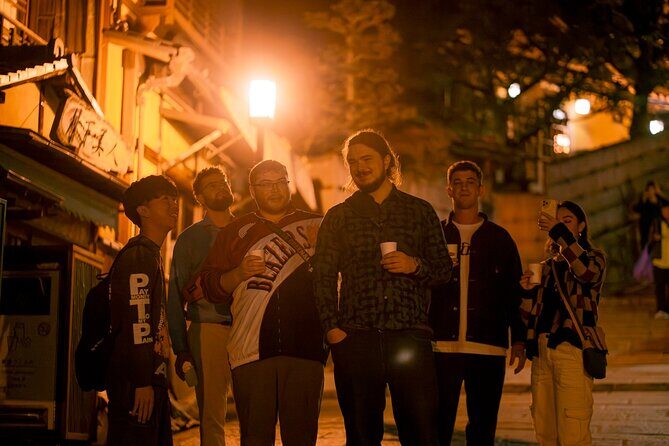
The tour starts at Kikunoi Roan (四条下る斎藤町118), 600-8012 Kyoto, and ends at Yasaka Shrine (625 Gionmachi Kitagawa, Higashiyama Ward). That end point is convenient because Yasaka Shrine is a major landmark area, so it’s easier to keep going after the tour rather than ending somewhere remote.
You’ll also get help if you need to catch a taxi after the tour, which is a real practical perk—especially because public buses may be stopped by the time the walk finishes.
The meeting location is near public transportation, so you can usually arrive without over-planning your route. Still, I’d recommend arriving a little early, since you’re meeting in a busy Kyoto street network and you’ll want a calm start.
The Kamo River Opening: A Calm Break Before Gion

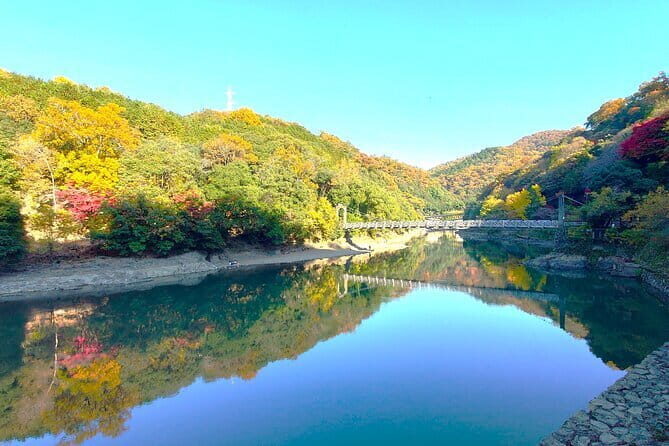
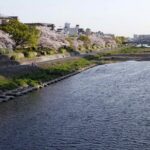
One of the first scenic touches is the Kamo River, which runs through Kyoto and is known for its calm, picturesque setting. This is a good warm-up stop because it gives your eyes a moment to reset before you step into Gion’s tighter streets.
It also helps you understand the layout of the area. When you start walking from a river corridor into a historic district, the city starts to feel more connected instead of random.
This stop also tends to set a reflective tone—less frantic, more scenic. If you’re coming straight from transit and feel a little rushed, this is your chance to settle in.
Gion’s Narrow Lanes and Hanamikoji Street: The Real “You Are Here” Moment
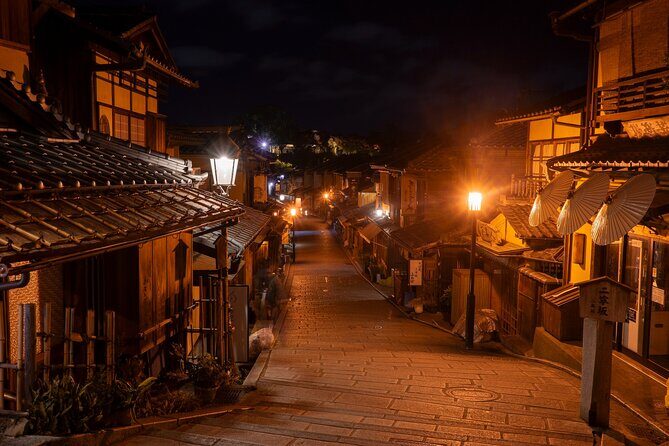
Once you reach Gion, you’re in the district people come to Kyoto for. Expect traditional wooden machiya houses and teahouse-style buildings, with a lively atmosphere that can feel like stepping back in time.
The walking part is key. Gion’s streets are narrow, and that means your guide can do something big: help you move through the district without getting lost. You’re not just admiring storefronts; you’re learning how the lanes work and where sightlines naturally open up.
Hanamikoji Street is one of the best-known stretches here—historic and lined with preserved wooden buildings. It’s a great spot for photos and for getting a feel for the district’s rhythm. Just keep your expectations grounded: Gion is a real neighborhood, and part of the tour’s theme is respectful observation rather than chasing people for a photo.
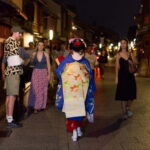
If you’re hoping to spot geisha or geiko, the guide tips are the difference. You’ll learn what makes sightings more likely—things like where people tend to appear and how to look without blocking the flow of locals.
Other walking tours we've reviewed in Kyoto




Yasui-Konpiragu Shrine: A Sharp Cultural Stop
Next is Yasui-Konpiragu Shrine in the Higashiyama area. This is a Shinto shrine with a specific reputation: it’s known for power to sever bad relationships and bring good ones.
That kind of theme matters because it changes how you view a shrine. You’re not only looking at architecture; you’re learning what people traditionally come here to ask for. You’ll also notice a standout feature connected to the shrine’s fame (the tour description calls out its large enki symbol).
It’s a quick stop, but it’s one of those places where the meaning is clear even when you’re moving fast.
Hokan-ji Temple (Yasaka Pagoda): Kyoto’s Five-Story Icon
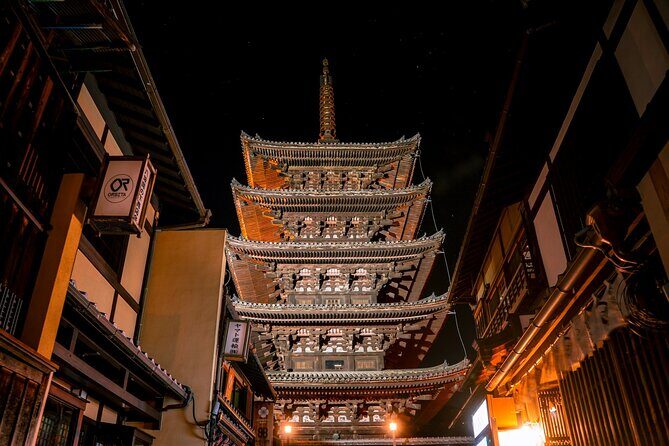
Then comes Hokan-ji Temple, commonly referred to as Yasaka Pagoda. This is the five-story pagoda you’ll likely recognize in Kyoto photos, even if you can’t name it at first.
What makes this stop satisfying is the combination of scale and context: the temple is known as an iconic structure in the Higashiyama area, and it’s described as dating back to the 6th century. Even without deep architectural knowledge, a pagoda that old in a street-level setting hits different.
It’s also a strong photo opportunity stop. You’re moving at walking speed, so you can pause, look back, and catch different angles as the streets open up.
Sannenzaka and Ninenzaka Slopes: Old Kyoto Footsteps Under Your Shoes

After the shrine and pagoda stops, the tour shifts into pedestrian-lane mode. You’ll walk through the Sannenzaka and Ninenzaka area, which is famous for its well-preserved traditional atmosphere.
This is stone-paved, sloping street walking, so it’s not just flat strolling. The route described includes time through Sannenzaka/Ninenzaka and then additional time around Sannenzaka. The reason it works on a small-group night tour: the streets feel atmospheric rather than chaotic, and you can see the architectural continuity street-by-street.
Practical note: these slopes can be slippery depending on weather. If it recently rained, take smaller steps and keep an eye on your footing. Comfort shoes matter here more than anywhere.
Nene-no-Michi: A Quiet Path With a Named Story
Next is Nene-no-Michi, a stone-paved path named after Nene, the beloved wife of Toyotomi Hideyoshi. This stop feels calmer than the busier main streets, and that’s exactly why it’s worth including.
I like that it’s not just random walking between landmarks. The name carries a story, so the path feels purposeful. You’re moving through a corridor that’s part of Kyoto’s larger Higashiyama narrative.
Even if you’ve never heard the name before, the tour framing makes it easy to remember. It’s a simple way to turn a footpath into something with meaning.
Yasaka Shrine Finish: Where the Night Walk Lands
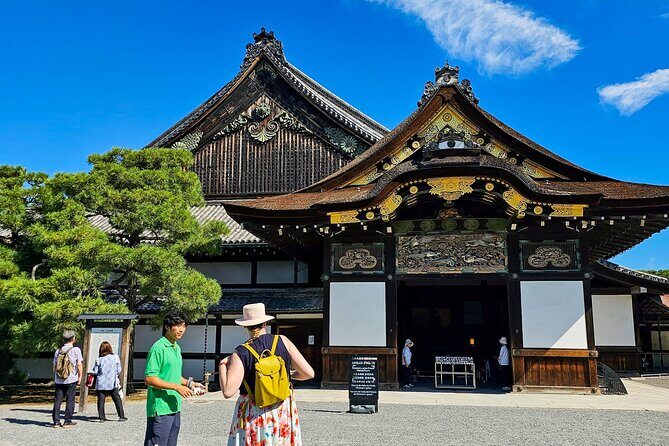
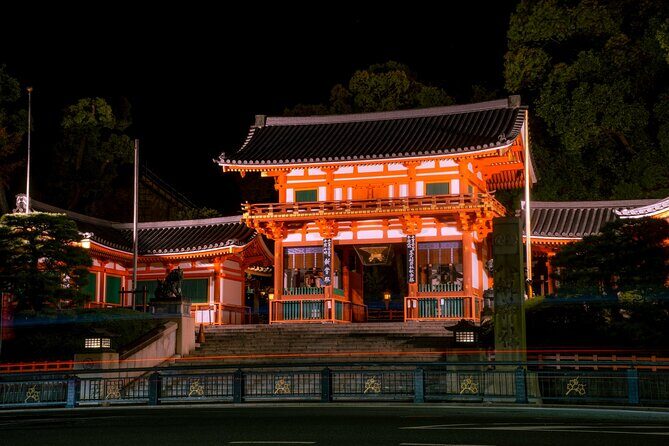
The walk ends at Yasaka Shrine, also known as Gion Shrine. The description places its origins at 656 AD, and it’s framed as one of Kyoto’s most historically significant Shinto shrines.
Ending here makes sense because it’s a strong visual and cultural anchor. By the time you reach Yasaka Shrine, you’ve already walked through Gion’s lanes, temples, and old-street slopes—so the finish feels like you’re arriving at a centerpiece rather than just stopping somewhere convenient.
Also, because the tour concludes here, you’re in a great location to switch to your next plan. You can continue exploring the area on your own without having to backtrack your steps through narrow alleys.
What the Guide Actually Does (Beyond Pointing)
The best night tours have a rhythm: stop, context, a moment to look, then back on the move. This experience is built around that rhythm.
You can expect guide commentary that connects:
- Geisha culture and the right way to observe it
- Samurai culture references that help explain why Kyoto’s neighborhoods feel the way they do
- Themes related to Zen meditation, which can sound abstract until you’re standing in the right setting
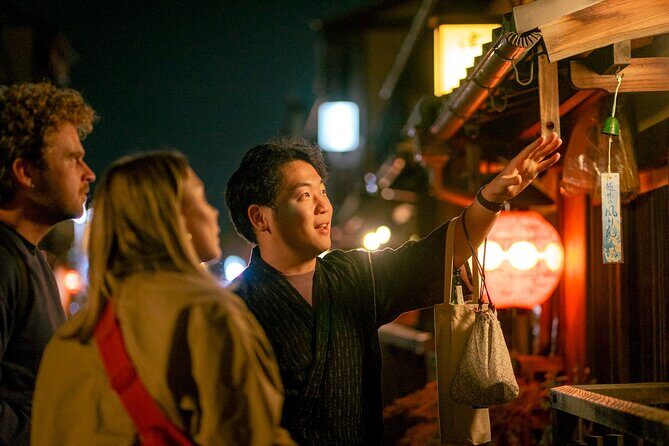
One more thing that comes through in how people talk about the tour: guides are easy to talk with. Past guests have praised being able to chat and compare cultural differences. If you like asking questions, this is the kind of tour where your questions help shape the experience instead of feeling ignored.
Still, keep your expectations realistic: it’s a walking tour with scheduled stops, so it’s not set up like a long discussion at each location. If you want a fast-moving night walk with explanation along the way, you’re in the right place.
Comfort and Etiquette Tips for Night Walking in Gion
This tour is explicitly described as lots of walking in residential areas at night. That means you should plan like you’re going to be outside for the long haul, not like it’s a quick photo stroll.
- Bring comfortable shoes (you’ll be on stone and uneven street textures at times)
- Wear clothing that works for nighttime weather and movement
- Keep voices low out of respect for local residents
- Since alcohol is provided, sip and pace yourself. Drink responsibly so you can enjoy the walk without getting tired or sloppy.
Also, the experience requires good weather. If conditions are poor, it can be rescheduled or refunded. That’s worth paying attention to because slipping on slopes would ruin the experience.
Should You Book This Gion Geisha and Sake-in-Hand Walking Tour?
Book it if you want a Kyoto night that feels guided but not stiff. This is especially a good match if:
- You’d like Gion context (geisha culture, samurai-era storytelling, Zen themes) instead of random wandering
- You want a small group so you can ask questions
- You like the idea of pairing a cultural walk with a sake tasting rather than adding a separate food stop
- You’re comfortable with 1 to 1.5 hours of walking at night
Skip it or think twice if:
- You want minimal walking or lots of quiet time inside buildings
- You’re looking for a fully customized, slow-paced chat. This is a route with multiple stops, so the pace stays active.
If that sounds like your kind of Kyoto evening, this is good value. It bundles navigation, cultural interpretation, and a sake moment into one simple plan, and it ends right where you’ll want to be: at Yasaka Shrine.
FAQ
How long is the Kyoto Gion geisha district and sake walking tour?
The tour is about 1 hour to 1 hour 30 minutes.
What is the group size for this tour?
It has a maximum of 10 travelers.
What is the price per person?
The price is $27.84 per person.
Where does the tour start and where does it end?
It starts at Kikunoi Roan in Kyoto and ends at Yasaka Shrine.
Is admission free for the stops on the route?
The tour’s listed stops show admission ticket free for each location.
Does the tour include sake?
Yes. A sake tasting is included, and the tour provides alcohol.
Are there any age requirements?
Participants must be 20 years old or older.
Is this tour good for people who don’t like a lot of walking?
It involves a lot of walking and is described as requiring moderate physical fitness.
What landmarks and areas are included along the walk?
You’ll pass through the Gion area, Hanamikoji Street, Yasui-Konpiragu Shrine, Hokan-ji Temple (Yasaka Pagoda), Ninenzaka and Sannenzaka slopes, Nene-no-Michi path, and finish at Yasaka Shrine. The Kamo River is included as well.
What happens if the weather is bad?
The experience requires good weather. If it’s canceled due to poor weather, you’ll be offered a different date or a full refund.
Is it possible to cancel and get a refund?
Yes. It allows free cancellation up to 24 hours in advance for a full refund.