A full day in three cities sounds exhausting.
But this private setup cuts the stress by keeping you off confusing transit and inside an air-conditioned car with hotel pickup. You can build the day around your pace, from the torii tunnel at Fushimi Inari to temple icons like Kinkaku-ji and Todai-ji.
Two things I like a lot: you get the freedom of a custom itinerary with your own English-speaking driver, and the route hits Japan’s biggest hits in one day (without you having to figure out logistics). One thing to consider: this isn’t automatically a lecturing, licensed-guided experience—some bookings felt more like excellent transport than deep historical storytelling.
In This Review
- Quick hits before you go
- Why This Private Kyoto–Nara–Osaka Day Feels Effortless
- Price Per Group: What You Get for $444 (and What You Pay Separately)
- The Big Trade-Off: Driver vs. Licensed Guided Tour
- Fushimi Inari: Torii Gates, Timing, and Photo Reality
- Golden Pavilion and Nijo Castle: Zen Views Without the Rush
- Kiyomizu-dera and a Hillside Pagoda Moment
- Arashiyama Bamboo Grove and Iwatayama Monkey Park
- Kyoto Imperial Palace and the Nishiki Market Food Sprint
- Gion and Yasaka Shrine: Traditional Streets With a Driver’s Timing Help
- Nara Park and Todai-ji: Deer Encounters and the Great Buddha
- How Customization Works When You Have One Day
- Practical Tips That Make This Day Tour Work Smoothly
- Who This Tour Fits Best
- Should You Book This Tour or Choose Something Else?
- FAQ
- Where does the hotel pickup work?
- What time does the tour start?
- Are tickets and entrance fees included?
- Are meals included?
- Can you pick up from the Kobe cruise port terminal?
- Is there WiFi on the vehicle?
Quick hits before you go
.jpg)
- Hotel pickup across Kyoto, Osaka, Nara, or Kobe saves real time at the start and end of your day
- Driver-led private transport means fewer transfers and more time walking where it counts
- Fushimi Inari’s torii gates is built in, with a full walking/photo stop
- Golden Pavilion and Arashiyama are included highlights that many people can’t fit alone
- Nara Park + Todai-ji gives you deer time and the Great Buddha in one block
- Bring comfortable shoes because temple days are still mostly walking days
Why This Private Kyoto–Nara–Osaka Day Feels Effortless

Kyoto, Nara, and Osaka can be a puzzle on public transit, especially when you’re trying to time crowds and still enjoy the streets. What makes this day tour work is the private vehicle plus hotel pickup. You start where you’re staying, you end where you want (Kyoto/Osaka/Nara/Kobe), and your driver handles the moving parts.
I also like that the day is organized but not locked. You’re not just getting dropped at stops—you’re spending time at places that are hard to “see well” if you’re rushing, transferring trains, and searching for the right exit. Even small freedoms help: if you want an extra minute for photos, or you want to linger at a viewpoint, you’re not trapped in a rigid group schedule.
A few more Kyoto tours and experiences worth a look
Price Per Group: What You Get for $444 (and What You Pay Separately)
.jpg)
This costs $444 per group up to 5 people. That matters because you’re paying for a private van with highway tolls, parking, and gasoline bundled in. If you fill the group, the effective cost per person can look surprisingly reasonable for a full day of intercity driving and major sightseeing.
What’s not included is also important. Tickets aren’t included, and meals and drinks aren’t included—so you should budget for entrances and food. Also, there’s no licensed guide included in the price. In other words: you’re paying for the vehicle, pickup, and driver support, not guaranteed ticket fees and not guaranteed in-depth guiding at every stop.
If you’re the type who wants to walk in, learn a ton on the spot, and have someone interpret what you’re seeing, you may need to plan a bit more carefully (I’ll explain the trade-off next).
The Big Trade-Off: Driver vs. Licensed Guided Tour
.jpg)
This is where I’d be most cautious. The tour includes an English-speaking driver and visits to many landmark sites. But the listing also notes a licensed guide isn’t included. The difference shows up in real expectations.
Some drivers are praised for being genuinely helpful—people have named drivers like Emi, Atif, and Kaleem as polite, helpful, and strong at guiding the day. Other bookings described the experience as more like very good transport with limited on-site interpretation, where they had to look up details themselves.
So here’s my practical advice: message in advance and ask what level of commentary you should expect. If you want history and context at each stop, confirm that the driver will provide it (or arrange a licensed guide if available). If you mainly want a reliable driver, smooth timing, and time-efficient touring, this can be a great fit.
Fushimi Inari: Torii Gates, Timing, and Photo Reality
.jpg)
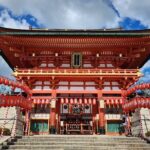
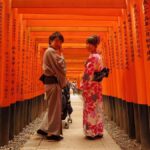
Fushimi Inari Taisha is famous for a reason: those thousands of vermilion torii gates turn a normal shrine visit into a long, rhythmic walk. You’ll get about an hour for photo stops, visiting, and sightseeing, so it’s not just a quick glance from the gate.
What I love about including this early-style shrine stop in a one-day route is how it changes the whole feel of the day. The gate tunnel is energetic, visual, and instantly memorable. It also forces good pacing—there’s no point sprinting here. Wear the comfortable shoes, expect crowds, and slow down for the parts where the path narrows and the torii pattern really hits.
One consideration: the walk can feel longer than you expect if you climb steadily and stop often for photos. With a private driver, you can take breaks without derailing the whole day, but you still need stamina.
Golden Pavilion and Nijo Castle: Zen Views Without the Rush
.jpg)
Kinkaku-ji, the Golden Pavilion, is on the route for a reason. Covered in gold leaf, it’s one of those rare sights where the photos almost can’t ruin the experience. You’ll get a photo stop and about an hour for visiting and sightseeing.
What’s special here isn’t only the look. It’s how the pavilion sits within a designed garden setting, and how the scene changes as you move. If you’re traveling with family or friends who prefer different tempos, this is an easy stop to balance: some people want the front-and-center photo moment, while others just want a calm walk and reflections.
After that, there’s Nijo Castle. Think of it as the historical and architectural counterweight to the shrine-and-temple rhythm. Expect you’ll spend about an hour for photo stops, visiting, and sightseeing here too. It’s a strong choice for a one-day itinerary because it adds variety: gates and gardens, then walls and palace structures, all in a controlled sequence.



Kiyomizu-dera and a Hillside Pagoda Moment
.jpg)
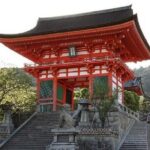
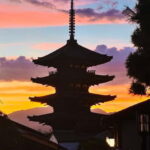
Kiyomizu-dera (and the Koyasunoto pagoda area in the plan) is the type of stop that rewards walking up and pausing. You’ll have about an hour for photo stops and sightseeing, which is enough time to get views and still not feel like you’re constantly racing a clock.
This part of Kyoto tends to be full of stairs, slopes, and crowds. The good news: you’re not stuck navigating transit. You arrive with your driver, and you can decide how much uphill effort you want to take on. If you want a slower, viewpoint-heavy experience, you can build that into the hour.
Practical note: even if you’re not planning a huge climb, Kiyomizu-dera area footwear matters. Your legs will thank you.
Arashiyama Bamboo Grove and Iwatayama Monkey Park
.jpg)
Arashiyama Bamboo Grove is included, and yes, it’s exactly as visually striking as you’ve heard. You’ll get about an hour for photo stops and walking here. I like this stop because it’s a “Kyoto-only” feeling—less about specific artifacts and more about atmosphere.
Then the route includes Iwatayama Monkey Park with about a 30-minute visit and wildlife viewing. This is the kind of stop that makes a one-day plan feel fun instead of only ceremonial. It also gives you variety: bamboo calm, then playful monkey energy.
The trade-off is time. These stops can feel different from each other, and you’ll want to keep an eye on energy level. If you want extra time at Arashiyama, you might need to keep monkey park focused rather than lingering.
Kyoto Imperial Palace and the Nishiki Market Food Sprint
.jpg)
Kyoto Imperial Palace is included with about an hour for visiting. This is a nice change of pace if you’re temple-flooded by mid-morning or early afternoon. You’ll get a calmer, more formal historical atmosphere—useful if your group likes architecture and civic history, not only spiritual sites.
Then comes Nishiki Market, where you can turn the day toward food and small shopping. You’ll get about an hour for visiting. This is where you can snack your way through Kyoto’s flavors—without committing to a full sit-down meal.
My advice: treat Nishiki like a sampler. Pick a few things that look good, buy small souvenirs you can actually carry, and don’t over-plan meals around it. The market is best when you let your senses make the call.
Gion and Yasaka Shrine: Traditional Streets With a Driver’s Timing Help
.jpg)
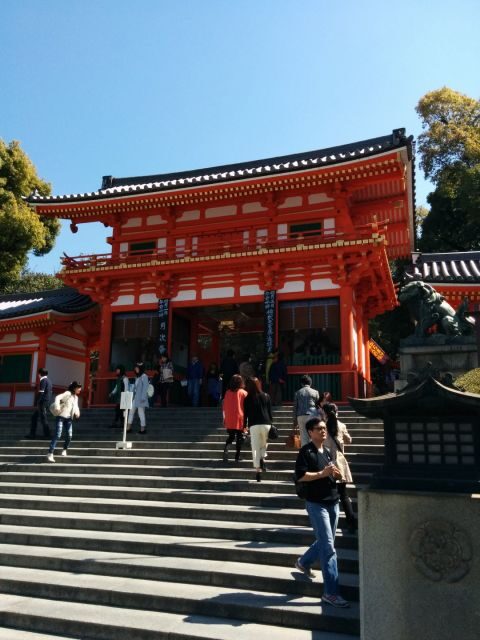
Gion is built in, and the plan also includes Yasaka Shrine. You’ll have about 45 minutes for photo stops and sightseeing in the area. That’s not long, but it’s enough for a real walk-through if you keep your group focused.
Here’s the value of pairing Gion with a driver: you don’t waste time searching where to park or what direction to walk. You can spend your energy on the streets themselves—small lanes, shrine atmosphere, and the sense of old Kyoto.
One consideration: Gion can be busy depending on the time of day. Your driver can help you time exits and regroup points, which is why this kind of private format matters. You keep your day moving rather than getting stuck in slow regrouping.
Nara Park and Todai-ji: Deer Encounters and the Great Buddha
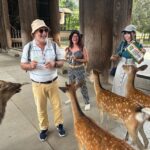
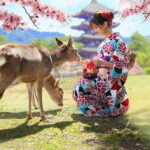
Nara is where the day turns memorable in a different way. You’ll have about an hour at Nara Park for photo stops, visiting, and sightseeing. And yes, you’ll meet the deer. They’re gentle enough, but keep your pockets and attention normal—these are animals used to people, and it’s smarter to act like you’re sharing space, not feeding a fantasy.
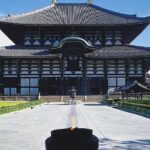
Then Todai-ji Daibutsuden is next, with about a 30-minute photo stop, visit, and walk. This is the Great Buddha, and it’s the kind of scale that hits you fast. Even if you don’t know every detail going in, your body understands the size and weight of the place.
If you’re traveling with mixed interests, this block works well. The deer satisfy a lighter, fun side of Nara. The temple satisfies the iconic “I came to Nara” moment.
The route also includes Nara National Museum, though the exact timing isn’t spelled out in the plan you have. If museum time is a priority for you, ask your driver to shape the Nara half around it.
How Customization Works When You Have One Day
The heart of this experience is that you choose your route across Osaka, Kyoto, and Nara. You can build around classic Kyoto stops like Fushimi Inari, Kinkaku-ji, Arashiyama, Kiyomizu-dera, and Gion, then switch gears toward Nara’s deer and Todai-ji.
Osaka time is the optional plug-in. The tour description points to places like Osaka Castle and Dotonbori as examples, plus a chance to explore Osaka districts or quieter spots. In practice, with only one day, adding Osaka fully means you’ll likely shorten Kyoto or Nara time. That’s not bad—it’s the trade. I’d decide what you can’t skip, then let the driver handle the rest.
Here’s a smart way to plan your priorities:
- If your top must-see is Fushimi Inari + Golden Pavilion + bamboo, keep Osaka as partial or sunset-only
- If your top must-see is Osaka Castle or Dotonbori, consider trimming one Kyoto temple block
- If you want deer and Great Buddha for sure, keep Nara as the anchor and flex Kyoto/Osaka
A private vehicle makes these decisions easier because you’re not forced into train connections that can eat half your day.
Practical Tips That Make This Day Tour Work Smoothly
You’ll be walking at most of the landmark stops, so pack for steps, not comfort clothing. Comfortable shoes are explicitly recommended, and I agree—your feet are the limiting factor on a day like this.
A few more practical points:
- WiFi onboard (hotspot) can help with ticket lookups, translation, and finding exact meeting points
- You should expect photo stops woven into the day, not only at the end
- Plan for water and simple snacks outside the included setup, since meals and drinks aren’t part of the price
- The driver will be the key “glue” for timing. If you want more explanations, ask for them as you go
Also, alcohol and drugs aren’t allowed. That’s standard for many shared-safety tour formats, but it’s good to know.
Who This Tour Fits Best
This is best for people who want big-name sights without spending the day figuring out trains, exits, and transfers. It also works well for families or groups of up to five where everyone has different interests—one person can spend a bit longer at a temple, another can focus on a market or viewpoint.
You should also consider it if:
- you’re visiting Japan for the first time and want a “greatest hits” day
- you prefer private transport over group tours
- your group includes anyone who benefits from an English-speaking driver and a straightforward schedule
If you want guaranteed deep historical interpretation at every stop from a licensed guide, I’d treat this as a private driver tour first and confirm your expectation on guidance before booking.
Should You Book This Tour or Choose Something Else?
I’d book it if your goal is a smooth, high-effort sightseeing day with hotel pickup and a driver who helps you cover Kyoto, Nara, and possibly Osaka without transit stress. The value is strongest when you fill the group up to five and when you’re flexible about how much explanation you need versus how much you care about seeing the icons.
I wouldn’t book it if you’re specifically hunting for a fully guided, lesson-like experience every stop. The tour can be excellent transportation, and some drivers are clearly strong at supporting the day, but the setup doesn’t promise a licensed guide.
If you do book, send a quick message before you go with your must-sees and ask plainly what kind of commentary you’ll get at Fushimi Inari, Kinkaku-ji, Kiyomizu-dera, and Todai-ji. That one step helps you match the day to your expectations.
FAQ
Where does the hotel pickup work?
Pickup is included from Kyoto, Osaka, Nara, or Kobe. You can also choose among 4 pickup location options: Nara, Kyoto, Kobe, or Osaka.
What time does the tour start?
Pickup is available at 8:00 AM or at a time that works best for you.
Are tickets and entrance fees included?
Tickets are not included.
Are meals included?
Meals and drinks are not included.
Can you pick up from the Kobe cruise port terminal?
Pickup from the Kobe cruise port terminal is not available. A free alternative for Kobe Port guests is pickup from Sannomiya Station.
Is there WiFi on the vehicle?
Yes, there is WiFi on board via a hotspot.