Kyoto rewards slow attention, and this tea walk delivers it. I love how the route turns wabi-sabi from a buzzword into something you sense through everyday details like bowls, quiet gardens, and the way tea is prepared. I also like that you get an English-speaking guide who connects the sights to the philosophy behind the ceremony.
One thing to consider: the schedule is tight and punctuality matters, so if you’re late you can miss parts of the experience, including the tea ceremony.
In This Review
- Key Things You’ll Notice on This Kyoto Gion Tea + Wabi-sabi Tour
- Finding the Guide at Gion-Shijo: Your First Win
- Strolling Through Gion and a Matcha Shop Stop That Sets the Mood
- Kenninji Temple: Zen Roots and the Tea Connection
- Wabi-sabi Tea Bowls and Pottery Shopping With a Purpose
- Quiet Zen Garden Views: Japanese Paintings and Karesansui
- The Tea Ceremony: Matcha, Seasonal Sweets, and Choosing Your Bowl
- Price and Value: What You’re Actually Paying For
- Timing and Group Pace: Why Starting On Time Matters
- Comfort and Practical Tips for a 3.5-Hour Day in Higashiyama/Gion
- Who Should Book This Tour (and Who Might Skip)
- Should You Book the Kyoto Gion Tea Ceremony and Wabi-sabi Walk?
- FAQ
- Where is the meeting point for the tour?
- How long is the tour?
- Is the tour in English?
- How big is the group?
- What is included in the tea ceremony?
- Are temple entrance fees included?
- How old do you need to be to participate in the tea ceremony?
- Is the tour wheelchair accessible?
- What should I do if I’m late?
- Can I cancel for free?
Key Things You’ll Notice on This Kyoto Gion Tea + Wabi-sabi Tour
- Gion start with an easy meet-up: right outside Exit 5 of Gion Shijo Station by the Izumo no Okuni statue, with the guide holding an orange Magical Trip Tour sign.
- Small group size: limited to 7 participants, which makes questions and timing feel calmer.
- Wabi-sabi taught by doing: you see, touch, and choose elements tied to imperfection and nature.
- Temple stops with classic Zen atmosphere: including Kenninji Temple, plus another quiet temple with a dry landscape garden.
- Tea ceremony as the final act: matcha with sweets, and you select a tea bowl based on season and taste.
- Photos during the tour: helpful when you want to remember bowls, gardens, and utensils.
Finding the Guide at Gion-Shijo: Your First Win
The tour starts in Gion at Gion Shijo Station (Keihan Line), Exit 5. Meet in front of the Izumo no Okuni statue, and look for your guide holding an orange sign that says Magical Trip Tour. This is the kind of meeting point that saves you time, because you’re not wandering alleys wondering where everyone went.
I like that the group is small and guided from the first minute. With a small team, you can keep your bearings while you’re still learning the neighborhood rhythm. If you’re heading to Gion from another part of Kyoto, I’d give yourself extra buffer time to avoid rushing.
A few more Kyoto tours and experiences worth a look



Strolling Through Gion and a Matcha Shop Stop That Sets the Mood
After you meet, you walk through the Gion area while your guide introduces tea culture and how Japanese aesthetics show up in daily objects. Along the way, you’ll visit a famous matcha shop. This isn’t just a photo break. It’s meant to help you understand why matcha matters in Kyoto, and why people treat tea like more than caffeine.
One practical advantage here: walking first helps you settle into the pace of the ceremony. You’re not going from sightseeing chaos straight into a quiet, structured moment. You’re easing in, step by step, until the tea experience makes emotional sense.
Kenninji Temple: Zen Roots and the Tea Connection
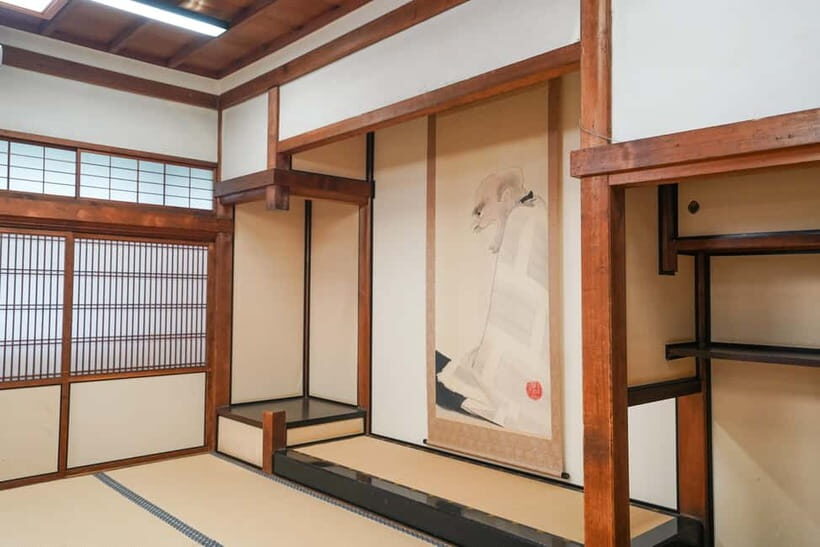
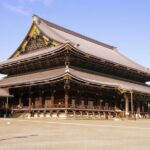
The tour includes a visit to Kenninji Temple, described as the oldest Zen temple in Kyoto. This stop matters because it anchors the whole “tea as feeling” idea in real religious history and setting. Even if you’re not a temple expert, you’ll get enough context from the guide to see the space as part of the tea tradition’s world.
A key benefit of having an English-speaking guide is interpretation. You’ll notice details better when someone explains what you’re looking at—how Zen thinking shaped aesthetics, and why the ceremony developed as a way of paying attention. If you like museums, think of this as a living exhibit, but with silence and gardens instead of glass cases.
Wabi-sabi Tea Bowls and Pottery Shopping With a Purpose
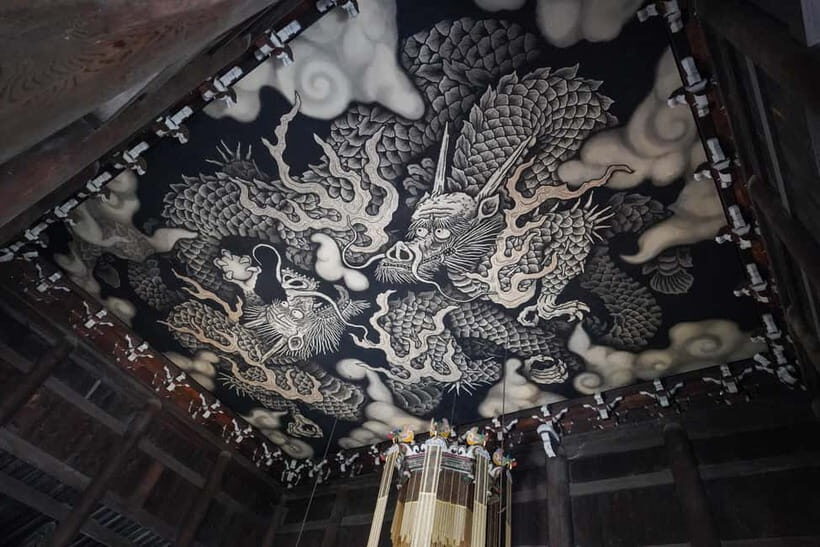
The tour isn’t only about temples and matcha. You’ll also spend time with traditional pottery and wabi-sabi tea bowls. This is where wabi-sabi stops being abstract. Imperfection, asymmetry, and wear aren’t flaws to hide here—they’re part of the charm, and part of why tea feels human.
I love tours that make you slow down with your hands and eyes, and this does that. You’ll get to admire bowls tied to the philosophy you’re learning. If you’ve ever seen tea utensils in photos but didn’t know what made them special, this is where the mystery starts turning into clarity.
Quiet Zen Garden Views: Japanese Paintings and Karesansui
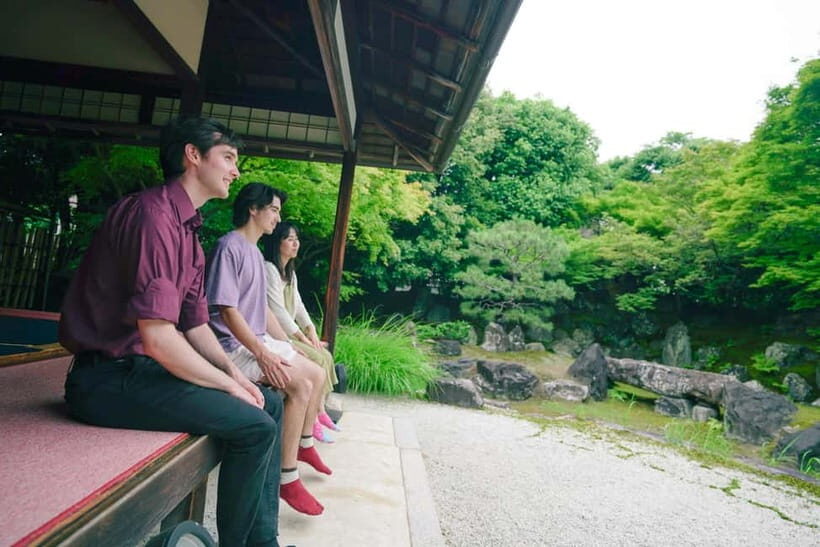
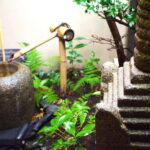
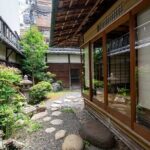
Another highlight is the visit to a quieter temple area where you can view Japanese paintings and a karesansui dry landscape Zen garden. The idea isn’t to sprint through a checklist of sights. It’s to train your attention—how your eyes move, what you notice first, and how that mindset connects to tea.
This part of the tour is especially valuable if you’ve been sightseeing hard around Kyoto. A calm garden and a short explanation can reset your brain. And because it’s guided, you’re not guessing which details count.
If you keep a stamp or calligraphy-style collection (some people call them goshuin books), you may find the guide helps with stamps at shrines/temples during the route. That’s the kind of small, practical bonus that makes the day feel more personal.
A few more Kyoto tours and experiences worth a look


The Tea Ceremony: Matcha, Seasonal Sweets, and Choosing Your Bowl
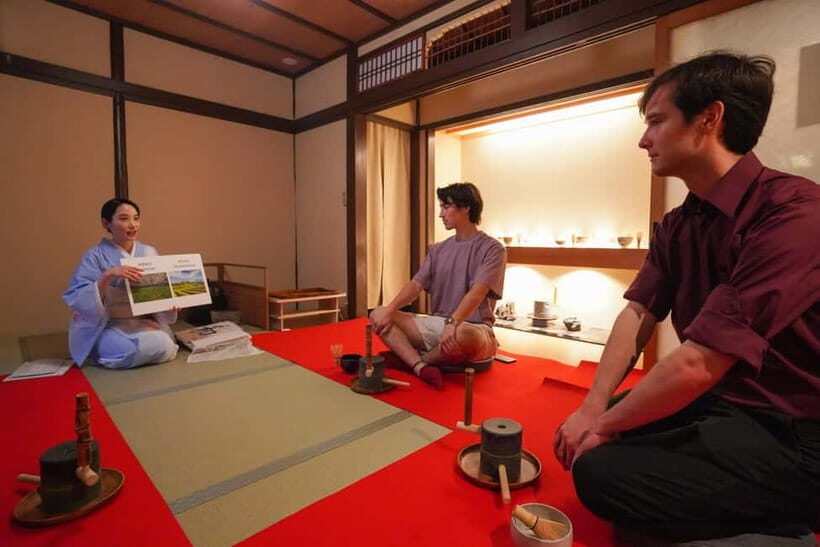
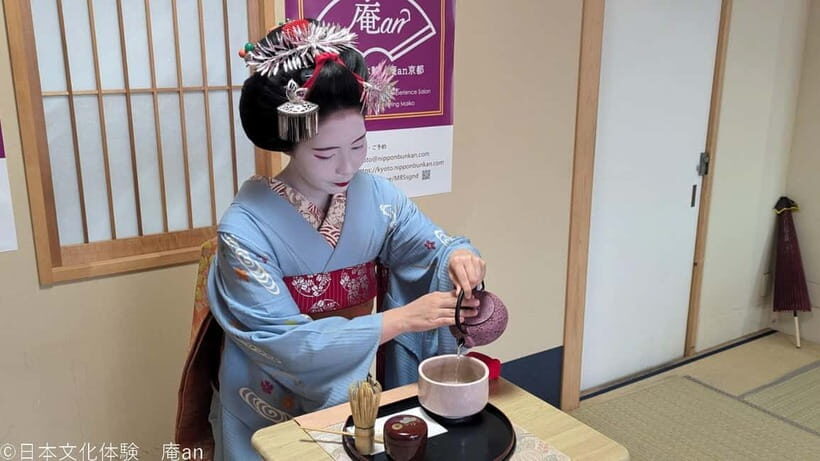
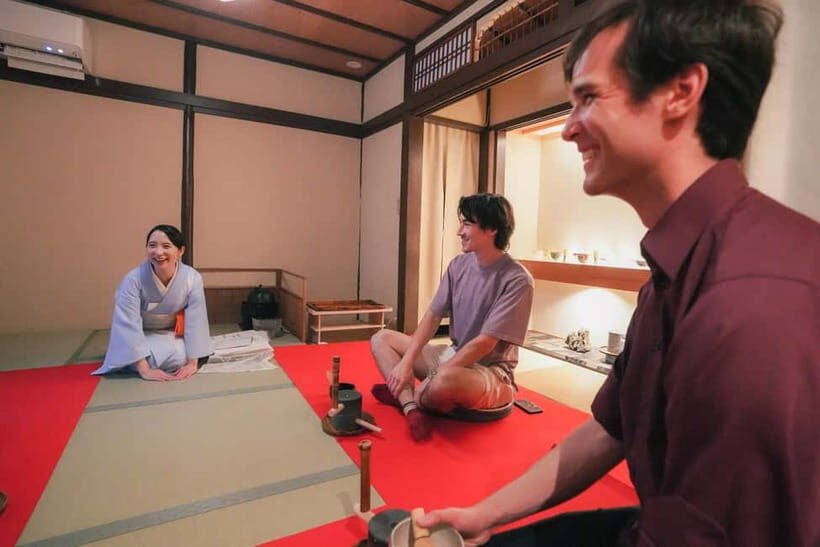
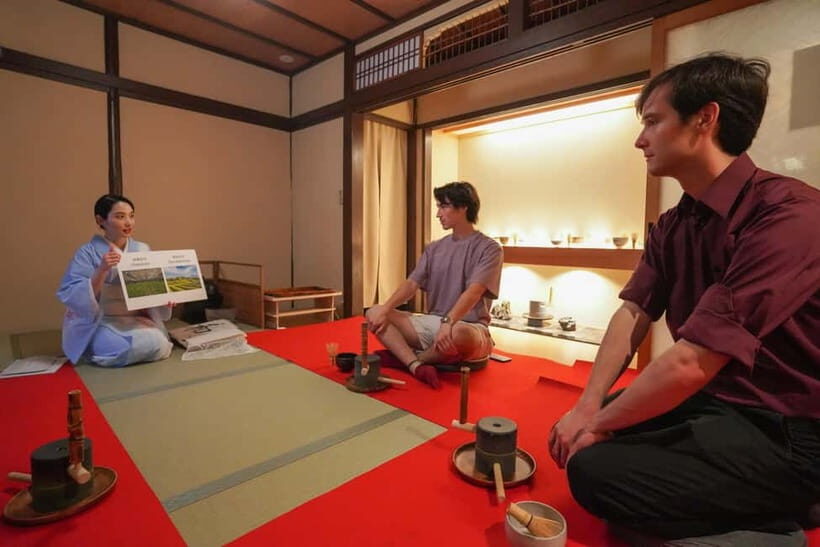
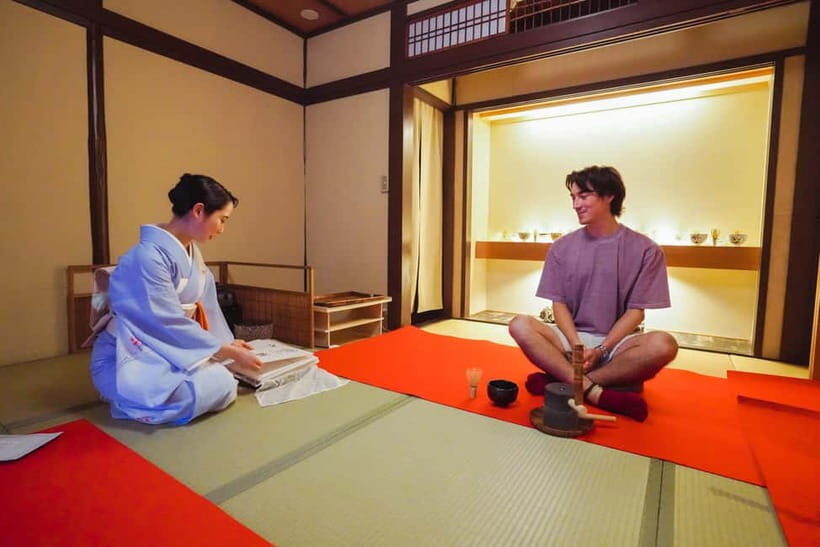
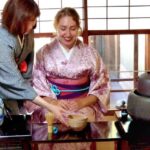
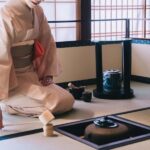
The tea ceremony happens at the end of the walking portion, and it’s led by a tea master. You’ll get matcha along with a small seasonal snack and Japanese sweets. The goal is not just taste—it’s learning how the ceremony is staged to support calm attention.
One of the most meaningful parts: you choose a tea bowl based on season and taste. That choice is part of the lesson. It teaches you that tea culture is not one-size-fits-all. The utensils, the flavors, and the atmosphere all relate to each other.
If you’re curious about wabi-sabi, this is where it clicks. Instead of being told what wabi-sabi means, you experience it through the tempo of the ceremony and the feeling of the utensils and setting. It’s also why this tour feels more reflective than a typical “tea tasting” stop.
Price and Value: What You’re Actually Paying For
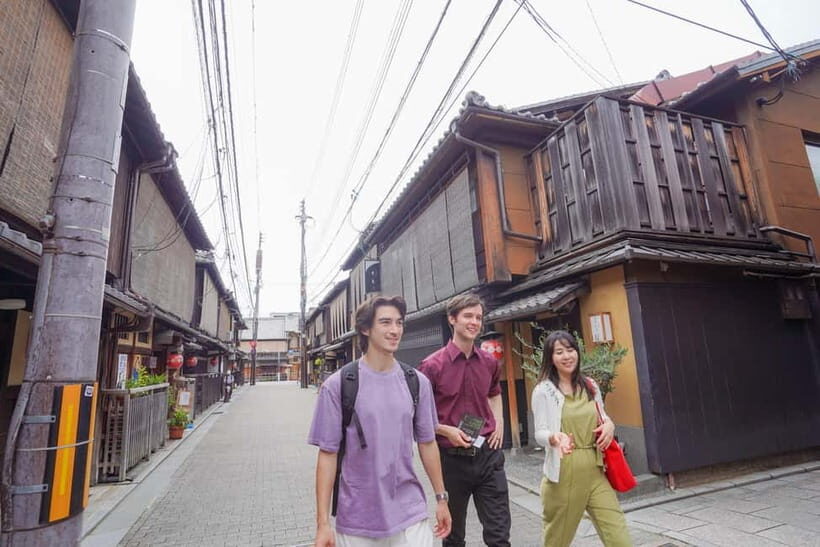
At $92 per person for about 210 minutes, the price looks fair once you break it down. You’re paying for an English-speaking guide, temple entrance fees for two temples, a structured walk through key Kyoto areas, and the guided tea ceremony experience with matcha and sweets.
What makes it good value is the pairing: walking + explanation + ceremony. A lot of tea experiences are just the tasting. Here, the route builds the context first—then you finish with the ceremony itself. For many people, that’s the difference between liking matcha and genuinely understanding why Kyoto treats it like an art form.
Also, the group limit of 7 participants keeps the experience from feeling rushed or crowded. In a small group, you get more chances to ask questions and to actually hear the story behind what you’re seeing.
Timing and Group Pace: Why Starting On Time Matters
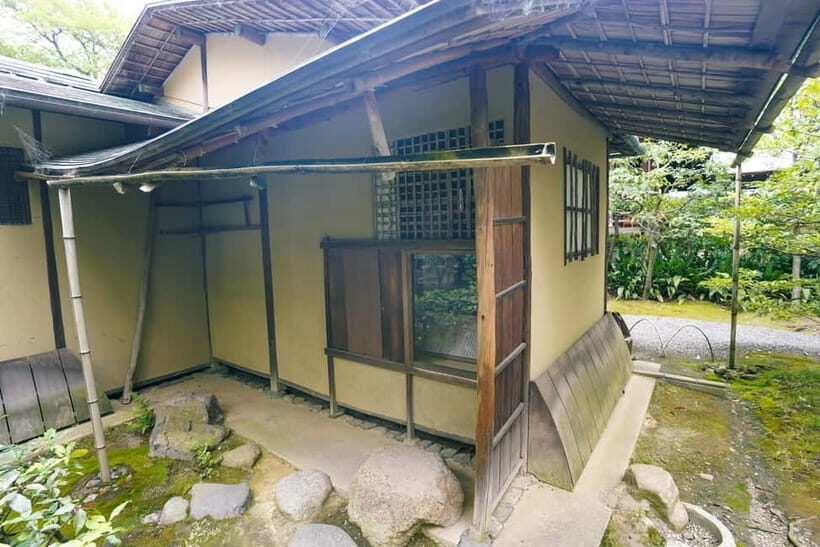
This tour is designed to flow without waiting around. You’ll want to plan for street-level movement, short transitions, and that final ceremony start time. The key rule is simple: the tour must start on time, and if you arrive late, you may not be able to join the group or get included in missed parts.
So here’s the practical approach I’d suggest: show up a bit early and take two minutes to locate your guide. Kyoto crowds can make even familiar stations feel busy. You’ll feel better once you’re standing next to the orange sign and not doing mental math while trying to catch up.
Comfort and Practical Tips for a 3.5-Hour Day in Higashiyama/Gion
You’re walking through historic streets and visiting temple grounds. That means good walking shoes matter more than anything fancy. Bring water, and dress for Kyoto’s extremes—summer can be extremely hot, and winters can get quite cold.
You should also be aware that some stops aren’t suitable for wheelchairs or strollers, so plan accordingly. If you’re traveling with mobility limitations, check with the operator before you book.
Finally, take advantage of the photo moments the guide provides. The scenery is scenic, but the real photo value is often in the utensils and small details that you might miss when you’re trying to hold everything in your head.
Who Should Book This Tour (and Who Might Skip)
This tour is a strong match if you want more than a tea tasting. I’d recommend it for you if you enjoy gardens, temple atmosphere, and learning how Japanese aesthetics connect to daily rituals. It’s also a good fit if you like guided attention and want your visit to feel calm rather than chaotic.
You might consider skipping if you hate structured tours or if you know you’ll struggle with punctuality. Also, it’s not set up for wheelchair access. And the tea ceremony part accommodates children who are 6 years and older—younger children can join with an adult accompanying them outside the facility during the experience.
Should You Book the Kyoto Gion Tea Ceremony and Wabi-sabi Walk?
If your goal is to understand wabi-sabi through real Kyoto moments—not just hear a lecture—this is a smart booking. The ceremony isn’t tacked on; it’s the payoff after you’ve seen and learned how the philosophy shows up in bowls, temples, and quiet garden space.
Book it if you want a small-group day with an English guide, matcha you’ll actually appreciate, and a tea ceremony that feels connected to what you saw outside. I’d only hesitate if you’re likely to run late or you’re traveling with mobility needs that can’t handle uneven temple areas.
If you’re deciding between a generic tea experience and a more thoughtful one, this tour leans thoughtful. And in Kyoto, that’s usually the right direction.
FAQ
Where is the meeting point for the tour?
Meet in front of the Izumo no Okuni statue, right outside Exit 5 of Gion Shijo Station (Keihan Line). The guide will be holding an orange signboard that says Magical Trip Tour.
How long is the tour?
The tour lasts about 210 minutes (around 3.5 hours).
Is the tour in English?
Yes. The tour is conducted with an English-speaking live guide.
How big is the group?
It’s a small group limited to 7 participants.
What is included in the tea ceremony?
You’ll experience a tea ceremony with matcha and a small seasonal snack. Japanese sweets are also included as part of the ceremony experience.
Are temple entrance fees included?
Yes. Entrance fees for 2 temples are included.
How old do you need to be to participate in the tea ceremony?
Tea ceremony participation can accommodate those who are 6 years old and older. Children younger than 6 may join with one adult accompanying them outside the facility during the experience.
Is the tour wheelchair accessible?
No. The tour is not suitable for wheelchair users, and some stops are not accessible by wheelchair or stroller.
What should I do if I’m late?
The tour must start on time. If you’re late and miss the group, you won’t be able to join, and you can’t get a refund or reschedule.
Can I cancel for free?
Yes. You can cancel up to 24 hours in advance for a full refund.