A day in Hiroshima leaves a mark. You’ll ride in a comfortable air-conditioned bus while the itinerary moves from solemn history to scenic island Shinto. I love the way this trip pairs the Atomic Bomb Dome visit with a true Miyajima moment at Itsukushima Shrine. One thing to consider: it’s a long 12-hour day, and the peace-memorial portion can hit hard.
What makes the day feel smooth is the guide style. Guides such as Azura and Joe are called out for keeping people on time and making the story understandable, even when the subject is heavy. You’ll get not just “where to go,” but also helpful context along the drive—useful when you’re trying to connect dots fast.
And yes, you get a real meal break. Lunch is Indian curry with a vegetarian-friendly vegetable option, but you need to flag allergies or dietary needs ahead of time since last-minute menu changes aren’t supported. Plan on following the rule about not bringing outside food or drinks into the restaurant.
In This Review
- Key Highlights You’ll Actually Care About
- Entering Hiroshima With a Plan, Not a Headache
- From Osaka or Kyoto: How You Get There and Why It Matters
- Atomic Bomb Dome: A Quick Stop With Real Weight
- Hiroshima Peace Memorial Museum: Where You Set Your Focus
- Ferry to Miyajimaguchi: The Torii Photo Moment
- Itsukushima Shrine: The Iconic Red Scene (And What to Do With Your Time)
- Omotesandō Shopping Street: Use the Hour for Small Wins
- Lunch: Indian Curry With a Vegetarian-Friendly Option
- Group Size and Pace: Comfortable, Not Private
- When This Tour Is a Great Fit (And When It Isn’t)
- Quick Booking Decision: Should You Book This Day Trip?
- FAQ
- How long is the Hiroshima and Miyajima day trip?
- What stops are included in the tour?
- Is admission included for the Atomic Bomb Dome and the museum?
- How long do you spend at Hiroshima Peace Memorial Museum?
- Is lunch included, and can it be vegetarian?
- Can I make menu changes on the day of the tour?
- Do you include ferry transportation to Miyajima?
- What happens if the Peace Memorial Museum is closed?
Key Highlights You’ll Actually Care About
- An efficient 12-hour loop: Hiroshima Memorial sites first, then ferry and island Shinto sights, then shopping time on Miyajima.
- Ferry photo time for the Great Torii: You’ll ride the route from Hiroshima to Miyajimaguchi and can photograph the torii from the nearest ferry position.
- Free and included entry moments: Atomic Bomb Dome entry is free; the museum time (ticket included) gives you real breathing room.
- Miyajima’s “floating” look: Itsukushima Shrine is scheduled for a scenic, high-impact visit rather than a quick drive-by.
- Indian curry lunch with a swap: Vegetable curry is available, but dietary changes must be arranged in advance.
- Small-ish group size: Maximum 20 travelers, so you’re not stuck in a giant herd.
Entering Hiroshima With a Plan, Not a Headache
This is a classic “big day” trip. The upside is that you won’t waste hours figuring out trains, ferry connections, and where the time sinks are. The bus format also helps when you’re moving between Hiroshima city and the Miyajima side, where transit pieces can be confusing if you’re doing it all on your own.
Your schedule is built around two core experiences: Hiroshima’s peace memory stops and Miyajima’s iconic Shinto scenery. That pairing matters. Hiroshima asks you to slow down and remember. Miyajima asks you to look up and notice details—wooden architecture, red shrine structures, and water views—so the day doesn’t become only one kind of emotion.
The bus ride also means you get to hear context during the drive. A good guide can make the day feel like a story with transitions, not a checklist. In the past, guides like Azura have been singled out for being both engaging and funny while still keeping everyone on track.
A few more Kyoto tours and experiences worth a look

From Osaka or Kyoto: How You Get There and Why It Matters
Even though you start the day outside Hiroshima, the experience is designed for an easy handoff. You’ll connect from Osaka or Kyoto toward the Hiroshima area, and then your day really starts once you meet the guide and step onto the group bus.
Why that matters: with tours like this, timing is everything. Hiroshima’s Peace Memorial Park and Museum aren’t places you want to rush through, and Miyajima’s best views are tied to when the ferry and shrine time land on your schedule. So if you’re prone to missing connections, the guided structure is a big advantage.
You’ll also have a mobile ticket, which simplifies check-in and reduces the odds of scrambling with paperwork. It’s a small detail, but on a long day it helps you stay focused on the sights.
Atomic Bomb Dome: A Quick Stop With Real Weight
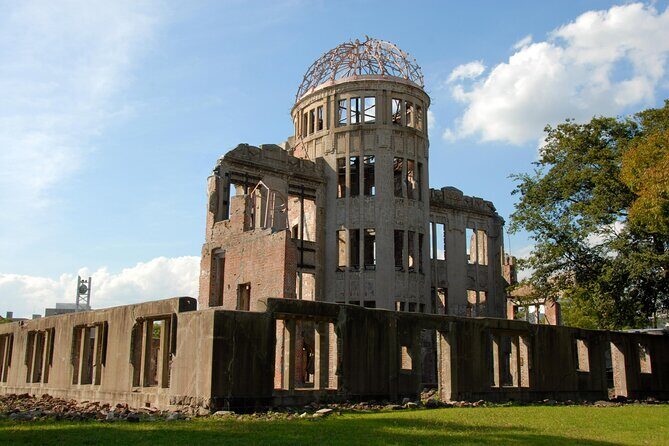
The Atomic Bomb Dome is scheduled for about 30 minutes. That’s not long, but it’s enough time to see the site from a couple of angles, read what you need, and stand in place for a moment without feeling pressured.
This stop is free entry, which helps you keep your day budget under control. But the bigger value is how the day frames the Dome: it’s not just a photo location. The itinerary also includes a stop by a Gandhi statue while sightseeing, which gives you a wider lens on peace and human rights rather than only war mechanics.
Practical tip: wear comfortable shoes and keep your pace steady. The Dome area can feel crowded, and rushing makes it harder to take in what you’re seeing. You don’t need a long speech from yourself—just give your body time to stand still.
Hiroshima Peace Memorial Museum: Where You Set Your Focus
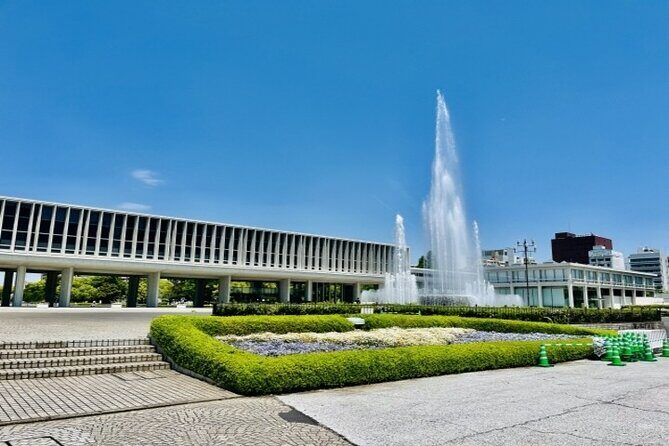
Next comes the Hiroshima Peace Memorial Museum, with about 1 hour 45 minutes and admission included. This is the heart of the “remember this” part of the trip.
The museum portion can be packed, including times when you’ll share space with school groups. That can actually be useful if you’re patient—watch where others slow down and read. Still, you should plan to pick a few themes and follow them rather than trying to absorb everything at once.
What I recommend you do during your museum time:
- Focus on a small number of exhibits that explain the bombing’s impact and the aftermath.
- Give yourself one quiet circuit through the main areas, then return to anything that grabbed you.
- Take short breaks outside exhibits when you feel overwhelmed. The tour schedule gives you time, so use it.
If the museum is closed on your date, the itinerary may swap to another peace memorial facility. So don’t panic if the exact plan shifts—you’re still in the same emotional territory.
Ferry to Miyajimaguchi: The Torii Photo Moment
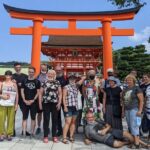
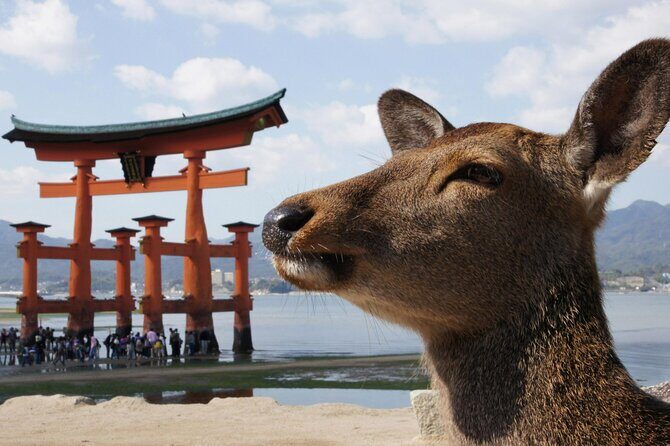
After Hiroshima city, you shift to the water. The tour includes a special ferry route from Hiroshima to Miyajimaguchi, and the timing is built so you can photograph the Great Torii from the nearest location on the ferry.
This is one of those details that can be surprisingly hard to reproduce on your own. If you’ve ever tried to time ferry angles while also managing schedules, you already know it’s not easy. The guided route takes away guesswork and puts the “good shot” part into your day plan.
Practical note: bring a light layer. Ferries can feel cooler than you expect, especially around waiting times. And if you’re hoping for photos without glare, try different sides of the deck when possible—don’t assume one perfect angle.
A few more Kyoto tours and experiences worth a look




Itsukushima Shrine: The Iconic Red Scene (And What to Do With Your Time)
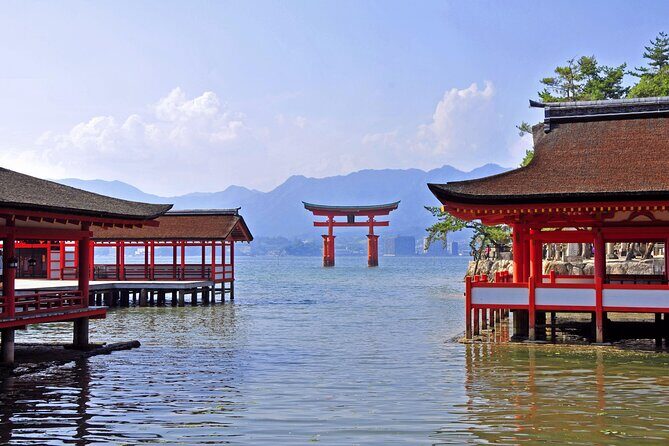
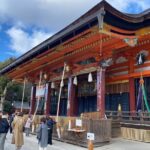
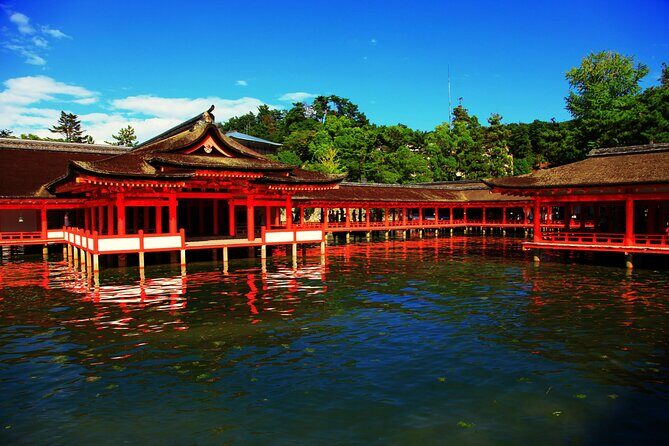
Itsukushima Shrine on Miyajima Island is scheduled for about 1 hour 10 minutes, with admission included. This is the famous scene many people picture first: the red shrine structures and the sense of the shrine hovering over the water.
That “floating” effect is why the timing matters. Even if you don’t know shrine details, you can still appreciate the architecture and the way the setting changes your perspective. You’re not just looking at buildings—you’re experiencing a place where water, tradition, and human-scale details interact.
How to get the most from your time:
- Start by taking in the overall view first, then move closer for texture and craftsmanship.
- Don’t force it. Let your eyes settle as you walk—there’s a difference between speed-scanning and actually noticing.
- If the crowd feels intense, step aside for a quieter angle rather than pushing forward.
This part of the day is also a gentle emotional shift from Hiroshima. It’s not “happy tourism.” It’s a different kind of awareness: beauty paired with spirituality and continuity.
Omotesandō Shopping Street: Use the Hour for Small Wins
Next you get free time on Miyajima Omotesandō Shopping Street for about 1 hour. This is where you can grab snacks, souvenirs, or just wander without a time pressure from the guide.
Use this hour like a pro:
- Decide what you’ll actually buy before you start walking. It’s easy to get tempted by too many small things.
- Consider buying one item that’s practical (food, tea, a simple charm) rather than ten “maybe” souvenirs.
- Take note of what you find interesting, then circle back if you still want it.
If you’re the type who hates shopping crowds, treat this as a walking-and-snacking segment rather than a dedicated “shop until you drop” moment. You’ve already done the big emotional sights today.
Lunch: Indian Curry With a Vegetarian-Friendly Option
Lunch is included and served as Indian curry, with the ability to switch to vegetable if you’ve arranged it in advance. The key point: you need to communicate allergies or dietary restrictions ahead of booking, because menu changes aren’t handled on the day of the tour.
Also, the lunch restaurant doesn’t allow outside food or drinks. So if you have a sensitive stomach or you’re used to carrying snacks, plan around that. The tour keeps you on schedule—bringing your own food doesn’t fit the restaurant rules.
Why this lunch choice works for the trip: after museum time and long walking, you want something filling and predictable. Curry is exactly that kind of meal—comfort food that doesn’t require you to hunt for an open restaurant on a tight schedule.
Group Size and Pace: Comfortable, Not Private
This is not a private tour. It runs with other guests together, with a maximum of 20 travelers. That size is big enough to feel lively, but small enough that you can still hear the guide and stay grouped without constant regrouping.
Expect a structured pace. You’re given defined time blocks at each stop, and the guide is expected to keep everyone aligned. In past experiences, guides like Joe and Yuko have been praised for staying on time while answering questions—exactly what you want on a packed day.
If you’re someone who likes to linger for 45 minutes at every photo spot, you might find the rhythm a little tight. But if you’d rather see the highlights in one day and keep your energy intact, this schedule is built for you.
When This Tour Is a Great Fit (And When It Isn’t)
This tour is a strong match if you want:
- A one-day Hiroshima and Miyajima plan without transit stress.
- A guided visit to the Peace Memorial Park core sites.
- A smooth route to the Miyajima ferry and Itsukushima Shrine without timing headaches.
- A vegetarian-capable lunch option handled by the tour (with advance notice).
It may not be your best choice if:
- You need lots of open time to wander the peace areas independently without any schedule.
- You don’t handle emotional topics well. Hiroshima is central to the day, and you should mentally prepare for that weight.
- You’re traveling with strict food needs that can’t be arranged ahead of time, since day-of changes aren’t guaranteed.
Quick Booking Decision: Should You Book This Day Trip?
Book it if you want a high-impact, well-run day that connects Hiroshima’s memory sites with Miyajima’s most photographed shrine scenery—without turning your trip into a logistics puzzle. The price looks high at $280.16 per person, but you’re paying for transport efficiency, guided timing, included museum admission, and a meal plan that handles at least some dietary needs.
Skip or consider another option if you strongly prefer self-guided pacing, or if you might regret the museum and Dome time being scheduled tightly. Also think about your comfort with long days: 12 hours is a commitment.
FAQ
How long is the Hiroshima and Miyajima day trip?
The total duration is about 12 hours.
What stops are included in the tour?
You’ll visit the Atomic Bomb Dome, Hiroshima Peace Memorial Museum, Itsukushima Shrine, and you’ll have free time at Miyajima Omotesandō Shopping Street.
Is admission included for the Atomic Bomb Dome and the museum?
Atomic Bomb Dome entry is free. Hiroshima Peace Memorial Museum admission is included.
How long do you spend at Hiroshima Peace Memorial Museum?
You’ll have about 1 hour 45 minutes at the museum.
Is lunch included, and can it be vegetarian?
Yes. Lunch is Indian curry, and it can be changed to a vegetable option. You need to inform the provider in advance about dietary restrictions or allergies.
Can I make menu changes on the day of the tour?
No. Menu changes are not supported on the day of the tour, so you need to handle requests when you book.
Do you include ferry transportation to Miyajima?
Yes. The tour includes a ferry route from Hiroshima to Miyajimaguchi, with time to take pictures of the Great Torii from the nearest ferry location.
What happens if the Peace Memorial Museum is closed?
If the museum is closed, the itinerary may be changed to another peace memorial facility.