Kyoto by bike feels like a shortcut to the best bits. This 4.5-hour tour strings together Gion lanes, the UNESCO Zen stillness of Kennin-ji, and a relaxing pedal along the Kamogawa River—with a guide who keeps the day clear and moving. Two things I especially like: you get a real, guided temple experience (not just drop-off time), and lunch at a traditional teahouse makes the day feel local, not touristy. One thing to consider: it’s still city cycling, so you’ll want solid comfort with traffic rules and Japan’s no-smartphone-while-riding law.
You’ll also appreciate the small size—max 5 travelers—so you can ask questions and move at a human pace. The tour includes a rental bike and helmet, plus a guide who’s comfortable in English (with examples including Yusuke, Naru, Icchan, and Hiro from previous groups). The main drawback is food caution: vegetarian options exist, but fish stock is used, and the operator can’t guarantee allergy-free meals.
If you want Kyoto highlights without the stress of planning every turn, this is a smart, efficient way to do it. The itinerary hits iconic Zen stops plus one scenic stretch of river riding, and it’s built for people who’d rather enjoy the day than wrestle with routes. Just know the temples are time-boxed, so you’ll get the essentials rather than a slow, all-day wander.
In This Review
- Key things that make this Kyoto bike tour worth your time
- Price and what you’re really paying for
- Where the tour starts and how the day flows in real life
- Gion and the start of your ride: getting oriented fast
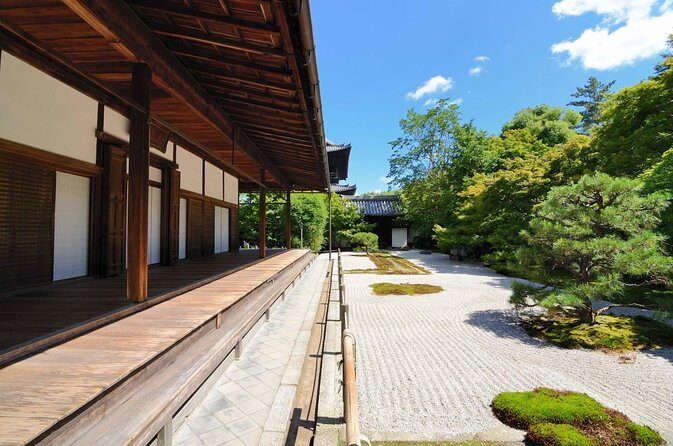
- Kennin-ji: UNESCO Zen calm and that famous rock garden look
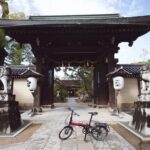
- Nanzen-ji: a different Zen atmosphere with famous gate energy
- Lunch at a teahouse: local break, with a key food note
- Kamogawa River cycling: where the pace gets pleasant
- Pass by Heian Shrine: a visual bonus without stealing your day
- What’s included: gear, guide, entry fees, photos
- Traffic rules and safety: the part you should take seriously
- Who this tour fits best (and who might prefer something else)
- The guide experience: what you can expect from the way it’s run
- Should you book the Kyoto 4.5-hour bike tour with lunch?
- FAQ
- What’s the duration of the Kyoto bike tour?
- Where does the tour start and where does it end?
- What’s included in the price besides the bike tour?
- Which temples are visited, and are admission fees included?
- Is lunch included, and are there vegetarian options?
- How many people are in the group?
- Can I use my smartphone while riding?
- What happens if the weather is bad?
Key things that make this Kyoto bike tour worth your time
- Small group (up to 5 people) keeps the route flexible and the guide easier to hear.
- Kennin-ji + dry rock garden is timed for a proper look, with the admission included.
- Nanzen-ji is a different kind of stop, with gate and seasonal scenery, and admission is listed as free.
- Teahouse lunch adds a real Kyoto break, with vegan/vegetarian available (fish stock is used).
- Kamogawa River glide gives you a calmer pedal between the busier shrine-and-temple parts.
- Bike + helmet + lock means you’re not scrambling to figure out gear before you start.
Price and what you’re really paying for
At $99.10 per person for about 4 hours 30 minutes, you’re paying for three things that add up fast in Kyoto: guide time, logistics, and included access. The bike itself is handled (helmet too), and you’re not spending your energy on route planning, which is a big deal in a city where lanes and turns can be confusing the first day.
Is it “cheap”? Kyoto has plenty of free temple areas, sure. But the value here is that you’re getting UNESCO Kennin-ji with included admission, a guided explanation at each key stop, and lunch included at a teahouse. In a place where a lot of one-off experiences cost separately, packing it into one clean half-day is usually the price sweet spot.
Because the tour is limited to a maximum of 5 travelers, you also tend to get better pacing and more personal attention than on the bigger group rides that can feel like a moving herd.
Other cycling tours in Kyoto


Where the tour starts and how the day flows in real life
The tour begins at 7-Eleven (Higashikujō Kamitonodachō, Minami Ward) at 9:00 am, and it ends back at the bike rental shop near 58 Higashikujo Muromachi, Minami Ward.
That start location matters because it’s easy to reach, and the schedule is built around starting on time. The operator is clear: if you’re late, you can miss the group and won’t be able to join, refund, or reschedule. So if you’re staying near public transport, plan to arrive a bit early to check in, get your bike, and settle your nerves.
The ride is structured as a sequence of stops:
- a scenic Kamogawa River stretch to begin,
- a run through the Gion district to start the historical route,
- temple visits at Kennin-ji and Nanzen-ji,
- a lunch/relax break at 6 Shōgoin Nishimachi,
- plus passing by Heian Shrine on the way.
It’s not a “sit and listen” day. You’re cycling enough to feel like you’re moving around Kyoto, but the stops are timed so you don’t end up exhausted before lunch.
Gion and the start of your ride: getting oriented fast
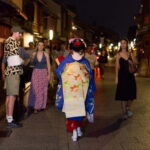
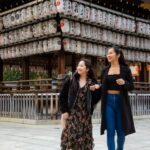
The day kicks off from the Gion district, where Kyoto’s personality is easy to feel. Even before the temples, you’ll be in that zone of classic streets and old neighborhoods. The guide sets context as you go, so the city doesn’t just look pretty—it starts to make sense.
This matters because Kyoto has layers. Without a plan, it’s easy to bounce between famous names without understanding what connects them. The route design fixes that: you’re moving from one meaningful stop to another instead of treating Kyoto like a photo checklist.
Kennin-ji: UNESCO Zen calm and that famous rock garden look
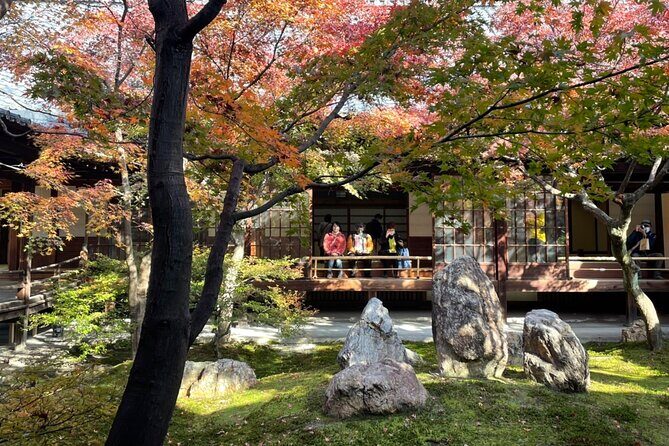
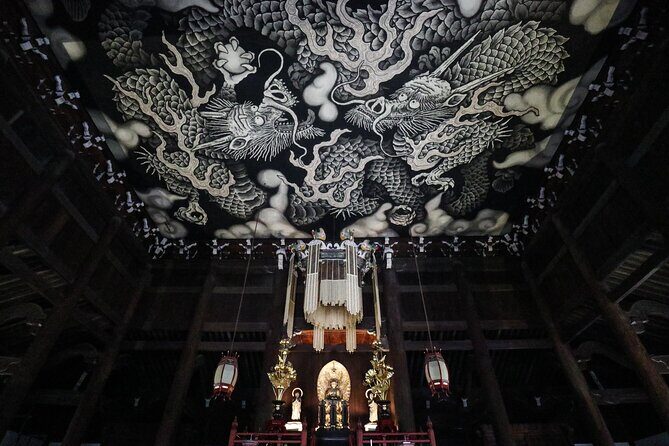
Your first major stop is Kennin-ji, described as the oldest Zen temple in Kyoto and a UNESCO World Heritage site. You’ll get about 30 minutes, and admission is included.
What you’re there for is the karesansui (dry landscape) rock garden. This is the kind of Zen space where the details are simple, but your brain needs a minute to slow down. With a guided visit, you’re more likely to notice how the garden is meant to be read—less like scenery and more like a designed way to think.
Practical tip: because the time is set, bring your patience. You’re not meant to rush through. You’re meant to look carefully at the form and the quiet, then keep moving.
Nanzen-ji: a different Zen atmosphere with famous gate energy
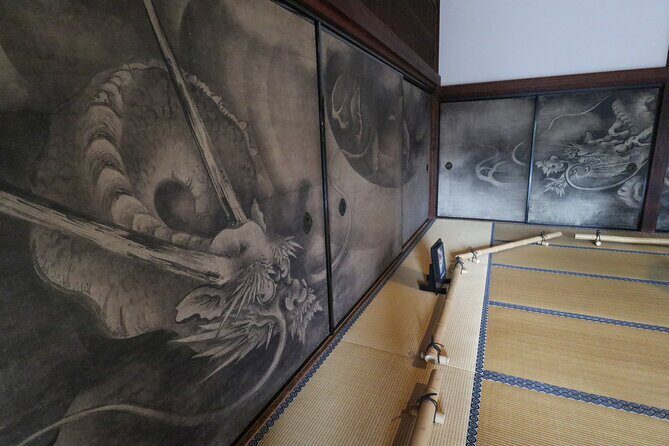
Next up is Nanzen-ji, called the most prestigious Zen temple in Japan with a history of about 700 years. You’ll have around 20 minutes, and admission is listed as free.
This stop is shorter than Kennin-ji, but it’s not less important. The highlight is the powerful temple gate and the way nature shows up differently by season. Even in a short time window, you can get the “big wow” feeling from the gate, then step back and take in the surroundings before you head out again.
If you’re the type who loves temples but hates spending your whole day in lines, this timing is a good compromise. You’ll see a lot without turning the tour into a sprint.
A few more Kyoto tours and experiences worth a look

Lunch at a teahouse: local break, with a key food note
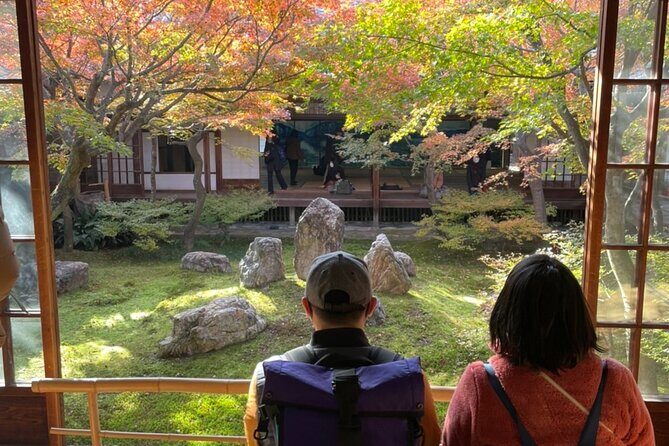
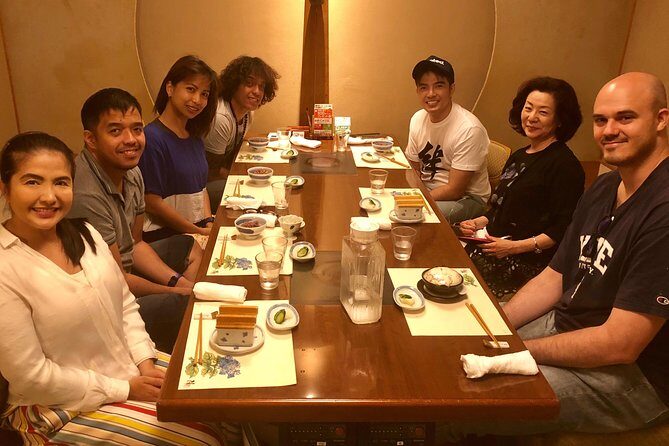
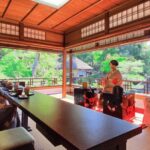
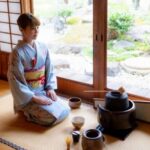
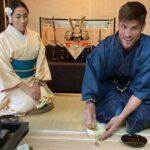
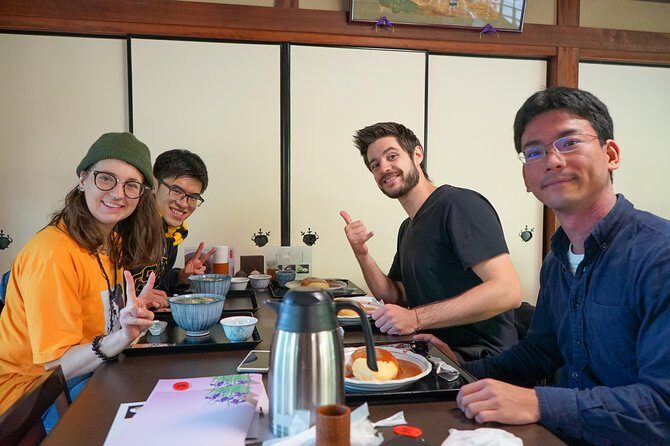
Between temples, you’ll stop around 6 Shōgoin Nishimachi for local Kyoto lunch or dessert at a traditional Japanese teahouse. Lunch is included, and it’s a real reset point—part food, part chance to breathe, part cultural pause.
Here’s the important detail: vegan/vegetarian is available, but fish stock is used. That means this isn’t a safe option for people with seafood allergies, and it’s not fully vegetarian in the strict sense. The operator also asks you to tell them about dietary requests or allergies at least one day before. Requests made on the tour day can’t be accommodated, and they also can’t guarantee allergy-free meals since the kitchen setups aren’t under the tour operator’s control.
So I’d treat this as: great lunch for most dietary preferences, but you should plan carefully if your needs are strict.
Kamogawa River cycling: where the pace gets pleasant
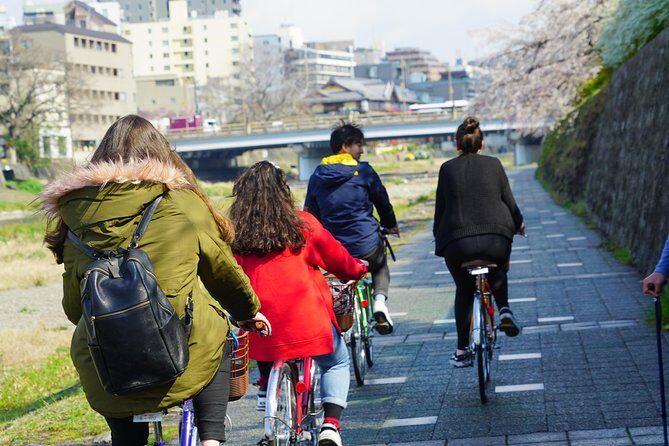
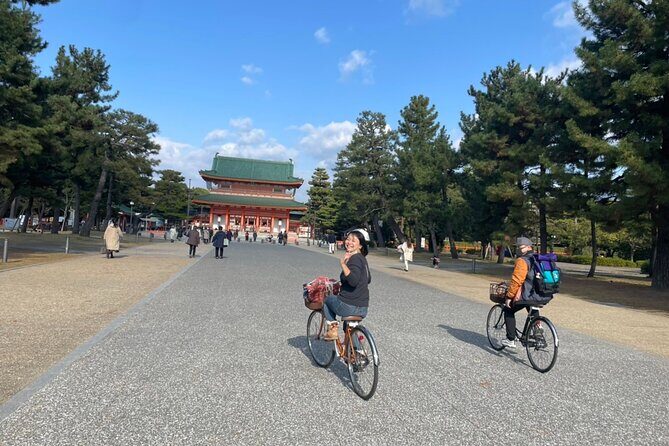
One of the most enjoyable parts of the tour is the relaxing cycle along the Kamogawa River. This is where Kyoto shifts from stop-and-stare landmarks into something more like real city flow.
The river stretch is also a practical win: after temple time, it gives you movement with fewer “look at this right now” interruptions. It’s often the moment you feel your shoulders drop and you start enjoying the ride itself rather than thinking about what’s next.
Pass by Heian Shrine: a visual bonus without stealing your day
The route includes passing by Heian Shrine. You don’t get it as a full stop in the way Kennin-ji and Nanzen-ji are handled, but it’s a nice bonus if you’re seeing Kyoto for the first time.
Think of this as context riding: it helps connect what you’re seeing with the broader Kyoto map, so the city doesn’t feel like separate islands.
What’s included: gear, guide, entry fees, photos
This tour does a lot of the boring stuff for you:
- Rental bike (with bike insurance for bodily injury liability included)
- Helmet (and helmet will help you feel safer and more comfortable)
- Bike lock
- Entrance fee to Kennin-ji
- Lunch at a teahouse
- Photos during the tour
- A certified English-speaking guide (the operator is MagicalTrip)
Photos are a small detail, but on a bike tour it helps. You’re busy steering, checking traffic, and getting your bearings. Having pictures handled gives you one less task.
One more thing: there’s an included admission at Kennin-ji, but Nanzen-ji admission is listed as free, so you won’t hit extra temple ticket costs for that second big stop.
Traffic rules and safety: the part you should take seriously
Cycling in Japan comes with strict expectations. The tour information is explicit:
- cycling under the influence of alcohol is prohibited
- using a smartphone while cycling is prohibited by law
- smartphone use is allowed when the bicycle is stopped
Your guide will explain the rules, but you should personally plan to avoid checking your phone on the move. If you need navigation, set it up before riding, or ask the guide what you need.
Also, the day depends on weather. If conditions are unsuitable for safety, the tour may be canceled, and you’ll be offered a different date or a full refund. Kyoto weather can swing hard, so bring layers for hot summers and cold winters, and expect that extreme days can change plans.
Who this tour fits best (and who might prefer something else)
This bike tour is a great match if you:
- want major Zen temples without building an itinerary from scratch
- like your sightseeing with a guide who speaks English
- prefer small groups and a calmer pace
- want lunch included, not an afterthought
You might want a different option if you:
- are uncomfortable riding in city traffic
- need strict allergy control (since fish stock is used and allergy-free meals can’t be guaranteed)
- arrive late and can’t meet the on-time start rule
The guide experience: what you can expect from the way it’s run
Small group tours work best when the guide can balance route timing with the human parts: answering questions, adjusting pacing, and explaining what you’re looking at. Based on previous guide names shared by participants—Yusuke, Naru, Icchan, Hiro—this tour is geared for friendly, clear guidance.
The guide also contributes to why Kennin-ji and Nanzen-ji feel meaningful instead of random stops. You’re not just taking photos. You’re learning the “why” behind the spaces, which changes how the dry rock garden and the temple gate land in your mind.
Should you book the Kyoto 4.5-hour bike tour with lunch?
I’d book this if you’re in Kyoto for a limited number of hours and you want a focused day that covers Gion + UNESCO Kennin-ji + Nanzen-ji + a teahouse lunch + a Kamogawa River ride in one coordinated plan.
I wouldn’t book it if your top priority is slow, unstructured wandering, because the temple visits are time-boxed. And if you have serious dietary restrictions, you’ll want to think twice given the fish stock note and the fact that allergy-free meals aren’t guaranteed.
If you fit the middle—comfortable cycling, okay with a guided schedule, and you can handle the lunch details—this is a strong value way to get real Kyoto rhythm rather than just ticking off names.
FAQ
What’s the duration of the Kyoto bike tour?
It runs for about 4 hours 30 minutes.
Where does the tour start and where does it end?
It starts at 7-Eleven, 44-1 Higashikujō Kamitonodachō, Minami Ward, Kyoto, and ends back at the bike rental shop (Rental Bicycle KYOTO ECO TRIP Flagship shop).
What’s included in the price besides the bike tour?
You get a rental bike, helmet, bike lock, entrance fee to Kennin-ji, lunch at a teahouse, and photos during the tour, with an English-speaking certified guide leading the group.
Which temples are visited, and are admission fees included?
You visit Kennin-ji (about 30 minutes, admission included) and Nanzen-ji (about 20 minutes, with admission listed as free).
Is lunch included, and are there vegetarian options?
Lunch is included. Vegan/vegetarian options are available, but fish stock is used, and the operator notes they can’t guarantee allergy-free meals.
How many people are in the group?
The tour has a maximum of 5 travelers.
Can I use my smartphone while riding?
No. Using a smartphone while cycling is strictly prohibited by law. You can use it when the bicycle is stopped.
What happens if the weather is bad?
This tour requires good weather. If it’s canceled for safety due to weather, you’ll be offered a different date or a full refund.