Kyoto’s tea rooms feel quiet for a reason. This one takes place in Gion, where you watch a tea master work, taste carefully chosen sweets, and then make your own matcha without needing to sit on the floor.
Two things I really like: you get the real tea ceremony flow, but in a comfort-first format with chair seating, so the whole experience feels welcoming. And the session isn’t just watching—it’s active, ending with a take-home recipe so you can repeat it later.
One possible drawback: if you’re looking for strict, traditional floor-seiza formality, this version is more friendly and relaxed than many classic ceremonies.
In This Review
- Key things to know before you go
- Chair seating in Gion: the easy version of tea ceremony etiquette
- Meet the tea master: watch the real technique up close
- The sweets portion: Kyoto flavors that balance the matcha
- Whisking your own matcha bowl: what you’ll learn in practice
- Tea history and Zen philosophy: why this isn’t just a cooking class
- Time and price: is it good value for Kyoto?
- Optional kimono timing: what to know if you add the outfit
- Who this Kyoto matcha experience suits best
- Should you book this Kyoto traditional tea ceremony?
- FAQ
- Is the tea ceremony in chairs or on the floor?
- Do I learn how to make matcha or only watch?
- What’s included in the price?
- Is the tour taught in English?
- How long does the experience take?
- Do kids participate, and is matcha recommended for them?
- What’s the meeting point?
- If I choose the kimono option, how does the schedule work?
- Can I cancel or change plans?
Key things to know before you go
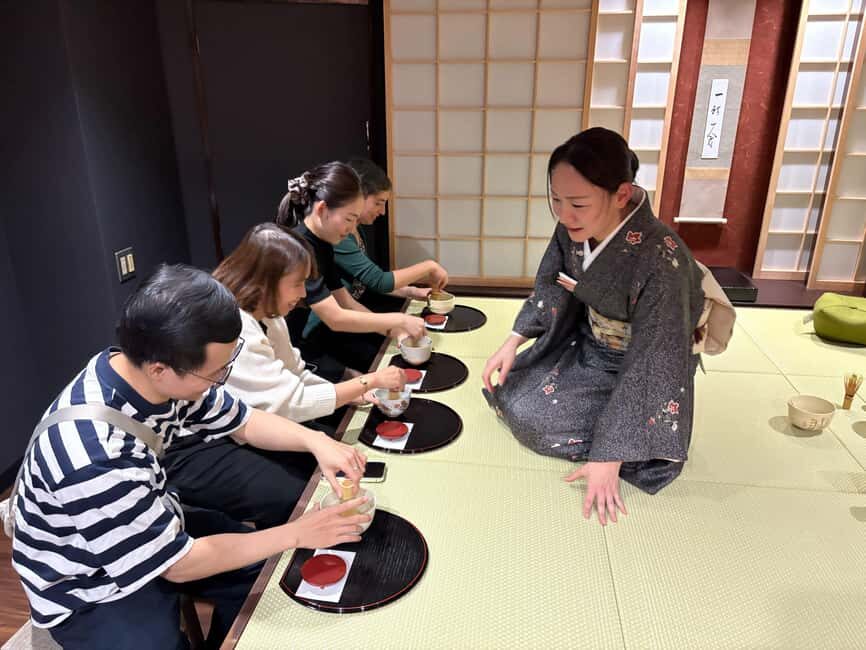
- Gion setting with an up-close view of how the tea is prepared
- Chair seating keeps it comfortable and makes participation easier
- Sweets course with traditional Japanese sweets picked for the tea session
- You whisk your own matcha using tea sourced from a family-run tea farm
- Tea history + Zen philosophy, explained in English with time for Q&A
- Take-home matcha recipe so the experience doesn’t end when you leave
Chair seating in Gion: the easy version of tea ceremony etiquette
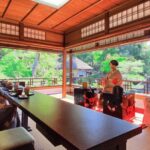
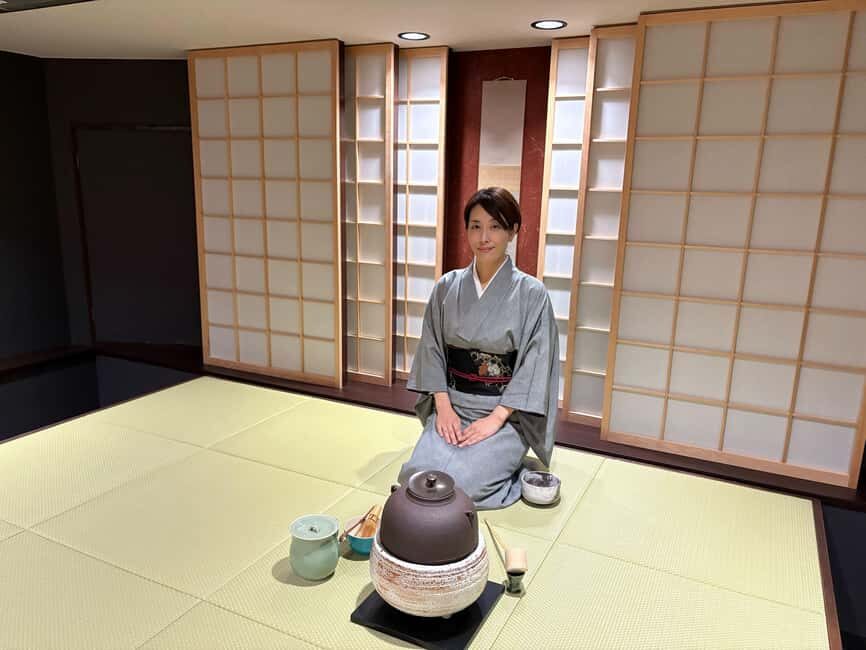
If Kyoto has a “try it without stress” matcha class, this is that. Traditional tea ceremonies often look like they require serious posture, perfect silence, and floor seating. Here, you use chairs, which changes the feel right away: you can focus on what matters—the gestures, the flavors, the calm—without fighting your knees.
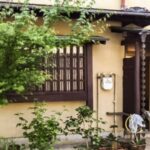
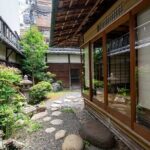
The setting also helps. Being in the historic Gion area puts you near Kyoto’s old-side atmosphere. Even before the ceremony starts, you’ll likely find your brain slowing down. This is a nice fit if you want culture with less friction, especially if you’ve got limited mobility or you just don’t want to spend an hour worrying about how you’re sitting.
A few more Kyoto tours and experiences worth a look


Meet the tea master: watch the real technique up close
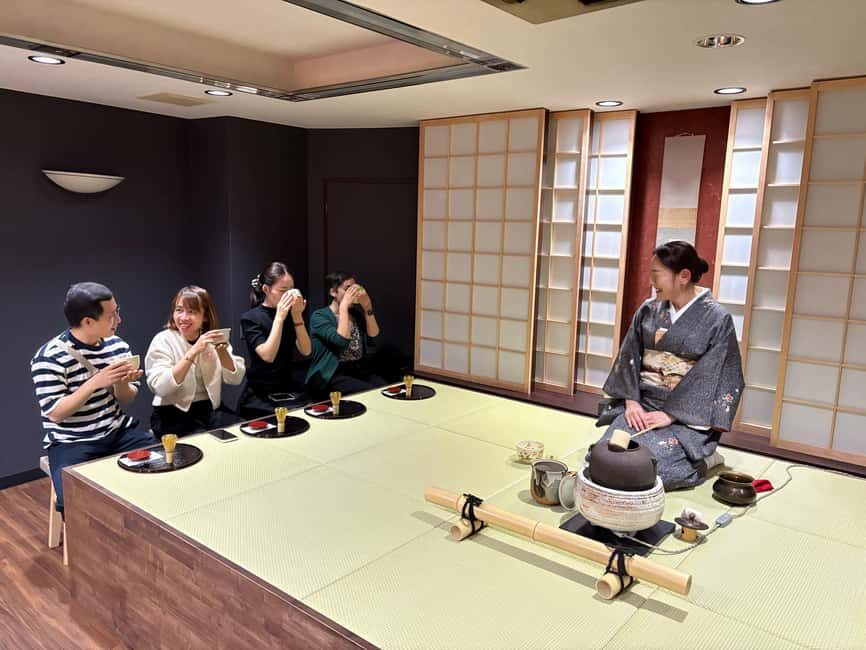
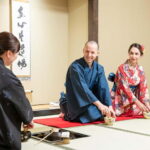
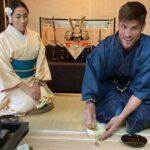
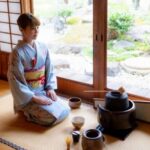
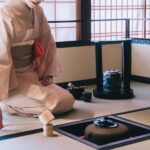
You’ll spend part of the session observing the ceremony techniques performed up close. That’s where the experience earns its keep. Tea ceremonies are built on small steps—how the bowl is handled, how motions are timed, and how the tea is prepared. Watching it in person helps you understand that it’s not about performing, it’s about attention.
English guidance matters here. The instructor speaks English, and the tea master explains both matcha and the broader meaning behind the ceremony. You also get the Zen philosophy that influences tea culture, not as vague poetry, but as ideas you can connect to how the ceremony is paced and practiced.
A detail I’d pay attention to: you may notice the focus on the moment when the water is hot and the setup is ready. In past feedback, guests have described the calm feeling that kicked in once everything started working—like the whistle from the hot pot signals the session is underway. That kind of sensory cue is part of why the ceremony feels calming.
The sweets portion: Kyoto flavors that balance the matcha
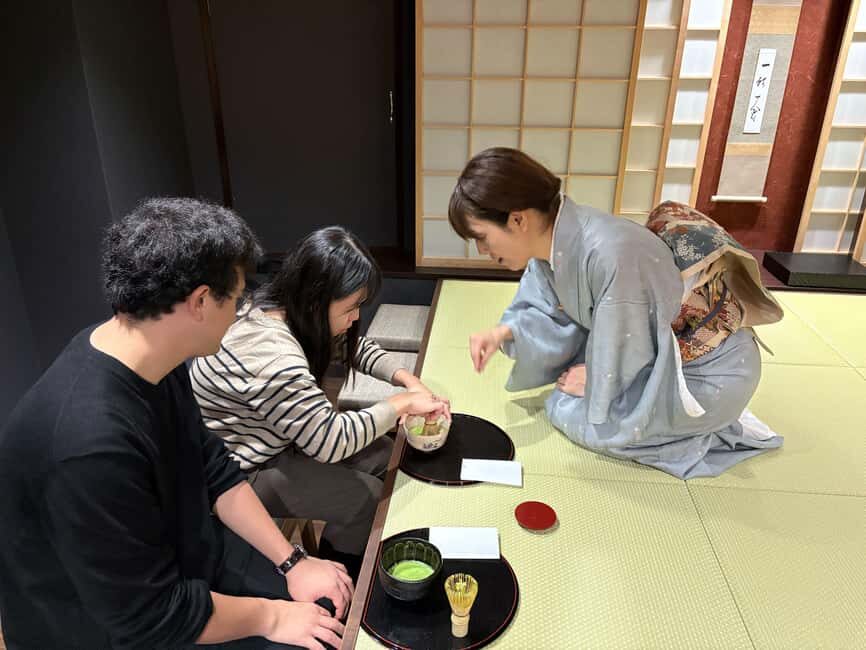
After you learn and observe the tea process, the ceremony shifts gears to sweets. You’ll taste traditional Japanese sweets selected by the tea master, designed to go with the matcha.
This is more than a snack. Japanese sweets (wagashi) often aim for balance—sweetness, texture, and timing—so they don’t overpower the tea. If you’ve had matcha that tasted bitter or sharp in the past, pairing it with the right sweet can make the flavor make sense. It also gives you a break during the session so the pace stays comfortable.
Also, don’t skip the explanation part of this course. Even if you mainly came to whisk matcha, hearing the story and context behind tea history and how people traditionally enjoyed these pairings helps the food land better. It turns what could be a one-note class into something you remember.
Whisking your own matcha bowl: what you’ll learn in practice
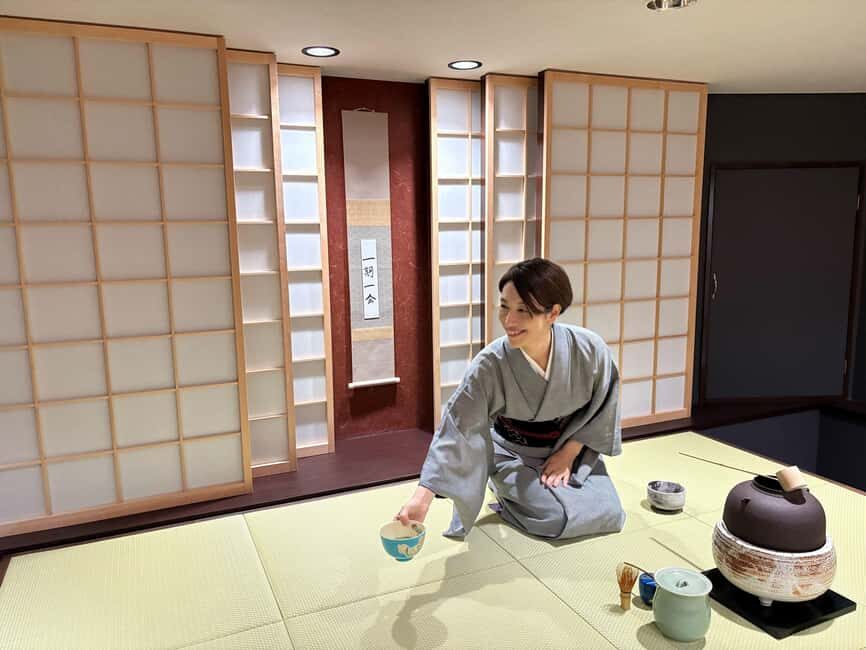
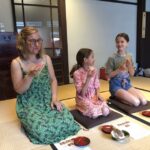
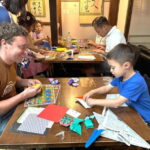
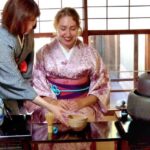
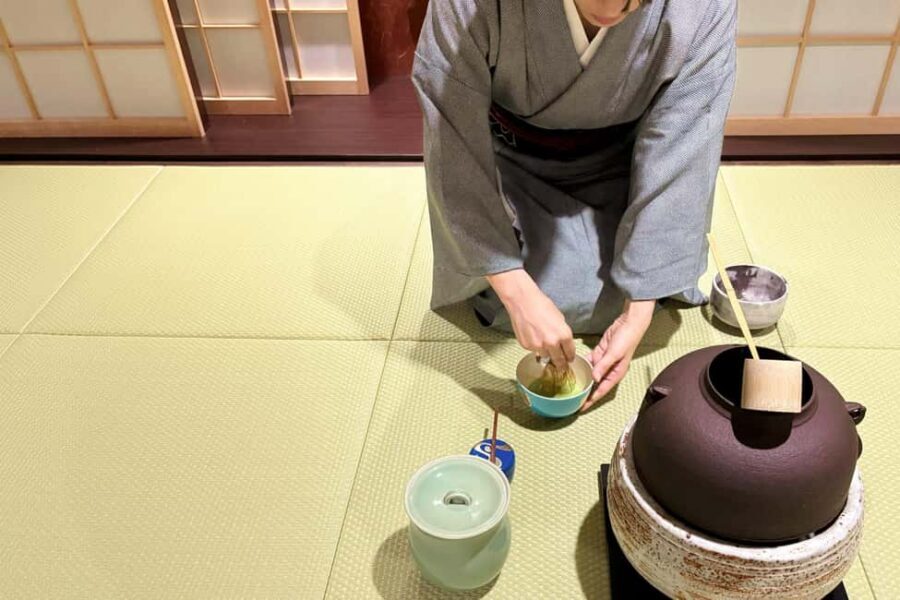
The best part is the hands-on section: you make your own bowl of matcha. You’ll get guidance on how to mix it properly, using a special tea sourced from a family-run tea farm.
Matcha prep is where many people feel the difference between “matcha as a drink” and “matcha as a craft.” The goal isn’t just mixing powder with water—it’s getting the texture right. In feedback, people specifically called out learning how to mix quality matcha so it forms bubbles, which is a practical detail you can use immediately.
What to watch for during your whisking:
- The consistency you’re aiming for (not watery, not clumpy)
- How your timing and wrist motion affect the texture
- How the tea tastes once the mix is right, especially compared with the first sip
And yes, you’ll still be a beginner. That’s the point. The ceremony keeps it friendly and avoids the vibe that you’re about to mess up something sacred.
Tea history and Zen philosophy: why this isn’t just a cooking class
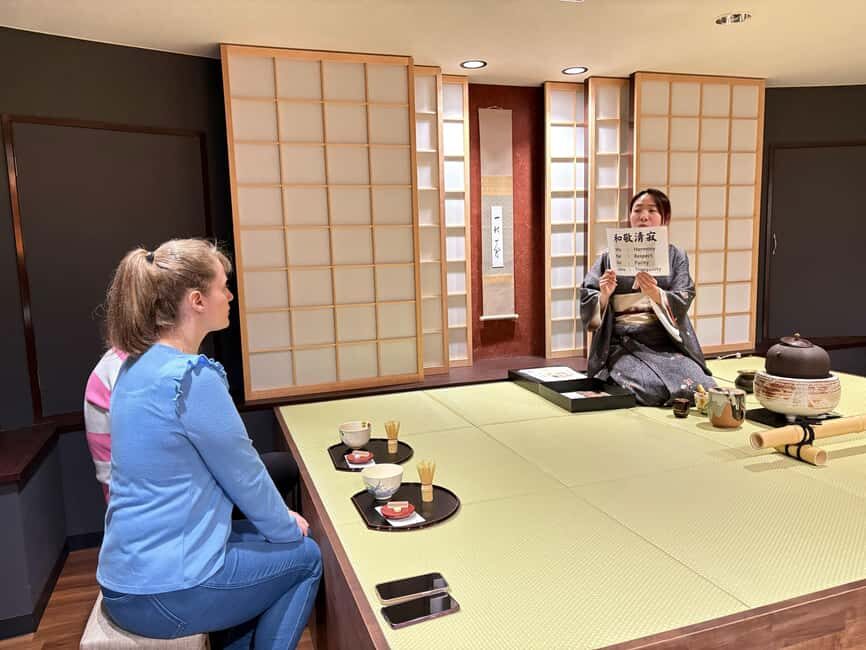
This experience doesn’t stop at technique. You’ll learn about the history of tea and the tea ceremony, plus the Zen philosophy behind it. For a lot of people, that’s the missing link. You can taste and whisk all you want, but without context, it becomes a cool activity rather than a cultural understanding.
Think of it like this: the “how” explains the craft, and the “why” explains the mindset. Tea culture in Japan isn’t only about beverage quality. It’s also about a way of paying attention—how the room feels, how you move, and how you share a moment without rushing.
Even better, the session includes a Q&A with the tea master. That’s where you can ask the questions you actually have, like what makes certain matcha styles taste different, or how tea culture evolved in Japan. If you like learning in real time, that Q&A portion is a big advantage.
A few more Kyoto tours and experiences worth a look
Time and price: is it good value for Kyoto?
The price is listed at $22 per person, and the duration can run from about 1 hour up to around 150 minutes depending on the option and timing available. For Kyoto, that’s a fairly approachable cost for a cultural activity that includes:
- A matcha drink prepared for you
- Traditional Japanese sweets
- Hands-on matcha making
- English guidance and tea history context
- A simple recipe you can take home
Value-wise, the recipe matters. Many tours give you photos and a memory. This one gives you a way to recreate something consistent at home, which means your cost keeps paying you back after the trip.
The main thing to consider is your expectations. If your only goal is “drink matcha somewhere scenic,” you could do that cheaper on your own. But if you want the process explained, paired with sweets, and translated into something you can repeat, the math starts working in your favor.
Optional kimono timing: what to know if you add the outfit
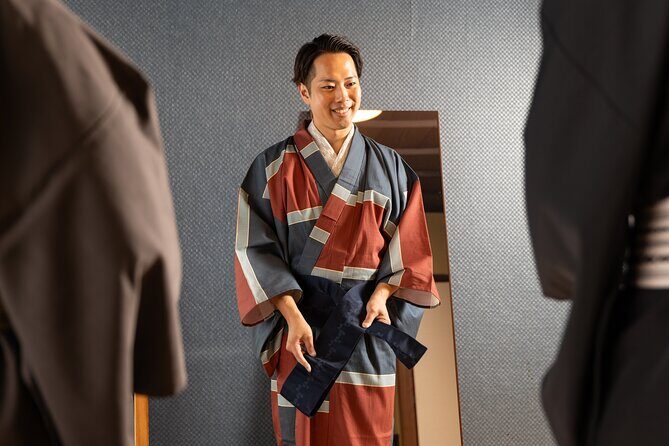
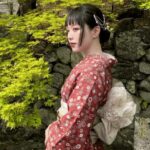
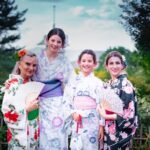
If you choose the kimono option, the ceremony timing depends on your kimono start time. You’ll go to the Kimono Rental Wargo Gion store, change first, and then walk to the tea ceremony meeting point yourself. The instructions are clear: arrive about 10 minutes before the ceremony starts.
Here’s how the fixed times work:
- If your kimono start is 11:00, you attend the tea ceremony at 12:30
- If your kimono start is 12:00, you attend at 14:00
- If your kimono start is 14:00, you attend at 15:30
After the tour finishes, you’re expected to return the kimono by 5:30pm.
Practical tip: wear comfortable shoes under your outfit plan, and give yourself time for the short walk. You don’t want to arrive late and start the ceremony stressed.
Who this Kyoto matcha experience suits best
This is a strong match for:
- First-timers who want a traditional tea ceremony vibe without strict intimidation
- People who prefer chair seating over floor seating
- Couples, friends, and small groups who want a guided cultural moment
- Travelers who like learning with an actual Q&A, not just a lecture
- Anyone who wants a repeatable matcha routine at home (because of the take-home recipe)
It may not fit as well if you want a fully formal, floor-based ceremony experience where everyone follows the strictest etiquette from start to finish. The tone here is intentionally friendly and approachable.
Also, if you’re traveling with kids: infants and toddlers are free of charge, but they won’t make their own matcha (they’d use their parent/guardian’s cup). And because matcha has caffeine, it’s not recommended for children under 5.
Should you book this Kyoto traditional tea ceremony?
I’d book it if you want a calm, high-quality introduction to Japanese tea culture in a format that’s easy on your body and your schedule. The best reasons to say yes are the hands-on matcha making, the pairing with traditional sweets, and the take-home recipe that turns the experience into something you can redo.
Book it especially if you’ll be in Gion anyway and you’d like a guided activity that feels genuinely Kyoto, not just another quick stop. And if you’re worried about “ceremony nerves,” the chair seating and friendly approach are exactly what you need.
One final checklist before you reserve: pick a time slot that lets you arrive relaxed, and if you add kimono, follow the fixed timing rules. Then show up curious. You’ll leave with more than matcha—you’ll have the story and the steps to recreate it.
FAQ
Is the tea ceremony in chairs or on the floor?
The experience offers tea ceremony seating in chairs instead of on the floor, designed to be more comfortable for most guests.
Do I learn how to make matcha or only watch?
You do both. You watch an elegant tea ceremony, and then you make your own bowl of matcha during the second half of the session.
What’s included in the price?
The included items are a matcha drink with matcha powder from a local tea farm, guidance for making matcha plus tea history from the tea master, traditional Japanese sweets, and a simple matcha recipe to take home.
Is the tour taught in English?
Yes. The instructor and tea guidance are provided in English.
How long does the experience take?
The duration is listed as 1 hour to 150 minutes, depending on the starting time option you choose.
Do kids participate, and is matcha recommended for them?
Infants and toddlers are free, but if they want to try, they must use their parent/guardian’s matcha cup and they will not receive their own matcha to make. Since matcha is high in caffeine, it is not recommended for children under age 5.
What’s the meeting point?
The meeting point may vary depending on the option booked.
If I choose the kimono option, how does the schedule work?
You’ll go to the Kimono Rental Wargo Gion store, change first, then walk to the meeting point on your own. Your tea ceremony time is fixed based on your selected kimono start time (11:00 → 12:30, 12:00 → 14:00, 14:00 → 15:30). After you finish, return the kimono by 5:30pm.
Can I cancel or change plans?
Free cancellation is available up to 24 hours in advance for a full refund. You can also reserve now and pay later.