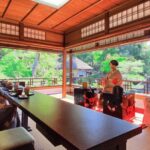
Sushi becomes edible art here. This private Kyoto class teaches kazarimaki, the art of in-roll patterns made with edible pigments pulled from plants. You’ll shape a peach flower design in about 60 minutes, with a clear, English-speaking instructor guiding you step by step. I especially like the fact you’re not just copying a roll—you’re learning the thinking behind the design, so you can recreate it later at home.
You get guided practice in a real Japanese home setting. I also like the extras: you receive a booklet and certification, plus bottled water and tea or coffee, and all the sushi ingredients (with vegan and vegetarian options). The main catch is practical but important: you must bring socks, and if you arrive more than 15 minutes late, you won’t be able to join the class.
In This Review
- Key things to know before you go
- Kyoto kazarimaki sushi: what makes this class different
- Where you meet and what the 4:30 pm timing means
- The socks rule and the tatami reality check
- Step-by-step: what you do during the private roll class
- 1) Welcome and instructor-led guidance
- 2) Dressing in traditional wear
- 3) Setting up for kazarimaki design work
- 4) Rolling time: making the peach flower pattern
- 5) Finishing, cleanup, and the take-home materials
- Value for money: is $93.32 worth it?
- Who this class suits best
- Notes for kids and teens
- Practical tips that make your class smoother
- Price and logistics: what to plan for
- Should you book this Kyoto sushi art class?
- FAQ
- How long is the private art sushi roll class in Kyoto?
- What is the class price per person?
- Where do we meet in Kyoto?
- Is this a private class?
- Do I need to bring socks?
- What if I arrive late?
- What’s included in the class?
- Does the class offer vegan or vegetarian options?
- Do I get a traditional outfit?
- Do kids need to come with an adult?
Key things to know before you go
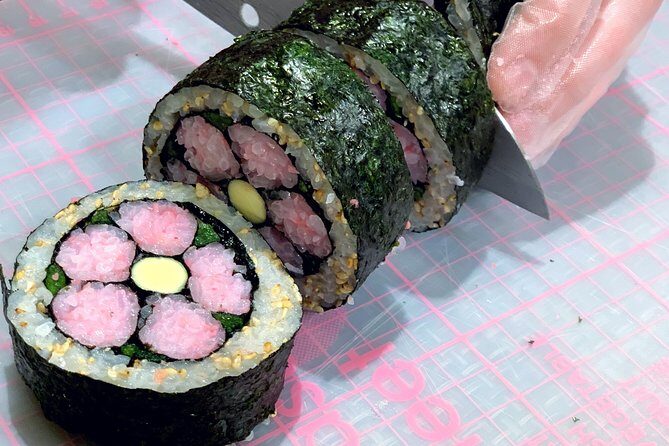
- Kazarimaki patterns: make designs inside the roll using edible plant pigments
- Private class pace: only your group participates, led by an English speaker
- Peach flower roll goal: you’ll create a specific design in about 60 minutes
- Real-home details: traditional garments are provided (kimono for women)
- Take-home proof: you’ll leave with a booklet and certification
Kyoto kazarimaki sushi: what makes this class different
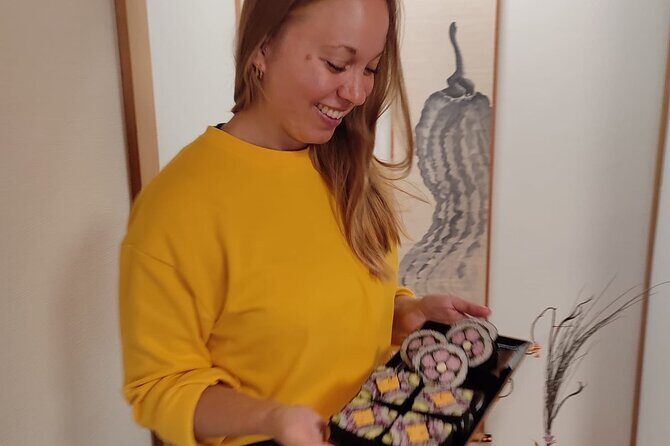
Most sushi classes focus on technique—rice, cutting, rolling. This one adds a creative layer that feels very Kyoto: you’re building patterns in the sushi itself. The technique is called kazarimaki, and it’s basically picture-making with food. The color comes from edible pigments extracted from plants, not random food coloring, and that matters because you’re working with flavors and colors that belong to Japanese cuisine.
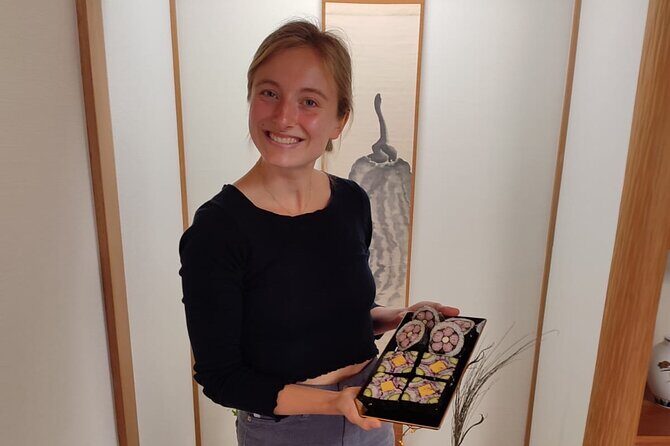
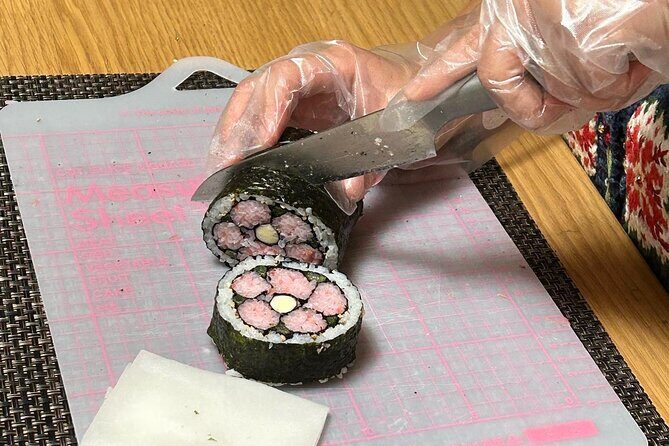
The result is a roll that looks like a crafted object, not just dinner. In the class you’ll work toward a peach flower pattern roll, aiming for a design that’s both pretty and realistic to recreate at home. If you like food that’s a little more art project than meal prep, this is a strong fit.
One more thing I appreciate: the class isn’t presented as chef-magic only. The structure is designed so beginners can follow along, while still being interesting if you already know a bit about making sushi.
Other private tours in Kyoto

Where you meet and what the 4:30 pm timing means
You start at さくら日本文化体験 二条城教室 (SAKURA Experience Japanese Culture Nijo Home) in the Nijo area (Izumichō, Nakagyo Ward). The listed start time is 4:30 pm, and the activity ends back at the meeting point.
That timing is handy. It puts your class in the late afternoon window, which works well if you’re sightseeing earlier in Kyoto and want a scheduled activity without racing daylight. It also means you’re more likely to be rested enough to concentrate—kazarimaki designs take attention.
The socks rule and the tatami reality check
Here’s the practical detail that can quietly make or break the experience: you need socks. The class takes place in a tatami room, and the operator notes you can’t enter that room without socks to respect Japanese customs.
Also watch the clock. If you arrive more than 15 minutes late, you won’t be able to join. That’s not unusual in Japan, but it’s strict enough that I’d treat it like a hard deadline. If you’re coming by public transportation, give yourself buffer time to find the exact entrance and settle in.
Step-by-step: what you do during the private roll class
Even though the itinerary is simple, the class flow is thoughtful. You’re not just rolling sushi and hoping for the best.
1) Welcome and instructor-led guidance
You’ll meet your private instructor at the Sakura Nijo Home location. The class is operated by an English speaker, and the guidance is designed to be clear and manageable. In past experiences with this host, people have highlighted how well the instruction is paced and how clearly the instructor communicates in English.
A few more Kyoto tours and experiences worth a look



2) Dressing in traditional wear
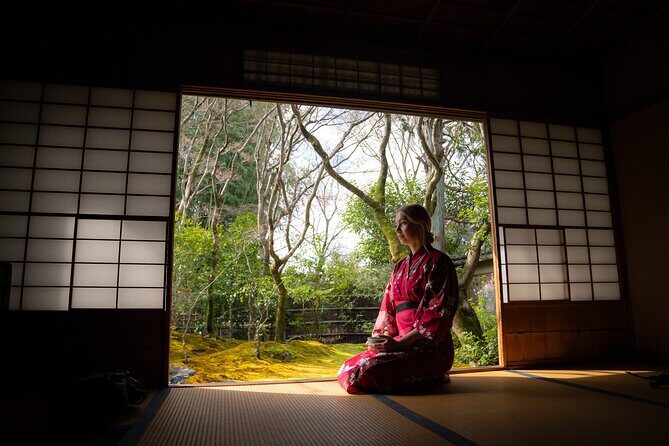
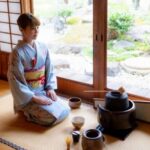
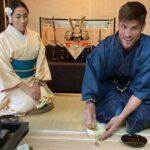
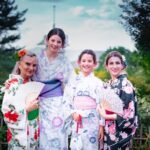
You’ll get help putting on traditional clothing for the class. Women are provided a kimono, and men and children are provided other traditional garments. This sounds small, but it changes the feel of the experience fast. Suddenly you’re not just learning sushi—you’re wearing the culture while you learn it.
3) Setting up for kazarimaki design work
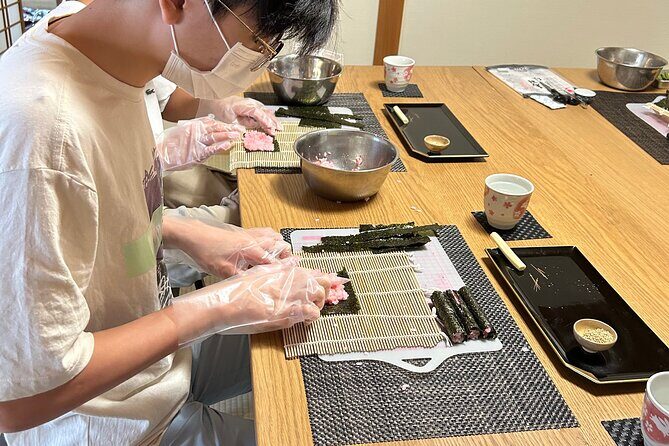
Kazarimaki isn’t random decoration. It’s about planning how the pattern will read once the roll is sliced. You’ll work with edible pigments extracted from plants, and you’ll follow the process needed to create the peach flower theme.
This is where the class’s private format helps. You can move at your pace, ask questions, and get corrections before a design goes too far off track.
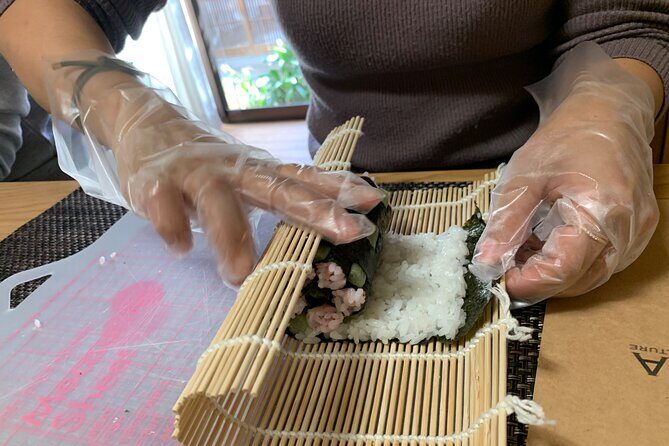
4) Rolling time: making the peach flower pattern
The class goal is to create a peach flower pattern sushi roll in about 60 minutes. That means you’ll do multiple steps:
- prepare and use ingredients for your design elements
- shape and roll the sushi
- adjust so the pattern aligns as intended
If you’re new to sushi-making, don’t panic. The best approach is to focus on following the instructor’s method. If you already have some sushi experience, you’ll likely feel faster and more confident, but the steps are meant to be doable without prior chef-level training.
A useful practical note: this is also a good moment to ask about tools and technique details. One of the hosts (with English instruction support) has been described as helping with tools and cleanup, so expect a tidy setup and quick support.
5) Finishing, cleanup, and the take-home materials
At the end, you’ll receive a booklet and certification. That’s one of the most motivating parts, because it turns the class into something you can actually revisit later. It also makes a fun souvenir that’s not just a photo.
And yes, you can expect a proper cleanup flow after the hands-on work. The host pair includes Aya (the main instructor in many class experiences) and her husband, Manabu Ito, and roles tend to include assisting during prep and handling cleanup and dishes.
Value for money: is $93.32 worth it?
At $93.32 per person for about 1 hour, this isn’t the cheapest Kyoto cooking class option. But you’re paying for three things that usually cost more:
- true private instruction (your group only)
- a specialty technique (kazarimaki design with plant-based pigments)
- structured take-home value (booklet + certification)
If you were taking a standard sushi lesson in a group, you’d often pay less. But that won’t give you the same design-focused outcome. If you want a memory you can recreate—not just something you eat once—this format is strong.
Also, the class includes bottled water, and tea or coffee, plus all sushi ingredients. That removes a common hidden cost: you don’t have to buy supplies or hunt for ingredients on your own to try again later.
Who this class suits best
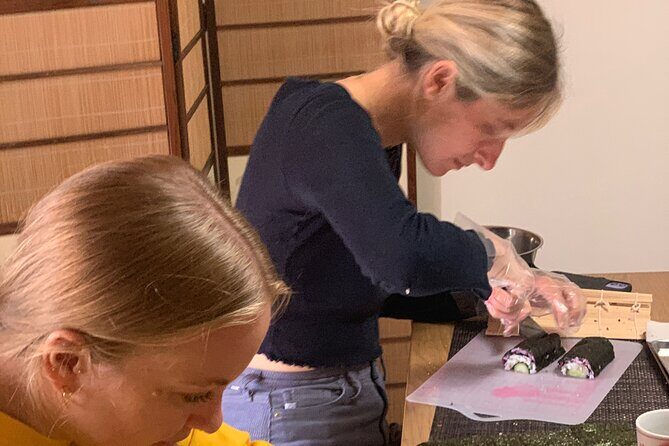
This is a great fit if you:
- want a hands-on food experience that feels creative and Kyoto-specific
- like clear structure and step-by-step guidance
- want something family-friendly that’s more memorable than a typical meal
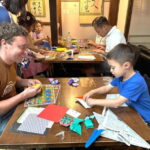
It’s also a smart choice for groups who want to cook together in a home setting. One family experience specifically mentioned cooking across generations and enjoying the hosting in a traditional home environment, which is exactly the kind of vibe that works well for mixed ages (as long as you follow the age rules).
Notes for kids and teens
The class is private, but there are clear age guidelines. Under 18 participants must come with a parent or guardian over 21. Babies and toddlers can sit or sleep on the tatami mat.
Practical tips that make your class smoother
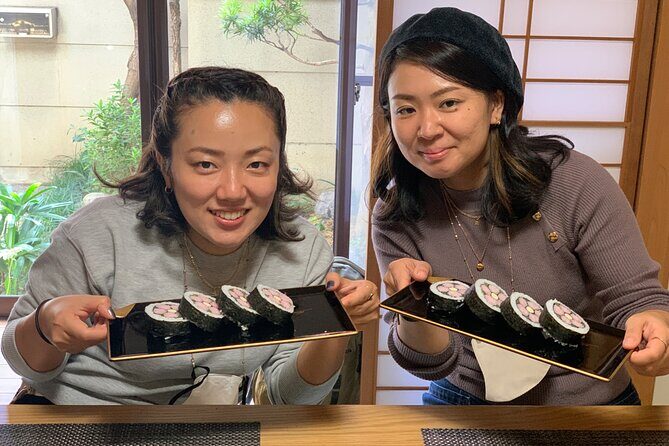
A few small moves can make the whole hour go better:
- Bring socks and plan to wear them the whole time indoors
- Build in time to arrive early, since 15 minutes late means no entry
- Come with an open mind. Kazarimaki is art-making with food, not just rolling practice
- If you have dietary needs, ask about vegan and vegetarian options before you go (they’re offered)
- Enjoy the atmosphere. Aya and Manabu’s hospitality is part of the experience, and there’s even an inside joke that people have suggested you ask Aya about, including the idea of a long-haired character—basically a fun prompt to break the ice
Price and logistics: what to plan for
Booking tends to happen in advance (on average, about 6 days ahead). If you’re in Kyoto during a busy period, don’t wait until the last minute.
You’ll also use a mobile ticket, so make sure your phone battery is healthy. The meeting point is near public transportation, which is helpful if you’re combining the class with other Nijo area sightseeing.
Since the class ends back at the meeting location, it’s easy to slot it into an afternoon plan. Just make sure you can get back there on time—especially with the sock and late-arrival rules.
Should you book this Kyoto sushi art class?
Book it if you want a short, high-impact experience where you leave with a real skill: how to build a pattern in a sushi roll. The combination of private English instruction, plant-based pigment technique, and take-home booklet + certification makes it feel more substantial than a one-off cooking demo.
Skip it if you’re worried about strict timing or the socks requirement, or if you’re only after a quick sushi meal with minimal fuss. The class is hands-on and design-focused, so it asks for attention and punctuality.
If you can show up on time with socks and you’re even a little curious about edible art, this is the kind of Kyoto experience that turns into a story you can tell for years—and a roll you might try again at home.
FAQ
How long is the private art sushi roll class in Kyoto?
It runs for about 1 hour.
What is the class price per person?
The price is $93.32 per person.
Where do we meet in Kyoto?
You start at さくら日本文化体験 二条城教室 (SAKURA Experience Japanese Culture Nijo Home) at Izumichō, Nakagyo Ward, Kyoto 604-0015, Japan.
Is this a private class?
Yes. It’s a private tour/activity, and only your group participates.
Do I need to bring socks?
Yes. You must bring socks to enter the tatami room.
What if I arrive late?
If you arrive more than 15 minutes late, you won’t be able to join the class.
What’s included in the class?
The class includes bottled water, tea or coffee, and all sushi ingredients.
Does the class offer vegan or vegetarian options?
Yes. Vegan and vegetarian options are available.
Do I get a traditional outfit?
Yes. Kimono is provided for women, and other traditional garments are provided for men and children.
Do kids need to come with an adult?
Yes. Under 18 participants must come with a parent or guardian over 21. Baby and toddler can sit or sleep on the tatami mat.